
Dealing with severe substance dependence or treatment resistant trauma requires careful evaluation of all available medical options. Many patients choose to safely undergo ibogaine treatment abroad to access therapies unavailable in their home country while benefiting from structured medical supervision. When planning your journey you should anticipate treatment costs ranging from $5000 to $10000 USD and carefully verify that your chosen facility holds active COFEPRIS licensing and employs ACLS certified medical staff.
Quick Answer Summary
- Estimated Cost Treatment packages typically range between $5,000 and $10,000 USD depending on the length of stay and medical supervision required.
- Required Certifications Ensure the clinic has local COFEPRIS licensing and the medical staff holds Advanced Cardiovascular Life Support certification.
- Ideal Candidate Individuals seeking intervention for opioid dependence or severe trauma who possess a healthy heart and normal liver function.
- Safety Overview Treatment carries serious cardiovascular risks requiring mandatory pre treatment EKGs continuous cardiac monitoring and an on site medical doctor.
- Recovery Time Acute medical observation lasts three to seven days followed by several weeks of psychological integration and aftercare.
- Why Choose Cancun The region offers a legally regulated environment for the medicine combined with established medical tourism infrastructure and easy international flight access.
Exploring the Fundamentals of Ibogaine Therapy
This treatment involves the administration of a naturally occurring psychoactive alkaloid derived from the root bark of the Tabernanthe iboga plant. Medical researchers study this compound for its unique ability to interrupt substance use disorders particularly opioid dependence by interacting with multiple neurotransmitter systems in the brain. The substance temporarily resets dopamine and serotonin pathways while drastically reducing acute withdrawal symptoms.
Because the medicine induces a profound dream like state that can last up to twenty four hours it must only be administered in a highly controlled clinical environment. Patients often experience deep introspective visions that help them process underlying emotional trauma associated with their dependency.
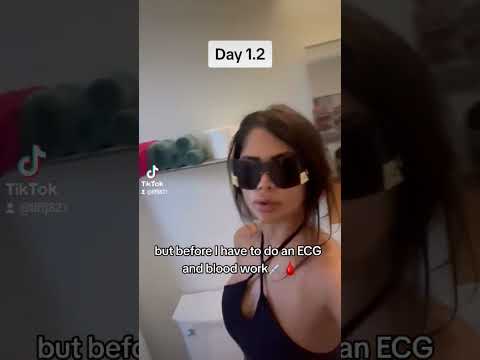
Always request a detailed itinerary of the treatment protocol before traveling. A legitimate medical facility will require extensive health questionnaires and local blood work before ever confirming your dosage schedule.
Why Patients Choose Cancun Mexico for Treatment
The regulatory landscape in many North American and European countries restricts clinical access to this specific alkaloid forcing patients to seek specialized care abroad. Cancun has developed a sophisticated medical tourism ecosystem that bridges the gap between alternative psychiatric treatments and modern clinical safety standards. Facilities in this region operate under the jurisdiction of Mexican health authorities allowing legal administration of the medicine in appropriate medical settings.
Beyond legal accessibility the destination provides a tranquil environment crucial for the high stress period of early recovery. The proximity to major international airports allows patients to travel without enduring excessively long flights which is vital for individuals currently experiencing withdrawal symptoms or severe anxiety.
- Legal regulatory framework for administration
- Direct short flights from major cities
- Integration of holistic and medical care
- Cost effective comprehensive packages
- Requires rigorous vetting of clinic licenses
- Language barriers outside the clinic
- Varying levels of emergency infrastructure
- Need for independent post care planning
Patient Demographics and Recent Travel Trends
Recent clinical registries and harm reduction data from 2024 highlight a distinct demographic shift among medical tourists seeking this intervention. While historically associated almost exclusively with severe opioid use disorders modern clinics report an increasing influx of patients seeking relief from treatment resistant depression and post traumatic stress. The typical patient age ranges from thirty to fifty years old reflecting individuals who have often exhausted traditional rehabilitation methods in their home countries.
Understanding these demographic shifts helps illustrate the broadening clinical applications of the medicine. Data collected across regulated Mexican facilities in 2025 demonstrates the primary motivations driving patients to cross borders for this intensive therapy.
This chart represents the age demographics of international patients pursuing regulated alkaloid treatments based on recent harm reduction organizational data.
Understanding the Clinical Process and Biological Effects
The clinical administration of this substance follows a highly structured timeline to ensure patient safety and maximize therapeutic outcomes. Upon ingestion the medicine is metabolized by the liver into noribogaine which remains in the system for several weeks. This extended metabolic presence is believed to be responsible for the prolonged reduction in cravings and the stabilization of mood observed in clinical environments.
The acute phase of the therapy involves profound physical ataxia where patients are unable to walk unassisted and experience intense visual and auditory phenomena. Continuous medical observation is mandatory during this phase to monitor respiratory rates and cardiac function.
| Treatment Phase | Estimated Timeframe | Biological Process | Clinical Action Required |
|---|---|---|---|
| Preparation | Days 1 to 2 | Metabolic stabilization and hydration | Comprehensive blood panels and baseline EKG testing |
| Administration | Day 3 | Alkaloid metabolizes into noribogaine | Vital sign tracking and continuous Holter monitoring |
| Acute Processing | Hours 4 to 24 | Neuroreceptor resetting and dream like state | Physical assistance and psychological grounding |
| Gray Day Recovery | Day 4 | Physical exhaustion and dopamine rebalancing | Resting hydration and nutritional replenishment |
Strict Medical Requirements and Patient Eligibility
Not every individual is a suitable candidate for this powerful intervention. Because the medicine significantly slows down the heart rate and can prolong the QT interval strict cardiovascular health is non negotiable. Patients with preexisting heart conditions arrhythmias or a history of heart failure are categorically disqualified from undergoing this therapy due to the high risk of fatal complications.
Furthermore the liver must be functioning efficiently to properly metabolize the alkaloid. Chronic liver disease severe psychiatric disorders such as schizophrenia and the presence of certain concurrent medications can create dangerous contraindications that responsible clinics will screen for immediately.
- A 12 lead electrocardiogram interpreted by a cardiologist
- Comprehensive metabolic panel and complete blood count
- Liver function tests evaluating AST and ALT levels
- Full disclosure of all current psychiatric medications
Potential Risks and Important Safety Considerations
The decision to pursue this treatment must be weighed heavily against its known medical risks. The most critical danger is bradycardia and QT prolongation which can lead to life threatening cardiac arrhythmias if not properly managed. This biological reality underscores why the medicine cannot be taken safely in an unregulated setting or without advanced life support equipment on standby.
Recent clinical safety reports from 2025 emphasize that the vast majority of adverse events associated with this therapy occur in non medical environments or when patients withhold critical information about their substance use history. Clinics equipped with emergency protocols significantly mitigate these risks.
This line graph visualizes the documented reduction in acute opioid withdrawal severity scores (COWS) over a seven day clinical observation period based on recent observational data.
Average Cost of Treatment and Financial Planning
Financial transparency is critical when planning for international healthcare. In Cancun comprehensive therapy packages typically range from $5,000 to $10,000 USD. This variance depends entirely on the duration of your clinical stay the complexity of your pre treatment detoxification needs and the level of psychological aftercare included in the package.
It is crucial to request an itemized quote before committing to a facility. Some clinics advertise unusually low prices by excluding essential services like continuous medical monitoring specialized cardiac testing or airport transfers. Understanding exactly what your payment covers prevents unexpected financial burdens during a vulnerable time.
| Service Component | Estimated Cost in USD |
|---|---|
| Comprehensive Medical Screening | $300 to $600 |
| Standard 7 Day Treatment Package | $5,000 to $7,500 |
| Extended 14 Day Detox and Therapy | $8,000 to $10,000+ |
| Pre Treatment Cardiac Clearances | Often Included or $200 to $400 out of pocket |
Comparing Global Treatment Destination Expenses
When researching this specific intervention patients often compare facilities across different countries where the medicine exists in a legal or decriminalized gray area. While some destinations may offer lower base prices the overall value must be assessed through the lens of medical infrastructure and emergency preparedness.
Cancun remains highly competitive because it balances relatively affordable healthcare costs with high end clinical amenities. Travel costs from North America to Mexico are also significantly lower than flying to facilities in Europe or the Caribbean making the total out of pocket expense much more manageable for the average patient.
| Treatment Destination | Average Estimated Cost USD | Travel Accessibility from USA |
|---|---|---|
| Cancun Mexico | $5,000 to $10,000 | High Direct flights available |
| Costa Rica | $6,500 to $12,000 | Moderate Direct flights from major hubs |
| Portugal | $8,000 to $15,000 | Low Requires transatlantic travel |
| Bahamas | $7,000 to $14,000 | High Short flights from East Coast |
How to Verify Clinic Certifications and Regulations
The unregulated nature of alternative medicine in some regions means patients must become their own advocates for safety. In Mexico the highest indicator of clinical legitimacy is licensing from COFEPRIS the federal commission responsible for protecting against sanitary risks. A legitimate clinic will proudly display their COFEPRIS registration number and allow you to verify it upon request.
You must also ensure that the facility operates as a registered medical clinic rather than just a wellness retreat. Medical clinics are held to strict standards regarding emergency protocols waste disposal and staffing requirements ensuring a baseline of clinical safety during your treatment.
Never agree to undergo this therapy in a residential home hotel room or jungle retreat. The severe cardiovascular risks necessitate an environment equipped with crash carts defibrillators and oxygen supplies.
Selecting a Qualified Medical Team
The professionals administering the medicine are just as important as the facility itself. Your primary care provider during the process should be a licensed medical doctor registered with the national medical council in Mexico. They must have documented experience specifically in addiction medicine and the pharmacological management of psychedelics.
Additionally the nursing staff monitoring you during the acute phase must hold active Advanced Cardiovascular Life Support certifications. This ensures they are fully trained to recognize early signs of cardiac distress and intervene appropriately before a situation escalates.
| Credential to Verify | Why It Matters for Your Safety |
|---|---|
| National Medical Board Registration | Ensures the doctor is legally licensed to practice medicine in Mexico. |
| ACLS Certification for Staff | Guarantees the team can manage sudden cardiac emergencies effectively. |
| On Site Psychologist or Psychiatrist | Crucial for managing acute anxiety and integrating the therapeutic experience. |
Preparing for Travel and Medical Clearances
Proper preparation drastically reduces the physical and psychological stress associated with medical travel. You will need to coordinate with the destination clinic well in advance to arrange local lab tests and provide complete medical history documentation. Many clinics assist with airport transfers ensuring you are picked up directly by clinic staff upon arriving in Cancun.
Patients currently using short acting opiates will require specific tapering or transition protocols prior to their flight. Following the clinics specific preoperative instructions regarding substance use hydration and fasting is critical to ensuring your body is prepared for the profound physiological impact of the medicine.
- Secure an active passport with at least six months of validity remaining.
- Complete all mandatory blood work and EKG testing in your home country.
- Coordinate arrival times directly with the clinics medical transport team.
- Pack comfortable loose clothing suitable for a clinical observation environment.
What to Expect During the Recovery Phase
The days following the administration of the medicine are colloquially known as the gray period. During this time the body experiences deep physical exhaustion as neurotransmitters recalibrate. Patients typically feel highly sensitive to light sound and social interaction requiring a peaceful environment supported by nutritional therapy and hydration.
Sleep disruption is a very common side effect during the first week of recovery. Clinical staff will assist in managing insomnia through holistic methods or mild sleep aids allowing your brain to rest and begin the healing process safely.
| Recovery Day | Patient Sensation | Activity Level |
|---|---|---|
| Day 1 Post Treatment | Profound physical fatigue and mental fog | Strict bed rest and continuous observation |
| Day 3 Post Treatment | Returning appetite but mild insomnia | Light walking and initial psychological counseling |
| Day 7 Post Treatment | Stabilized mood and reduction in cravings | Preparation for travel and outpatient integration |
Long Term Aftercare and Integration Strategies
This therapy is frequently described as a powerful interruption to addiction rather than a standalone cure. The profound psychological insights gained during the treatment must be actively integrated into your daily life to prevent relapse. Returning home without a structured support system is the most common reason patients fail to maintain their sobriety.
High quality clinics in Cancun provide patients with comprehensive aftercare plans. This typically includes virtual counseling sessions recommendations for local therapists specializing in psychedelic integration and structured strategies for managing long term psychological health.
Before leaving for Mexico secure a therapist in your home city who understands integration therapy. Engaging in continuous therapy coaching or support groups immediately upon your return significantly improves your long term prognosis.
Frequently Asked Questions
Is ibogaine therapy entirely safe for everyone?
No this treatment carries significant cardiovascular risks particularly QT interval prolongation. It is only considered relatively safe for individuals who pass strict EKG and metabolic testing and it must be administered by ACLS certified medical professionals in a monitored clinical setting.
How much does the treatment usually cost in Cancun?
Patients typically pay between $5,000 and $10,000 USD. The exact price depends on the length of your stay the complexity of your required medical supervision and whether comprehensive aftercare counseling is included in the package.
Why do patients have to travel to Mexico for this treatment?
The medicine is classified as a controlled substance in many countries making clinical administration illegal. Mexico provides a regulatory framework where clinics can legally administer the alkaloid under the supervision of local health authorities like COFEPRIS.
Will this therapy completely cure opioid addiction?
There is no medical cure for addiction. This therapy acts as a powerful interrupter that significantly reduces acute withdrawal symptoms and cravings providing a window of opportunity for patients to engage in deep psychological healing and long term therapy.
What medical certifications should I look for in a clinic?
You must look for clinics that hold active COFEPRIS licensing in Mexico. Additionally ensure the attending physician is registered with the national medical board and the nursing staff holds active Advanced Cardiovascular Life Support certifications.
How long does the actual acute treatment phase last?
The acute visionary and physical phase usually lasts between twelve and twenty four hours. However patients remain in a sensitive recovery state requiring medical observation for several days following the initial administration.
Can I undergo this therapy if I have a heart condition?
No. Preexisting cardiovascular issues severe arrhythmias or a history of heart failure are strict contraindications. The medicine affects heart rhythm and administering it to a patient with cardiac issues carries a high risk of fatal complications.
What is the gray day during the recovery phase?
The gray day refers to the immediate period after the acute phase ends. Patients typically feel profoundly exhausted both physically and emotionally and may experience temporary sleep disturbances as their neuroreceptors recalibrate.
Do clinics in Cancun provide aftercare support?
Reputable clinics offer structured aftercare which typically includes virtual therapy sessions integration coaching and resources to help you establish a local support network once you return to your home country.
How do I arrange transportation from the airport to the clinic?
Most established medical facilities in Cancun include private discreet airport transfers in their treatment packages. A dedicated staff member will meet you at arrivals and transport you directly to the medical facility.
Need Help Finding a Qualified Clinic?
PlacidWay can help you compare vetted providers understand treatment costs and request detailed clinical information directly from certified facilities in Cancun.
Request Free InformationDisclaimer: This information is for educational purposes only and does not replace professional medical advice. Always consult a qualified healthcare provider before making medical decisions.
References
- Clinical Observational Data on Withdrawal and Craving Over 12 Months - National Library of Medicine (NIH)
- Observational Studies and Cardiac Safety Protocols - Multidisciplinary Association for Psychedelic Studies (MAPS)
- Sanitary Licensing and Medical Regulations in Mexico - Federal Commission for the Protection Against Sanitary Risk (COFEPRIS)
- Global State of Harm Reduction 2024 Report - Harm Reduction International
- Cardiovascular Risks and QT Prolongation Management Protocols - PMC
- Recent Clinical Trials and Outcome Metrics - ClinicalTrials.gov





















Share this listing