
Traveling abroad for cosmetic surgery is a major decision, and finding a qualified surgeon for an affordable Brazilian Butt Lift in Cancun requires careful research into medical credentials and safety protocols. You likely want to understand how to verify local hospital licenses through COFEPRIS and ensure your doctor is board-certified by the CMCPER before committing to a procedure. This guide addresses your most pressing concerns about surgical risks, recovery timelines, and realistic financial expectations so you can confidently plan your medical journey.
Quick Summary
- Estimated Cost: Prices typically range from $4,500 to $6,500 USD, often including facility fees and local transport, compared to $9,000+ in North America.
- Required Certifications: Always verify that your clinic holds a current COFEPRIS license and your surgeon is certified by the CMCPER.
- Safety Overview: BBL surgery carries inherent risks, such as fat embolism; safety is highest when surgeons use ultrasound-guided, subcutaneous fat injection techniques.
- Ideal Candidate: You must have an adequate amount of harvestable body fat, a BMI generally below 30, and no history of severe bleeding disorders.
- Recovery Time: Expect to spend 10 to 14 days in Mexico before flying home, as prolonged sitting is strictly restricted during early healing.
- Why Cancun: Patients choose this location for its modern private healthcare facilities, direct international flights, and specialized post-operative recovery retreats.
Understanding the Decision to Undergo Body Contouring Abroad
Choosing to alter your body shape is a deeply personal journey, often motivated by a desire to restore lost volume, improve proportions, or achieve a silhouette that diet and exercise alone cannot provide. A Brazilian Butt Lift combines liposuction with fat grafting to naturally enhance your gluteal region using your own tissue. When evaluating this procedure in an international setting, understanding the clinical environment and standard of care is vital for your peace of mind.
Cancun has developed into a prominent destination for medical tourism, drawing thousands of international patients annually for aesthetic treatments. The medical infrastructure here is tailored to cross-border healthcare, with many specialized clinics operating specifically for North American and European visitors.
Tip: Always request a virtual consultation with your prospective surgeon before booking flights. This allows you to assess their communication style, ask about their complication rates, and confirm their emergency protocols.
Patients typically travel to this destination for several distinct reasons, balancing medical quality with logistical convenience. Evaluating these factors can help you determine if seeking treatment abroad aligns with your healthcare needs.
- Access to highly specialized plastic surgeons who perform a high annual volume of fat transfer procedures.
- Significant cost differences compared to domestic healthcare systems, allowing for comprehensive care packages.
- The availability of specialized post-operative recovery houses that provide 24-hour nursing care and lymphatic drainage massages.
- Direct flight accessibility from major cities in the United States, Canada, and the United Kingdom.
- Strict privacy during the acute healing phase, away from the demands of work and social obligations.
- Modern, purpose-built clinics equipped with advanced liposuction technologies like VASER or MicroAire.
How the Surgical Fat Transfer Procedure Works
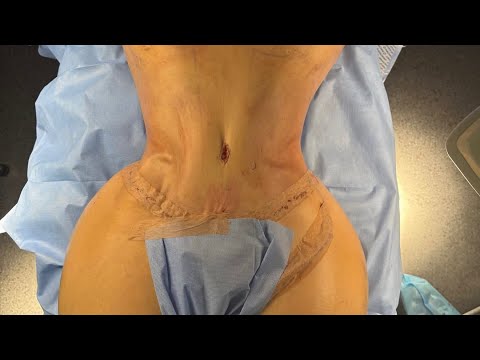
A Brazilian Butt Lift is medically known as gluteal fat grafting. The procedure involves a dual process: extracting excess adipose tissue from specific donor sites and meticulously injecting it into the buttocks. This method relies entirely on your own biological material, eliminating the risks associated with foreign implants, such as capsular contracture or implant rupture.
Your surgeon begins by administering general anesthesia or deep intravenous sedation. Using specialized cannulas, they perform liposuction on areas like the abdomen, flanks, or thighs. The harvested fat is then purified in a closed system to separate viable fat cells from blood and tumescent fluid. Finally, the purified fat is injected in precise micro-droplets to ensure optimal blood supply and graft survival.
Liposuction Phase
Fat is carefully removed to sculpt the surrounding areas, often the lower back and waist, which naturally accentuates the gluteal curve even before the fat is transferred.
Injection Phase
The purified fat is reintroduced through tiny incisions. It must be placed strictly in the subcutaneous layer, above the gluteal muscle, to ensure patient safety.
The survival rate of the transferred fat typically ranges between sixty and eighty percent. The remaining cells are naturally metabolized by your body over the first few months. Because of this natural absorption, surgeons often slightly over-correct the area during the initial operation to account for expected volume loss.
Evaluating Safety Protocols and Surgical Risks
Patient safety must be the absolute priority when researching gluteal fat grafting. Historically, this procedure carried a high rate of severe complications, primarily due to improper injection techniques. The most critical medical risk is a pulmonary fat embolism, which occurs when fat is mistakenly injected into or below the gluteal muscle, entering large blood vessels and traveling to the lungs.
To mitigate this risk, global medical societies, alongside Mexican national surgical boards, mandate that all fat injections remain strictly in the subcutaneous space (just beneath the skin). Advanced clinics now utilize real-time ultrasound guidance during the injection phase to continuously monitor the cannula tip and avoid deep muscle penetration.
Warning: Never prioritize cost over safety. If a clinic offers prices drastically lower than the regional average, it may indicate compromised sanitary protocols, lack of board-certified anesthesiologists, or rushed surgical times.
Beyond fat embolism, standard surgical risks apply. These include infection, seroma (fluid accumulation), hematoma, asymmetry, and skin necrosis. Your chosen medical facility must have clear, documented protocols for managing these complications, including arrangements with local tertiary hospitals for intensive care if a rare emergency arises.
Verifying Surgeon Credentials in the Mexican Medical System
Operating outside your home healthcare system means you must understand the regulatory landscape of your destination. In Mexico, the title of plastic surgeon is strictly regulated. Simply being a general doctor or a cosmetic practitioner does not qualify someone to perform complex invasive procedures like fat transfer safely.
You must ensure your surgeon is officially certified by the CMCPER (Consejo Mexicano de Cirugía Plástica, Estética y Reconstructiva). This is the only national academic body recognized by the government to certify that a physician has completed the extensive surgical residency required for plastic and reconstructive surgery. Membership in the AMCPER (Asociación Mexicana de Cirugía Plástica, Estética y Reconstructiva) is also a strong indicator of peer recognition and ongoing medical education.
| Credential | Issuing Body | Significance for Patients |
|---|---|---|
| Medical License (Cédula Profesional) | Secretaría de Educación Pública (SEP) | Proves they are a legally registered medical doctor in Mexico. |
| Specialty Cédula | Dirección General de Profesiones | Confirms completion of an official plastic surgery residency. |
| Board Certification | CMCPER | The highest standard of ongoing surgical competence and safety. |
When consulting with providers, ask directly for their CMCPER certification number. You can independently verify this number on the official council website. Surgeons who operate transparently will gladly share their license details, case volumes, and board certification status.
Assessing Clinic and Hospital Regulations
The facility where your surgery takes place is just as important as the surgeon performing it. Independent surgical centers and private hospitals in Mexico are regulated by COFEPRIS (Comisión Federal para la Protección contra Riesgos Sanitarios), which functions similarly to the FDA in the United States regarding health risk management and facility safety.
A legitimate clinic will visibly display its current COFEPRIS operating license. This license guarantees that the facility undergoes regular sanitary inspections, maintains proper sterilization equipment (autoclaves), and stocks emergency medications. Furthermore, highly reputable hospitals may also hold certification from the Consejo de Salubridad General (CSG), which evaluates overall healthcare quality and patient safety protocols.
International accreditations, such as those from the Joint Commission International (JCI), are prestigious but not strictly necessary for an outpatient aesthetic clinic. National regulation by COFEPRIS and CSG provides a robust framework for patient safety when properly enforced. Always inquire about the clinic's operating theater standards and their post-operative observation capabilities.
Analyzing the Cost of Treatment and Financial Planning
Cost is a primary driver for medical travel. The price of healthcare services in Mexico is lower due to regional differences in clinical labor costs, administrative overhead, and malpractice insurance premiums, rather than a reduction in medical material quality. However, pricing structures can vary wildly between providers, making transparent written quotes essential.
A typical procedure package in Cancun may range from $4,500 to $6,500 USD. It is crucial to understand exactly what this price encompasses. Some clinics advertise a low base surgical fee but add separate charges for anesthesia, facility use, pre-operative blood tests, and specialized compression garments.
| Country of Treatment | Estimated Base Procedure Range (USD) | Typical Exclusions |
|---|---|---|
| United States | $9,000 - $16,000 | Anesthesia, Facility fees, Aftercare |
| Canada | $10,500 - $15,000 | Prescriptions, Compression garments |
| United Kingdom | $8,500 - $13,000 | Consultation fees, Post-op nursing |
| Cancun, Mexico | $4,500 - $6,500 | Flights, Accommodation, Travel Insurance |
When budgeting for your medical trip, factor in hidden costs. You will need to account for your flight, minimum 10 days of accommodation, post-operative lymphatic drainage massages (which are critical for minimizing swelling), specialized medication, and medical complications travel insurance. Never travel without a financial buffer for unexpected travel delays or medical needs.
Determining Patient Eligibility and Suitability
Not every patient is medically suitable for gluteal fat grafting. Because the procedure relies on liposuction, you must have enough harvestable adipose tissue in your abdomen, flanks, or back to achieve the desired contouring result. Thin patients with minimal body fat may not yield enough viable tissue and might be advised to explore alternative treatments.
Body Mass Index (BMI) is a critical eligibility metric. Most board-certified surgeons in Mexico enforce a strict upper BMI limit, generally capping eligibility at a BMI of 30 or 32. Operating on patients with a higher BMI significantly increases the risk of anesthesia complications, deep vein thrombosis (DVT), and severe post-operative infections.
Takeaway: If a surgeon offers to perform a high-volume fat transfer on you despite having a BMI above 34, view this as a major red flag regarding their commitment to medical safety protocols.
Additionally, you must be a non-smoker or willing to completely cease nicotine consumption at least four to six weeks prior to surgery. Nicotine constricts blood vessels, which can drastically reduce the blood supply necessary for the newly transferred fat cells to survive, leading to tissue necrosis and poor aesthetic outcomes. You must also have no active infections, controlled blood pressure, and normal blood clotting function.
Patient Demographics and Global Travel Behaviors
The landscape of cross-border aesthetic surgery has evolved significantly. According to recent international medical registries from 2024, the demographic profile of patients traveling for body contouring skews heavily toward younger to middle-aged adults seeking comprehensive aesthetic changes. Understanding who travels and why can provide context for the systems clinics have built to accommodate these international visitors.
Patients from the United States represent the vast majority of medical tourists seeking aesthetic treatments in Mexico, driven by proximity and high domestic healthcare costs. Canadian and European patients make up a smaller but growing segment, often combining their medical procedures with extended recovery periods in tropical climates.
Primary Origin Countries for Aesthetic Patients in Mexico (2024)
Visual representation of cross-border medical travel volume based on 2024 healthcare tourism registry data.
Age also plays a significant role in patient demographics. Clinical data from 2024–2025 demonstrates that the core demographic for body contouring procedures remains concentrated in the 25 to 45 age bracket. These patients often prioritize advanced techniques like ultrasound-guided fat transfer and actively seek clinics offering structured post-operative recovery programs.
Patient Age Distribution for Gluteal Fat Grafting (2024-2025)
Demographic age trends derived from 2024–2025 published aesthetic clinic statistics.
Managing the Post-Operative Recovery Timeline
Recovery from gluteal fat grafting is notoriously demanding, primarily due to strict positional restrictions. The newly grafted fat cells require time to establish a stable blood supply. Sitting directly on your buttocks or lying flat on your back applies severe pressure, compressing the delicate blood vessels and causing the new fat cells to die. This can lead to volume loss or uneven aesthetic results.
You must commit to using a specialized BBL pillow when sitting is absolutely unavoidable (such as using the restroom or during necessary transport). For sleeping, you will need to rest on your stomach or sides for at least four to six weeks. This challenging requirement is a major reason patients opt for dedicated recovery houses in Mexico, where nursing staff can assist with positional changes and wound care.
| Timeframe | Clinical Process | Patient Experience | Required Action |
|---|---|---|---|
| Days 1-3 | Acute inflammation and fluid drainage | Significant soreness, leaking from liposuction sites | Rest entirely, stay hydrated, wear compression garment |
| Days 4-10 | Initial fat cell vascularization | Peak swelling, bruising begins to fade | Begin prescribed lymphatic drainage massages |
| Days 10-14 | Incision healing and stabilization | Improved mobility, reduced pain | Medical clearance required for the flight home |
| Weeks 3-6 | Tissue integration | Gradual return of normal sensation | Avoid strenuous exercise, continue sleeping prone |
A surgical compression garment, known as a faja, must be worn continually during this phase. This garment provides crucial support to the liposuctioned areas, preventing the accumulation of fluid (seromas) and encouraging the skin to retract smoothly over your new contours. Your surgeon will advise you when it is safe to transition to a lighter garment.
Travel Guidelines and Flight Restrictions After Surgery
Air travel immediately following major body contouring surgery introduces significant medical risks, primarily deep vein thrombosis (DVT) and pulmonary embolism. The combination of post-surgical inflammation, altered blood flow, and the confined space of an airplane seat creates a dangerous environment for blood clot formation.
Because of these risks, board-certified surgeons in Cancun require international patients to remain in the local area for a minimum of 10 to 14 days post-operation. This mandatory window allows the medical team to monitor your healing, manage any early complications, and provide final clearance before you navigate the physical stress of an airport.
When you are medically cleared to fly home, you must prioritize mobility. Wear medical-grade compression socks throughout the journey, stay heavily hydrated, and walk the airplane aisle every hour if possible. You must also bring your BBL pillow for the flight, as airline seats place immense pressure on the gluteal region.
Essential Preparations for Your Medical Journey
Thorough preparation minimizes anxiety and ensures a smoother clinical experience. Once you have vetted your surgeon's CMCPER credentials and confirmed the clinic's COFEPRIS license, begin organizing your medical documentation. Your surgeon will require comprehensive pre-operative blood panels, an EKG, and potentially medical clearance from your primary care physician back home.
Pack loosely fitting, front-buttoning clothing that is easy to put on without twisting or raising your arms excessively. Dark-colored clothing is recommended for the first few days, as the tumescent fluid injected during liposuction will naturally drain from the incision sites. Additionally, secure your travel logistics early.
Tip: Purchase specialized medical tourism complications insurance before leaving your home country. Standard travel insurance rarely covers treatments related to elective cosmetic procedures.
Coordinate your local transport meticulously. Navigating luggage and airport transfers while in pain is not advisable. Many high-quality surgical packages include private, assisted transfers between the airport, your recovery facility, and the clinic for follow-up appointments.
Frequently Asked Questions
To assist your planning, review these common questions regarding safety, logistics, and medical protocols for aesthetic treatments abroad.
How long do the results of a Brazilian Butt Lift last?
Once the transferred fat cells successfully integrate and establish a blood supply (usually within 3 to 6 months), those specific cells behave like natural fat tissue indefinitely. However, significant weight fluctuations or natural aging can alter your overall body contour over time.
Are specialized recovery houses in Cancun regulated?
Recovery houses vary widely in quality. Legitimate facilities that provide nursing care should operate under local health regulations. Always ask your certified surgeon for recommendations, as they typically partner with facilities that meet their clinical standards for post-op monitoring.
What happens if I experience a complication after returning home?
Reputable international surgeons maintain structured telemedicine follow-ups. However, if an acute medical emergency occurs back home, you must visit a local emergency room immediately. This is why purchasing specialized medical tourism insurance is critical.
Is ultrasound-guided fat transfer available in Mexico?
Yes, many top-tier clinics in Cancun now utilize real-time ultrasound imaging to monitor the cannula during fat injection. This advanced technique helps prevent intramuscular injection, significantly reducing the risk of a fatal fat embolism.
Can I combine this procedure with breast augmentation?
Combining surgeries (often called a "mommy makeover") is possible, but it increases the time under anesthesia and complicates recovery. Your surgeon will evaluate your BMI, overall health, and the total estimated surgical time before approving multiple simultaneous procedures.
Why do I need lymphatic drainage massages?
Lymphatic massages help flush out trapped fluids and cellular debris caused by liposuction trauma. They significantly reduce swelling, minimize the risk of hard lumps (fibrosis), and promote smoother skin retraction during the healing phase.
How much weight do I need to lose before surgery?
You should be at a stable, maintainable weight before surgery. If your BMI is above the surgeon's limit (often 30-32), you will be advised to lose weight safely. Intentional weight loss immediately after surgery can shrink the newly transferred fat cells.
Can I sit normally on the flight back home?
No. Even after 14 days of recovery, you must not sit directly on your buttocks for prolonged periods. You will need to use your specialized BBL pillow during the flight to keep pressure off the newly grafted fat.
Does the quoted package price include anesthesia?
Price inclusions vary by clinic. An honest, transparent quote should clearly itemize surgeon fees, anesthesiologist fees, operating room costs, and necessary medical supplies. Always ask for a written breakdown before paying a deposit.
How do I verify a Mexican doctor’s credentials from abroad?
You can search the doctor's name or certification number on the official website of the CMCPER (Mexican Council of Plastic, Aesthetic and Reconstructive Surgery). This registry is public and confirms active, valid board certification.
Ready to Explore Your Options?
Navigating international healthcare choices can be complex. PlacidWay can help you compare certified providers, understand transparent treatment costs, and request essential medical information from top clinics in Cancun.
Request Information NowDisclaimer: This information is for educational purposes only and does not replace professional medical advice. Always consult a qualified healthcare provider before making medical decisions.
References
- ISAPS Global Statistics and Patient Demographics (Published 2024) – International Society of Aesthetic Plastic Surgery
- Official Directory of Certified Plastic Surgeons – CMCPER (Consejo Mexicano de Cirugía Plástica, Estética y Reconstructiva)
- Sanitary Licensing and Clinic Regulations – COFEPRIS (Comisión Federal para la Protección contra Riesgos Sanitarios)
- Safety Guidelines and Ultrasound-Guided Gluteal Fat Grafting (2024 Data) – Aesthetic Surgery Journal
- Medical Tourism Safety Guidelines and Travel Considerations (2024 Update) – CDC Yellow Book
- BBL Safety Updates and Complication Prevention Protocols – American Society of Plastic Surgeons























Share this listing