
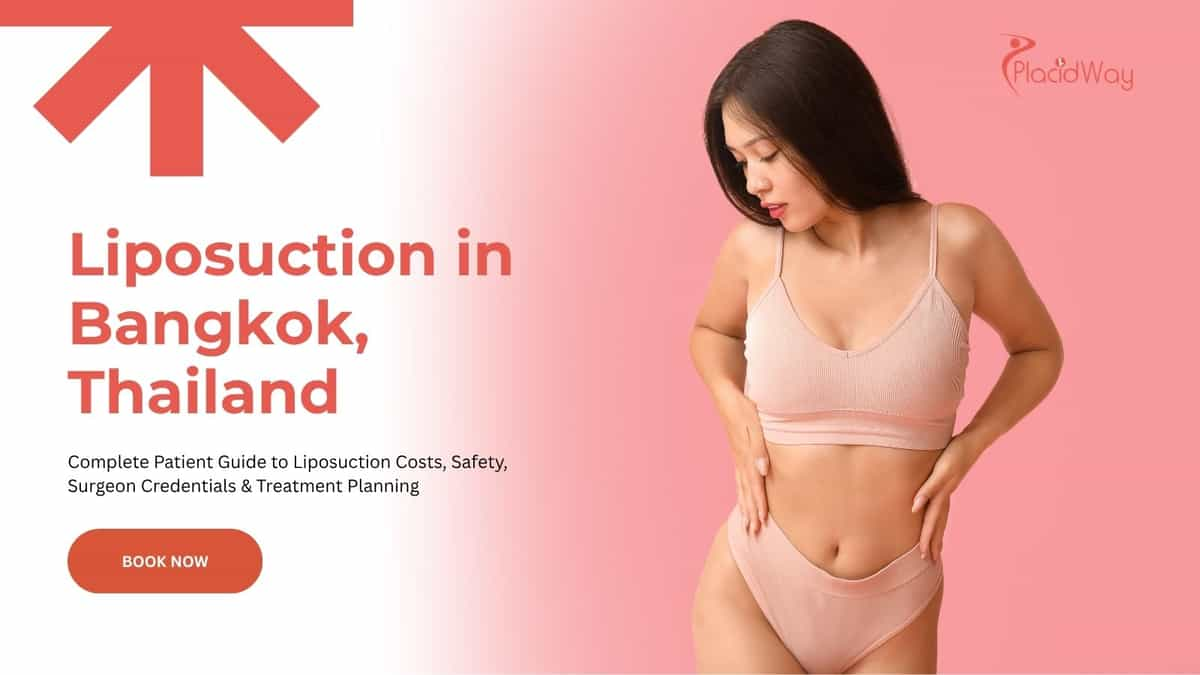
Navigating the world of medical tourism can feel overwhelming, especially when you are searching for a safe, reliable clinic for body contouring far from home. You are likely wondering if the savings are worth the travel and how you can be absolutely certain your surgeon is qualified. By focusing on essential quality markers like the Medical Council of Thailand registration and Hospital Accreditation (HA) certifications, you can confidently compare costs and protect your health. This guide will walk you through everything you need to evaluate safety, budget accurately, and make an informed decision about your procedure.
Quick Answer Summary: What You Need to Know
- Estimated Cost: Ranges from $1,800 to $3,500 USD per area, depending on the clinic and technology used.
- Safety Overview: Highly regulated by the Thai Ministry of Public Health; safety depends entirely on choosing licensed, accredited facilities.
- Ideal Candidate: Individuals near their target weight with stubborn, localized fat deposits and realistic surgical expectations.
- Recovery Time: Typically 7 to 14 days in Bangkok before you are medically cleared to fly back home.
- Main Reason Patients Choose Bangkok: A unique combination of highly skilled, board-certified surgeons, advanced hospital infrastructure, and lower out-of-pocket costs.
- Certifications to Look For: Verify surgeon registration with the Medical Council of Thailand and ensure the facility holds Hospital Accreditation (HA) Thailand or JCI accreditation.
- Important Caution: Never choose a clinic based solely on price; always factor in the cost of mandatory post-operative care and medical travel insurance.
Why International Patients Consider Liposuction in Bangkok, Thailand
Traveling across the globe for a medical procedure is a significant decision. Patients consistently evaluate this destination because it offers a sophisticated healthcare infrastructure tailored specifically to international visitors. The local medical sector has spent decades refining patient pathways, ensuring that foreign visitors receive comprehensive care from initial consultation to final discharge.
The decision to travel usually stems from a desire to access high-tier surgical technology without the prohibitive pricing found in North America, Australia, or Europe. Hospitals in this region frequently utilize advanced fat removal technologies, such as ultrasound-assisted and radiofrequency-assisted liposuction, which might be financially out of reach in a patient’s home country.
Additionally, the culture of patient care is highly regarded. Private healthcare facilities often feature multilingual medical coordinators, dedicated international wings, and streamlined communication channels. This reduces the friction typically associated with navigating a foreign medical system, allowing patients to focus entirely on their preparation and recovery.
Patient Tip: Always ask your prospective clinic if they provide a dedicated medical coordinator who speaks your native language. This ensures critical medical instructions are never lost in translation.
Understanding the Medical Purpose of Liposuction
Liposuction is a surgical fat removal procedure designed to contour specific areas of the body. It is crucial to understand that this is not a weight-loss treatment or a cure for obesity. Instead, it targets stubborn subcutaneous fat—the layer of fat sitting just beneath the skin—that does not respond to standard diet and exercise regimens.
During the procedure, a surgeon makes small incisions and inserts a thin tube called a cannula. This cannula is used to mechanically break up the fat cells, which are then suctioned out of the body using a surgical vacuum. Depending on the technique, the surgeon may use localized fluid injection, ultrasound waves, or laser energy to help loosen the fat before removal.
Because the body does not regenerate adult fat cells, the removed cells are permanently gone. However, if you gain weight after the procedure, the remaining fat cells in the body can expand, potentially altering the surgically achieved contours. Maintaining a stable lifestyle is essential for preserving the surgical outcome.
Evaluating Your Eligibility for the Procedure
Surgeons carefully evaluate every patient to determine if they are biologically and physically suited for body contouring surgery. Because traveling adds physical stress, international patients face even stricter eligibility criteria. Your doctor will require a comprehensive review of your medical history, current medications, and baseline physical health.
An ideal candidate typically maintains a stable weight, possesses good skin elasticity, and does not suffer from chronic conditions that impair healing, such as uncontrolled diabetes or severe cardiovascular disease. Skin elasticity is particularly important because the skin must shrink and conform to the new bodily contours once the underlying fat is removed.
| Eligibility Factor | Ideal Condition | Potential Red Flag |
|---|---|---|
| Body Mass Index (BMI) | Below 30 (Stable for 6+ months) | Above 32, or actively fluctuating weight |
| Skin Quality | Firm, elastic, good collagen production | Significant skin laxity, deep stretch marks |
| Medical History | No major systemic diseases, non-smoker | Bleeding disorders, active smoking, heart disease |
| Psychological Readiness | Realistic expectations regarding contouring | Expecting massive weight loss or perfection |
Patient Demographics: Who is Traveling to Bangkok for Aesthetic Procedures?
Analyzing recent medical tourism data helps provide context on who travels for healthcare and why. Based on documented 2024 healthcare travel trends in Southeast Asia, the demographic profile of international patients seeking aesthetic and plastic surgery in this region shows distinct patterns in age and country of origin.
The majority of these patients are between the ages of 35 and 50. This age bracket often correlates with individuals who have stable incomes and are seeking to address age-related body changes or post-pregnancy body contouring. Below is a representation of recent demographic data showing the primary countries of origin and age distribution for cross-border medical patients in this specialty.
Top Source Regions for Aesthetic Tourism (2024 Index)
Source: 2024 Cross-Border Healthcare Travel Data Trends
Patient Age Distribution Curve (2024)
Source: 2024 International Aesthetic Patient Registry
Cost Analysis for Liposuction in Bangkok
Understanding the financial commitment is one of the primary steps in your research. Medical procedures are highly individualized, which means pricing structures vary significantly depending on the clinical complexity of your specific case. Pricing is usually calculated "per area" (such as the abdomen, flanks, or thighs) rather than as a single flat fee for the entire body.
A major hospital utilizing advanced VASER or Laser-assisted techniques will typically quote higher fees compared to a smaller independent clinic using traditional tumescent methods. You must also factor in the surgeon's fee, anesthesiologist fees, and facility operating room costs. Most reputable providers will offer an itemized breakdown once they review your preliminary medical files.
| Country / Region | Estimated Cost Per Area (USD) | Includes Hospital Fees? |
|---|---|---|
| United States | $4,500 - $8,500 | Usually Extra |
| Australia | $4,000 - $7,500 | Usually Extra |
| Bangkok, Thailand | $1,800 - $3,500 | Often Packaged |
*Note: Costs are estimated baseline figures and will vary based on current exchange rates, specific hospital pricing tiers, and individual patient anatomy.
Identifying Hidden Fees and Travel Budgeting
Many patients incorrectly compare the raw surgical fee of a foreign hospital directly to a domestic hospital quote. While the surgery itself is more affordable, the total financial outlay must include the logistics of medical tourism. Failing to budget for mandatory post-operative necessities can cause significant financial stress during your recovery phase.
You will need to purchase compression garments, which are medically required to reduce swelling and help your skin conform to your new body shape. Specialized lymphatic drainage massages are often recommended by surgeons to accelerate healing and prevent fluid buildup. You must also account for extended hotel stays, as you will not be cleared to fly immediately after surgery.
Financial Warning: Never travel for surgery without a contingency fund. In the rare event of a medical complication, you may need to extend your hotel stay, purchase additional medications, or change your flight itinerary at the last minute.
Navigating Healthcare Regulations and Hospital Accreditation
Safety should be your foremost priority when evaluating any medical procedure abroad. Thailand has a robust healthcare regulatory framework governed primarily by the Ministry of Public Health. Every legal clinic and hospital must undergo rigorous health and safety inspections to maintain an operational license in the country.
Beyond basic licensing, voluntary accreditations serve as a critical quality indicator for international patients. You should actively look for facilities that hold Hospital Accreditation (HA) Thailand, which is a stringent national quality standard. Many premier facilities also hold Joint Commission International (JCI) accreditation, signifying they meet global benchmarks for patient safety and clinical governance.
Choosing an accredited facility ensures that the hospital maintains strict protocols for infection control, emergency preparedness, and the safe administration of anesthesia. Accredited hospitals also have internal review boards that audit surgical outcomes and monitor complication rates, adding a layer of institutional accountability.
How to Verify Surgeon Credentials in Thailand
The skill and experience of your surgeon directly impact both your safety and your final aesthetic result. It is vital to look beyond marketing claims and verify official medical credentials. The primary regulatory body you need to be aware of is the Medical Council of Thailand, which registers all licensed physicians operating in the country.
Furthermore, you should ensure your chosen physician is a recognized specialist in plastic or reconstructive surgery. Membership in the Society of Plastic and Reconstructive Surgeons of Thailand (ThPRS) indicates that the doctor has completed the requisite specialist training and adheres to national surgical standards. Board-certified specialists possess a deep understanding of human anatomy, which is essential for managing complications.
- Request the surgeon's full medical license number.
- Verify their board certification in plastic surgery, not just general medicine.
- Ask about their specific annual case volume for this exact procedure.
- Inquire if they hold hospital privileges to perform surgery at major accredited medical centers.
Comparing Surgical Techniques Offered in Bangkok
Advancements in medical technology have introduced several different techniques for fat removal. When consulting with specialists, they will recommend a specific modality based on the density of your fat, your skin elasticity, and the targeted body area. Traditional Tumescent Liposuction remains the gold standard; it involves injecting a sterile solution containing saline, local anesthetic, and epinephrine to swell the fat cells and constrict blood vessels, thereby minimizing blood loss.
Another prevalent option is Ultrasound-Assisted Liposuction (UAL), often marketed under brand names like VASER. This technique uses ultrasound wave energy to liquefy the fat cells before they are suctioned out, which can be particularly useful for dense areas like the male chest or upper back. Laser-Assisted Liposuction (LAL) uses thermal energy to melt fat and may offer slight skin-tightening benefits.
| Technique | Mechanism of Action | Best Suited For |
|---|---|---|
| Tumescent | Fluid injection to separate fat, mechanical suction | Large volume fat removal, general contouring |
| Ultrasound-Assisted (UAL) | Sound waves liquefy fat prior to extraction | Fibrous areas (back, male chest), precision sculpting |
| Laser-Assisted (LAL) | Thermal energy melts fat, stimulates collagen | Small areas (chin, arms), mild skin laxity |
Step-by-Step: Your Surgical Timeline in Thailand
A well-planned medical itinerary minimizes stress and ensures adequate time for preoperative testing and postoperative rest. You should plan to arrive in Bangkok at least two to three days before your scheduled surgery. This window allows you to acclimate to the time zone, attend your in-person consultation, and undergo mandatory blood tests and EKGs.
On the day of surgery, you will meet with your surgeon to review the final surgical plan and mark the body. You will also meet the anesthesiologist to discuss your sedation plan. The procedure itself typically takes between one and four hours, depending on how many areas are being treated and the volume of fat being removed.
Following the surgery, you will be moved to a dedicated recovery unit. For minor, single-area procedures under local anesthesia, you may be discharged the same day. However, for multiple areas or extensive volume removal under general anesthesia, you will likely stay overnight in the hospital so the nursing staff can monitor your vital signs and manage acute pain.
Post-Op Recovery: Navigating the First 14 Days
The initial recovery phase is critical for achieving optimal results and preventing complications. Immediately following the procedure, you will experience swelling, bruising, and a sensation similar to deep muscle soreness. You will be fitted with a tight compression garment that you must wear continuously, often for up to six weeks.
During your time in Bangkok, you will have several follow-up appointments to check incision healing, remove sutures if necessary, and monitor for fluid accumulation (seromas). It is imperative that you follow the surgeon's mobility guidelines. While strenuous exercise is strictly forbidden, gentle, short walks are highly encouraged to promote blood circulation and reduce the risk of deep vein thrombosis (DVT).
| Timeframe | Biological Process | Patient Sensation | Required Action |
|---|---|---|---|
| Days 1-3 | Acute inflammatory response, fluid drainage | Significant soreness, swelling, fatigue | Rest, wear compression garment, take prescribed meds |
| Days 4-7 | Incision sealing, bruising peaks | Decreasing pain, visible bruising | Attend follow-up clinic visits, short gentle walks |
| Days 8-14 | Subcutaneous tissue begins stabilizing | Itchiness at incisions, reduced swelling | Clearance for air travel, continue compression |
| Weeks 4-6 | Deep tissue healing, collagen remodeling | Occasional nerve twinges, contour emerging | Resume normal activities per doctor's advice |
Understanding the Medical Risks and Complications
All surgical procedures carry inherent risks, and electing to undergo surgery abroad adds the complexities of long-haul travel. While severe complications are uncommon when performed by qualified surgeons in accredited facilities, patients must be fully informed before providing consent. General surgical risks include adverse reactions to anesthesia, infection at the incision sites, and delayed wound healing.
Specific risks associated with body contouring include contour irregularities, asymmetry, numbness, or changes in skin sensation. In rare cases, more severe complications can occur, such as a fat embolism (where trapped fat enters the bloodstream) or deep vein thrombosis (blood clots in the legs). Traveling by airplane too soon after surgery significantly increases the risk of blood clots.
Emergency Warning Signs: Seek immediate medical attention if you experience sudden shortness of breath, chest pain, an unusual heart rate, or severe, disproportionate pain and redness in your legs, as these can be signs of life-threatening complications.
Travel Health and Medical Insurance Considerations
When traveling for medical reasons, standard travel insurance policies almost universally exclude coverage for elective surgical procedures and any complications arising from them. If you experience a surgical complication that requires hospitalization or a delayed flight, standard insurance will not cover the costs.
Patients are highly encouraged to seek out specialized medical tourism insurance. These niche policies are designed specifically to cover unexpected medical interventions related to your planned surgery, emergency medical evacuations, and trip interruptions caused by surgical delays. Discussing complication protocols and financial responsibility with your chosen clinic beforehand is an essential step in your planning process.
Regarding travel logistics, ensure your passport has at least six months of validity remaining. While many Western countries receive visa exemptions for short tourism stays in Thailand, medical tourists planning extended recoveries should consult the Thai embassy to ensure they hold the appropriate entry documentation for their duration of stay.
Combining Procedures: Is It Medically Safe?
Many international patients ask if they can combine multiple surgeries, such as liposuction and a tummy tuck or breast augmentation, in a single trip to maximize their travel investment. While combination surgeries are common, they significantly increase surgical time, anesthesia exposure, and the trauma inflicted on the body.
A responsible, board-certified surgeon will strictly limit the duration of the surgery and the total volume of fat extracted in one session. The physiological stress of multiple procedures requires a much longer, more difficult recovery period. If your medical history or physical assessment suggests high risk, the surgeon may mandate splitting the treatments into separate visits spaced several months apart to ensure your safety.
Frequently Asked Questions
How long do I need to stay in Bangkok after liposuction?
Most surgeons require international patients to remain in Bangkok for a minimum of 7 to 10 days post-surgery. This mandatory window allows the medical team to monitor your initial healing, remove sutures, manage any acute fluid buildup, and medically clear you to safely endure the cabin pressure of a long-haul flight.
Is the fat removal permanent?
Yes, the specific fat cells removed during the procedure are permanently eliminated from the body. However, if you consume excess calories, the remaining fat cells in untreated areas of your body can enlarge. Maintaining a healthy diet and stable weight is essential to preserve your new contours.
Will I have loose skin after the procedure?
The ability of your skin to retract over the newly contoured area depends entirely on your natural skin elasticity, age, and genetics. If you have poor skin tone or significant stretch marks, your doctor may recommend combining the fat removal with a skin excision procedure to prevent sagging.
Does liposuction leave noticeable scars?
The incisions made for the cannula are very small, typically ranging from 3 to 6 millimeters. Surgeons strategically place these incisions in natural body creases or easily hidden areas. Over a period of 12 to 18 months, these scars generally fade into thin, faint lines.
How much weight will I lose?
This procedure is designed for body contouring, not weight loss. Most patients only lose a few pounds corresponding to the physical volume of fat removed. The true benefit is a change in physical shape and clothing fit, rather than a significant drop on the scale.
What is VASER liposuction and is it better?
VASER utilizes ultrasound energy to selectively liquefy fat cells while preserving surrounding nerves and blood vessels. It can result in smoother contours and potentially less post-operative bruising, but it requires highly specialized surgical training and generally costs more than traditional methods.
Can I go to the beach or swim during my recovery in Thailand?
No. You must avoid submerging your surgical incisions in swimming pools, oceans, or baths until your surgeon officially clears you, usually after 4 to 6 weeks. Sun exposure to healing scars can also cause permanent hyperpigmentation and darkening of the tissue.
What happens if there is a complication after I return home?
You should have a plan in place with a local primary care physician or specialist before you leave your home country. Reputable clinics in Bangkok will provide detailed surgical records to facilitate seamless continuity of care if you require local medical intervention.
Is general anesthesia always required?
Not always. For very small, localized areas, the procedure may be performed using local anesthesia with intravenous sedation. However, for multiple areas or large-volume removal, general anesthesia is typically required to ensure patient safety and comfort.
How do I know if a clinic quote is legitimate and all-inclusive?
Always request a formalized, written quote that itemizes every expense. A legitimate quote should separate the surgeon's fee, anesthesiologist fee, operating room costs, post-operative garments, medications, and overnight hospital stay charges.
Ready to Explore Your Options in Bangkok?
Navigating international healthcare providers requires careful research and expert guidance. PlacidWay can help you compare licensed hospitals, verify surgeon credentials, and request detailed pricing estimates directly from top-rated medical facilities in Thailand.
Request InformationDisclaimer: This information is for educational purposes only and does not replace professional medical advice. Always consult a qualified healthcare provider before making medical decisions. Patient results, surgical eligibility, and specific costs vary widely based on individual circumstances.
References
- Verification of Medical Licenses – Medical Council of Thailand
- Global Statistics on Aesthetic Procedures 2024 – International Society of Aesthetic Plastic Surgery (ISAPS)
- Liposuction Safety Guidelines and Risks – American Society of Plastic Surgeons
- Health Information for Travelers to Thailand – Centers for Disease Control and Prevention (CDC)
- Healthcare Quality and Accreditation Standards – Healthcare Accreditation Institute (Public Organization) Thailand
- Search for Accredited Organizations in Thailand – Joint Commission International (JCI)























Share this listing