

Are you tired of putting off essential dental work because local prices make restorative care financially out of reach? Traveling for dental crowns in Cancun, Mexico offers a practical way to restore your smile without draining your savings, often reducing the cost of dental crowns significantly. Before booking your flight, you need to know exactly how to verify critical safety credentials like a clinic's COFEPRIS license and the dentist's Cédula Profesional. This complete guide helps you navigate every step of the process so you can make a safe, confident decision for your dental health.
Quick Answer Summary
- Estimated Cost: Typically ranges from $350 to $600 USD per crown, depending on the material and specific clinic pricing.
- Safety Overview: Treatment can be highly safe when you carefully select clinics licensed by COFEPRIS and dentists registered with the Mexican Dental Association (ADM).
- Ideal Candidate: Patients suffering from severe tooth decay, broken teeth, or those needing to replace failing older restorations who are medically clear to travel.
- Recovery Time: Most patients experience 1 to 3 days of mild temperature sensitivity, with normal chewing function returning within one week.
- Main Reason Patients Choose Cancun: A combination of substantial cost savings, access to premium materials like monolithic Zirconia, and the ability to recover in a supportive, relaxed environment.
- Important Caution: Always ask to see the specialist’s federal medical license (Cédula Profesional) and request a clearly itemized treatment plan to avoid unexpected laboratory fees.
Understanding Dental Tourism for Dental Crowns in Cancun, Mexico
Every year, thousands of international patients evaluate cross-border healthcare options to manage the rising costs of restorative dentistry. Traveling for dental crowns in Cancun, Mexico has evolved from a niche alternative into a mainstream choice for patients needing complex mouth restorations. The region has developed a robust infrastructure dedicated entirely to medical and dental travelers.
When you research treatment abroad, you may wonder if lower prices equate to lower quality. However, many established clinics in this region cater specifically to international standards, utilizing imported materials and advanced digital dentistry. Understanding why others choose this path can help you determine if this destination aligns with your own healthcare needs.
Primary reasons patients travel to this region for restorative dental procedures include:
- Significantly lower out-of-pocket expenses compared to domestic treatment plans.
- Lack of comprehensive dental insurance coverage in their home country for major prosthodontic work.
- Access to state-of-the-art CAD/CAM technology that enables faster crown fabrication.
- The ability to bundle multiple restorations (like crowns, bridges, and implants) into a single, cohesive treatment phase.
- English-speaking clinical staff and dedicated international patient coordinators who streamline the process.
- The opportunity to combine necessary medical care with a recovery period in a calm, therapeutic environment.
The vast majority of these patients originate from the United States and Canada. High local living costs, combined with the structural limitations of North American dental insurance annual maximums, push many middle-class patients to seek safe alternatives across the border.
Patient Demographics and Dental Travel Trends in Cancun
Analyzing recent cross-border healthcare data helps illustrate who is actually traveling for dental care. According to 2024 regional health tourism registries, the demographic profile of patients seeking dental crowns in Cancun, Mexico skews toward middle-aged and older adults. These age groups typically experience higher rates of natural tooth wear, failing historical amalgam fillings, and the need for structural tooth reinforcement.
The clinical motivation for these patients is rarely cosmetic alone; it is predominantly functional. They require durable restorations to chew properly, maintain jaw alignment, and prevent further tooth loss. The charts below represent the 2024 demographic breakdown of inbound international dental patients to this region.
Inbound Dental Patients by Age Group (2024)
Patient Origin by Country (2024 Data)
This data reveals that mature patients from North America dominate the patient pool. Their primary clinical drivers include addressing periodontal damage, replacing aging crowns that are leaking, and completing full-mouth reconstructions requiring multiple dental crowns.
What Are Dental Crowns and Clinical Indicators for Treatment?
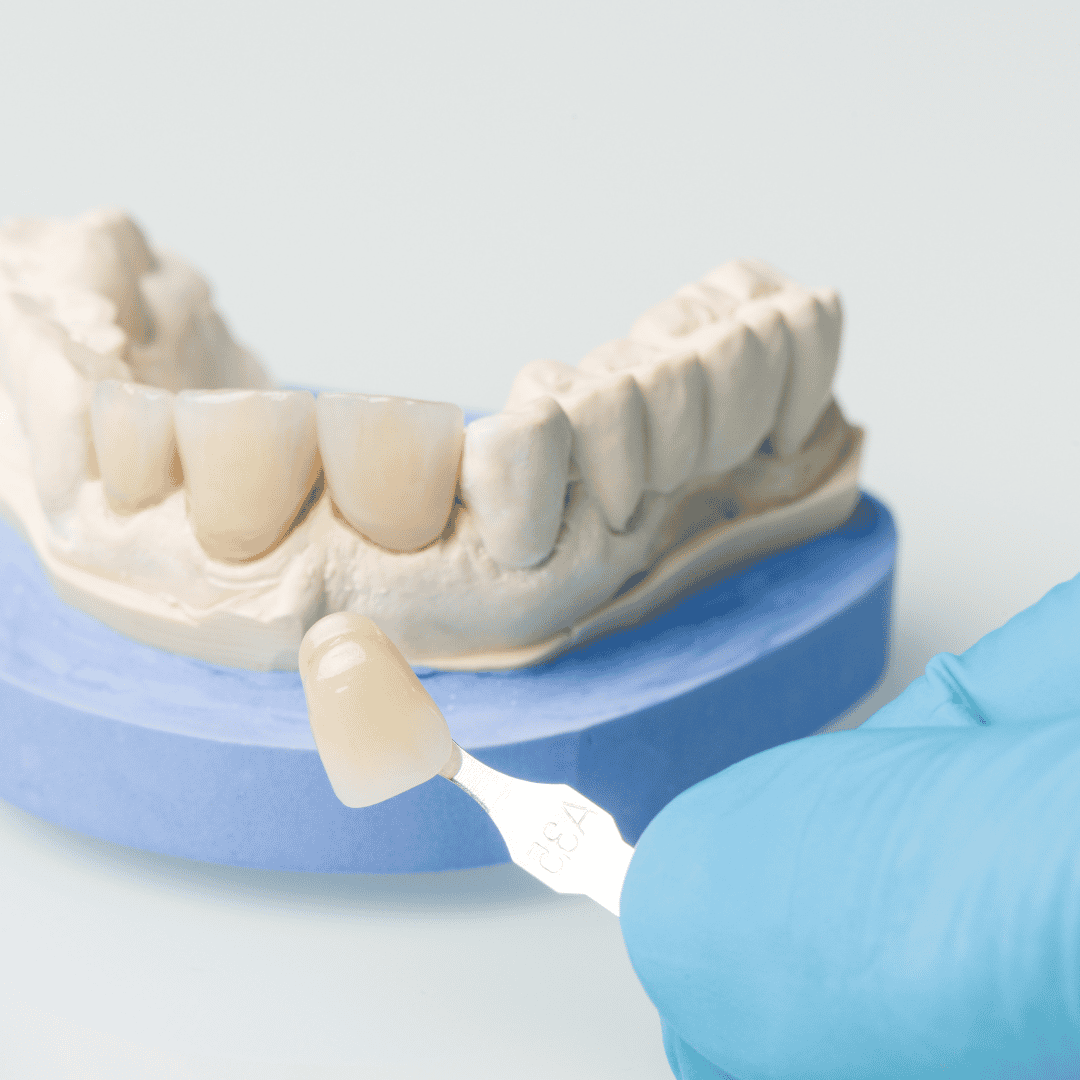
A dental crown is a custom-fabricated prosthetic cap that completely encases a damaged tooth. By covering the entire visible portion of the tooth above the gum line, it restores the tooth's original shape, size, strength, and aesthetic appearance. Dentists rely on crowns when a tooth is too compromised to be repaired with a simple filling or an inlay.
Biologically, a tooth that has suffered extensive decay loses its structural integrity. When you chew, the biting forces can cause a weakened tooth to fracture, potentially exposing the sensitive nerve pulp. A crown acts as a protective helmet, distributing chewing forces evenly across the remaining tooth structure and the surrounding jawbone.
Your doctor may recommend dental crowns in Cancun, Mexico if you present with specific clinical indicators. These typically include teeth that have undergone root canal therapy, as these teeth become brittle over time. Crowns are also the standard treatment for anchoring a dental bridge or finishing a dental implant.
Materials Used for Dental Crowns in Cancun Clinics
Choosing the right material is critical for both the longevity and aesthetics of your restoration. Modern clinics offer a variety of materials, each suited for different positions in the mouth and different bite forces. The material you select directly impacts both the durability and the aesthetic outcome of your dental crowns in Cancun, Mexico.
Zirconia is currently one of the most requested materials. It is a highly durable ceramic that can withstand the intense biting pressure of back molars. E.max (Lithium Disilicate) is another popular all-ceramic option, prized for its translucency, making it an excellent choice for highly visible front teeth. Porcelain-fused-to-metal (PFM) remains a traditional option, offering a strong metal base covered by tooth-colored porcelain.
| Crown Material | Best Used For | Durability | Aesthetic Quality |
|---|---|---|---|
| Full Monolithic Zirconia | Back molars, heavy grinders | Extremely High | Good (Opaque) |
| E.max (Lithium Disilicate) | Front teeth, visible smile line | Moderate to High | Excellent (Translucent) |
| Porcelain-Fused-to-Metal (PFM) | Bridges, general restoration | High | Moderate (Metal edge may show) |
| Gold / Base Metal Alloys | Out-of-sight back molars | Highest | Low (Metallic color) |
Discuss your history of bruxism (teeth grinding) with your prosthodontist, as heavy grinders typically require monolithic zirconia to prevent the restoration from chipping over time.
Financial Guide to the Cost of Dental Crowns in Cancun, Mexico
Cost is the primary catalyst for patients seeking restorative dentistry abroad. Understanding the cost of dental crowns in Cancun, Mexico requires looking beyond the base price and considering the overall value, material quality, and necessary supplementary treatments. While the prices are significantly lower, the quality of imported materials like German zirconia or Swiss porcelain remains identical to what you would receive at home.
The lower prices are a result of differing economic structures. Overhead costs, commercial real estate leases, administrative wages, and malpractice insurance premiums are fundamentally lower in Mexico. These operational savings are passed directly to the patient. However, prices vary depending on the material chosen, the clinic's location within the hotel zone versus downtown, and the expertise of the specific specialist.
| Crown Material Type | Estimated Cost in US/Canada | Estimated Cost in Cancun, Mexico |
|---|---|---|
| Porcelain-Fused-to-Metal (PFM) | $1,000 - $1,500 | $350 - $450 |
| E.max (All-Ceramic) | $1,200 - $1,800 | $400 - $550 |
| Full Zirconia | $1,500 - $2,500 | $450 - $600 |
It is important to remember that these estimates typically cover only the crown itself. You must also budget for initial consultations, panoramic X-rays, CBCT scans, temporary crowns, and potential root canals if the tooth decay is deep. Always request a comprehensive, itemized treatment plan in writing before traveling.
Essential Steps to Choosing the Right Dental Clinic in Cancun
Your safety and the longevity of your dental crowns depend heavily on the facility you choose. Not all clinics maintain the same clinical standards. When evaluating where to get dental crowns in Cancun, Mexico, you must look past attractive websites and focus on verifiable regulatory compliance and sanitary standards.
The most important regulatory body to look for is COFEPRIS (Comisión Federal para la Protección contra Riesgos Sanitarios). This is the Mexican federal health authority responsible for inspecting clinics, regulating sanitary protocols, and ensuring medical devices are sterilized correctly. A reputable clinic will proudly display its active COFEPRIS license number.
Furthermore, evaluate the clinic's technological infrastructure. Clinics specializing in international patients usually feature in-house digital imaging (CBCT scanners) and CAD/CAM milling machines. Having an on-site laboratory is a massive advantage; it drastically reduces the wait time for your permanent crowns and allows for immediate shade and fit adjustments.
Signs of a High-Quality Clinic
- Active COFEPRIS sanitary registration.
- On-site dental laboratory for rapid adjustments.
- Transparent, itemized pricing quotes in USD.
- Sterilization protocols meeting international guidelines.
Red Flags to Avoid
- Refusal to provide the dentist's license number.
- Pressure to pay entirely in cash upfront.
- No in-house panoramic X-ray capabilities.
- Unrealistic promises of "guaranteed" permanent results.
Vetting Your Dentist and Prosthodontist in Mexico
The skill of your treating dentist is the single most critical factor in a successful outcome. Placing a crown requires precise tooth preparation to ensure the restoration sits flush against the gum line without creating traps for bacteria. When vetting specialists for dental crowns in Cancun, Mexico, you must verify their national credentials.
In Mexico, every practicing physician and dentist must hold a Cédula Profesional. This is a federal medical license issued by the Secretaría de Educación Pública (SEP). You can legally ask for this number and verify it through the official government registry online. This guarantees the dentist has completed an accredited dental surgery degree.
If you require complex bite reconstruction or multiple crowns, you should ideally seek out a Prosthodontist. This is a dentist who has completed additional years of specialized postgraduate training in restorative dentistry. Look for specialists who maintain active memberships with the Asociación Dental Mexicana (ADM) or international organizations like the American College of Prosthodontists.
The Step-by-Step Treatment Process in Cancun
Understanding the logistical timeline helps you plan your travel accurately. Unlike a local dentist where you might wait weeks between appointments, the timeline for dental crowns in Cancun, Mexico is highly compressed to accommodate travel schedules. However, biology cannot be rushed, and proper laboratory fabrication takes time.
Most standard crown procedures require two primary clinical visits spread across a few days. During this waiting period, you will wear a temporary acrylic crown to protect the prepared tooth and prevent sensitivity. If the clinic utilizes CEREC or CAD/CAM milling, you may be eligible for same-day crowns, though this depends on the material chosen and the tooth's location.
| Timeline | Clinical Procedure | Patient Experience |
|---|---|---|
| Day 1: Consultation & Prep | X-rays, examination, local anesthesia, tooth shaving, digital impressions. | Numbness for a few hours. Temporary crown placed. Mild sensitivity may occur as anesthesia wears off. |
| Days 2-4: Lab Fabrication | The dental laboratory designs and mills the permanent crown from the chosen ceramic block. | Patient rests at hotel. Must chew carefully on the opposite side to avoid dislodging the temporary crown. |
| Day 5: Final Placement | Temporary removed. Permanent crown fitted, bite adjusted, and permanently cemented. | Immediate restoration of bite function. The tooth may feel slightly bulky for the first 24 hours. |
Always plan to stay at least one additional day after the final placement. This buffer allows you to return to the clinic for minor bite adjustments if the crown feels high when chewing naturally.
Advanced Dental Technology Used in Cancun Clinics
The integration of digital dentistry has transformed the patient experience. The top facilities providing dental crowns in Cancun, Mexico invest heavily in modern technology to minimize human error and increase the precision of the restoration's fit. Traditional gooey impression trays are largely a thing of the past in high-tier clinics.
Intraoral digital scanners capture highly accurate 3D topographies of your prepared tooth in seconds. This digital file is sent directly to CAD (Computer-Aided Design) software, where the technician virtually designs your crown to match your natural bite. This eliminates the dimensional shrinkage that often occurs with physical impression materials.
Additionally, 3D CBCT (Cone Beam Computed Tomography) scanners allow the dentist to view the roots of the tooth and surrounding bone structure in three dimensions. This technology is vital for identifying hidden infections beneath old crowns that standard 2D X-rays might miss, ensuring the foundation is healthy before placing a new restoration.
Preparing for Your Medical Travel to Cancun
Thorough preparation minimizes travel stress and ensures your clinical team has everything they need for a successful consultation. Before you board your flight for dental crowns in Cancun, Mexico, you need to gather your local medical records and finalize your logistical arrangements. Planning ahead protects your investment and your health.
First, obtain your recent panoramic X-rays or bitewing scans from your local dentist. Emailing these to the international clinic beforehand allows the specialist to provide a more accurate preliminary quote. Understand that this quote may change upon physical examination, but it establishes a baseline.
When booking accommodations, look for hotels situated in the "Zona Hotelera" or downtown areas close to the clinic. Many clinics offer complimentary shuttle services from your hotel to your appointments. Discuss these logistical perks with your patient coordinator during the booking phase.
Medical Risks, Complications, and Safety Protocols
Every medical and dental procedure carries inherent risks, and it is crucial to maintain realistic expectations. While receiving dental crowns in Cancun, Mexico is generally safe, complications can arise regardless of where the treatment is performed. Being aware of these risks allows you to identify early warning signs and seek prompt intervention.
The most common risk is pulpitis, an inflammation of the dental nerve caused by the trauma of drilling the tooth. In some cases, the nerve may not recover, necessitating a root canal after the crown is placed. Another risk is an improper bite alignment; if a crown sits too high, it can cause severe jaw pain, headaches, or even fracture the opposing tooth.
| Potential Complication | Clinical Cause | Prevention Strategy |
|---|---|---|
| Irreversible Pulpitis | Nerve trauma from deep decay removal or drilling friction. | Dentist uses copious water cooling during drilling; pre-treatment X-ray assessment. |
| Poor Margin Fit | Inaccurate impressions causing a gap between crown and gum. | Use of highly accurate 3D intraoral digital scanners instead of physical putty. |
| Bite Malocclusion | Crown modeled slightly too high for the natural bite path. | Using articulating paper during final placement and staying an extra day for follow-up adjustments. |
To mitigate these risks, discuss the clinic’s revision and guarantee policy. Reputable clinics typically offer a warranty on the structural integrity of the crown for several years, provided you adhere to recommended hygiene practices and wear a night guard if prescribed.
Recovery and Aftercare Guidelines for Dental Restorations
Proper aftercare is essential to ensure the longevity of your new restorations. The recovery process after receiving dental crowns in Cancun, Mexico is usually straightforward, but the biological adjustment period requires patience. The soft tissues surrounding the treated tooth need time to heal from the mechanical disruption.
In the immediate hours after the final cementation, avoid eating until the local anesthesia has completely worn off. This prevents accidental biting of your tongue or cheek. You may experience temperature sensitivity to hot and cold liquids for a few days to a few weeks. This is a normal physiological response as the nerve settles down.
Long-term maintenance dictates how long your crowns will last. A crown cannot decay, but the natural tooth structure beneath it and the surrounding gums absolutely can. You must brush twice daily, floss meticulously around the margins of the crown, and attend bi-annual professional cleanings back in your home country.
Comparing Dental Crowns to Alternative Treatments
Depending on your specific diagnosis, a full crown might not be the only viable solution. When you consult with a specialist regarding dental crowns in Cancun, Mexico, they will evaluate the remaining structural integrity of the tooth. It is helpful to understand the alternatives so you can make an informed decision regarding tissue conservation.
If the damage is purely cosmetic or limited to the front surface of the tooth, dental veneers may be a more conservative option. Veneers require far less enamel removal than full crowns but are not suitable for teeth with heavy decay or those enduring high chewing forces. For back teeth with moderate damage, an inlay or onlay might suffice.
Conversely, if a tooth is fractured below the gum line or suffers from severe periodontal disease, it may not be salvageable. In these cases, the doctor may recommend extracting the tooth and replacing it with a titanium dental implant and an implant-supported crown. Always ask your dentist to explain why a crown is chosen over these alternatives for your specific clinical presentation.
Navigating Cancun as an International Patient
Traveling to a foreign country for medical reasons requires situational awareness. Cancun is a major international hub, making it highly accessible with direct flights from most major North American cities. However, balancing your recovery with the logistics of being a tourist requires careful planning.
Language barriers are a common concern, but the vast majority of clinics targeting international dental tourists employ fully bilingual staff. The doctors, patient coordinators, and surgical assistants typically speak fluent English, ensuring clear communication regarding your medical consent and post-operative instructions.
While recovering from dental crowns in Cancun, Mexico, it is generally safe to enjoy the resort amenities, but you must follow specific clinical restrictions. Avoid swimming in public pools or the ocean while you have temporary crowns, as unexpected water pressure or impacts can dislodge them. Stick to soft foods like pasta, fish, and smoothies, and avoid tough, chewy local delicacies until your permanent restorations are securely cemented.
Frequently Asked Questions
Is it safe to get dental crowns in Cancun, Mexico?
Yes, treatment can be highly safe when performed by certified professionals. You must ensure the clinic is licensed by COFEPRIS and that your dentist holds a valid Cédula Profesional (medical license). Following standard hygiene and sterilization protocols minimizes clinical risks significantly.
How long does the entire crown process take?
Most patients require a stay of 5 to 7 days. This allows time for the initial preparation, laboratory fabrication of the permanent crown, the final fitting, and an extra day for any necessary minor bite adjustments before flying home.
Can I get same-day crowns in Cancun?
In many cases, yes. Clinics equipped with CAD/CAM technology and CEREC milling machines can fabricate ceramic crowns in a single visit. However, if you require specialized lab-made Zirconia or PFM crowns, the standard multi-day lab process is required.
Do Cancun dentists use the same materials as US dentists?
Yes, reputable clinics use globally recognized, FDA-approved dental materials from leading international brands. Common materials include Ivoclar Vivadent (E.max) and German-manufactured Zirconia blocks, ensuring equivalent durability and aesthetic quality.
What happens if my crown breaks after I return home?
High-quality clinics provide written warranties on laboratory work, often covering replacements for 1 to 5 years. However, you will likely need to travel back to the clinic in Mexico to claim the warranty and have the replacement performed.
Will my home dental insurance cover work done in Mexico?
Some US and Canadian dental insurance plans do offer out-of-network reimbursement for cross-border care. You must contact your provider prior to travel to confirm coverage requirements and ensure the clinic provides the necessary itemized billing codes.
Does getting a crown hurt?
The procedure itself is performed under local anesthesia, so you should not feel sharp pain. Post-procedure, it is common to experience mild gum tenderness and temperature sensitivity for a few days, which is usually manageable with over-the-counter pain relievers.
How do I communicate if I don't speak Spanish?
Clinics dedicated to dental tourism employ highly fluent English-speaking dentists and patient coordinators. Communication barriers are extremely rare in these specialized facilities, ensuring you fully understand your treatment plan.
Should I choose Zirconia or Porcelain crowns?
Your dentist will recommend a material based on the tooth's location. Zirconia is generally better for back molars due to its immense bite strength, while porcelain or E.max provides superior translucency and aesthetics for visible front teeth.
Can I combine a family vacation with my dental treatment?
Yes, many patients blend recovery with a vacation. However, you must prioritize your clinical appointments and rest. Avoid strenuous physical activities, ocean swimming, and eating hard foods while wearing your temporary crowns.
Ready to Plan Your Dental Journey?
PlacidWay can help you compare top-rated clinics, understand treatment costs, verify specialist credentials, and seamlessly plan your trip for dental care abroad.
Request Free Clinic InformationDisclaimer: This information is for educational purposes only and does not replace professional medical advice. Always consult a qualified healthcare provider before making medical decisions.
References
- Oral Health Overview – World Health Organization (WHO)
- Medical Tourism Travel Health Guidelines – Centers for Disease Control and Prevention (CDC)
- Federal Commission for the Protection against Sanitary Risk – COFEPRIS Mexico
- Standards and Continuing Education – Asociación Dental Mexicana (ADM)
- Clinical Evaluation of Zirconia and Ceramic Restorations – The Journal of the American Dental Association (JADA)
- National Registry of Medical Professionals – Secretaría de Educación Pública (SEP)
























Share this listing