
If you are struggling to conceive, exploring in vitro fertilization (IVF) or egg freezing abroad can offer renewed hope and high-quality care without the extreme financial burden found at home. Many couples pursuing affordable IVF abroad choose fertility treatment in Bogota, Colombia because the city combines advanced reproductive technology with savings of up to 60%, allowing you to focus on your future family rather than stressing over medical bills. When selecting a provider, you must verify that they hold active certifications from the local Secretaría Distrital de Salud and the Latin American Network of Assisted Reproduction (RedLARA) to guarantee your safety and clinical quality.
Quick Summary: What You Need to Know
- Estimated Cost: Typically ranges from $3,500 to $6,500 USD per IVF cycle, significantly lower than North American averages.
- Ideal Candidate: Individuals or couples facing tubal factor infertility, male factor infertility, or unexplained infertility who are medically cleared to travel.
- Expected Recovery: Physical recovery from egg retrieval takes 1 to 3 days, while the entire treatment timeline requires staying in Bogota for 14 to 21 days.
- Why Patients Choose Bogota: Access to state-of-the-art reproductive technology, personalized bilingual care, and affordable treatment without long waitlists.
- Key Certifications to Verify: Always look for clinics approved by the Secretaría Distrital de Salud and accredited by RedLARA (Latin American Network of Assisted Reproduction).
- Important Caution: Fertility treatment success is never guaranteed; outcomes depend heavily on maternal age, egg quality, and specific medical diagnoses.
Understanding Fertility Treatment in Bogota, Colombia
Dealing with infertility can take an immense emotional toll, and facing high treatment costs at home only adds to the stress. Traveling for reproductive care allows you to bypass financial barriers while receiving compassionate, top-tier medical attention. Fertility treatment in Bogota, Colombia offers a unique blend of highly regulated clinical environments and deeply empathetic patient care.
Many international patients report feeling more supported in Latin American clinics, where doctors typically spend more time answering questions and discussing concerns. The primary reasons patients travel to this destination include:
- Cost savings of 50% to 60% on complete IVF cycles compared to the United States and Canada.
- Access to strict, internationally aligned clinical protocols governed by RedLARA.
- Availability of immediate treatment with no restrictive public healthcare wait times.
- Highly skilled, board-certified reproductive endocrinologists who often train in the US or Europe.
- Inclusive legal frameworks that permit treatment for various family structures, depending on clinic policy.
Patient Demographics Traveling to Bogota, Colombia
The landscape of cross-border reproductive care has grown significantly. Between 2024 and 2026, data indicates a steady increase in international patients seeking specialized reproductive procedures in Latin America. The majority of these patients originate from the United States, Canada, and the Caribbean.
Patients typically travel after experiencing multiple failed intrauterine insemination (IUI) attempts at home or when priced out of IVF services in their local healthcare systems. Understanding these demographic trends helps highlight the growing trust in Colombian medical standards.
Documented Inbound Fertility Patient Age Demographics (LATAM Region, 2024-2025 Data)
Data reflects general trends of outbound fertility patients traveling to accredited Latin American centers based on 2024-2025 industry registry reports.
Common Types of Fertility Treatment in Bogota, Colombia
Modern reproductive clinics provide a comprehensive suite of assisted reproductive technologies (ART). Depending on your initial diagnostic workup, your specialist will tailor a specific protocol for your needs. The goal is always to maximize your chances of a healthy pregnancy using the least invasive effective method.
Below is a detailed breakdown of the primary reproductive procedures you can access in this destination.
| Procedure Name | Best Suited For | Clinical Description |
|---|---|---|
| In Vitro Fertilization (IVF) | Blocked fallopian tubes, severe endometriosis, or age-related infertility. | Eggs are retrieved and fertilized with sperm in a laboratory. Resulting embryos are transferred to the uterus. |
| Intracytoplasmic Sperm Injection (ICSI) | Male factor infertility (low motility or low sperm count). | A single healthy sperm is isolated and injected directly into the center of the mature egg to facilitate fertilization. |
| Egg Freezing (Oocyte Cryopreservation) | Women wanting to preserve fertility for future family planning or medical reasons. | Ovaries are stimulated to produce multiple eggs, which are retrieved and rapidly frozen using vitrification. |
| Preimplantation Genetic Testing (PGT) | Patients with a history of recurrent miscarriage or known genetic disorders. | Embryos are biopsied and tested for chromosomal abnormalities before being transferred. |
The Biological Process of Fertility Treatment
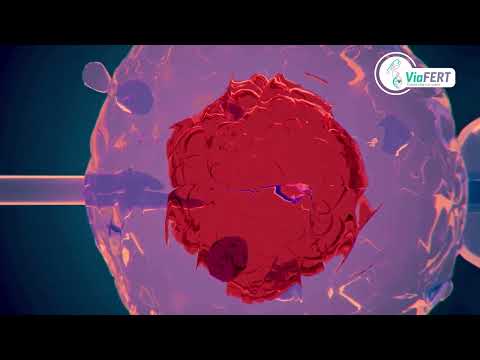
To fully understand what your body will experience, it helps to break down the biological mechanics of a standard IVF cycle. Fertility treatment involves carefully manipulating your natural menstrual cycle using synthetic hormones. These medications stimulate the ovaries to mature multiple follicles simultaneously, rather than the single egg normally released each month.
Once the follicles reach optimal size, a trigger shot of hCG induces final maturation. Egg retrieval is then performed under light sedation. After fertilization in the lab, embryos develop for 3 to 5 days. Your doctor will monitor the cellular division closely to select the most robust embryo for transfer into your uterine lining.
Cost of Fertility Treatment in Bogota, Colombia vs. North America
Financial transparency is one of the most critical factors for patients traveling abroad for healthcare. The cost of fertility treatment in Bogota, Colombia offers substantial relief for couples who cannot afford multiple cycles in their home countries. Pricing in Colombia is lower due to lower administrative costs, standardized pharmaceutical pricing, and a more favorable exchange rate, rather than any reduction in clinical quality.
It is important to remember that advertised prices often cover the base procedure but may not include hormonal medications, which can add $1,000 to $2,500 USD depending on your protocol. Always ask clinics for a fully itemized written quote.
| Treatment Type | Estimated Cost in US / Canada | Estimated Cost in Bogota, Colombia |
|---|---|---|
| Standard IVF Cycle (Excluding Meds) | $12,000 - $15,000+ | $3,500 - $5,500 |
| IVF with ICSI | $14,000 - $18,000+ | $4,500 - $6,500 |
| Egg Freezing (One Cycle) | $8,000 - $12,000+ | $2,500 - $4,000 |
| Embryo Freezing & Storage (Annual) | $600 - $1,200 | $300 - $500 |
Clinical Success Rates for Fertility Treatment in Bogota, Colombia
When researching clinical outcomes, you must understand that success rates are highly individualized. No ethical clinic will promise a 100% guarantee of a live birth. However, top-tier centers performing fertility treatment in Bogota, Colombia report outcomes that align closely with international standards set by North American and European reproductive societies.
Success typically decreases as maternal age increases, primarily due to a natural decline in chromosomal integrity within the eggs. Utilizing preimplantation genetic testing (PGT-A) can improve implantation rates by ensuring only euploid (chromosomally normal) embryos are transferred.
Cross-Border Patient Volume Growth for LATAM Fertility Procedures (2024-2026 Projection)
Visual represents percentage growth of medical tourists pursuing fertility care in regulated LATAM markets from 2024 baseline. Verified regional industry data trends.
Choosing Hospitals for Fertility Treatment in Bogota, Colombia
Your safety and the viability of your embryos depend entirely on the quality of the laboratory and the clinical environment. Not all clinics hold the same standards. When assessing providers for fertility treatment in Bogota, Colombia, prioritize government licensure and specialized national accreditations over marketing claims.
A reputable fertility center should be fully transparent about its licensing and lab protocols. Use the following checklist to evaluate potential clinics before making a financial deposit or sharing sensitive medical records.
Must-Have Credentials
- License from the Ministerio de Salud y Protección Social.
- Local health clearance by the Secretaría Distrital de Salud de Bogotá.
- Accreditation from RedLARA, which audits laboratory safety and embryology protocols in Latin America.
Trust Signals to Look For
- In-house embryology lab with advanced HEPA air filtration.
- Electronic witnessing systems to prevent sample mix-ups.
- Dedicated bilingual patient coordinators available for 24/7 medical support during stimulation.
Choosing a Specialist for Fertility Treatment in Bogota, Colombia
The expertise of your reproductive endocrinologist directly impacts your medication protocol and retrieval success. You want to ensure your doctor has specific, documented training in assisted reproduction, not just general gynecology. In Colombia, medical professionals undergo rigorous academic and clinical training.
During your initial virtual consultation, ask the doctor about their specific experience treating patients with your exact diagnosis. Do not hesitate to request their license numbers to verify their standing with national medical councils.
Regulatory Framework for Fertility Treatment in Bogota, Colombia
Medical tourism requires a clear understanding of the host country's health regulations. Colombia has a structured healthcare system overseen by the national Ministry of Health. Pharmaceuticals, including the sensitive hormone medications used in IVF, are strictly regulated by INVIMA (National Food and Drug Surveillance Institute), which serves a similar function to the FDA in the United States.
This strict oversight ensures that the medications used during your cycle are safe, authentic, and stored at correct temperatures. Furthermore, national guidelines dictate ethical practices in gamete handling, embryo storage, and patient privacy, ensuring your genetic material is legally protected while stored in Colombia.
Diagnostic Testing Before Fertility Treatment in Bogota, Colombia
Proper diagnosis dictates the success of your protocol. Before you travel, your Colombian specialist will require a comprehensive panel of blood tests and imaging. Performing these tests at your local lab and sharing the results securely saves you weeks of time and allows the clinic to finalize your medication protocol before you board a plane.
Commonly required tests for female patients include Anti-Müllerian Hormone (AMH) levels, day-3 FSH and Estradiol, thyroid function (TSH), and a transvaginal ultrasound to check resting follicle count. Male partners will typically need an extensive semen analysis detailing morphology, motility, and count within the last three to six months.
Timeline and Travel Planning for Fertility Treatment in Bogota, Colombia
An IVF cycle requires a significant time commitment. You must plan your travel carefully around your menstrual cycle. Most clinics recommend arriving a few days before your baseline ultrasound to settle in and manage any travel fatigue.
Below is a general timeline for a standard fresh IVF cycle. Your actual schedule may vary based on your body's response to the stimulation medications.
| Timeframe | Clinical Process | Action Required |
|---|---|---|
| Days 1-3 of Cycle | Baseline ultrasound and bloodwork. | Arrive in Bogota. Attend first clinic appointment. |
| Days 3-12 | Ovarian stimulation using daily injectable hormones. | Administer injections; attend clinic every 2-3 days for monitoring. |
| Day 12-14 | Egg retrieval under sedation. Sperm collection. | Rest at your hotel for 24-48 hours. |
| Day 17-19 | Embryo transfer (Day 3 or Day 5 blastocyst). | Attend transfer appointment. Rest before flying home. |
Risks and Complications of Fertility Treatment
While IVF is widely considered safe, it remains an intensive medical procedure carrying inherent risks. Transparency regarding complications is a hallmark of excellent medical care. You must understand these possibilities before beginning hormonal stimulation.
The most common clinical risk is Ovarian Hyperstimulation Syndrome (OHSS), a condition where the ovaries swell and leak fluid into the body. Mild OHSS causes bloating and discomfort, while severe OHSS requires emergency medical intervention. Ask your clinic in Bogota about their specific protocols for monitoring and preventing OHSS during your stimulation phase.
Other risks include ectopic pregnancy, multiple gestations (if more than one embryo is transferred), and minor surgical complications during egg retrieval, such as bleeding or pelvic infection. A licensed clinic will have immediate access to emergency hospital care should severe complications arise.
Mental and Emotional Preparation for Fertility Treatment
The psychological impact of infertility is profound, and traveling abroad for treatment can compound feelings of anxiety. Navigating unfamiliar environments, managing a language barrier, and dealing with intense hormone fluctuations require solid emotional preparation. You are essentially combining a major medical event with international travel.
To protect your mental health, communicate openly with your partner and establish boundaries with family and friends regarding updates. Many patients find it beneficial to work with an infertility counselor virtually while going through the process. Ensure your chosen clinic provides clear, empathetic communication so you never feel isolated during your stay.
Post-Treatment Care After Fertility Treatment in Bogota, Colombia
The two-week wait between the embryo transfer and your official pregnancy blood test is notoriously stressful. Following your embryo transfer, your specialist will provide specific instructions regarding activity levels and continuing progesterone support. You can typically fly home within 24 to 48 hours after the transfer, as air travel has not been shown to impact implantation.
Once home, you will transition your care back to your local obstetrician or reproductive endocrinologist. It is vital that you leave the clinic with a complete, translated copy of your medical records, embryology reports, and medication protocols in case you need local medical assistance.
Frequently Asked Questions About Fertility Treatment in Bogota, Colombia
Is fertility treatment in Bogota, Colombia safe for international patients?
Yes, when performed at a licensed facility. Clinics certified by the Ministry of Health and RedLARA adhere to strict safety and hygiene protocols. Always verify your specialist's board certifications before traveling.
How long do I need to stay in Colombia for an IVF cycle?
You typically need to stay in Bogota for 14 to 21 days. This covers your baseline ultrasound, the entire stimulation phase, the egg retrieval procedure, and the subsequent embryo transfer.
Will the clinic staff speak English?
Most top-tier clinics catering to medical tourists employ bilingual doctors and dedicated English-speaking patient coordinators to assist you with medical instructions and appointments.
Can I use donor eggs or donor sperm in Colombia?
Yes, third-party reproduction using donor eggs or sperm is legally permitted and widely practiced in Colombian fertility centers, often with diverse and well-screened donor pools available.
Does the cost of IVF in Bogota include my medications?
Usually, no. Advertised IVF package prices typically cover clinic fees, lab work, and medical procedures. Hormonal stimulation medications are usually billed separately and can add $1,000 to $2,500 USD to your total cost.
What happens to my embryos if I don't use them all?
High-quality surplus embryos can be cryopreserved (frozen) via vitrification and stored safely at the clinic in Bogota for future use. You will typically pay a yearly storage fee.
Can I fly home immediately after the embryo transfer?
Doctors generally recommend resting for 24 to 48 hours after the transfer before boarding an international flight. Flying does not decrease your chances of implantation, but resting helps manage stress.
What is PGT-A testing and is it available?
Preimplantation Genetic Testing for Aneuploidy (PGT-A) checks embryos for chromosomal abnormalities before transfer. It is widely available at accredited Colombian clinics and may improve success rates for older patients.
Do I need a special visa for medical treatment in Colombia?
Citizens of the US, Canada, the UK, and most EU countries do not need a visa for stays under 90 days, which is more than enough time to complete an IVF cycle.
How do I know if I am a good candidate for IVF abroad?
You are typically a good candidate if you have unexplained infertility, tubal blockages, or male factor issues, and your primary doctor has cleared you for travel. A virtual consultation with a Colombian specialist will confirm your eligibility.
Get Help Planning Your Fertility Treatment in Bogota, Colombia
Navigating international healthcare choices doesn't have to be confusing. PlacidWay can help you compare certified clinics, understand treatment costs, review doctor credentials, and request detailed quotes so you can focus on what matters most—your future family.
Request Free Information TodayDisclaimer: This information is for educational purposes only and does not replace professional medical advice. Always consult a qualified healthcare provider before making medical decisions.
References
- Infertility Fact Sheet – World Health Organization (WHO)
- Patient Resources on Assisted Reproductive Technology – American Society for Reproductive Medicine (ASRM)
- Latin American Registry of Assisted Reproduction – Red Latinoamericana de Reproducción Asistida (RedLARA)
- Assisted Reproductive Technology (ART) Data – Centers for Disease Control and Prevention (CDC)
- National Healthcare Standards and Regulations – Ministerio de Salud y Protección Social de Colombia
- Pharmaceutical and Device Regulation – Instituto Nacional de Vigilancia de Medicamentos y Alimentos (INVIMA)
- Treating Infertility Patient Guidelines – American College of Obstetricians and Gynecologists (ACOG)























Share this listing