


Navigating the complexities of infertility requires access to sophisticated medical interventions and specialized clinical care. Pursuing comprehensive assisted reproduction treatments in Mexico provides prospective parents with world-class medical infrastructure at significantly more accessible price points. Fertility clinics located in specialized medical hubs offer an extensive array of evidence-based interventions tailored to unique reproductive challenges.
Modern reproductive endocrinology utilizes a tiered approach to family building. Medical professionals evaluate ovarian reserve, seminal parameters, and uterine anatomy to design highly individualized treatment protocols. By leveraging advanced laboratory techniques and contemporary surgical methods, international patients achieve exceptional clinical pregnancy rates.
Understanding the specific mechanisms of different fertility therapies empowers patients to make informed healthcare decisions. From foundational ovulation tracking to intricate embryological micro-manipulation, the spectrum of available treatments addresses both male and female factor infertility. Exploring these medical pathways provides renewed pathways for individuals striving to achieve a successful, healthy pregnancy.
Video Chapters & Quick Navigation
Understanding Programmed Intercourse for Unexplained Infertility
Programmed intercourse represents the foundational tier of clinical assisted reproductive technology [00:07]. This highly monitored approach synchronizes sexual activity precisely with a woman's natural or medically induced ovulation cycle. Medical professionals utilize transvaginal ultrasounds and continuous hormone tracking to pinpoint the exact window of optimal fertility.
Patients who benefit from this conservative method typically present with unexplained infertility or mild ovulatory dysfunction. Fertility specialists routinely prescribe oral medications to stimulate healthy follicle growth and regulate cycle timing. Regular sonographic monitoring ensures the timing of ovulation triggers is exceptionally precise.
Clinical Advantages of Cycle Synchronization
This treatment methodology minimizes invasive medical procedures while systematically increasing the statistical probability of conception. Physicians map the luteal phase meticulously to ensure the uterine lining remains receptive for potential embryo implantation. Patients appreciate this natural-leaning protocol before escalating to higher-tier fertility interventions.
- Cost-Effective Approach: Requires minimal laboratory involvement compared to advanced therapies.
- Low Physical Impact: Avoids the need for surgical egg retrieval or heavy anesthesia.
- Diagnostic Value: Helps clinicians understand a patient's specific hormonal response to stimulation.
Intrauterine Insemination (IUI) Success Rates in Mexico
Intrauterine Insemination procedures in Mexico offer a streamlined, highly efficient fertility solution for many couples facing conception hurdles [00:11]. During this clinical intervention, laboratory-washed and highly concentrated sperm is introduced directly into the superior uterine cavity. This targeted placement actively bypasses the cervical canal, positioning highly motile sperm physically closer to the awaiting fallopian tubes.
This targeted delivery system actively overcomes common fertility barriers such as hostile cervical mucus or mild male factor infertility. Prior to the scheduled procedure, the male partner or designated donor provides a semen sample for the andrology laboratory. The rigorous washing process removes seminal fluid and sluggish sperm, isolating only the most viable reproductive cells.
The Strategic Timing of IUI Protocols
The actual insemination procedure is minimally invasive, requires no anesthesia, and takes only minutes to complete in a standard clinical examination room. Physicians strictly time the insemination to coincide directly with the rupture of the dominant ovarian follicle. Luteal phase support, typically utilizing progesterone supplementation, is often prescribed to encourage successful embryo implantation.
| Patient Profile | Expected Clinical Benefit |
|---|---|
| Unexplained Infertility | Increases overall gamete proximity during peak fertile windows. |
| Mild Male Factor | Concentrates the highest quality motile sperm for direct delivery. |
| Donor Sperm Recipients | Standard protocol for single women or same-sex female couples utilizing cryopreserved vials. |
In Vitro Fertilization (IVF) Procedures and Clinical Protocols
The landscape of global reproductive medicine relies heavily on In Vitro Fertilization procedures as the gold standard for complex infertility cases [00:15]. IVF is a highly sophisticated, multi-step protocol where biological fertilization occurs outside the human body within a specialized embryology laboratory. This comprehensive procedure aggressively addresses severe fertility challenges, including bilateral tubal blockages, diminished ovarian reserve, and severe pelvic endometriosis.
The intensive IVF timeline begins with controlled ovarian hyperstimulation. Fertility specialists prescribe daily injectable gonadotropins to encourage the ovaries to produce a multiple mature egg cohort simultaneously. Once these developing follicles reach targeted dimensions, a surgical outpatient egg retrieval procedure is performed under intravenous twilight sedation.
Laboratory Cultivation and Embryo Transfer Options
Retrieved oocytes are immediately transferred to the adjoining laboratory where they are combined with processed sperm. The resulting embryos are meticulously cultivated in highly advanced incubators that strictly regulate temperature and gas exchange for up to six days. Clinical embryologists continuously monitor cellular division patterns to select the highest quality blastocyst for uterine transfer.
The chosen embryo is delicately loaded into a flexible catheter and placed directly into the patient's prepared uterine lining under ultrasound guidance. Many international patients deliberately seek IVF treatments in Mexico due to the exceptional clinical standards of care. These international clinics offer state-of-the-art laboratory environments combined with highly competitive pricing structures compared to North American healthcare markets.
Intracytoplasmic Sperm Injection (ICSI) for Severe Male Infertility
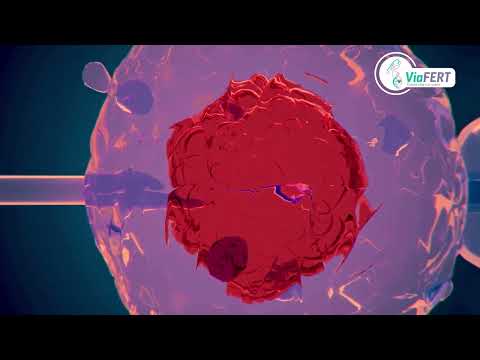
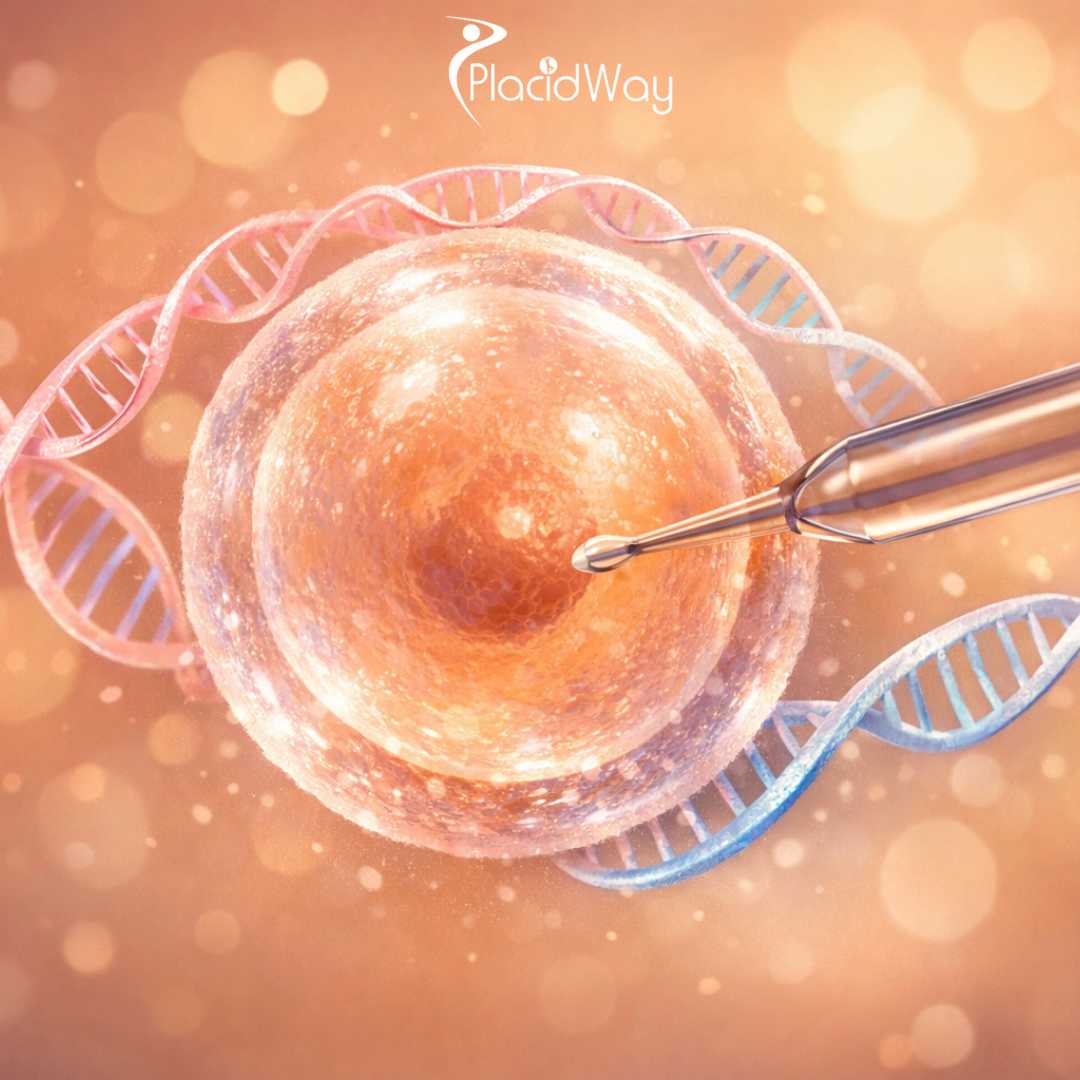
Intracytoplasmic Sperm Injection stands as a revolutionary laboratory breakthrough specifically designed to combat severe male factor infertility [00:19]. While conventional IVF relies on thousands of sperm naturally surrounding and penetrating an egg in a culture dish, the ICSI procedure takes a radically direct microscopic approach. A highly skilled clinical embryologist utilizes advanced micro-manipulation equipment to mechanically inject a single, structurally healthy spermatozoon directly into the inner cytoplasm of a mature egg.
This microscopic precision definitively bypasses the natural biological requirements for sperm binding and outer shell penetration. Medical professionals strongly recommend ICSI protocols for cases involving critically low sperm counts, severely abnormal sperm morphology, or sluggish motility parameters. It serves as the mandatory fertilization protocol following surgical sperm retrieval techniques.
Maximizing Fertilization Success Rates
By guaranteeing that the selected sperm successfully enters the interior of the oocyte, ICSI dramatically improves baseline fertilization rates across all age groups. Advanced fertility clinics frequently utilize specialized high-magnification digital microscopes to select the morphologically perfect sperm just moments prior to injection. This specialized technique has successfully allowed thousands of men with previously untreatable reproductive issues to biologically father healthy children.
Reciprocal IVF and the ROPA Method for Same-Sex Couples
The Reciprocal IVF procedure, internationally recognized as the ROPA method, offers an inclusive family-building pathway for lesbian couples [00:23]. ROPA translates directly to the Reception of Oocytes from the Partner. This beautifully collaborative medical treatment allows both female partners to physically and biologically participate in the creation and gestation of their infant.
During the strategic ROPA process, one partner assumes the role of the biological mother by actively undergoing ovarian stimulation and the subsequent surgical egg retrieval. These retrieved eggs are then fertilized in the clinical laboratory utilizing carefully selected and screened donor sperm. The resulting blastocyst-stage embryo is systematically transferred into the hormonally prepared uterus of the second partner, who carries the pregnancy to term and experiences physiological childbirth.
Legal and Medical Frameworks in Mexico
This concept of shared motherhood intentionally fosters a profound biological, emotional, and physical connection to the child for both mothers simultaneously. Specialized fertility clinics in Mexico are highly sought after for Reciprocal IVF due to their progressive, inclusive healthcare policies. The established legal and medical infrastructure consistently supports LGBTQ+ family building initiatives with paramount dignity, respect, and exceptional clinical outcomes.
Testicular Biopsy and Advanced Surgical Sperm Retrieval
Advanced surgical sperm retrieval techniques provide vital biological solutions for men medically diagnosed with azoospermia [00:26]. Azoospermia is a clinical condition characterized by the absolute absence of measurable sperm in the standard ejaculate. Testicular biopsy options in Mexico allow specialized reproductive urologists to extract viable sperm directly from the internal male reproductive tract.
Specialized surgical techniques such as TESE (Testicular Sperm Extraction) or PESA (Percutaneous Epididymal Sperm Aspiration) are safely performed under local or general anesthesia in clinical operating theaters. During a standard TESE procedure, a microscopic surgical incision is strategically made in the testicle to retrieve tiny amounts of specialized seminal tissue. The adjoining andrology team then rapidly isolates individual, viable sperm cells from this extracted tissue matrix.
Integrating Retrieval with Laboratory Fertilization
These surgically retrieved reproductive cells are exclusively utilized in conjunction with the laboratory ICSI protocol. Because the extracted sperm are inherently immature and present in vastly fewer numbers, direct mechanical injection is strictly necessary to force successful fertilization. This targeted surgical intervention has fundamentally revolutionized modern male fertility treatments, offering direct biological parenthood to men who previously required the use of anonymous sperm donors.
Minimally Invasive Reproductive Surgery Interventions
Achieving a sustained, successful pregnancy frequently requires optimizing the physical uterine environment through specialized reproductive surgery interventions [00:31]. Minimally invasive surgical techniques effectively correct anatomical abnormalities that actively impede embryo implantation or consistently cause recurrent pregnancy loss. Highly trained gynecological surgeons utilize advanced laparoscopic and hysteroscopic equipment to perform these delicate corrective procedures.
Structural conditions such as obstructive uterine fibroids, inflammatory endometrial polyps, dense pelvic adhesions, and severe stage endometriosis are meticulously managed through these targeted interventions. Diagnostic hysteroscopy allows the reproductive surgeon to visually inspect the internal lining of the uterine cavity using a slender, fiber-optic camera. Through this same miniature instrument, they can seamlessly excise polyps or correct congenital septums entirely without exterior abdominal incisions.
Laparoscopic Repair for Fertility Optimization
Laparoscopy involves cautiously inserting a specialized camera port through the navel to assess and surgically treat the outer pelvic organs. This approach proves highly effective for clearing distal tubal blockages or excising painful endometrial lesions from surrounding tissues. By carefully restoring normal pelvic anatomy and creating a hospitable uterine environment, patients invariably experience significantly improved clinical outcomes in their subsequent IVF or IUI treatment cycles.
Gestational Surrogacy Frameworks for International Parents
Exploring regulated Gestational Surrogacy programs in Mexico provides a vital alternative route to parenthood when strict medical contraindications prevent a woman from safely carrying a pregnancy [00:35]. Gestational surrogacy directly involves a thoroughly vetted, healthy carrier who formally agrees to gestate an embryo meticulously created from the intended parents' genetic material or carefully chosen donor gametes. Crucially, the gestational surrogate maintains zero biological or genetic link to the developing child she is carrying.
The international surrogacy journey demands meticulous medical oversight, comprehensive psychological evaluations, and rigorous legal coordination. The intended parents initiate standard IVF protocols to successfully create and freeze high-quality blastocyst embryos. Subsequently, the selected gestational carrier undergoes structured hormonal preparation to perfectly synchronize her uterine lining for the impending embryo transfer.
Navigating Medical Tourism for Surrogacy
Once a healthy, viable pregnancy is clinically confirmed via ultrasound, the surrogate immediately receives comprehensive, ongoing prenatal care throughout the entire gestation period. International intended parents frequently pursue these surrogacy arrangements in Mexico due to newly established, transparent legal frameworks in specific cooperative states. This deeply complex but ultimately rewarding process requires robust legal contracts, ethical medical supervision, and dedicated agency support networks to ensure a completely safe and successful outcome for all involved parties.
Ready to Start Your Family Building Journey?
Connect with top-tier fertility specialists in Mexico today. Discover personalized treatment plans and explore affordable, world-class reproductive healthcare options tailored to your specific medical needs and family goals.
Get Free QuoteView Full Video Transcript
[00:00 - 00:06] Conoce nuestros tratamientos de reproducción asistida:
[00:07 - 00:10] Coito Programado
[00:11 - 00:14] Inseminación Intrauterina (IIU)
[00:15 - 00:18] Fertilización In Vitro (FIV)
[00:19 - 00:22] Inyección intracitoplasmática de espermatozoides (ICSI)
[00:23 - 00:25] Recepción de Ovocitos de la Pareja (ROPA)
[00:26 - 00:30] Recuperación espermática (biopsia testicular)
[00:31 - 00:34] Cirugía Reproductiva
[00:35 - 00:39] Útero Subrogado
[00:40 - 00:49] Visita nuestra página viafert.com o haz una cita con nosotros para conocer todos los servicios que tenemos para ti. ViaFERT Damos vida a tu sueño. Aviso de Publicidad COFEPRIS: 223300202A1750.





.png)


.jpg)









Share this listing