



Top Fertility Clinic in Mexico City with High IVF Success
A comprehensive guide to understanding, planning, and accessing world-class fertility care in Mexico's capital.
Why Choose Mexico City for IVF?
Mexico City has emerged as a premier destination for In Vitro Fertilization (IVF) due to its combination of board-certified reproductive endocrinologists, cutting-edge laboratory technology, and costs that are 50-70% lower than in the United States. With personalized care protocols and minimal wait times, international patients find both high-quality medical outcomes and significant financial savings.
Bridging the Gap to Parenthood
For many couples and individuals struggling with infertility, the journey to parenthood can feel like an uphill battle, often exacerbated by the prohibitive costs of fertility treatments in North America and Europe. As we navigate 2026, medical tourism has become a bridge to hope, with Mexico City standing out as a leader in reproductive medicine.
The best fertility clinics in Mexico City offer more than just affordable IVF; they provide a sanctuary of advanced medical expertise. Whether you are dealing with unexplained infertility, endometriosis, or age-related concerns, the city's clinics are equipped with state-of-the-art technology, such as Preimplantation Genetic Testing (PGT) and Intracytoplasmic Sperm Injection (ICSI). This guide is designed to help you navigate your options, understand the procedure, and make an informed decision about your path to parenthood.
Looking for trusted fertility specialists? Explore and compare the Top IVF Clinics in Mexico City to find experienced doctors, advanced fertility treatments, and personalized care for your parenthood journey.
Quick Facts: IVF in Mexico City
| Cost Savings | Up to 60-70% compared to U.S. national averages. |
| Procedure Duration | Typically requires a 2-3 week stay for stimulation and retrieval. |
| Success Rates | Competitive with international standards, often 45-60% depending on patient age. |
| Expertise | Board-certified Reproductive Endocrinologists and Embryologists. |
| Language Access | Most top clinics have fully bilingual staff (English/Spanish). |
What is IVF? (In Vitro Fertilization in Mexico)
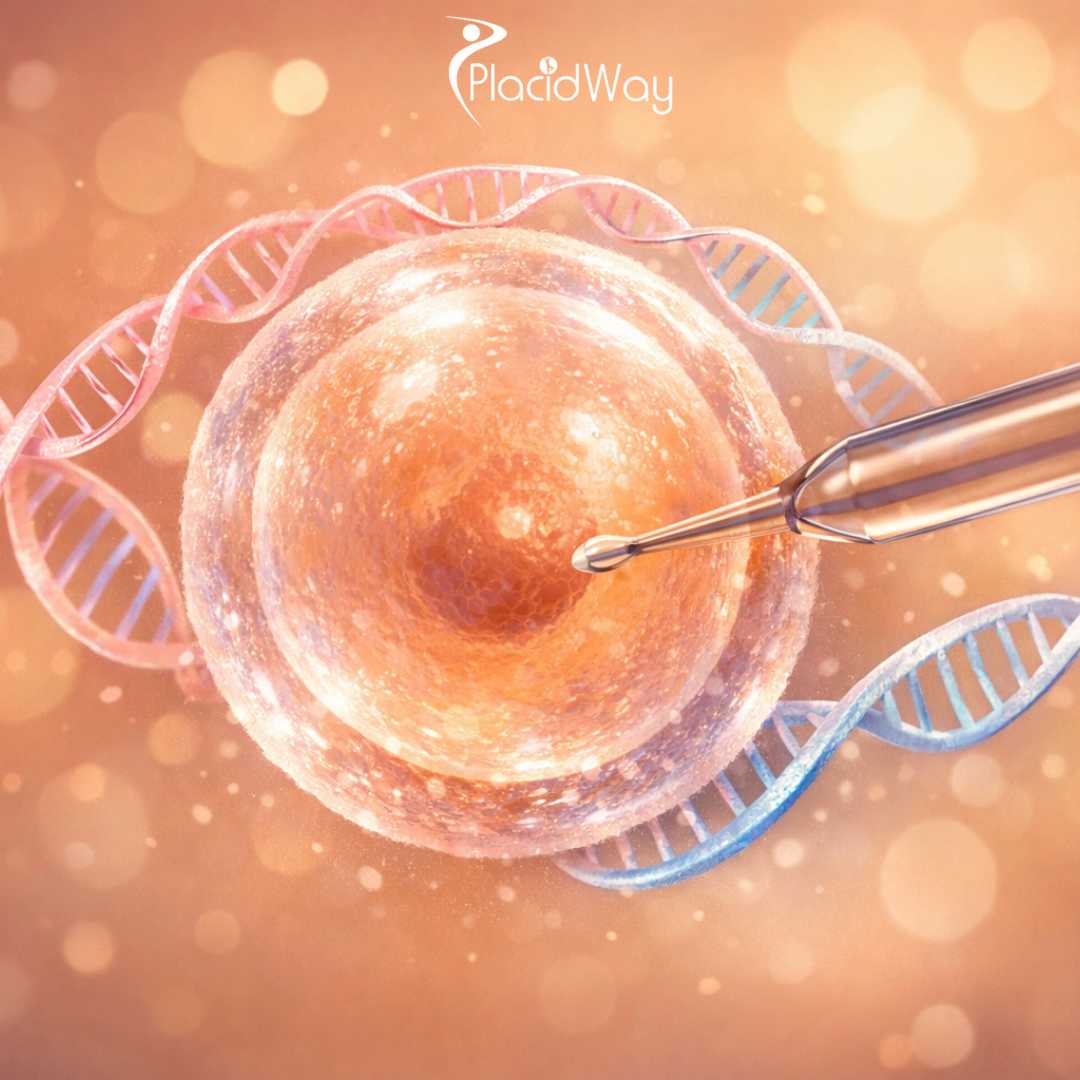
In Vitro Fertilization, commonly known as IVF, is a complex series of procedures used to help with fertility or prevent genetic problems and assist with the conception of a child. During IVF, mature eggs are collected (retrieved) from your ovaries and fertilized by sperm in a specialized laboratory environment. The fertilized egg (embryo) or eggs are then carefully transferred into your uterus. One full cycle of IVF typically takes about two to three weeks, though sometimes these steps are split into different parts and the overall process can take longer.
In Mexico, the IVF process follows the same rigorous international medical protocols used in the United States and Europe. Clinics in Mexico City are equipped with advanced embryology labs that facilitate optimal fertilization and embryo development. The primary difference lies in the accessibility, personalized patient management, and the significantly lower administrative and operational costs that make this life-changing procedure available to a broader range of families.
The Benefits of IVF in Mexico City
Choosing Mexico for fertility treatment offers a unique blend of high-tech medicine and high-touch care that is difficult to replicate in the overburdened healthcare systems of other countries. Below are the primary advantages for international patients:
-
Significant Cost Reduction: Patients can save tens of thousands of dollars, allowing them to easily afford multiple stimulation cycles or cryopreserved embryo transfers if needed.
-
No Long Waiting Lists: Unlike public health systems in countries like Canada or the UK, private clinics in Mexico City can schedule your initial diagnostic and treatment cycles almost immediately.
-
High-End Technology: Top-tier clinics utilize the latest advancements in genetic screening (PGT-A/PGT-M), time-lapse embryo imaging, and specialized physiological sperm selection (PICSI).
-
Personalized Care: The high doctor-to-patient ratio in private Mexican fertility clinics allows for more face-to-face time, detailed daily consultations, and customized hormonal stimulation plans.
-
Combined Treatment and Travel: Mexico City offers a world-class cultural and culinary experience, allowing patients to minimize the stress of the procedure by relaxing in a vibrant, historic setting.
The Cost of IVF in Mexico City
The cost of IVF is a major barrier for many, but in Mexico, it is designed to be transparent and comprehensive. While specific costs vary depending on the patient's medical history, required medications, and the use of additional services like ICSI or PGT-A, the overall expense remains remarkably low.
Price Comparison: IVF in Mexico City vs. USA
| Treatment/Procedure | Estimated Cost (USA) | Estimated Cost (Mexico City) |
|---|---|---|
| Standard IVF Cycle | $12,000 - $18,000 | $4,000 - $7,000 |
| ICSI Procedure | $1,500 - $2,500 | $500 - $1,000 |
| PGT-A (Genetic Screening) | $3,000 - $5,000 | $1,500 - $2,500 |
The Best Candidate for IVF Treatment in Mexico City
Fertility treatment is not "one size fits all." The best candidates for IVF in Mexico are those who are well-informed, medically stable, and ready to navigate a short period of international travel. Ideal candidates generally include:
-
Couples with unexplained infertility who have not found success with simpler methods like IUI.
-
Individuals or couples dealing with tubal factor infertility, severe male factor infertility, or advanced endometriosis.
-
Patients who require preimplantation genetic testing to prevent passing chromosomal or monogenic disorders to their offspring.
-
Individuals who are financially restricted by the exceptionally high costs of local fertility treatments.
-
Patients who have failed previous IVF cycles elsewhere and are looking for a fresh, highly personalized clinical perspective.
The Next Steps If You Plan To Have IVF in Mexico
Planning for IVF requires organization and clear communication. If you are ready to explore your options, follow this systematic approach to ensure a smooth experience:
-
Research Accreditation: Verify that the clinic is accredited by reputable local and international health organizations (such as REDLARA or COFEPRIS).
-
Gather Medical Records: Compile all your previous diagnostic results (AMH levels, FSH, semen analysis, hysterosalpingogram) to share with the clinic for a remote consultation.
-
Schedule a Virtual Consult: Connect via a secure video call with your prospective reproductive endocrinologist to discuss custom medication protocols.
-
Develop a Financial Plan: Confirm all costs in writing, including potential extras (ICSI, medication, embryo storage), and ensure you have a budget for travel.
-
Coordinate Logistics: Book your flights and accommodation with the help of the clinic's dedicated international patient coordinator.
How Does IVF Procedure Mexico Work?
The IVF process is a scientifically orchestrated series of steps designed to optimize your chances of pregnancy. While every clinic might have slight variations, the standard procedure involves:
-
Ovarian Stimulation: You will take injectable gonadotropin medications for 8-12 days to encourage your ovaries to produce multiple mature eggs.
-
Monitoring: Frequent ultrasounds and blood hormone checks in Mexico City to monitor follicle development and adjust dosages in real-time.
-
Egg Retrieval: A minor, 15-minute surgical procedure performed transvaginally under light sedation to collect the mature eggs.
-
Fertilization & Incubation: Eggs are combined with sperm in the embryology lab; this is when ICSI (intracytoplasmic sperm injection) is commonly utilized.
-
Embryo Transfer: A simple, painless outpatient procedure where the best-quality embryo is carefully placed into the uterus using a thin catheter.
IVF in Mexico City: Recovery Timeline
The recovery after the egg retrieval and embryo transfer procedures is relatively straightforward and minimally invasive. However, physical and psychological rest is paramount. The typical timeline includes:
| Days 1-2 Post-Retrieval | Light rest is advised; some mild cramping or spotting is normal. Avoid heavy lifting and strenuous activity. |
| Days 3-5 Post-Retrieval | Slight abdominal bloating may persist as ovaries gradually return to their pre-stimulation size. |
| Post-Transfer Return Home | Most patients feel completely comfortable taking a return flight 2 to 3 days following the embryo transfer. |
| The Two-Week Wait | A waiting period of 10-14 days post-embryo transfer is required before a highly accurate blood pregnancy test (beta hCG) can be performed. |
Side Effects of IVF Treatment Procedure in Mexico City
IVF is globally recognized as a highly safe medical therapy. However, because the protocol involves intense hormonal stimulation, patients may experience minor, temporary side effects:
-
Bloating and Abdominal Fullness: Occurs naturally as ovaries temporarily enlarge due to multiple developing follicles.
-
Breast Tenderness: Caused by elevated levels of estrogen and progesterone during the stimulation and post-transfer support phases.
-
Mood Fluctuations: Hormonal changes can temporarily impact emotions, which is normal and subsides post-procedure.
-
Injection Site Bruising: Small bruises or mild soreness can occur at the injection sites on the abdomen.
-
Ovarian Hyperstimulation Syndrome (OHSS): Now extremely rare due to modern "trigger" medications and proactive "freeze-all" strategies monitored closely by your medical team.
IVF in Mexico City: Success Results
Success results for IVF in Mexico are highly encouraging, with many top clinics reporting pregnancy rates that rival the world's most prestigious reproductive centers. These high-caliber outcomes are driven by the use of advanced incubators, high-quality culture media, and the dedication of board-certified specialists who spend more time customizing stimulation protocols for each patient.
While success depends heavily on individual biological factors—such as maternal age, egg quality, and specific underlying uterine conditions—overall statistics indicate that Mexico City is a highly effective, advanced destination for fertility care. Patients often find that the reduced stress levels of recovering in a relaxed setting in Mexico City positively influence their physical and emotional health during the critical transfer period, supporting successful outcomes.
How to Prepare for IVF Treatment in Mexico City
Preparation is the single most vital step in optimizing the clinical success of your IVF cycle. Preparing your body and mind months before arriving in Mexico City can make a significant biological difference:
-
Prenatal Supplementation: Start taking a high-quality prenatal vitamin with folic acid or methylfolate at least 3 months prior to treatment.
-
Anti-Inflammatory Nutrition: Adopt a whole-food, Mediterranean-style diet rich in antioxidants, healthy fats, and lean proteins to support egg and sperm quality.
-
Pre-Travel Testing: Ensure all diagnostic baseline tests are completed in your home country so your customized protocol is ready when you land.
-
Organize Records: Store all medical files, hormone history, and legal consents in a secure, easily accessible digital folder.
-
Prioritize Emotional Well-being: Build a solid support network or consult with a fertility counselor to help navigate the emotional aspects of the IVF process.
Frequently Asked Questions (FAQs)
1. Is IVF in Mexico City safe?
Yes. Top-tier fertility clinics in Mexico City adhere to strict international medical standards. Many reproductive endocrinologists are US-trained or certified and use the same advanced embryology laboratory technologies found in major U.S.-based clinics.
2. How long do I need to stay in Mexico City for IVF?
Generally, a stay of 14 to 21 days is recommended to cover the ovarian stimulation phase, the retrieval, fertilization, and fresh embryo transfer. Some patients choose a "freeze-all" cycle, meaning they stay for about 10-12 days for retrieval and return later for transfer.
3. Do I need a visa for medical treatment in Mexico City?
Most travelers from the U.S., Canada, and many European nations do not require a specialized medical visa for short-term treatments; entering as a tourist is typically sufficient for stays under 180 days.
4. Are the doctors English-speaking?
Yes. In top-tier fertility clinics catering to international patients in Mexico City, the doctors, nursing staff, and patient coordinators are fully bilingual in English and Spanish to prevent any communication barriers.
5. Can I use U.S. health insurance in Mexico?
Most domestic U.S. insurance plans do not cover international IVF cycles. You should check with your provider, but you should anticipate paying out-of-pocket, which is still often significantly cheaper than the U.S. co-pays.
6. What happens if I don't get pregnant the first time?
Your doctor will review the cycle data and suggest adjustments for the next round. Many clinics offer discounted "multi-cycle" packages for patients who may require more than one attempt.
7. Are there age limits for IVF in Mexico City?
While clinics do not have strict legal age limits like some other countries, they assess each patient's medical fitness and ovarian reserve to determine if treatment is safe and likely to succeed.
8. Can I use donor eggs in Mexico City?
Yes, Mexico has well-established and legal donor egg programs. Clinics can assist in finding donors and coordinating the matching process.
9. How do I start the process?
The best way to start is by reaching out to a clinic for a remote consultation. You will need to provide your medical history and recent fertility test results.
10. Are the laboratory standards high in Mexico City?
Yes, many clinics in Mexico City maintain ISO certifications and follow rigorous laboratory safety protocols that are comparable to the highest standards worldwide.
Ready to Start Your Journey Towards Parenthood?
Don't let distance or treatment costs delay your dream of building a family. Whether you're exploring IVF, ICSI, egg donation, or other advanced fertility options, our dedicated team is here to connect you with trusted fertility specialists and leading clinics that match your medical needs and budget. Contact PlacidWay Medical Tourism today for a free, personalized consultation for Fertility Treatments in Mexico City and take the first confident step toward parenthood.
References & Authoritative Sources
- Mayo Clinic. (n.d.). In Vitro Fertilization (IVF) Overview. Retrieved from MayoClinic.org
- National Institutes of Health (NIH). (n.d.). Infertility and Fertility Treatments. Retrieved from NIH.gov
- Wikipedia, The Free Encyclopedia. (n.d.). In vitro fertilisation. Retrieved from Wikipedia.org
- PlacidWay Medical Tourism. (n.d.). Medical Tourism and Fertility Treatment Global Resources. Retrieved from PlacidWay.com








.jpg)









Share this listing