
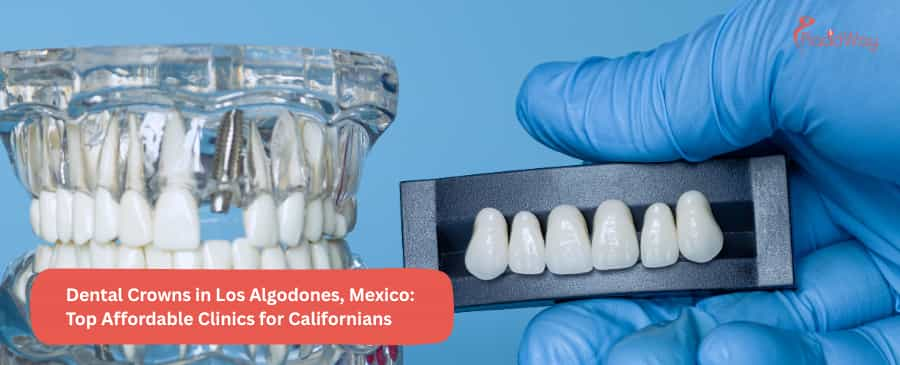
Dealing with damaged or decaying teeth can feel overwhelming, especially when local dental estimates place a heavy strain on your family budget. Many international patients look across the border to comfortably restore their smiles without compromising on medical safety or material quality. When exploring dental crowns in Los Algodones, Mexico, taking time to verify transparent costs and official certifications—such as COFEPRIS facility approval and ADM membership—helps ensure a secure and highly successful medical travel experience. Let us walk you through the essential facts to help you make a confident, well-informed healthcare decision.
Quick Answer Summary
- Estimated Cost: Typically ranges from $200 to $600 USD per crown, depending on the material (Zirconia, Porcelain, E-max).
- Safety & Credentials: Look for clinics licensed by COFEPRIS (Mexican Ministry of Health) and dentists registered with the ADM (Asociación Dental Mexicana).
- Ideal Candidate: Patients with cracked, severely decayed, or root-canal-treated teeth who are healthy enough for routine dental care.
- Recovery Time: Mild sensitivity lasts 3 to 7 days, with full adjustment typically within two weeks.
- Main Draw: Unmatched proximity to the US border (Yuma, Arizona), allowing patients to walk directly to high-quality, English-speaking dental clinics.
- Important Caution: Always request a written, itemized treatment plan to avoid unexpected fees for x-rays, temporary crowns, or post-core build-ups.
Understanding Dental Crowns for Tooth Restoration
A dental crown is a custom-fitted cap placed over a damaged, decayed, or structurally weak tooth to restore its natural shape, size, strength, and appearance. When your tooth sustains significant damage that a standard filling cannot resolve, a crown acts as a protective helmet. This restorative procedure prevents further deterioration, restores your ability to chew comfortably, and protects the sensitive nerve tissue inside the tooth.
The process of placing dental crowns requires precise clinical execution and high-quality fabrication materials. During your initial consultation, your dentist will evaluate your bite, the health of your gums, and the underlying root structure using panoramic x-rays or 3D CBCT scans. If the foundational root is healthy, the tooth is gently reshaped to accommodate the new crown securely.
Why Patients Travel to Los Algodones for Dental Care
Los Algodones has earned a global reputation as a premier destination for restorative dentistry, drawing thousands of international patients annually. The primary driver for this cross-border travel is the significant cost discrepancy between dental care in the United States or Canada and the exact same procedures offered in Mexico. Because the local cost of living and administrative overhead are much lower, clinics can pass these savings directly to patients without sacrificing clinical safety.
Beyond affordability, the geographic convenience of this border town makes it uniquely accessible for North American travelers. Situated directly across the border from Andrade, California, and just minutes from Yuma, Arizona, patients can easily park on the US side and walk safely to their appointments.
- Geographic Convenience: Easy walking distance from the US border crossing.
- High Concentration of Specialists: Hundreds of registered dental clinics located within a few square miles.
- Language Accessibility: Nearly all dental coordinators, specialists, and support staff speak fluent English.
- Advanced Technology: Many facilities feature in-house CAD/CAM milling machines for same-day crown fabrication.
Patient Demographics for Restorative Dentistry
Understanding who travels for dental crowns in Los Algodones, Mexico provides helpful context for new patients considering the journey. According to 2024–2025 cross-border healthcare data, the majority of outbound dental patients originate from the United States and Canada. Many of these individuals are uninsured or underinsured, making complex restorative work like multiple crowns or full-mouth rehabilitations financially prohibitive in their home countries.
Age plays a significant role in this specific medical travel sector. The demand for restorative dentistry naturally increases as patients age, experience enamel wear, or require replacements for older, failing dental work. Consequently, retirees and seasonal travelers represent a large portion of the patient base.
Data reflects compiled demographic trends for border-region dental tourism (2024 updates).
Types of Dental Crowns Available
Selecting the right material for your dental crowns in Los Algodones, Mexico is a crucial clinical decision. Your dentist will recommend a specific material based on the location of the tooth, your chewing habits, and your aesthetic preferences. Front teeth typically require highly translucent materials that mimic natural enamel, while back molars demand robust materials capable of withstanding heavy bite forces.
Top-tier clinics utilize the same internationally recognized dental brands and materials found in the US and Canada. Understanding the biological and functional differences between these materials helps you have an informed discussion with your chosen provider.
| Crown Material | Ideal Placement | Clinical Benefits |
|---|---|---|
| Zirconia | Back Molars & Front Teeth | Exceptional durability, highly biocompatible, virtually indestructible, modern aesthetic. |
| E-max (Lithium Disilicate) | Front Teeth (Incisors/Canines) | Superior natural translucency, blends perfectly with natural enamel, metal-free. |
| Porcelain-Fused-to-Metal (PFM) | Back Molars | Strong structural core, budget-friendly, proven long-term clinical history. |
Cost of Treatment for International Patients
The financial aspect of medical travel requires careful planning and realistic expectations. When researching dental crowns in Los Algodones, Mexico, you will find that costs generally range between $200 and $600 USD per unit. This variance depends primarily on the fabrication material you choose, the complexity of your specific case, and the specialist's level of expertise.
It is important to remember that advertised base prices rarely include the comprehensive cost of your entire visit. Proper financial planning involves comparing these estimates directly against your local home country quotes to determine the true value of your medical travel journey.
| Crown Type | Est. Cost in US/Canada | Est. Cost in Los Algodones |
|---|---|---|
| Porcelain-Fused-to-Metal | $900 - $1,500 | $200 - $350 |
| Full Zirconia | $1,200 - $2,500 | $400 - $550 |
| E-max (Premium Porcelain) | $1,500 - $3,000 | $450 - $600 |
Identifying Hidden Costs and Fees
Transparency is a crucial indicator of a high-quality dental clinic. While the per-crown price may seem straightforward, a comprehensive dental restoration often involves multiple clinical steps. Unprepared patients may feel surprised when their final invoice is higher than the initial base estimate they saw advertised online.
To avoid financial surprises, you should request a completely itemized treatment plan before traveling. This written quote should break down every clinical intervention required to complete your restorative work safely.
- Does the quote include the initial consultation and physical examination?
- Are panoramic X-rays or 3D CBCT scans billed separately?
- Is there an additional charge for temporary acrylic crowns worn during fabrication?
- Will you need a root canal or post/core build-up prior to crown placement?
- Are local anesthetics or IV sedation included in the primary fee?
Verifying Clinic Credentials in Mexico
Ensuring your safety begins with selecting a heavily vetted, legally compliant healthcare facility. The local healthcare system in Mexico is regulated by the government, and reputable clinics adhere to strict national standards. You should never select a clinic based on cost alone; rather, your decision should be rooted in verified safety protocols and clinical excellence.
When evaluating providers for dental crowns in Los Algodones, Mexico, you must look for specific national regulatory approvals. The highest standard of facility safety in Mexico is overseen by federal and local health departments.
- COFEPRIS Certification: The Federal Commission for the Protection against Sanitary Risk. This is the Mexican equivalent of the FDA, ensuring the facility meets strict sterilization, equipment, and biohazard safety standards.
- Ministry of Health License: Every legal clinic must display their operational license number from the local health authority.
- On-Site Sterilization Protocols: Look for clinics that explicitly detail their autoclave usage and infection control measures.
Evaluating Dental Specialists and Surgeons
The longevity and comfort of your dental crown depend entirely on the skill of the professional performing the preparation and placement. While a general dentist can place crowns, complex cases involving multiple teeth, bite alignment issues, or severe decay are best handled by a specialized prosthodontist. A prosthodontist completes additional years of dedicated surgical and aesthetic training focused entirely on tooth restoration and replacement.
Just as you would verify a clinic's operational license, you must also verify your individual doctor’s medical credentials. Reputable doctors proudly share their registration numbers and professional affiliations.
Your dentist should hold active registration with the ADM (Asociación Dental Mexicana) and possess a valid Cedula Profesional (federal medical license) issued by the Mexican government.
Many top specialists also maintain affiliate memberships with the ADA (American Dental Association) or the AACD (American Academy of Cosmetic Dentistry), indicating a commitment to global standards.
The Restorative Procedure Timeline
Understanding the clinical timeline helps you plan your travel logistics, accommodation needs, and time off work. Traditional dental crown procedures typically require two distinct visits spaced several days apart. However, many modern clinics now utilize CAD/CAM (Computer-Aided Design and Manufacturing) technology, allowing them to mill Zirconia or E-max crowns in a single day.
During a traditional multi-day process, your first appointment focuses on preparation and protection. Your second appointment is dedicated entirely to fitting, adjusting, and cementing the final restoration permanently.
| Visit Phase | Clinical Process | Patient Action |
|---|---|---|
| Day 1: Preparation | X-rays, local anesthesia, removal of decay, tooth shaping, physical or digital impressions, and placement of a temporary crown. | Avoid chewing hard or sticky foods on the side of the mouth with the temporary crown. |
| Fabrication Period | Dental lab technicians use the impressions to craft the custom crown. (Takes 2-5 days for traditional labs). | Rest locally in a hotel or return home if you live near the border. |
| Day 2: Placement | Removal of the temporary crown, cleaning the tooth, checking the fit and bite alignment, and final permanent cementation. | Provide immediate feedback on bite comfort before the cement sets completely. |
Recovery Expectations and Oral Aftercare
The immediate recovery period following crown placement is generally mild, but your body still needs time to adjust to the new restoration. It is entirely normal to experience minor temperature sensitivity and localized gum tenderness where the dentist worked around the tooth margins. These sensations typically subside within the first few days as the tissue heals and the dental nerve settles.
Long-term maintenance dictates how long your investment will last. Dental crowns themselves cannot decay, but the natural tooth structure underneath them remains vulnerable to plaque and bacteria. Proper daily aftercare is essential to prevent secondary cavities from forming at the gum line.
- Immediate Care: Avoid eating until local anesthesia wears off to prevent accidental biting of your cheek or tongue.
- Daily Hygiene: Brush twice daily with a non-abrasive fluoride toothpaste and floss carefully around the crown margins.
- Habit Adjustments: Do not use your new crowns to open packaging, bite fingernails, or crunch on hard ice, as this can fracture ceramic materials.
- Nighttime Protection: If you grind your teeth (bruxism), your dentist may recommend a custom night guard to protect the ceramic from cracking.
Clinical Success Rates and Longevity
Patients often ask how long their restorative work will survive in the oral cavity. Clinical success heavily relies on material choice, the patient’s oral hygiene, and the doctor’s placement technique. Recent 2024–2025 prosthodontic data shows exceptional cumulative survival rates for modern restorative materials, provided patients adhere to routine dental cleanings.
Zirconia has rapidly become the material of choice due to its high fracture resistance, demonstrating superior long-term stability compared to older ceramic blends. While Porcelain-Fused-to-Metal (PFM) crowns have decades of proven reliability, their structural success over a 10-year period is closely matched by modern monolithic Zirconia.
Based on recent 2024-2025 systematic reviews of prosthetic survival rates.
Managing Risks and Potential Complications
All medical and dental procedures carry inherent risks, and it is vital to approach medical tourism with realistic expectations. While complications are statistically low when care is provided by a board-certified specialist, they can still occur. The most frequent issues relate to poor initial fit, which can alter your bite alignment and cause jaw pain or TMJ strain over time.
Another risk involves the underlying dental nerve. Even with precise preparation, the trauma of reshaping the tooth can sometimes trigger irreversible pulpitis, meaning the tooth may require a root canal weeks or months after the crown is placed. Understanding how your chosen clinic manages revisions and post-operative care is paramount.
Always verify the clinic's written guarantee policy before treatment begins. Reputable centers typically offer a 2 to 5-year replacement guarantee on crown fractures or cement failures, provided you attend routine local checkups. Ask specifically: If a revision is needed, who covers the cost of travel and the replacement procedure?
Navigating the US-Mexico Border and Travel Tips
The logistics of reaching your dental appointment are remarkably straightforward compared to other medical tourism destinations. Most patients choose to drive to Yuma, Arizona, and park their vehicles safely in the expansive lots located in Andrade, California. From there, you simply walk through the pedestrian border crossing directly into the town.
Because the clinical district is immediately adjacent to the port of entry, there is rarely a need for taxis or local transportation. The environment is heavily catered toward English-speaking tourists, with clinics, pharmacies, and hotels grouped tightly together.
You must carry a valid US or Canadian Passport, or a Passport Card, to re-enter the United States. Birth certificates and standard driver's licenses are no longer sufficient for smooth border processing.
While walking into Mexico takes only minutes, walking back to the US during peak winter months (November-March) can take 1 to 2 hours. Plan your return travel schedule accordingly.
Frequently Asked Questions
Are dental crowns in Los Algodones, Mexico of good quality?
Yes, when performed at licensed clinics. Reputable facilities utilize the exact same FDA-approved materials, such as Ivoclar E-max and global Zirconia brands, as dental offices in the United States and Canada.
Do dentists in this region speak fluent English?
Yes. Because the primary patient base consists of American and Canadian medical tourists, virtually all clinic coordinators, receptionists, and board-certified dentists speak fluent English to ensure clear clinical communication.
Can I get my dental crown done in a single day?
In many cases, yes. Facilities equipped with modern CAD/CAM digital milling technology can design, fabricate, and permanently place a ceramic or zirconia crown in one day, eliminating the need for a temporary crown.
What is the most durable crown material available?
Monolithic Zirconia is widely considered the most durable material for back molars. It resists chipping and cracking exceptionally well, making it ideal for patients who grind their teeth or have strong bite forces.
How do I pay for my dental procedure?
Most clinics accept major US credit cards, debit cards, and cash (USD). Be aware that some providers may charge a small processing fee (usually 3-5%) for credit card transactions.
Do I need a passport to cross the border?
Yes. While Mexico may allow you to walk across freely, US Customs and Border Protection strictly requires a valid Passport or Passport Card to re-enter the United States safely.
What happens if my crown cracks after I return home?
Reputable clinics provide written warranties on restorative work. If a crown fails due to material defects or cementation issues within the warranty period, the clinic will typically replace it free of charge, though you must cover your own travel expenses.
Are initial consultations free?
Many top providers offer complimentary initial consultations. However, diagnostic imaging such as panoramic X-rays or 3D CBCT scans usually incur a separate fee, typically ranging from $40 to $100.
Should I choose a general dentist or a prosthodontist?
For single, routine crowns, a skilled general dentist is highly capable. However, if you require multiple crowns, have severe bite misalignment, or need aesthetic work on your front teeth, seeking a board-certified prosthodontist is strongly recommended.
Will my local dental insurance cover procedures in Mexico?
Some US dental insurance plans (like select Delta Dental PPO plans) do offer out-of-network reimbursement for cross-border care. You must verify international coverage with your provider and ask the Mexican clinic to provide itemized reimbursement forms.
Ready to Restore Your Smile?
Navigating cross-border healthcare can be complex. PlacidWay Medical Tourism can help you securely compare vetted providers, understand transparent treatment costs, and request essential information from certified clinics. Let us help you ask the right questions and evaluate your restorative options with confidence.
Request Clinic Information TodayDisclaimer: This information is for educational purposes only and does not replace professional medical advice. Always consult a qualified healthcare provider before making medical decisions.
References
- Clinical Outcomes and Survival Rates of Monolithic Zirconia Crowns (2024 Update) – National Center for Biotechnology Information (NCBI)
- Dental Materials and Restorative Science Guidelines – American Dental Association (ADA)
- Federal Regulations on Healthcare Facilities and Medical Devices – COFEPRIS (Mexican Ministry of Health)
- National Dental Certification Standards – Asociación Dental Mexicana (ADM)
- 10-Year Retrospective Study on Porcelain-Fused-to-Metal vs. Ceramic Restorations (2024) – PubMed
- Travel Requirements for US-Mexico Land Border Crossings – US Department of State






















Share this listing