


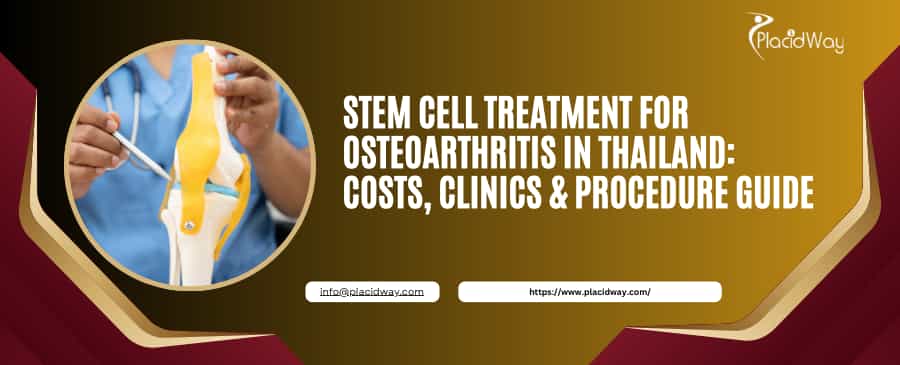
Thailand has emerged as a global leader in regenerative medicine, offering advanced osteoarthritis treatment stem cell Thailand packages that combine cutting-edge biotechnology with world-class hospitality. For patients suffering from chronic knee pain, hip degeneration, or shoulder arthritis, Thailand offers a compelling alternative to joint replacement surgery.
This comprehensive guide covers everything from stem cell therapy for knees Bangkok to the latest costs, success rates, and top-rated clinics, ensuring you have the information needed to make an informed medical tourism decision.
Key Takeaways
- Cost Savings: Patients from the US, UK, and Australia typically save 50%–70% by choosing Thailand for regenerative joint procedures compared to Western prices.
- Comprehensive Packages: Standard Thai medical tourism packages often include airport transfers, 3-5 nights of 4-star accommodation, pre-op medical tests, doctor consultations, translation services, and post-treatment follow-up.
- Global Cost Comparison:
- Thailand: Average package $3,500 – $8,500
- Mexico: Average package $3,500 – $9,000
- Turkey: Average package $3,000 – $7,500
- USA: Procedure only $15,000 – $30,000+
How Stem Cell Therapy for Osteoarthritis Works
Stem cell therapy for osteoarthritis is a regenerative procedure that uses your body's own cells or donor umbilical cord cells to repair damaged cartilage and reduce inflammation, offering a non-surgical alternative to knee replacement.
Osteoarthritis involves the wearing down of the protective cartilage that cushions the ends of your bones. Regenerative medicine Thailand centers utilize Mesenchymal Stem Cells (MSCs) which have the unique ability to differentiate into cartilage cells (chondrocytes) and modulate the immune system.
The procedure typically involves harvesting cells from:
- Adipose Tissue (Fat): A mini-liposuction procedure extracts fat rich in dormant stem cells.
- Bone Marrow: Aspirated typically from the hip bone.
- Umbilical Cord (Allogeneic): Sourced from healthy, screened donors; preferred for older patients as these "Day 0" cells have higher potency.
[Image suggestion: Infographic comparing healthy knee cartilage vs. osteoarthritic knee, showing where stem cells are injected.]
Types of Procedures Available in Thailand
- Intra-articular Injection: Direct injection into the knee, hip, or shoulder joint.
- Intravenous (IV) Infusion: Often combined with local injections to lower systemic inflammation.
- Combination Therapy: Many Bangkok stem cell clinics combine stem cells with PRP (Platelet-Rich Plasma) or Ozone therapy to boost cell survival and efficacy.
Thailand's Ministry of Public Health strictly regulates stem cell therapy under the Medical Device Act and Drug Act. Advanced clinics in Bangkok now use expanded MSCs (cells grown in a lab to increase their numbers) to ensure a high enough therapeutic dose, typically between 50 million to 100 million cells per joint.
Candidacy: Who Qualifies for Treatment?
Ideal candidates are individuals with mild to moderate osteoarthritis (Grades 1-3) who wish to avoid major surgery. Severe Grade 4 cases may see limited results but can still achieve pain reduction.
Not everyone is a suitable candidate. Stem cell therapy for knees Thailand specialists will require recent X-rays or MRI scans to evaluate:
- Cartilage Status: There must be some cartilage remaining for stem cells to build upon. "Bone-on-bone" cases have lower success rates for regeneration.
- Medical History: Patients with active infections or uncontrolled cancer are typically excluded.
- Age Factors: While age isn't a strict barrier, older patients (65+) are often recommended umbilical cord stem cells over their own autologous cells due to age-related decline in cell potency.
Cost of Stem Cell Therapy for Osteoarthritis in Thailand
The average cost of stem cell therapy for a single joint in Thailand ranges from $3,500 to $8,500, depending on the cell type (autologous vs. allogeneic) and the number of cells injected.
One of the most common queries is "cost of stem cell knee injection Thailand 2025". Unlike the hidden fees common in Western healthcare, Thai clinics typically offer transparent package pricing.
Detailed Cost Comparison (USD)
| Procedure Type | Thailand Cost | USA Cost | Mexico Cost | Turkey Cost |
|---|---|---|---|---|
| Single Knee Injection (Autologous) | $3,500 - $5,000 | $8,000 - $15,000 | $3,000 - $5,000 | $2,500 - $4,500 |
| Double Knee Protocol (High Dose) | $6,000 - $9,000 | $20,000+ | $5,500 - $8,000 | $5,000 - $7,000 |
| Umbilical Cord MSCs (100M cells) | $7,000 - $12,000 | $25,000+ | $6,500 - $10,000 | $6,000 - $9,000 |
| Comprehensive Joint Package* | $9,500 - $15,000 | N/A | $8,000 - $12,000 | $7,000 - $10,000 |
*Comprehensive packages often include 5-7 days of physical therapy, multiple injections, IV nutrition, and accommodation.
"When comparing prices, always ask for the guaranteed cell count. A low-cost injection ($1,500) might contain fewer than 5 million cells, which is often insufficient for therapeutic repair. Premium packages in Thailand guarantee 50-100 million live cells with a Certificate of Analysis (COA) from the lab."
Top Destinations & Clinics in Thailand
Bangkok is the primary hub for advanced stem cell labs and JCI-accredited hospitals, while Phuket and Chiang Mai offer excellent boutique wellness clinics for post-treatment recovery.
Bangkok: The Medical Hub
Bangkok hosts the highest concentration of JCI-accredited hospitals. Clinics here specialize in high-complexity cases. Best hospitals for stem cell therapy in Thailand for osteoarthritis often partner with dedicated biotech labs to ensure cell viability.
- Pros: Access to top specialists, state-of-the-art labs, direct flights.
- Top Locations: Sukhumvit area, Ploenchit.
Phuket & Chiang Mai: Recovery & Wellness
For those seeking a relaxing environment, stem cell treatment for knees Phuket combines therapy with a holiday. Chiang Mai is popular for its cooler climate and lower accommodation costs.
The Treatment Process: Step-by-Step
The typical journey involves a remote consultation, a 3-5 day stay in Thailand for the procedure, and a recovery plan that allows you to walk out of the clinic the same day.
- Remote Assessment: You send X-rays/MRIs and medical history to PlacidWay. The medical team in Thailand reviews them to confirm eligibility.
- Arrival & Prep: Day 1 involves blood work and physical assessment.
- The Procedure (Day 2):
- Local anesthesia is applied.
- Stem cells are harvested (if autologous) or thawed (if allogeneic).
- Ultrasound or fluoroscopy-guided injection ensures precise placement into the joint space.
- Duration: 2-4 hours.
- Recovery (Day 3-5): Mild swelling is common. Patients are encouraged to walk lightly but avoid strenuous exercise. Physiotherapy sessions may be included.
- Follow-up: Remote check-ins at 1, 3, and 6 months to monitor cartilage regeneration and pain levels.
Risks, Safety, and Regulations
Stem cell therapy in Thailand is safe when performed in licensed facilities. Common side effects are minor swelling and temporary pain, while serious risks like infection are extremely rare in accredited clinics.
Thailand regulates cell therapy through the Food and Drug Administration (TFDA). Legitimate clinics must adhere to GMP (Good Manufacturing Practice) standards for their laboratories.
Potential Side Effects:
- Common: Temporary joint swelling (24-48 hours), mild bruising at injection site.
- Rare: Infection (minimized by sterile protocols), immune reaction (rare with MSCs due to their immune-privileged nature).
Unlike surgery, there is no risk of deep vein thrombosis from immobilization or complications from general anesthesia.
Key Questions to Ask Your Provider
Before booking your osteoarthritis stem cell Thailand package, ask these critical questions:
- What is the source of the stem cells? (Umbilical, Bone Marrow, Adipose)
- What is the guaranteed cell count (viability) per injection?
- Is the laboratory GMP certified?
- Does the package include post-treatment physiotherapy?
- Can you provide patient testimonials or case studies for my specific condition?
Frequently Asked Questions
How long does stem cell therapy for knees last?
Results vary by patient, but relief typically lasts between 2 to 5 years. Many patients report significant pain reduction within 4-12 weeks as inflammation subsides and tissue repair begins. Repeat treatments are safe if needed.
Is stem cell therapy legal in Thailand?
Yes, stem cell therapy is legal and regulated in Thailand. The Thai FDA and Medical Council oversee the practice, ensuring safety standards. However, it is crucial to choose licensed clinics that follow ethical guidelines and GMP standards.
What is the success rate of stem cell therapy for osteoarthritis?
Clinical data suggests a success rate of 70%–85% for knee osteoarthritis patients, defined by significant reduction in pain scores and improved mobility. Success is higher in mild to moderate cases compared to severe bone-on-bone arthritis.
Can I walk immediately after the procedure?
Yes, the procedure is minimally invasive and performed on an outpatient basis. Most patients walk out of the clinic the same day. However, you will be advised to rest the joint and avoid heavy impact activities for at least 2-4 weeks.
Why is stem cell therapy cheaper in Thailand?
The lower cost is due to lower overhead expenses, labor costs, and living costs in Thailand compared to the West. It is not a reflection of lower quality; in fact, many Thai labs utilize technology superior to what is commercially available in the US.
Is the procedure painful?
Discomfort is minimal. Local anesthesia is used to numb the area for both harvesting (if applicable) and injection. Most patients describe the feeling as a sensation of pressure rather than acute pain.
Ready to Live Pain-Free?
Don't let osteoarthritis limit your life any longer. Explore affordable, world-class stem cell packages in Thailand tailored to your specific needs.
Get a free quote and personalized treatment plan from top-rated Thai specialists today.
Get a Free Quote & Treatment Plan.png)





.png)

-Patients-Are-Traveling-to-Bangkok-for-UC-MSC-Autoimmune-Stem-Cell-Therapy.png)









Share this listing