Cell Grand Clinic
Location: Japan
Cell Grand Clinic provides state-of-the-art cellular therapies operating within Japan's regulated medical framework, delivering personalized stem cell solutions for longevity, vitality, and cellular rejuvenation.

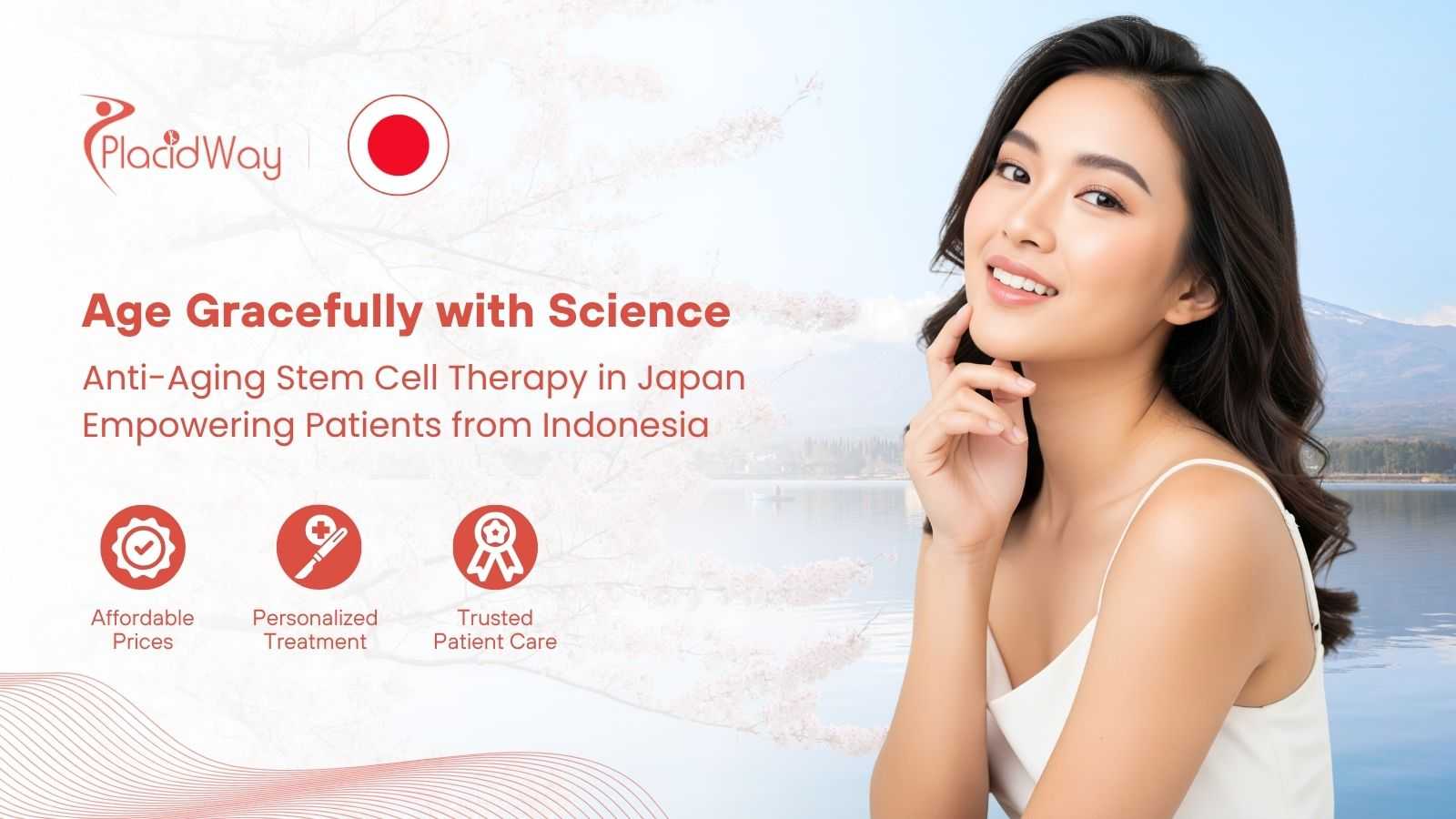
Interest in advanced regenerative medicine is growing rapidly among individuals seeking evidence-based approaches to healthy aging. For patients traveling from Indonesia, Japan stands out as a global leader in cell therapy due to its rigorous legal framework and cutting-edge laboratory infrastructure. Stem Cell Therapy for Anti-Aging in Japan offers investigational and approved cellular protocols aimed at systemic cellular support, tissue repair, and skin rejuvenation. Whether exploring Tokyo or Osaka, understanding treatment options, safety regulations, and realistic outcomes is key to making an informed medical journey.
Selecting a fully licensed center operating under Japanese health authority standards is essential for safety, quality, and clinical precision. Below are highlighted providers specializing in regenerative medicine:
Location: Japan
Cell Grand Clinic provides state-of-the-art cellular therapies operating within Japan's regulated medical framework, delivering personalized stem cell solutions for longevity, vitality, and cellular rejuvenation.
Specialty: Regenerative Medicine Specialist
Dr. Yuichi Wakabayashi is a highly distinguished regenerative medicine expert specializing in advanced stem cell protocols, patient-tailored treatments, and strict quality-controlled cellular processing.
For Indonesian patients exploring anti-aging and regenerative medicine in Japan, the 2026 update highlights several developments that may make treatment planning at Cell Grand Clinic in Osaka more convenient and informed.
Cell Grand Clinic's regenerative medicine work is supported by a publication in Cureus, providing an additional reference point for patients researching cellular therapies.
The clinic has 15 government-notified regenerative medicine plans under Japan's Ministry of Health, Labour and Welfare (MHLW) regulatory framework.
Direct flights between Jakarta and Kansai International Airport (KIX) can make travel planning to Osaka more convenient for Indonesian patients.
The area around the clinic offers halal-friendly dining and amenities, helping Indonesian patients feel more comfortable during their medical stay in Osaka.
Why It Matters: These updates provide Indonesian patients with useful information when evaluating regenerative medicine options in Japan, from the clinic's regulatory framework and published research to travel accessibility and practical considerations during their stay.
As the human body ages, the natural capacity for cellular repair and tissue regeneration gradually declines. Biological aging is characterized by cumulative cellular damage, decreased stem cell activity, chronic low-grade inflammation (often termed inflammaging), and reduced extracellular matrix production. Anti-Aging Stem Cell Therapy in Japan addresses these mechanisms at the cellular level, offering an approach distinct from traditional surface-level cosmetics.
Mesenchymal Stem Cells (MSCs) are multipotent cells capable of self-renewal and paracrine signaling. In anti-aging protocols, MSCs secrete signaling proteins, growth factors, and cytokines that modulate systemic inflammation, promote tissue repair, and support microvascular health. Protocols are tailored according to comprehensive patient evaluations and specific medical objectives.
| Treatment Approach | Primary Focus | Typical Method |
|---|---|---|
| Stem Cell Therapy | Regenerative medicine & immune modulation | Systemic (IV) or localized delivery |
| Fibroblast Therapy | Dermal collagen & elasticity restoration | Targeted facial intradermal micro-injections |
| Botox (Botulinum Toxin) | Temporary relaxation of expression muscles | Targeted muscular injection |
| Dermal Fillers | Physical volume restoration | Subcutaneous hyaluronic acid or synthetic injection |
| Conventional Skincare | Epidermal hydration and barrier protection | Topical serums, creams, and sunscreens |
Japan's regulatory framework has accelerated clinical trial approvals and safely expanded the global adoption of cell-based therapies. The statistical comparison below illustrates the international expansion of registered clinical research involving Mesenchymal Stem Cells (MSCs) and regenerative applications over recent years.
Global Growth of Registered Stem Cell Clinical Trials (Index Units)
Global expansion of registered stem cell clinical research and cellular therapy trials. Source: World Health Organization (WHO) ICTRP & ClinicalTrials (NIH).
Strict enforcement under the Act on the Safety of Regenerative Medicine guarantees clinic licensing, plan approvals, and safety reporting.
Cells are processed in certified Cell Processing Centers (CPC) under stringent Good Gene, Cellular, and Tissue Manufacturing Practice (GCTP) standards.
Focus on cell purity, viability metrics, and precise culture expansion protocols before patient administration.
Treatments are designed following comprehensive individual health assessments, laboratory diagnostic panels, and metabolic evaluations.
With convenient direct flight options connecting Soekarno-Hatta International Airport (CGK) in Jakarta to Tokyo (NRT/HND) and Osaka (KIX), international medical travel to Japan is highly efficient for Indonesian patients. Tokyo and Osaka serve as major global transportation hubs with specialized international patient desks.
Japanese medical infrastructure is renowned for safety, punctuality, hygiene, and hospitality (Omotenashi). Patients receive meticulous care supported by multilingual coordinators, structured treatment timelines, and comprehensive follow-up documentation.
MSCs sourced primarily from autologous adipose tissue (fat-derived) or umbilical cord tissue are administered via IV infusion. This approach targets systemic inflammation, supports vascular health, and stimulates multi-organ cellular repair processes.
Autologous skin fibroblasts are harvested via a tiny biopsy behind the ear, cultured in a licensed laboratory, and re-injected into facial tissue to restore natural collagen, elastin, and skin density from within.
Premium treatment plans combine systemic IV MSC infusions with targeted facial dermal fibroblast injections, offering a dual-action approach addressing both internal vitality and external dermal rejuvenation.
Exosomes—extracellular vesicles carrying RNA, proteins, and growth factors—are utilized as supportive adjunct therapies to enhance intercellular communication and accelerate skin repair.
| Treatment Type | Estimated Cost Range (USD) |
|---|---|
| Basic Stem Cell / Longevity Therapy (IV MSCs) | $10,000 – $21,000 USD |
| Fibroblast Facial Rejuvenation | $10,000 – $15,000 USD |
| Premium Stem Cell + Fibroblast Combination Treatment | Up to ~$52,000 USD |
| Exosome Add-On Therapy | $2,500 – $5,000 USD |
Note: Prices are indicative and may vary according to the clinic, treatment protocol, cell source, cell quantity (e.g., 50 million vs. 200 million cells), laboratory processing standards, diagnostic testing, and medical services included.
| Treatment | Japan | USA | Singapore | Indonesia |
|---|---|---|---|---|
| Stem Cell Therapy (IV) | $10,000–$21,000 | $25,000+ | $18,000+ | Varies / Investigational |
| Stem Cell + Fibroblast | Up to ~$52,000 | $70,000+ | $60,000+ | Limited Availability |
| Fibroblast Therapy | $10,000–$15,000 | $20,000+ | $15,000+ | Varies / Limited |
Important: Figures presented above are indicative market comparisons rather than guaranteed countrywide averages.
| Step | Stage Name | Clinical & Logistical Actions |
|---|---|---|
| Step 1 | Online Consultation | Submit medical history, blood work, and goals for initial physician eligibility review. |
| Step 2 | In-Person Medical Evaluation | Arrival in Japan; clinical consultation, baseline blood screening, and final suitability check. |
| Step 3 | Cell Harvesting | Minimally invasive fat tissue collection (liposuction aspiration) or skin punch biopsy. |
| Step 4 | CPC Cultivation & Quality Control | Cells are isolated, cultured, expanded, and checked for viability in a licensed GCTP laboratory. |
| Step 5 | Treatment Administration | IV drip infusion of MSCs or intradermal facial injection of fibroblasts under physician monitoring. |
| Step 6 | Post-Care & Remote Follow-Up | Post-treatment observation, discharge clearance, and scheduled remote consultations after returning to Indonesia. |
Depending on whether autologous cells require multi-week laboratory culture expansion or are administered as donor-banked/fresh tissue, treatment schedules vary:
Japan is universally recognized as having one of the safest medical regulatory framework globally for biological products. The Act on the Safety of Regenerative Medicine (ASRM) classifies cellular therapies into Risk Categories (Class I, II, and III), requiring every facility and treatment plan to be vetted by an accredited Regenerative Medicine Committee before Ministry approval.
Stem cell therapy supports repair and metabolic health, but it cannot stop chronological time or permanently reverse biological aging.
Therapeutic outcomes depend heavily on baseline health, underlying medical conditions, genetic factors, age, and lifestyle habits.
While systemic safety is well-documented, anti-aging efficacy markers remain under active global scientific evaluation.
Translate recent blood tests, medical reports, and current medication lists into English or Japanese for clinic evaluation.
Verify whether a Japanese tourist visa or a specialized Medical Stay Visa is required based on length of stay.
Book direct CGK to NRT/HND/KIX flights and select accommodations near your chosen facility for convenience.
Confirm whether your clinic or medical facilitator provides English or Indonesian medical interpretation.
| Factor | Tokyo Hub | Osaka Hub |
|---|---|---|
| International Connectivity | Excellent (Haneda & Narita Airports) | Excellent (Kansai International Airport) |
| Medical Infrastructure | Extensive academic and private centers | Leading biomedical and cell research clusters |
| Accommodation & Leisure | Vast luxury and business hotel choices | Accessible hotel options and cultural tourism |
| Best Selection Criteria | The specific doctor credentials and licensed protocol matter more than city location alone. | |
Basic systemic stem cell protocols generally range from $10,000 to $21,000 USD, while advanced dual protocols combining autologous stem cells and dermal fibroblasts can reach up to ~$52,000 USD.
Yes. Regenerative medicine is legally governed by the Japanese Ministry of Health under the Act on the Safety of Regenerative Medicine (ASRM), ensuring strict oversight and safety licensing.
When performed at an MHLW-licensed center using GCTP-certified Cell Processing Centers (CPC), Japan maintains world-leading safety protocols and cell quality standards.
Mesenchymal Stem Cells (MSCs) provide systemic anti-inflammatory and tissue-repair signals, whereas Dermal Fibroblasts specifically target facial dermal layers to produce collagen and elastin.
Autologous protocols requiring cell culturing typically involve 2 short visits separated by 3 to 5 weeks, or a single extended stay of approximately 3 to 4 weeks.
Culturing autologous fat-derived stem cells or dermal fibroblasts typically takes between 3 to 5 weeks to reach target dosage and high viability standards.
Yes. Indonesian patients regularly travel to Japan for medical care via direct flight connections from Jakarta to Tokyo or Osaka using appropriate visas.
Both cities offer world-class facilities. Choice should be guided by specific doctor credentials, clinic licensing, and individual treatment package preferences.
Because re-injected fibroblasts build natural collagen, clinical skin improvements typically persist for 1 to 3 years depending on lifestyle, age, and sun exposure.
Procedures are minimally invasive. Cell harvesting involves local anesthesia with minimal discomfort, and IV administration is painless like a standard drip.
No. Anti-aging cellular treatments are considered elective regenerative procedures and are paid out-of-pocket by international patients.
No treatment can stop time or reverse biological age completely. Stem cell therapy aims to optimize cellular repair, reduce inflammation, and enhance functional quality of life.
Ready to explore regenerative medicine in Japan? Compare available Anti-Aging Stem Cell Treatments in Japan, review package details, and consult with international patient coordinators.
Explore Anti-Aging Stem Cell Therapy in JapanMedical Disclaimer: The content provided in this document is for educational and informational purposes only and does not constitute formal medical advice, diagnosis, or treatment. Anti-aging stem cell therapies remain investigational in many applications. Results vary by individual. Consultation with licensed regenerative medicine specialists and official health authorities is essential prior to undertaking medical travel.
Discover the ultimate Stem Cell Therapy for Longevity packages designed to meet your health and wellness goals. Choose the perfect fit for your journey.
Price starting from $19,800
Cell Grand Clinic - Japan’s Best Stem Cell Clinic
Osaka, Japan
Price starting from $10,000
Helene Clinic - Stem Cell Therapy in Tokyo, Japan
Tokyo, Japan
Price starting from $19,800
Cell Grand Clinic - Japan’s Best Stem Cell Clinic
Osaka, Japan
Price starting from $10,000
Helene Clinic - Stem Cell Therapy in Tokyo, Japan
Tokyo, Japan
Discover how Stem Cell Therapy for Longevity is transforming lives at leading medical centers in , Japan. Dive into center profile, specialties, doctors, reviews, etc. and explore the best options tailored to your needs in this region.
Tokyo, Japan
Osaka, Japan
Discover the power of Stem Cell Therapy for Longevity through compelling patient experiences. Uncover detailed insights into procedures, recovery journeys, and life-changing results.
.png)
Price starting from $19,800
Osaka, Japan
.png)
Price starting from $10,000
Japan
.png)
Price starting from $10,000
Japan
.png)
Price starting from $10,000
Japan
Watch in-depth videos covering everything from Stem Cell Therapy for Longevity success stories to detailed procedure explanations. Learn what to expect and hear from real patients.
Stem Cell Therapy for Longevity
Japan
Stem Cell Therapy for Longevity
Japan
Stem Cell Therapy for Longevity
Japan
Stem Cell Therapy for Longevity
Japan
Take a look at these interesting articles, stories and research that will help you learn more about Stem Cell Therapy for Longevity.

PlacidWay Medical Tourism
Japan
PlacidWay Japan Medical Tourism
Japan
.png)
PlacidWay Medical Tourism
Japan

PlacidWay Medical Tourism
Japan
We collaborate with internationally accredited hospitals and clinics to ensure the highest standards of safety, quality, and patient care.

Joint Commission International

International Organization for Standardization

COFEPRIS (Federal Commission for Sanitary Risk Protection - Mexico)

Turkey Ministry of Health

Dubai Healthcare City Authority (DHCC)

NABH (National Accreditation Board for Hospitals & Healthcare Providers - India)

Korea Ministry of Health & Welfare (MOHW)

PlacidWay Virtual Assistant
We're here to help you 24/7
Call Now Hang UpProvide info, PlacidWay calls at your time.


Share this listing