


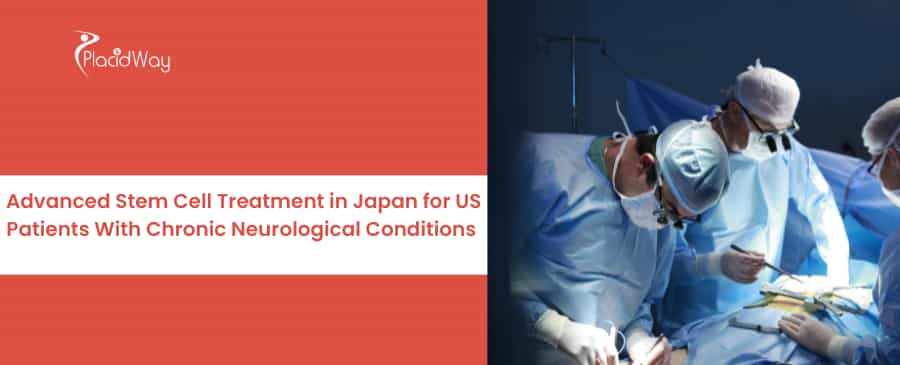
For US patients facing the progressive challenges of conditions like ALS, Parkinson's, or severe stroke recovery, the waiting lists for FDA clinical trials can be agonizingly long. Across the Pacific, Japan has established itself as the global epicenter of regenerative medicine. By combining Nobel Prize-winning research (iPS cells) with a unique legislative framework known as the "Sakigake" strategy, Advanced Stem Cell Treatment in Japan offers a safe, regulated pathway to cutting-edge therapies that are not yet widely available in the United States.
Unlike unregulated markets where safety is a gamble, Japan’s Ministry of Health enforces strict oversight on cell processing and administration. This guide details why American patients are traveling to Tokyo and Osaka for neuro-regenerative care, breaking down the costs, safety protocols, and realistic outcomes for chronic neurological conditions.
Key Takeaways: Regenerative Medicine in Japan
Quick insights for US patients considering Advanced Stem Cell Treatment in Japan.
- ? Regulatory Safety: Japan uses a 3-tier safety classification system; all clinics treating international patients must be government-licensed.
- ? Advanced Culture Tech: Japanese labs utilize serum-free culture mediums that enhance cell viability and safety, crucial for neurological repair.
- ? Cost Advantage: Treatments average $15k-$25k, often 40% less than "boutique" US clinics operating under "compassionate use" exceptions.
- ? Holistic Approach: Therapies often include "Exosome" (culture supernatant) administration to reduce neuroinflammation alongside stem cells.
Estimated Cost Breakdown (Per Protocol):
- Parkinson's / ALS Protocol (Intravenous + Intrathecal): $18,000 – $28,000
- Post-Stroke Rehabilitation Therapy: $15,000 – $22,000
- Exosome Therapy (Adjunct): $3,000 – $6,000
Why Japan is the Global Leader in Neurological Regeneration
The "fast-track" approval system allows safe therapies to reach patients years before the West.
The landscape of Advanced Stem Cell Treatment in Japan changed dramatically with the passing of the Act on the Safety of Regenerative Medicine in 2014. This law allows therapies that have proven safety and "probable efficacy" to be conditionally approved for patient use while final data is collected. For US patients with rapidly progressing conditions like ALS, this access is vital.
Furthermore, Japan is the birthplace of induced Pluripotent Stem Cells (iPSCs), discovered by Nobel Laureate Shinya Yamanaka. While iPSCs are still primarily in clinical trial phases, this deep research ecosystem elevates the quality of the standard Mesenchymal Stem Cell (MSC) therapies currently available to medical tourists.
"In the US, stem cell clinics often operate in a regulatory gray area. In contrast, a licensed clinic in Japan must report every single cell culture procedure to the government. This transparency ensures that the stem cells used for Parkinson's or ALS are free from contamination and have high viability counts—critical factors for crossing the blood-brain barrier."
Treatable Neurological Conditions
How regenerative protocols target specific neurodegenerative pathways.
Parkinson's Disease
Protocols for Parkinson's often involve the administration of adipose-derived stem cells which secrete neurotrophic factors (GDNF, BDNF). These factors aim to protect remaining dopamine-producing neurons and reduce neuroinflammation. Some advanced clinics in Japan utilize intranasal or intrathecal delivery to bypass the blood-brain barrier more effectively.
Amyotrophic Lateral Sclerosis (ALS)
For ALS, the goal of Advanced Stem Cell Treatment in Japan is to slow motor neuron degeneration. Therapies focus on immunomodulation—using stem cells to switch the immune system from a pro-inflammatory state (which attacks neurons) to an anti-inflammatory state.
Stroke Recovery
Post-stroke patients seek treatment to repair the "penumbra"—the area of brain tissue damaged but not destroyed by the stroke. Stem cells can promote angiogenesis (new blood vessel formation), improving oxygen flow to these critical areas and aiding in the recovery of motor or speech functions.
Japan is pioneering the use of "Stem Cell Supernatant" (Exosomes). Instead of just injecting cells, doctors administer the purified fluid the cells were grown in. This fluid is rich in cytokines and signaling molecules that trigger the body's own repair mechanisms, offering a safer alternative with lower rejection risks for international patients.
The Treatment Journey: US to Japan
A step-by-step guide to logistics, visa requirements, and treatment administration.
Step 1: Remote Assessment
Before booking a flight, patients must submit recent MRIs and medical history. Japanese specialists review these to determine candidacy.
Step 2: Medical Visa
While US citizens have visa-free entry, a Medical Visa is recommended for complex neuro-treatments. This requires a guarantee from a registered medical coordinator in Japan and allows for flexibility in stay duration.
Step 3: Cell Harvesting & Cultivation
Upon arrival, a small amount of fat tissue is harvested (mini-liposuction). These cells are cultured in a specialized Cell Processing Center (CPC) for 3-4 weeks to reach therapeutic numbers (often 100 million+ cells).
Step 4: Administration
The patient returns (or stays in Japan) for the infusion. Methods include Intravenous (IV) drip for systemic benefits or Intrathecal (lumbar puncture) for direct CNS delivery.
Cost Analysis: Japan vs. US & Mexico
Comparing the value proposition of regulated Japanese care against other markets.
| Feature | Japan (Regulated) | USA (Investigational) | Mexico (Mixed Regs) |
|---|---|---|---|
| Avg. Cost (Neuro Protocol) | $18,000 - $25,000 | $30,000 - $50,000 | $15,000 - $20,000 |
| Lab Safety Standards | Govt. Licensed CPCs (Strict) | Variable (FDA gray area) | Variable |
| Cell Count Guarantee | Yes (Certified counts) | Rarely Guaranteed | Often Guaranteed |
| Legal Protection | High (Compensation funds exist) | Low (Waivers required) | Moderate |
Top Medical Hubs: Tokyo & Osaka
Where to find the best accredited facilities for international patients.
Tokyo: The Research Capital
Tokyo hosts the highest concentration of JCI-accredited hospitals and university-affiliated clinics. Facilities here are accustomed to English-speaking patients and offer concierge services including airport pickup from Narita or Haneda. It is the ideal hub for Advanced Stem Cell Treatment in Japan due to its proximity to major research labs.
Kyoto & Osaka: The Biotech Hub
The Kansai region (Osaka/Kyoto) is home to the Center for iPS Cell Research and Application (CiRA). While CiRA focuses on research, the surrounding biotech ecosystem supports private clinics that offer extremely high-quality mesenchymal stem cell therapies at slightly lower costs than Tokyo.
Frequently Asked Questions
Answers to common concerns from US patients regarding safety and logistics.
Is the treatment painful?
Minimal. The fat harvest is done under local anesthesia and feels like a small bruise. Intravenous administration is painless. Intrathecal injections (lumbar puncture) involve some pressure but are performed by experienced anesthesiologists or neurologists.
How soon will I see results?
Results vary by condition. Some stroke patients report improvements in energy and focus within weeks due to reduced inflammation. Motor function improvements in Parkinson's or ALS, if they occur, typically manifest over 3-6 months as tissue repair progresses.
Can I bring a caregiver?
Yes. For patients with mobility issues, bringing a caregiver is strongly advised. Japanese hospitals are very accommodating, and medical visas can be extended to cover accompanying family members.
What if I cannot travel twice?
Some clinics offer protocols using allogeneic (donor) stem cells from umbilical cord tissue. This eliminates the need for harvesting and culturing your own cells, allowing treatment to be completed in a single 5-7 day trip.
Are language barriers an issue?
Top-tier clinics serving international patients employ medical translators. However, outside the clinic, Google Translate is essential. PlacidWay partners ensure you have English support throughout your medical journey.
Is it safe to fly after treatment?
Doctors typically recommend resting for 24-48 hours after treatment, especially after intrathecal injections, to prevent headaches. Long-haul flights back to the US are generally permitted 2-3 days post-procedure.
How do I verify a clinic's license?
Legitimate clinics will display their "Provision Plan for Regenerative Medicine" submission number, approved by the Ministry of Health. You can ask for this registration number before booking.
What are the risks?
With autologous (own) cells, rejection risk is near zero. The main risks are procedural (infection at injection site) or fever/flu-like symptoms for 24 hours post-infusion. Cancer risk is mitigated by strict genetic stability testing done in Japanese labs.
Can this cure my condition?
It is crucial to have realistic expectations. Stem cell therapy is currently a management tool, not a guaranteed cure. The goal is to halt progression, improve quality of life, and restore some lost function.
Reclaim Your Quality of Life
Navigating the options for Advanced Stem Cell Treatment in Japan can be complex, but you don't have to do it alone. PlacidWay connects US patients exclusively with Ministry of Health-licensed clinics in Tokyo and Osaka.
Speak with our medical coordination team today to check your candidacy, receive a transparent cost estimate, and ensure your journey to Japan is safe, legal, and hopeful.
Get a Evaluation for Treatment in Japan


















Share this listing