


.png)
For millions of Americans suffering from chronic osteoarthritis and knee pain, the search for effective relief often leads to a frustrating cycle of steroid injections, pain medications, and the looming prospect of invasive joint replacement surgery. However, a growing number of patients are turning their eyes eastward to Japan, a global powerhouse in stem cell treatment for knee pain. Unlike the restrictive regulatory environment in the United States, Japan has established a progressive yet strictly safe framework that allows for advanced cultured stem cell therapies.
Japan's medical tourism sector has rapidly evolved to cater to international patients, offering high-tech solutions for joint preservation that are unavailable or prohibitively expensive in the West. By combining world-class orthopedic expertise with cutting-edge cellular technology, Japanese clinics offer a promising alternative for restoring mobility and reducing pain without major surgery.
Key Takeaways: Healing in the Land of the Rising Sun
Japan stands out as a premier destination for knee stem cell therapy due to its unique ability to legally expand stem cells in laboratory settings, resulting in treatment dosages that are exponentially higher than standard U.S. protocols. This "dosage difference" is often the key to successful cartilage regeneration and long-term pain relief.
- Massive Cost Savings: American patients can save 40% to 60% on high-quality cultured stem cell treatments compared to equivalent (often experimental) options in the U.S.
- Comprehensive Packages: Most packages for international patients include cell harvesting, 4-5 weeks of laboratory culturing, ultrasound-guided injections, and post-op reviews.
- Advanced Tech: Access to 100 million+ Mesenchymal Stem Cells (MSCs) per knee, a potency level rarely achievable in U.S. same-day clinics.
- Global Price Snapshot:
- Japan: $6,500 – $13,000 (Cultured, High Potency)
- USA: $15,000 – $30,000+ (Uncultured or Clinical Trial)
- Mexico: $3,500 – $5,500 (Varies by clinic regulation)
- India: $3,000 – $6,000 (Cost-effective options)
Why American Patients Choose Japan for Knee Restoration?
Discover the regulatory advantages and technological superiority that make Japan a preferred destination for US patients seeking advanced regenerative care.
The primary driver for American patients traveling to Japan is the difference in medical regulations. In the United States, the FDA views stem cells that have been "manipulated" (grown or cultured in a lab) as drugs, requiring years of clinical trials before they can be sold to patients. As a result, most U.S. clinics are limited to "same-day" procedures where they harvest cells and reinject them immediately. While helpful, these treatments often contain a low number of viable stem cells.
Japan operates under the Act on the Safety of Regenerative Medicine (ASRM). This forward-thinking law allows licensed clinics to safely culture your stem cells in government-approved laboratories (Cell Processing Centers). This means doctors can multiply your cells from a few thousand to hundreds of millions, delivering a "mega-dose" of healing potential directly to your damaged knee joint. This higher cell count is crucial for tackling moderate to severe osteoarthritis.
"The 'numbers game' is critical in regenerative medicine. In a typical U.S. same-day procedure, you might receive 20,000 to 50,000 stem cells. In Japan's cultured protocol, patients routinely receive over 100 million cells. This exponential difference significantly boosts the anti-inflammatory response and increases the likelihood of actual tissue repair for American patients suffering from bone-on-bone knee pain."
Step-by-Step Treatment Journey in Japan
A walkthrough of the typical logistical and medical path for stem cell treatment for knee pain in Japan an international patient, from initial contact to final recovery.
1. Remote Consultation & Evaluation
Your journey begins before you leave the U.S. You will submit your recent MRI scans and medical history to the clinic via a secure portal. A Japanese orthopedic specialist will review your case to ensure you are a good candidate for stem cell therapy and not better suited for total knee replacement.
2. Visit 1: Harvesting (1-2 Days)
You fly to Japan for a short trip. The doctor performs a minimally invasive aspiration to collect the raw material. This is usually a mini-liposuction (harvesting a small amount of fat from the abdomen) or a bone marrow draw. The procedure takes less than an hour under local anesthesia.
3. The Culturing Phase (3-5 Weeks)
You return home to the U.S. while your cells are processed in a certified Cell Processing Center (CPC). Technicians isolate the Mesenchymal Stem Cells (MSCs) and nurture them until they multiply into hundreds of millions of potent, active cells.
4. Visit 2: The Injection (1-3 Days)
You return to Japan for the therapy. The concentrated stem cells are injected directly into the knee capsule, often using ultrasound guidance for pinpoint accuracy. Many clinics also combine this with PRP (Platelet-Rich Plasma) to act as a "fertilizer" for the cells.
5. Recovery & Rehabilitation
There is minimal downtime. Most patients walk out of the clinic the same day. You will be given a rehabilitation protocol to follow back in the U.S. to maximize the integration of the cells and strengthen the surrounding muscles.
Top Destinations: Tokyo and Osaka
Exploring the two primary hubs for medical tourism in Japan, offering distinct advantages in terms of technology and accessibility.
Tokyo: The High-Tech Capital
As the capital, Tokyo hosts the highest concentration of JCI-accredited hospitals and specialized regenerative clinics for stem cell treatment for knee pain in Japan. Areas like Ginza and Shinjuku are home to premium facilities that cater specifically to international executives and medical tourists. Tokyo clinics often have dedicated English-speaking concierge teams to handle logistics for American visitors.
Osaka: The Innovation Hub
Osaka is renowned for its contributions to stem cell research, housing several universities and institutes that pioneer new therapies. Treatment packages in Osaka can sometimes be slightly more cost-effective than in Tokyo, and the city offers a more relaxed atmosphere for recovery, with easy access to cultural landmarks in nearby Kyoto.
Japan is the only country in the world with a dedicated legislative framework—the Act on the Safety of Regenerative Medicine—that classifies therapies by risk level (Class I, II, III). This transparency allows patients to verify exactly what they are getting and ensures that every clinic offering knee stem cell therapy has passed rigorous government safety inspections.
Detailed Cost Analysis: Japan vs. The World
A transparent breakdown of costs, helping patients evaluate the financial benefits of traveling for treatment.
While Japan is a developed nation with high standards of living, the cost of medical care is surprisingly competitive compared to the U.S. healthcare system. The efficiency of Japanese clinics, combined with the government's promotion of regenerative medicine, keeps prices stable. An all-inclusive experience in Japan is often comparable to or cheaper than a "medical vacation" to other popular destinations once quality is factored in.
| Destination | Procedure Type | Est. Price (Per Knee) | What's Typically Included | Recovery Time |
|---|---|---|---|---|
| Japan | Cultured ADSC (100M+ Cells) | $6,500 – $13,000 | Consultation, Harvesting, Lab Culture, Injection, Post-op checks | 1-2 Days |
| United States | Bone Marrow Concentrate (Uncultured) | $5,000 – $10,000 | Procedure only (lower cell count) | 1-3 Days |
| United States | Cultured Stem Cells (Clinical Trial/Grey Market) | $20,000 – $50,000+ | Variable, often not covered by insurance | 1-2 Days |
| Mexico | Cultured Allogeneic (Donor) | $3,500 – $5,500 | Procedure, Airport Transfer, Hotel (varies) | 1 Day |
| India | Cultured ADSC / Bone Marrow | $3,000 – $6,000 | Full Medical Package, Hospital Stay, Transport | 2-3 Days |
Expert Insight: Safety and Regulations
Understanding the rigorous safety protocols that protect international patients in Japan.
Safety is the paramount concern for any medical tourist. In Japan, clinics must submit detailed treatment plans to a government-certified committee for approval. They are audited on their cell processing facilities, physician credentials, and patient follow-up protocols. This "clearance" system effectively eliminates the "Wild West" scenario found in some other medical tourism destinations, giving American patients peace of mind that their treatment adheres to First World medical standards.
"Don't let the language barrier deter you. Top-tier clinics in Tokyo and Osaka are well-versed in treating international patients. They provide dedicated medical interpreters who stay with you during consultations and procedures to ensure nothing is lost in translation. This service is often baked into the package cost for US patients."
Logistical Guide for US Patients
Practical travel tips regarding visas, flights, and accommodation for a smooth medical trip.
1. Visa Requirements
One of the biggest advantages for American medical tourists is ease of access. U.S. citizens can enter Japan for up to 90 days visa-free for short-term stays, which covers the duration of almost all stem cell treatments. For longer stays or specific medical visas, clinics can provide the necessary sponsorship documents.
2. Flight Connectivity
Japan is highly accessible from the U.S. West Coast. Direct flights from Los Angeles (LAX), San Francisco (SFO), and Seattle (SEA) to Tokyo's Narita (NRT) or Haneda (HND) airports take approximately 10-12 hours. Connectivity from East Coast hubs like New York (JFK) and Chicago (ORD) is also excellent.
3. Accommodation & Support
Japanese hospitality, or Omotenashi, is legendary. Many clinics have partnerships with nearby hotels to offer discounted rates for patients. It is recommended to stay in a hotel near the clinic for the first night after your injection to minimize travel strain on the treated knee.
Frequently Asked Questions
Answers to the most common queries from patients considering this journey.
Q1. Is stem cell therapy for knees legal in Japan?
Yes, stem cell treatment for knee pain in Japan is fully legal and strictly regulated in Japan under the Act on the Safety of Regenerative Medicine (ASRM). This legislation allows licensed facilities to legally culture and expand stem cells for therapeutic use, a process that is often restricted in other countries.
Q2. How much does stem cell knee therapy cost in Japan compared to the US?
The average cost in Japan ranges from $6,500 to $13,000 per knee for high-potency, cultured cells. In contrast, treatments in the US can range from $15,000 to over $30,000, often for uncultured or lower-dosage procedures due to regulatory limitations.
Q3. Does American health insurance cover stem cell therapy in Japan?
Generally, US health insurance providers (including Medicare) do not cover stem cell therapy performed abroad as it is often classified as experimental or elective. Patients usually pay out-of-pocket, though some financing plans may be available through medical tourism facilitators.
Q4. What is the success rate of stem cell therapy for knees in Japan?
Clinical data from top Japanese institutes suggests success rates between 70% and 85% for pain reduction and improved mobility in osteoarthritis patients. Outcomes vary based on the severity of joint degeneration and the patient's overall health.
Q5. Why are 'cultured' stem cells better for knee pain?
Culturing allows the laboratory to multiply your stem cells from a few thousand to hundreds of millions (e.g., 100 million+ cells). This significantly higher dosage provides a more potent anti-inflammatory and regenerative effect compared to same-day, uncultured procedures common in the West.
Q6. Do I need a visa to travel to Japan for medical treatment from the USA?
US citizens holding a valid passport can enter Japan for up to 90 days without a visa for short-term stays, which covers most medical tourism trips. However, for extended treatment plans exceeding 90 days, a specific medical visa may be required.
Q7. How long does the entire treatment process take?
The process of stem cell treatment for knee pain in Japan typically involves two visits. The first visit for cell harvesting takes 1-2 days. After a 3-5 week culturing period (where you can return home), the second visit for injection takes 1-3 days. Some clinics offer single-visit options using donor cells.
Q8. What type of stem cells are used for knee pain in Japan?
The most common types are Autologous Adipose-Derived Mesenchymal Stem Cells (ADSCs) from your own fat and Bone Marrow-Derived Stem Cells. Some specialized clinics also offer allogeneic (donor) umbilical cord tissue cells under strict safety protocols.
Q9. Is the procedure painful?
The procedure is minimally invasive. The harvesting (mini-liposuction) is done under local anesthesia with minimal discomfort. The joint injection is also performed under local anesthesia, often with ultrasound guidance, causing only minor pressure or temporary soreness.
Ready to Restore Your Mobility?
Don't let chronic knee pain limit your life or your adventures. PlacidWay partners with the top licensed and JCI-accredited regenerative medicine clinics in Japan to bring you world-class, high-potency stem cell packages tailored for American patients.
Get a free, no-obligation quote today and speak directly with our medical care team to plan your journey to recovery in Tokyo or Osaka.
Get a Free Quote for Treatment in Japan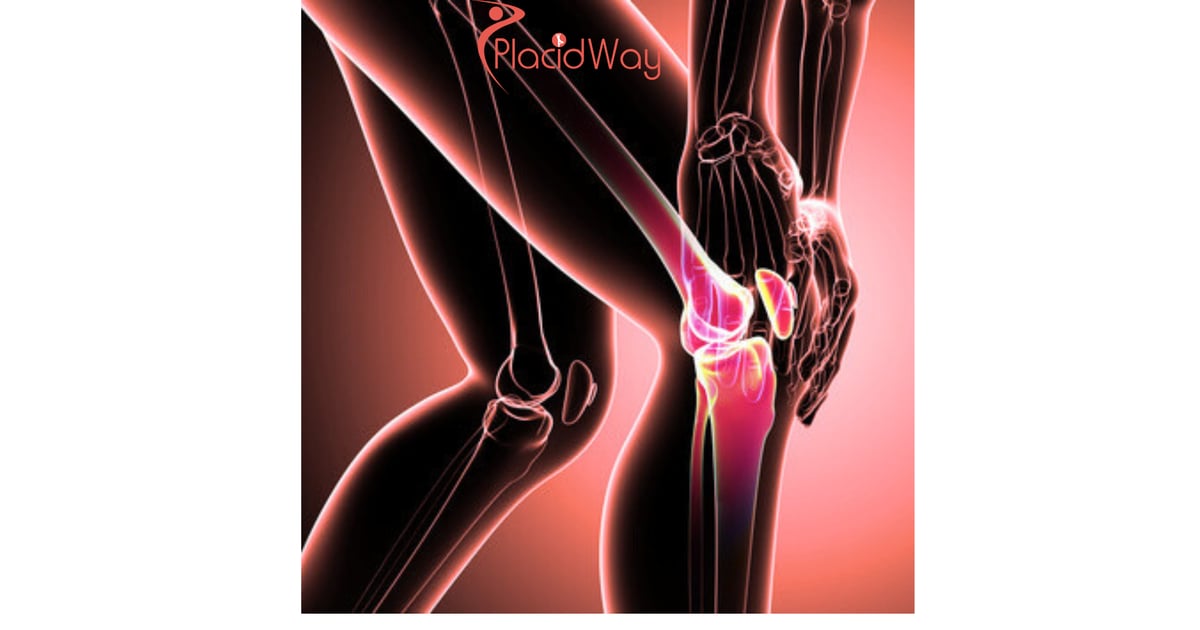


.png)













Share this listing