


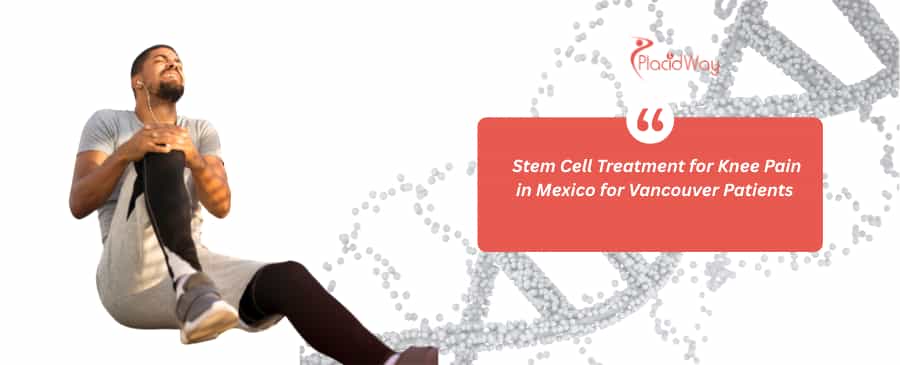
For residents of Vancouver and the Lower Mainland, chronic knee pain is often exacerbated by the damp Pacific Northwest climate. With British Columbia's public healthcare system facing record-breaking wait times for orthopedic consultations and knee replacement surgeries, many patients are seeking non-surgical alternatives. Stem Cell Treatment for Knee Pain in Mexico has become a leading choice for Vancouverites, offering access to high-potency regenerative therapies that are currently restricted or unavailable in Canada.
This guide explores why patients are traveling from YVR to medical hubs like Tijuana and Puerto Vallarta. We cover the science behind Mesenchymal Stem Cells (MSCs), the regulatory advantages of Mexican clinics, and a detailed cost analysis to help you make an informed decision about your joint health.
Key Takeaways: Regenerating Mobility
- Access to Expanded Cells: Unlike Canada, Mexico permits the laboratory culture (expansion) of stem cells, allowing for doses of 100+ million cells for maximum regenerative impact.
- Cost Efficiency: Save 50% to 70% compared to US clinics, with packages often including ground transport and hotel stays.
- Non-Surgical Solution: A viable alternative for patients who are too young for knee replacement or wish to avoid major surgery.
- Convenient Travel: Direct flights from Vancouver to key destinations or a short drive across the border to Tijuana make travel seamless.
Estimated Cost Snapshot:
- Mexico (Standard Knee Protocol): $3,500 – $6,500 USD
- USA (Comparable Protocol): $12,000 – $25,000 USD
- Canada: Restricted availability; mostly unexpanded bone marrow concentrate ($2,000 - $4,000 CAD).
Why Vancouverites are Flying South for Knee Regeneration
Understanding the regulatory differences that make Mexico a powerhouse for regenerative medicine compared to British Columbia.
The primary driver for medical tourism in this sector is regulatory, not just financial. Health Canada has strict regulations classifying expanded stem cells as "drugs," which severely limits their availability for orthopedic use. Consequently, Canadian clinics are generally restricted to using "Bone Marrow Concentrate" or "PRP," which contain significantly fewer viable stem cells.
In contrast, Mexico's regulatory body, COFEPRIS, has established a framework that allows licensed laboratories to cultivate and multiply stem cells. This means a patient in Mexico can receive an injection containing 100 million viable Mesenchymal Stem Cells specifically targeted for cartilage repair. For a patient in Vancouver suffering from Grade 3 or 4 Osteoarthritis, this high dosage is critical for effective tissue regeneration and inflammation reduction.
"The 'Dose' matters. In regenerative medicine, outcomes are often dose-dependent. A standard bone marrow spin in a Vancouver clinic might yield 50,000 stem cells. A cultured treatment in Mexico can yield 100 million. That is a 2,000x difference in potency. For maximizing the biological repair of a knee joint, this difference is the game-changer."
Cost Comparison: Mexico vs. North America
A transparent look at the investment required for high-quality stem cell therapy.
While MSP covers traditional orthopedic surgery, it does not cover regenerative therapies. This forces BC residents to pay out-of-pocket regardless of location. The table below illustrates the value proposition of Stem Cell Treatment for Knee Pain in Mexico.
| Treatment Type | USA Cost (USD) | Mexico Cost (USD) | Cell Count Estimate |
|---|---|---|---|
| Umbilical Cord MSCs (1 Knee) | $10,000 – $15,000 | $3,000 – $4,500 | 30 - 50 Million |
| High Dose Protocol (2 Knees) | $20,000 – $30,000 | $5,500 – $8,000 | 100+ Million |
| Exosome Therapy Add-on | $3,000 – $5,000 | $1,000 – $1,500 | Billions of signals |
Understanding the Science: Types of Stem Cells
Not all stem cells are created equal. Choosing the right source is vital for cartilage repair.
Human Umbilical Cord Tissue (Allogeneic)
This is the most popular option for international patients. These cells are derived from the Wharton's Jelly of healthy, donated umbilical cords (post-C-section birth). They are "immunoprivileged," meaning they do not trigger rejection. They are preferred because they are young, vibrant, and duplicate much faster than the older stem cells found in a patient's own body.
Autologous (Bone Marrow or Adipose)
Some patients prefer using their own cells. This involves a mini-liposuction or bone marrow aspiration to harvest cells. While effective, the potency of these cells declines with age. For a 60-year-old Vancouver patient, using young umbilical cells is often clinically superior to using their own aged cells.
Medical Tourism from YVR is booming. Flights from Vancouver to Puerto Vallarta are often direct and take under 5 hours. Alternatively, many patients fly to San Diego and take a medical shuttle across the border to Tijuana, a route so common that many clinics offer VIP border crossing services to expedite the return trip.
Top Mexican Destinations for BC Residents
Where should you go? Highlighting the most accessible and medically advanced hubs.
Tijuana: The Regenerative Hub
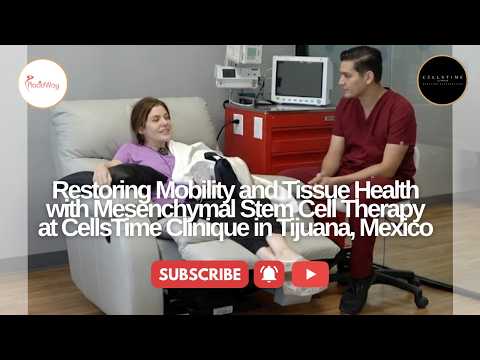
Just minutes south of San Diego, Tijuana has the highest concentration of regenerative medicine clinics in the world. It is the ideal choice for Vancouver patients who want a quick trip. You can land in San Diego, be picked up by the clinic driver, receive treatment, and return to your hotel—all within a few hours.
Puerto Vallarta: Healing by the Ocean
For those who want to combine recovery with a vacation, Puerto Vallarta offers JCI-accredited hospitals and top-tier stem cell centers. The warm climate is particularly beneficial for arthritis sufferers escaping the damp Vancouver winter. Direct flights from YVR make this a very convenient option.
Guadalajara: The Medical Capital
Known as the "Silicon Valley of Mexico," Guadalajara is home to major universities and research labs. It is often where the stem cells themselves are cultured before being distributed to other cities. Visiting here offers access to source laboratories and highly specialized medical professionals.
"Successful treatment isn't just about the injection. Top clinics in Mexico employ a multidisciplinary approach. This often includes ozone therapy to oxygenate the joint, PRP (Platelet Rich Plasma) to act as a fertilizer for the stem cells, and physical therapy guidance. This combination protocol significantly boosts the survival rate of the injected stem cells."
Frequently Asked Questions
Common questions from Vancouver patients considering stem cell therapy abroad.
Why is stem cell therapy for knees more effective in Mexico than Canada?
Mexican regulations allow for the cultivation and expansion of stem cells, resulting in treatments with hundreds of millions of cells. Canada restricts this process, limiting treatments to lower, unexpanded cell counts.
How much does stem cell knee treatment cost in Mexico?
Stem cell treatment for knee pain in Mexico typically range from $3,000 to $8,000 USD depending on the cell count (e.g., 30 million vs. 100 million cells). This is significantly lower than comparable treatments in the US which can exceed $20,000.
Is stem cell therapy covered by MSP in British Columbia?
No, stem cell therapy for osteoarthritis is considered an elective, experimental procedure by MSP and is not covered. This lack of coverage is a primary driver for Vancouver patients seeking affordable options abroad.
What types of stem cells are used for knee pain?
Clinics primarily use Mesenchymal Stem Cells (MSCs) derived from umbilical cord tissue (allogeneic) or the patient's own bone marrow/adipose tissue (autologous). Umbilical cells are preferred for their high potency and anti-inflammatory properties.
Is the treatment painful?
The procedure is minimally invasive. It involves a simple intra-articular injection into the knee joint, usually performed under local anesthesia. Most patients report only minor discomfort similar to a standard cortisone shot.
How long is the recovery time?
Recovery is rapid. Patients can usually walk immediately after the procedure. Doctors recommend resting for 24-48 hours and avoiding strenuous impact activities for 4-6 weeks to allow the cells to settle.
Are Mexican stem cell clinics safe?
Yes, reputable clinics are regulated by COFEPRIS (Mexico's equivalent to Health Canada). It is crucial to choose facilities that possess a valid license for regenerative medicine and use certified labs.
Can I fly back to Vancouver immediately?
Most patients can fly back to Vancouver the day after treatment. However, staying an extra day for observation is often recommended to ensure there is no unusual swelling or reaction.
What is the success rate for avoiding knee replacement?
While results vary, clinical data suggests that 70-80% of patients experience significant pain reduction and cartilage regeneration, potentially delaying or eliminating the need for total knee replacement surgery.
Regain Your Active Lifestyle
Don't let knee pain and long waiting lists in BC hold you back. PlacidWay connects Vancouver residents with the most advanced, licensed stem cell clinics in Mexico.
Get a free consultation to discuss protocol options, verify COFEPRIS licensing, and receive a personalized quote for your treatment.
Request Stem Cell Consultation.png)

















Share this listing