


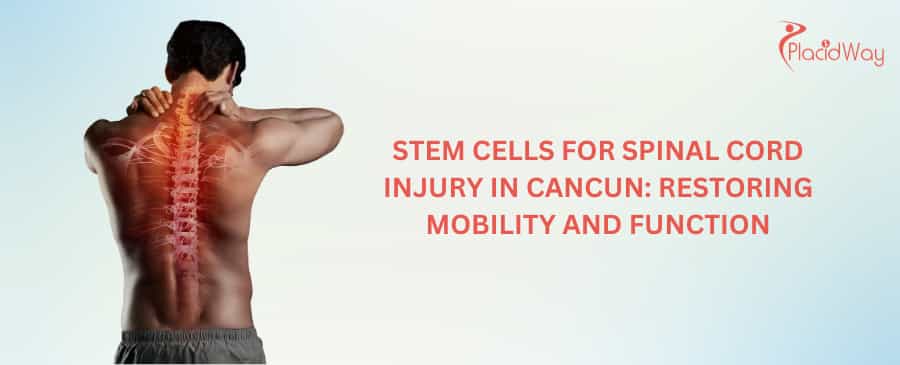
Seeking effective treatments for spinal trauma has led many individuals to explore innovative global healthcare options. One of the most promising avenues currently available is stem cells for spinal cord injury in Cancun, which offers a blend of advanced medical science and accessible care. Patients from around the world are discovering how regenerative medicine can potentially aid in restoring lost mobility and improving overall quality of life. By choosing this prominent Mexican destination, individuals gain access to dedicated specialists who utilize internationally recognized therapeutic protocols.
The core objective of these treatments is to harness the body's natural healing mechanisms to repair damaged neural pathways. Regenerative medicine in this region focuses on delivering high-quality cellular therapies tailored to the specific neurological needs of each patient. While outcomes vary, most patients typically experience a comprehensive approach that prioritizes safety, medical excellence, and supportive rehabilitation. Understanding the foundational concepts of this therapy is the first step toward making an informed healthcare decision.
- Cellular Regeneration: The therapy utilizes specialized cells to potentially repair damaged neural networks.
- Reduction of Inflammation: Treatments aim to minimize the chronic swelling that hinders nerve communication.
- Holistic Approach: Mexican medical facilities generally combine cellular injections with advanced physical rehabilitation.
- Global Standards: Providers adhere strictly to international biosafety and medical guidelines.
Mesenchymal stem cells (MSCs) have a unique ability to home in on areas of injury and inflammation, making them highly valuable for treating complex central nervous system trauma.
The Science Behind Regenerative Medicine for Spinal Trauma
The science supporting stem cells for spinal cord regeneration is rooted in the remarkable biological flexibility of these unique cells. When a spinal injury occurs, the body struggles to regenerate the complex nerve tissues required for motor function and sensation. Regenerative medicine introduces concentrated, robust cells into the affected area to secrete growth factors and cytokines. These biological signals are crucial for creating a microenvironment conducive to neurological healing and tissue survival.
Additionally, these treatments focus heavily on immunomodulation, meaning they help regulate the immune system to prevent further damage to surviving neurons. The paracrine effect—where cells release therapeutic proteins to nearby tissues—plays a significant role in promoting angiogenesis (the formation of new blood vessels). While this science is highly advanced, medical professionals in Mexico always ensure that patients understand realistic expectations, as full restoration of mobility is never guaranteed. This scientifically grounded approach forms the backbone of why so many seek treatment abroad.
- Neuroprotection: Cells release factors that protect existing healthy neurons from secondary damage.
- Immunomodulation: The therapy helps calm the aggressive immune response that typically follows spinal trauma.
- Axonal Sprouting: Treatment generally encourages the growth of new nerve fibers across the injury site.
- Myelin Repair: Cellular therapy may assist in rebuilding the protective myelin sheath around nerves.
Clinical studies suggest that over 60% of patients participating in comprehensive stem cell and rehabilitation protocols report some degree of improved sensory or motor function over a 12 to 24-month period.
Why Choose Cancun for Advanced Neurological Therapies
Cancun has rapidly evolved from a world-renowned vacation spot into a premier hub for high-quality medical travel. Choosing medical tourism in Cancun allows patients to access cutting-edge healthcare facilities equipped with state-of-the-art laboratory and surgical technology. The region boasts a dense concentration of highly trained neurologists, regenerative medicine specialists, and rehabilitation experts. These professionals frequently participate in international fellowships, bringing global expertise directly to their practices in Mexico.
Furthermore, the geographical proximity of Cancun to the United States and Canada makes it an incredibly convenient choice for North American patients. Direct flights are abundant, minimizing the physical toll of travel on individuals with severe mobility impairments. Beyond the medical advantages, the serene, tropical environment provides a calming atmosphere that can positively impact a patient's mental well-being during recovery. Patients consistently report that the compassionate care and personalized attention they receive here far exceed their expectations.
- Accessibility: Easy, direct flight access from most major North American and European cities.
- Accredited Infrastructure: Hospitals and labs frequently hold rigorous international healthcare certifications.
- Bilingual Staff: Most medical professionals and support teams speak fluent English to ensure clear communication.
- Healing Environment: The tranquil climate offers a stress-free backdrop for intensive medical recovery.
When planning your medical trip, ensure you request wheelchair-accessible ground transportation in advance, as specialized medical transport services are readily available throughout Cancun.
Affordable Stem Cell Therapy Cost for Spinal Cord Injury in Cancun
One of the most compelling reasons individuals travel abroad is the deeply affordable stem cell therapy cost for spinal cord injury in Cancun. In countries like the US or Canada, experimental or advanced regenerative therapies are often not covered by insurance, leading to exorbitant out-of-pocket expenses that can easily exceed $50,000. In contrast, the cost of living and lower administrative overhead in Mexico allow premier facilities to offer the exact same high-grade cellular treatments at a fraction of the price. This financial accessibility democratizes advanced healthcare for patients who need it most.
The cost of stem cell treatment for spinal cord injury in Mexico is generally presented as a comprehensive package, ensuring transparency. These packages usually encompass laboratory cell cultivation, medical consultations, the administration procedures, and preliminary post-op care. Below is a detailed comparison table illustrating the average financial breakdown, helping prospective medical tourists plan their healthcare budgets effectively.
| Procedure / Service | Average Cost in Cancun (USD) | Estimated Cost in US/Canada (USD) |
|---|---|---|
| Comprehensive Stem Cell Protocol (Multi-dose) | $12,000 - $18,000 | $35,000 - $60,000+ |
| Intrathecal Administration (per session) | $3,000 - $5,000 | $8,000 - $15,000 |
| Intravenous (IV) Infusion Therapy | $2,000 - $4,000 | $6,000 - $10,000 |
| Intensive Neurological Physiotherapy (per week) | $800 - $1,500 | $3,000 - $5,000 |
Medical tourists can generally save between 50% to 70% on their overall regenerative medical expenses by choosing Cancun, without compromising on the quality of the laboratory protocols or cellular viability.
Evaluating Candidates for Stem Cell Treatment in Mexico
Not every patient dealing with a spinal trauma will automatically qualify for these advanced therapies. Finding out if you are an ideal candidate involves a rigorous medical evaluation conducted by specialist neurologists. Stem cell clinics in Cancun require prospective patients to submit recent MRI scans, detailed medical histories, and reports from their primary physicians. This extensive vetting process ensures that the therapy is both safe and potentially beneficial for the individual's specific injury classification.
Ideal candidates are typically those whose medical condition is stable and who do not have severe underlying infections or active malignancies. It is important to remember that recent, incomplete spinal cord injuries generally respond better to cellular intervention than older, complete severances. Medical professionals strictly adhere to ethical guidelines, and they will honestly advise a patient against traveling if the procedure poses unnecessary risks or if the likelihood of improvement is negligible.
- Thorough Chart Review: Complete analysis of current imaging and neurological deficits.
- Overall Health Assessment: Ensuring the patient's immune system and major organs are stable enough for treatment.
- Realistic Expectations Setting: Mandatory consultations to discuss potential outcomes transparently.
- Timing of Injury: Evaluating the age of the injury to determine the most effective cellular protocol.
Stem cell therapy is strictly contraindicated for individuals with active cancer, uncontrolled systemic infections, or advanced organ failure. Always consult comprehensively with a qualified physician before planning medical travel.
Types of Stem Cells Used for Spinal Cord Regeneration
The success and safety of regenerative therapies rely heavily on the type and quality of the cells utilized during the procedure. In Cancun, facilities primarily utilize Mesenchymal Stem Cells (MSCs), which are highly regarded for their potent anti-inflammatory and regenerative properties. These cells can be ethically sourced from donated human umbilical cord tissue (allogeneic) or harvested directly from the patient’s own bone marrow or adipose tissue (autologous). The specific choice depends heavily on the patient's unique medical profile and the physician's recommendation.
Umbilical cord-derived MSCs are often favored in modern advanced neurological therapies because they are robust, young cells that multiply rapidly and possess a very low risk of immune rejection. Because they are cultivated in highly regulated, Good Manufacturing Practice (GMP)-certified laboratories, doctors can guarantee high cell counts and excellent viability. By understanding the cellular source, patients can feel more confident and secure in the scientific integrity of their chosen treatment plan.
- Umbilical Cord Tissue (Wharton’s Jelly): Young, potent cells with massive regenerative capacity.
- Bone Marrow Aspirate: Autologous cells drawn from the patient's hip, carrying zero risk of rejection.
- Adipose-Derived Cells: Extracted from fat tissue, useful for specific systemic inflammatory conditions.
- Exosomes: Extracellular vesicles sometimes used alongside stem cells to enhance intercellular communication.
Umbilical cord-derived MSCs are considered "immune-privileged," meaning they generally do not trigger an immune response, eliminating the need for patients to take harsh immunosuppressive drugs.
The Medical Tourism Experience for Spinal Cord Injury in Cancun
Embarking on a healthcare journey to another country can initially feel daunting, but the infrastructure for medical tourism in Cancun is specifically designed to alleviate patient stress. The experience is usually structured as an all-encompassing, concierge-level service where international patient coordinators manage the logistical details. From the moment you land at the international airport, dedicated personnel ensure that your transitions between the medical center and recovery spaces are seamless and wheelchair accessible.
This patient-centric approach allows individuals to focus entirely on their treatment and recovery rather than worrying about language barriers or appointment scheduling. Hospitals in the region frequently feature dedicated international wings, providing comforting amenities, private recovery suites, and familiar dietary options. Most patients experience a highly empathetic environment where medical staff dedicate ample time to answering questions, ensuring a deep sense of trust and comfort throughout the entire journey.
- Concierge Coordination: Dedicated case managers assigned to assist with every step of the medical schedule.
- Accessible Transport: Specialized vans equipped to handle severe mobility constraints safely.
- Bilingual Support: Translators and English-speaking doctors ensuring flawless communication.
- Comfortable Environment: World-class clinic amenities that rival high-end medical facilities globally.
Pack loose, comfortable clothing and all necessary medical equipment, such as specific braces or cushions, as familiar personal items will make your post-procedure rest much more comfortable.
Preparing for Your Regenerative Medicine Journey Abroad
Proper preparation is crucial to maximizing the safety and potential efficacy of stem cells for spinal cord injury in Cancun. In the weeks leading up to your trip, your medical team will typically require you to undergo specific blood panels and imaging tests locally to establish a definitive baseline. Furthermore, patients are generally advised to optimize their nutritional intake, stay hydrated, and abstain from smoking or excessive alcohol consumption, as these habits can severely impair cellular healing and circulation.
Additionally, organizing your medical records into a centralized, easily accessible digital folder will ensure your treating physicians in Mexico have a comprehensive view of your medical history. It is highly recommended to travel with a dedicated caregiver or family member who can provide physical assistance and emotional support. A well-prepared patient not only experiences a smoother procedural workflow but also generally handles the rigors of international travel much more comfortably.
- Medical Document Compilation: Gather all MRIs, surgical reports, and physician notes.
- Pre-Trip Testing: Complete requested blood work to confirm current health stability.
- Lifestyle Adjustments: Follow pre-op dietary and lifestyle guidelines provided by the clinic.
- Caregiver Coordination: Ensure a trusted companion is scheduled to accompany and assist you.
The Procedure Day: What to Expect During Stem Cell Administration
The day of the procedure is marked by rigorous safety protocols and a calm, reassuring clinical environment. Depending on the customized treatment plan, doctors typically administer the cells through a targeted intrathecal injection (directly into the spinal canal) or a systemic intravenous (IV) drip. The intrathecal method is heavily utilized in stem cells for spinal cord regeneration because it allows the biological material to bypass the blood-brain barrier, delivering high concentrations of restorative cells directly to the central nervous system fluid.
This minimally invasive administration is performed by highly skilled anesthesiologists and neurologists, usually under mild sedation or local anesthesia to ensure absolute patient comfort. The entire process generally takes only a few hours from preparation to completion. Afterward, patients are moved to a specialized recovery suite where their vital signs are continuously monitored. Most individuals experience no severe immediate pain, allowing for a relatively swift transition back to their rest quarters.
- Pre-Procedure Vitals: Comprehensive final checks of blood pressure, heart rate, and overall readiness.
- Anesthesia Application: Local anesthetic to minimize any discomfort during the lumbar puncture.
- Cellular Administration: Precise delivery of the prepared stem cells into the spinal fluid.
- Post-Op Monitoring: A mandatory observation period to ensure no immediate adverse reactions occur.
Intrathecal delivery has been shown in various clinical evaluations to increase the concentration of regenerative cells reaching the spinal lesion by up to 10 times compared to standard IV methods alone.
Post-Treatment Recovery and Rehabilitation Guidelines
Following the cellular administration, the journey to potential recovery enters its most crucial phase: intensive neuro-rehabilitation. Medical tourism in Cancun offers the unique advantage of combining the biological treatment with immediate, specialized physical therapy. Patients are typically advised to rest flat for the first 24 hours to prevent spinal headaches, after which an individualized physical therapy regimen slowly begins. This therapy aims to retrain the brain and spinal cord, taking advantage of the newly introduced neuroplasticity.
Doctors emphasize that stem cells act as the "seeds," but physical therapy provides the necessary "water and sunlight" for growth. Patients generally engage in guided exercises, functional electrical stimulation (FES), and aquatic therapy. Returning home does not mark the end of the process; individuals must continue rigorous daily physical therapy routines to maximize the potential of their affordable stem cell therapy in Cancun. Ongoing telemedicine consultations are usually scheduled to monitor long-term progress.
- Initial Rest Period: Strict horizontal rest to allow cells to settle and prevent fluid leakage.
- Physical Therapy Integration: Immediate activation of paralyzed or weakened muscle groups safely.
- Occupational Therapy: Focusing on regaining independence in daily living activities.
- Long-Term Follow-up: Routine check-ins with Mexican doctors via video conferencing.
Neurological healing is not instantaneous. The biological effects of cellular therapies can continue to unfold and promote tissue repair for up to 6 to 9 months post-injection.
Understanding the Risks and Realistic Treatment Outcomes
Transparency regarding risks and expected outcomes is a hallmark of ethical medical practice. While utilizing stem cells for spinal cord injury in Cancun offers exciting possibilities, it is vital to acknowledge that it is not a guaranteed cure. Treatment responses are highly subjective, varying greatly depending on the severity, location, and age of the spinal cord lesion. Medical experts generally report that improvements typically manifest as increased core stability, enhanced bowel/bladder control, or improved sensation, rather than a sudden return of full walking ability.
Safety is tightly controlled, but any invasive medical procedure carries inherent risks. Most patients experience only mild, transient side effects, such as a low-grade fever, fatigue, or soreness at the injection site. Severe complications, such as infections or spinal fluid leaks, are statistically rare when the procedure is performed by certified neurologists in sterile environments. Maintaining realistic expectations and comprehensively discussing all potential scenarios with your healthcare provider is paramount to a successful medical journey.
- Common Side Effects: Temporary fatigue, mild headache, and localized tenderness.
- Rare Complications: Infection or adverse immune reactions (highly minimized with thorough screening).
- Variable Results: Potential improvements in sensation, motor control, or autonomic functions.
- No Guarantees: Ethical clinics will never promise a 100% cure or immediate reversal of paralysis.
Many patients find that even minor improvements, such as regaining partial trunk control or sweating capabilities, drastically reduce secondary health complications and improve their quality of life.
Patient Success Stories for Spinal Cord Treatments in Cancun
The true impact of any medical procedure is best understood through the experiences of those who have undergone it. Numerous international patients have traveled for the cost of stem cell treatment for spinal cord injury in Mexico and returned home with stories of renewed hope and functional progress. These testimonials reflect the profound dedication of the Mexican medical teams and the potential power of cellular therapies.
While every journey is unique, recognizing the shared milestones in these patient narratives can provide immense comfort to prospective medical tourists. Below are summarized case studies of individuals who typically experienced positive changes following their comprehensive regenerative treatments and rigorous rehabilitation protocols in Cancun.
Regaining Trunk Stability
After suffering a T4 incomplete injury in a motor vehicle accident, Michael (42) struggled with core control. Following his intrathecal cellular therapy in Cancun and six months of diligent physical therapy, he generally experienced significant improvements in his trunk stability, allowing him to sit unsupported for extended periods.
Improved Sensation and Spasticity Reduction
Sarah (28), a cervical injury patient, traveled to Mexico seeking relief from severe muscle spasticity. Post-treatment, she noted a marked reduction in spasms and a gradual return of light touch sensation in her upper extremities, greatly enhancing her ability to perform daily personal tasks.
Enhanced Autonomic Function
David (55) opted for stem cell treatments primarily to address complications related to autonomic dysreflexia. Within a few months of his therapy, he reported a more stable blood pressure profile and improved bladder awareness, which profoundly decreased his anxiety and increased his independence.
A Journey of Hope and Care
Emily (34) emphasizes the incredible compassion she received. While her motor improvements were gradual, the holistic care approach, combining advanced cell therapy with emotional support from the bilingual staff, provided her with a renewed, positive outlook on her lifelong rehabilitation journey.
How PlacidWay Assists Your Stem Cell Therapy Journey in Cancun
Navigating the complex landscape of international healthcare can be overwhelming, especially when managing severe neurological conditions. As a leading medical tourism platform, PlacidWay is dedicated to simplifying your search for reliable stem cell clinics in Cancun. We empower patients by connecting them with internationally accredited medical providers who meet stringent standards for safety and ethical medical practice.
Our goal is to ensure that your decision-making process is fully informed and completely transparent. By leveraging our extensive network, you gain access to comprehensive provider profiles, enabling you to confidently take the next step toward innovative healthcare solutions.
- Providing access to rigorously vetted and internationally accredited medical centers.
- Facilitating direct communication with top-tier specialized medical professionals.
- Offering transparent, detailed cost estimates for specific cellular protocols.
- Supplying comprehensive provider profiles, including verified doctor credentials.
- Assisting with acquiring preliminary medical evaluations and second opinions remotely.
Frequently Asked Questions About Spinal Cord Injury Treatment in Mexico
Prospective patients understandably have numerous questions regarding the logistics, safety, and science of regenerative treatments abroad. We have compiled the most common inquiries regarding medical tourism in Cancun for neurological care. This resource is designed to provide clear, accessible answers to help you navigate your healthcare journey.
Reviewing these frequently asked questions will give you a stronger foundation of knowledge before consulting with your specialist. Knowledge is empowering, especially when evaluating advanced therapies like stem cells for spinal cord regeneration.
Am I a good candidate for stem cell therapy for a spinal cord injury?
Candidates generally include individuals with stable medical conditions who have not responded well to conventional treatments. A comprehensive medical evaluation by specialists is necessary to determine if this therapy is appropriate for your specific injury level and overall health.
How much does stem cell therapy for a spinal cord injury cost in Mexico?
The affordable stem cell therapy cost for spinal cord injury in Cancun typically ranges from $10,000 to $25,000, depending on the specific protocol and number of cell doses. This is significantly lower than the cost in the US or Canada, which can exceed $50,000 for similar treatments.
What type of stem cells are generally used for neurological conditions in Cancun?
Medical professionals in Mexico generally utilize mesenchymal stem cells (MSCs) derived from ethically sourced umbilical cord tissue or the patient’s own bone marrow. These cells are preferred for their strong immunomodulatory properties and their ability to promote tissue repair without severe ethical concerns.
Is it safe to travel to Cancun for regenerative medicine procedures?
Yes, medical tourism in Cancun is widely considered safe when utilizing accredited facilities and certified medical professionals. The city boasts modern medical infrastructure specifically designed to accommodate international patients seeking advanced healthcare treatments.
How are stem cells administered for spinal cord injuries?
Administration is typically performed via intrathecal injection, delivering cells directly into the spinal fluid, or through intravenous (IV) infusion. This dual approach helps maximize the concentration of cells reaching the central nervous system to support localized healing.
How long does the recovery process take after the procedure?
Initial recovery from the minimally invasive administration usually takes a few days to a week. However, the regenerative process continues over several months, requiring dedicated physical therapy to maximize potential functional improvements.
Can stem cell therapy completely cure a spinal cord injury?
There is currently no guaranteed cure for spinal cord injuries, and regenerative medicine should not be viewed as a definitive fix. The goal of stem cells for spinal cord regeneration is typically to reduce inflammation, protect healthy nerves, and potentially improve a patient's functional independence.
Do I need a special visa to travel to Mexico for medical treatment?
Most international patients from the US, Canada, and Europe do not require a special medical visa for short stays in Mexico. A standard tourist permit is usually sufficient, though you should always verify current entry requirements with your local consulate prior to travel.
What are the potential side effects of this regenerative treatment?
Most patients experience only mild, temporary side effects such as fatigue, localized pain at the injection site, or a low-grade fever. Severe adverse reactions are rare, especially when cells are properly screened and administered by experienced neurological specialists.
Will I need to undergo physical therapy after the stem cell treatment?
Yes, rigorous physical therapy and neuro-rehabilitation are crucial components of the healing journey following cellular administration. Rehabilitation helps retrain the nervous system and muscles, generally optimizing the potential benefits of the regenerative treatment.
Ready to explore your options for stem cell therapy for spinal cord injury in Cancun? Let PlacidWay guide you toward trusted medical providers.
- Mayo Clinic. Spinal cord injury. https://www.mayoclinic.org/diseases-conditions/spinal-cord-injury/symptoms-causes/syc-20377890
- National Institutes of Health (NIH). Stem Cells in Spinal Cord Injury. https://pmc.ncbi.nlm.nih.gov/articles/PMC2678281/
- World Health Organization (WHO). Spinal cord injury. https://www.who.int/news-room/fact-sheets/detail/spinal-cord-injury
- ClinicalTrials.gov. Stem Cell Therapy for Spinal Cord Injury. https://clinicaltrials.gov/study/NCT02027246



.png)
.png)
.png)
.png)

.png)
.png)
.png)
.png)








Share this listing