
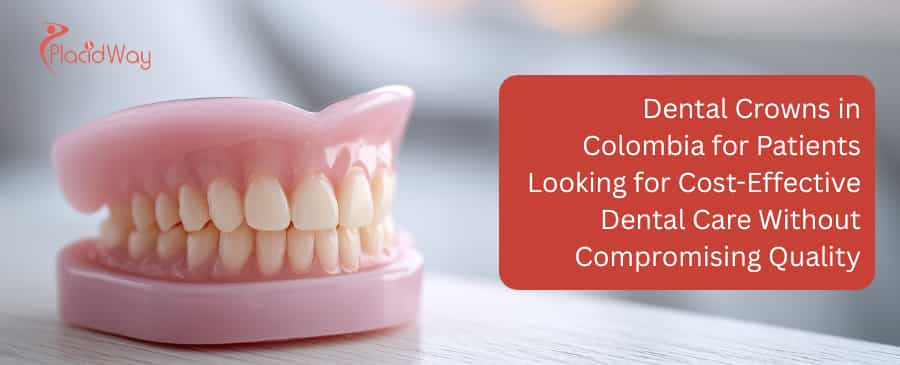
High dental restoration costs and concerns about finding the right provider can lead many people to explore dental crowns in Colombia as an international treatment option. When comparing restorative dentistry abroad, you may want to understand the differences between materials such as Zirconia and E-max, how pricing is determined, and which qualifications a dental clinic should have before you begin treatment. Checking credentials such as Colombian Ministry of Health (MinSalud) requirements, dentist qualifications, treatment plans, and follow-up care details can help you better evaluate your options and plan your dental restoration journey.
- Estimated Cost: Typically ranges from $350 to $600 USD per tooth, depending on the material.
- Safety Overview: Highly safe when utilizing clinics certified by the Ministry of Health and Social Protection (MinSalud).
- Ideal Candidate: Patients with severe tooth decay, fractured teeth, or those needing protection after a root canal.
- Recovery Time: Usually 1 to 3 days of mild sensitivity, with immediate return to normal activities.
- Main Reason to Choose Colombia: Access to board-certified prosthodontists using cutting-edge CAD/CAM technology at a fraction of North American prices.
- Important Caution: Always verify that your chosen specialist is registered with the Colombian Dental Federation to ensure rigorous standard compliance.
Understanding Dental Crowns in Colombia
A dental crown is a custom-fitted cap placed over a damaged or decayed tooth to restore its shape, strength, and function. Many international patients look into restorative dentistry options because local prices often make comprehensive care inaccessible. When you choose a certified clinic in this South American medical hub, you gain access to the same high-grade materials used in North America.
Traveling for this procedure requires careful planning and a clear understanding of the local healthcare ecosystem. Thousands of patients successfully complete their treatments each year by thoroughly vetting their providers and understanding exactly what the process entails.
- Savings of up to 60% compared to average dental fees in the US and Canada.
- Treatments performed by prosthodontists who frequently train internationally.
- Access to same-day crown fabrication using advanced digital scanning.
- Strict adherence to national health and sterilization regulations.
- The opportunity to recover in a vibrant, culture-rich destination like Bogotá or Medellín.
Types of Dental Crown Materials Available
Your prosthodontist will recommend a specific material based on the location of the tooth, your bite alignment, and your aesthetic goals. Selecting the right restorative material ensures longevity and comfort for your new smile. Colombian clinics stock materials from globally recognized dental manufacturers.
| Material Type | Best Suited For | Aesthetic Quality | Durability |
|---|---|---|---|
| Zirconia | Molars and heavy biters | High (Opaque) | Exceptionally Strong |
| E-max (Lithium Disilicate) | Front teeth (Incisors) | Excellent (Translucent) | Very Good |
| Porcelain Fused to Metal (PFM) | Back teeth bridges | Moderate | Strong |
| Full Gold/Metal | Out-of-sight back molars | Low | Maximum Longevity |
Ideal Candidates for Restorative Dentistry
Not everyone is an immediate candidate for a final restoration, as underlying oral health issues must be addressed first. Your dentist will evaluate your jawbone density, gum health, and the structural integrity of the natural tooth root. If you have active periodontal disease or severe root infections, you may require preliminary treatments before a cap can be safely placed.
A comprehensive 3D cone beam CT scan is often required to check for hidden infections. Only after your mouth is deemed healthy can the tooth preparation begin.
Before booking your flight, request a preliminary virtual consultation. Send your recent panoramic X-rays to the Colombian clinic. This helps the specialist determine if you need root canal therapy before the crown placement, preventing unexpected costs upon arrival.
The Dental Crown Procedure Timeline
Understanding the steps involved in receiving your new teeth helps reduce travel anxiety and ensures you plan enough time abroad. Most traditional restorations require two visits spaced a few days apart. However, many top-tier digital clinics now offer single-visit solutions using in-house milling machines.
- Step 1: Clinical Evaluation (Day 1) - Comprehensive exam, 3D imaging, and discussion of material options.
- Step 2: Tooth Preparation (Day 1) - Reshaping the enamel under local anesthesia and taking digital impressions.
- Step 3: Temporary Placement (Day 1) - A temporary acrylic cap is placed if the final cap requires external lab fabrication.
- Step 4: Final Cementation (Day 3 or 4) - The permanent restoration is checked for bite alignment, adjusted, and permanently bonded.
Cost of Dental Crowns in Colombia vs. Other Countries
One of the primary motivations for traveling is the significant reduction in out-of-pocket expenses for major dental work. While prices vary by city, clinic reputation, and material choice, the financial benefits remain substantial. It is crucial to request an itemized written quote to understand exactly what your treatment package includes.
Be aware that the base price usually covers the cap itself, but you may need to budget for consultation fees, X-rays, or temporary caps. Always ask your clinic about potential hidden costs before traveling.
| Destination Country | Average Cost (Zirconia) | Average Cost (Porcelain/PFM) |
|---|---|---|
| United States | $1,200 - $2,500 | $800 - $1,500 |
| Canada | $1,000 - $2,200 | $900 - $1,400 |
| Colombia | $450 - $600 | $350 - $450 |
Patient Demographics and Dental Tourism Trends
Understanding who travels for healthcare provides valuable insight into the reliability of this destination. Recent data verified through 2024–2026 cross-border healthcare reports highlights a consistent increase in international patients seeking restorative dentistry in major Colombian cities. North Americans make up the vast majority of this demographic.
Analyzing demographic data reveals that older adults frequently travel for full-mouth reconstructions, while younger individuals often seek targeted aesthetic enhancements. Both groups prioritize high-quality CAD/CAM materials and board-certified specialists when making their decisions.
Choosing the Right Dental Clinic
Selecting a safe and reputable facility is the most critical step in your medical tourism journey. You must look beyond glossy marketing photos and verify the clinic's legal standing with local health authorities. Reputable clinics will proudly display their compliance with national healthcare frameworks.
Do not assume that international accreditation like JCI is mandatory; many exceptional Colombian clinics operate safely under strict national regulations.
- Verify licensing with the Ministry of Health and Social Protection (MinSalud).
- Check for operational permits from the local Secretaría de Salud.
- Ensure the clinic utilizes advanced digital scanning (CAD/CAM) technology.
- Confirm the availability of English-speaking staff or dedicated patient coordinators.
- Ask for a transparent, itemized treatment plan before traveling.
Selecting a Qualified Prosthodontist
The success of your restoration depends heavily on the skill and experience of the dentist performing the procedure. A general dentist can place simple caps, but a specialized prosthodontist undergoes additional years of training focused entirely on complex oral rehabilitation and bite alignment.
When reviewing doctor profiles, ask about their annual case volume for the specific materials you are considering.
Always verify that your chosen dentist is registered with the Federación Odontológica Colombiana (Colombian Dental Federation). Ensure they hold a recognized specialty degree in Prosthodontics or Oral Rehabilitation from an accredited university, rather than just taking weekend certification courses.
Risks and Potential Complications
Like any medical procedure, restorative dentistry carries inherent risks that you must discuss with your healthcare provider. While complications are relatively rare when performed by specialists, being aware of them helps you seek prompt care if issues arise.
Understanding these risks allows you to evaluate the clinic's complication management protocol and revision policies before you commit.
| Potential Risk | Biological Cause | Prevention Strategy |
|---|---|---|
| Nerve Inflammation | Heat or trauma during tooth preparation | Specialist uses precise cooling techniques during drilling |
| Poor Margins | Inaccurate impression or milling error | Use of highly accurate 3D intraoral scanners |
| Bite Misalignment | Cap cemented at incorrect height | Thorough articulation checks before permanent bonding |
| Material Fracture | Excessive grinding (Bruxism) on porcelain | Use of Monolithic Zirconia and providing a night guard |
Recovery and Aftercare Expectations
Proper post-procedure care ensures the longevity of your restoration and prevents secondary issues from developing. You may experience mild sensitivity to hot and cold foods for a few days as the underlying nerve settles from the dental work.
Adhering to your dentist's guidelines regarding oral hygiene and dietary restrictions immediately following the procedure is vital for a smooth recovery.
| Timeframe | Patient Sensation | Action Required |
|---|---|---|
| First 24 Hours | Numbness fading, mild gum tenderness | Avoid chewing hard or sticky foods on the treated side |
| Days 2-3 | Minor temperature sensitivity | Use toothpaste for sensitive teeth, rinse with warm salt water |
| 1 Week | Normal feeling restored, bite feels natural | Resume normal brushing and flossing routines |
| Long-Term | Complete integration | Schedule bi-annual cleanings and wear a night guard if recommended |
Combining Dental Crowns with Other Treatments
Many international patients maximize their travel investment by bundling multiple dental procedures into a single trip. Common add-ons include professional teeth whitening, dental implants, or porcelain veneers to achieve a comprehensive smile makeover.
While bundling saves money and travel time, it also requires longer chair time and may extend your necessary stay in the country.
Pros of Combining Treatments
- Only pay for one round-trip flight and accommodation set.
- Achieve a complete aesthetic and functional transformation at once.
- Consolidate recovery time into a single period.
Cons of Combining Treatments
- Requires longer, potentially exhausting dental appointments.
- Increased initial upfront cost compared to a single procedure.
- May require a longer hotel stay to monitor complex recoveries.
Travel and Logistics for Your Dental Trip
Organizing your trip requires carefully coordinating your clinic appointments with your flight and accommodation schedules. Major hubs like Bogotá, Medellín, and Cartagena offer excellent healthcare infrastructure alongside robust tourism amenities, making them highly accessible for foreign visitors.
Most dental clinics accustomed to international patients offer concierge services, which can include airport transfers and assistance with booking comfortable lodging near the clinic.
- Ensure your passport is valid for at least six months beyond your travel dates.
- Book flights that allow an extra buffer day before and after your scheduled treatments.
- Confirm exactly which payment methods (credit cards, cash, wire transfers) the clinic accepts.
- Ask your clinic if they provide medical complication insurance for international travelers.
Frequently Asked Questions
Patients researching restorative dentistry abroad often have similar concerns regarding safety, materials, and longevity. Reviewing these common questions can help you make an informed decision and prepare for discussions with your chosen specialist.
How long do dental crowns placed in Colombia typically last?
When crafted from high-quality materials like Zirconia or E-max and placed by a certified prosthodontist, restorations can last 10 to 15 years, or even longer. Your oral hygiene habits and whether you grind your teeth significantly impact their lifespan.
Do Colombian dentists use the same materials as US dentists?
Yes, reputable clinics import FDA-approved materials from major global dental manufacturers. You will have access to the exact same Zirconia, lithium disilicate (E-max), and porcelain blocks used in top North American and European practices.
Is the dental crown procedure painful?
The procedure is performed under local anesthesia, ensuring you feel no pain during tooth preparation. You may experience minor pressure during the final cementation and mild gum tenderness for a few days following the treatment.
How many days should I stay in Colombia for this treatment?
For a standard restoration requiring a dental laboratory, plan to stay between 5 to 7 days. If the clinic utilizes advanced CAD/CAM technology for same-day fabrication, your required stay may be as short as 3 to 4 days.
What happens if my crown falls off after I return home?
While rare, if a cap debonds, a local dentist in your home country can usually re-cement it easily. Reputable clinics provide warranties on their work, though you should clarify their specific revision policy regarding travel costs before treatment.
Can I eat normally with my new restoration?
Once permanently cemented and fully healed, you can eat a normal diet. However, you should avoid using your restored teeth as tools to open packages, and exercise caution with extremely hard foods like ice or hard candies to prevent chipping.
Do I need a root canal before getting a crown?
Not always. A root canal is only necessary if the dental pulp is infected or irreversibly damaged. Your specialist will review your 3D X-rays to determine if the tooth root is healthy enough to support a cap without endodontic therapy.
What is the difference between Zirconia and E-max?
Zirconia is highly durable and ideal for back molars that endure heavy chewing forces, though it can look slightly opaque. E-max offers superior translucency that closely mimics natural enamel, making it the preferred choice for visible front teeth.
Are Colombian dental clinics safe and sanitary?
Yes, clinics licensed by the Ministry of Health and Social Protection (MinSalud) must adhere to rigorous national sterilization and biosafety protocols. Many modern facilities utilize autoclave sterilization that matches or exceeds North American standards.
Can I travel for dental work if I do not speak Spanish?
Yes, many specialists catering to medical tourists are fluent in English. Additionally, established clinics typically provide dedicated bilingual patient coordinators who assist with communication, transportation, and medical translations throughout your visit.
Ready to Restore Your Smile?
PlacidWay can help you compare highly rated clinics, understand treatment costs, and request personalized quotes from verified prosthodontists. Take the next step toward affordable, high-quality dental care today.
Request Free InformationDisclaimer: This information is for educational purposes only and does not replace professional medical advice. Always consult a qualified healthcare provider before making medical decisions.
References
- National Healthcare Regulations and Provider Licensing – Ministry of Health and Social Protection (MinSalud)
- Registry of Certified Dental Professionals – Colombian Dental Federation (Federación Odontológica Colombiana)
- Travel Health Guidelines for Colombia – Centers for Disease Control and Prevention (CDC)
- Dental Crowns Overview and Material Guidance – American Dental Association (ADA)
- Specialist Education and Restorative Dentistry Standards – American College of Prosthodontists
- 2024 Medical Tourism Trends and Patient Safety Protocols – ProColombia























Share this listing