


.png)
For decades, individuals struggling with severe substance use disorder have faced a daunting landscape of traditional rehabilitation methods that often yield high relapse rates. The global opioid epidemic has forced the medical community to look beyond conventional maintenance therapies like Methadone and Suboxone, leading to a profound resurgence of interest in alternative, highly effective psychoactive treatments. At the forefront of this holistic revolution is Ibogaine therapy, a powerful, naturally occurring alkaloid that has shown unprecedented success in rapidly interrupting severe chemical dependencies.
Because the clinical use of this powerful plant medicine remains highly restricted in many regions, thousands of patients annually turn to medical tourism. Destinations offering safe, heavily regulated, and comprehensive Ibogaine treatment in Mexico have emerged as vital sanctuaries for healing. By combining advanced medical monitoring with deep psychotherapeutic integration, these top-rated facilities are offering a true second chance at life for those who felt entirely consumed by addiction.
Key Takeaways:
- Unprecedented Efficacy: Ibogaine is celebrated for eliminating 90-100% of physical opiate withdrawal symptoms within 24 hours of administration.
- Significant Savings & Value: Seeking holistic detox in Tijuana or Cancun can save patients 40-60% compared to luxury, long-term traditional rehabs in their home countries, while offering faster, more profound results.
- Comprehensive Care Inclusions: Premium packages generally include airport transfers, EKG/blood panel screenings, 24/7 medical supervision, the therapeutic flood dose, and professional psychological integration.
- Average Cost Breakdown:
- Mexico (Tijuana): $5,000 – $8,000 (Highly accessible, clinical focus)
- Mexico (Cancun): $7,000 – $10,000 (World-class resort infrastructure, holistic integration)
Understanding Ibogaine Therapy for Substance Abuse
Discover how this psychoactive alkaloid differs from traditional maintenance treatments by offering a dual-action approach to severe chemical dependency.
Unlike traditional pharmaceutical interventions that merely substitute one opioid for another to manage withdrawal, Ibogaine acts as an addiction interrupter. Derived from the native Tabernanthe iboga shrub, this powerful alkaloid addresses both the physiological and psychological pillars of substance use disorder. When an individual travels for Ibogaine therapy in Mexico, they are not signing up for a symptom-management program; they are undergoing a complete neurological and spiritual reset.
The primary draw for international patients is Ibogaine’s astonishing ability to bypass the agonizing detox phase associated with opiates, heroin, fentanyl, and alcohol. Traditional detox can take weeks of excruciating pain, which is the leading cause of early rehab abandonment. By interacting directly with the brain's neurotransmitter receptors, Ibogaine dramatically reduces the physical cravings and visceral pain of withdrawal, allowing the patient to focus on the deep psychological healing necessary for true, long-term sobriety.
The Iboga root bark has been used for centuries by indigenous tribes in their spiritual initiation rites. It wasn't until 1962 that researchers accidentally discovered its profound anti-addictive properties when they realized their strong substance cravings had completely vanished after consuming the plant extract.
How Ibogaine Resets the Addicted Brain?
Explore the complex pharmacological pathways Ibogaine utilizes to restore neuroplasticity and heal trauma-damaged brain chemistry.
The clinical success of medical tourism for addiction relies heavily on the profound neurochemical changes triggered by Ibogaine. Once ingested, the liver metabolizes Ibogaine into noribogaine, a long-acting metabolite that stays in the body for weeks. This is a critical scientific mechanism. Noribogaine acts as a serotonin reuptake inhibitor and binds to opioid receptors, effectively blocking the cravings and mood swings that typically drive an addict back to substance abuse. This prolonged "afterglow" period provides a vital window for behavioral therapies to take root.
Furthermore, medical studies indicate that Ibogaine promotes the release of Glial cell line-derived neurotrophic factor (GDNF). GDNF is a protein that stimulates the growth and survival of neurons, effectively repairing the dopamine reward pathways that have been hijacked and damaged by chronic drug use. This neurotransmitter reset restores the brain to a pre-addiction state of neuroplasticity, allowing patients at certified medical facilities to break deeply ingrained behavioral loops and address the underlying psychological trauma that fueled their addiction.
"The true power of this therapy lies in its dual action. While traditional detox only addresses the physical body, the oneirophrenic (waking dream) state induced by an Ibogaine flood dose allows patients to objectively view their past traumas without emotional attachment. It is decades of psychotherapy compressed into a single, profound 24-hour medical event."
Step-by-Step Treatment Journey in Top Medical Destinations
From initial clinical screening to the final integration phase, understand the sequential pathway of an international psychedelic detox program.
1. Extensive Medical Screening and Stabilization
Patient safety is the absolute priority at JCI-accredited centers and specialized clinics abroad. The journey begins weeks before travel with telemedicine consultations. Upon arrival in destinations like Cancun or Tijuana, patients undergo rigorous physical examinations. This includes comprehensive blood panels, liver and kidney function tests, and crucial Electrocardiograms (ECGs). Because Ibogaine can affect heart rhythms (QT prolongation), certified medical staff must ensure the patient's cardiovascular system is robust enough to handle the treatment. Patients addicted to short-acting opiates may be stabilized on morphine for a brief period to ensure a clean transition.
2. The Ibogaine Flood Dose Experience
The core of the treatment is the administration of the flood dose, calculated precisely based on the patient's body weight and addiction severity. Conducted in a quiet, medically monitored room with heart rate and oxygen saturation continuously tracked, the patient ingests the alkaloid. Within an hour, the acute psychoactive phase begins. Patients often experience a "waking dream," navigating vivid memories, confronting subconscious blockages, and gaining profound insights into the root causes of their destructive behaviors. This intense, introspective journey typically lasts between 12 and 24 hours.
3. Post-Treatment Integration and Recovery
The days following the acute phase are crucial. Known as the integration phase, this is where the profound psychological insights are translated into actionable life changes. International clinics provide a serene environment—often involving yoga, meditation, massage therapy, and intensive cognitive behavioral therapy (CBT). The lingering presence of noribogaine in the system ensures the patient remains free from physical withdrawal symptoms and cravings, allowing them to fully engage with psychological counselors to build a robust relapse-prevention plan before returning home.
Why Choose Mexico for Ibogaine Clinics?
Learn why this destination has become the global epicenter for safe, legal, and highly effective psychedelic-assisted therapies.
Because Ibogaine remains strictly scheduled in many Western nations, a robust and highly professional medical tourism sector has flourished in Mexico. Ibogaine treatment in Mexico, particularly in cities like Tijuana, Rosarito, and Cancun, is entirely legal and regulated under medical frameworks. These regions have attracted world-class medical talent, including emergency physicians and trauma psychologists, who operate in top-rated facilities that rival the cleanliness, technology, and luxury of upscale Western hospitals.
Furthermore, Mexico has emerged as a premier destination for those seeking a profound healing experience. The country's strong healthcare infrastructure, combined with its cultural emphasis on holistic well-being and hospitality, makes it an ideal setting for vulnerable patients navigating the fragile early days of recovery. Facilities understand the unique needs of the international medical traveler, offering comprehensive concierge services that handle everything from airport VIP pick-ups to post-treatment virtual counseling.
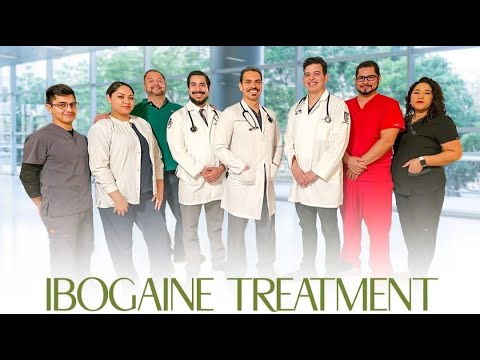
Many specialized clinics in Mexico boast a higher staff-to-patient ratio than standard rehabs internationally. It is common for a single patient undergoing an Ibogaine opiate detox to be attended to by a dedicated physician, two registered nurses, and a psychotherapist simultaneously during their flood dose.
Cost Comparison for Ibogaine Addiction Treatment
Analyze the financial investment required for comprehensive package options across the most trusted medical tourism hubs.
The cost of Ibogaine therapy varies significantly based on the region within Mexico, the luxury level of the accommodations, and the duration of the clinical stay. However, when compared to traditional 30-to-90-day inpatient rehab programs back home—which can easily exceed $30,000 to $50,000 and often require multiple stints—psychedelic therapies abroad offer profound value. The tables below highlight average pricing for comprehensive packages that prioritize safety, medical excellence, and clinical success.
| Procedure / Treatment Package | Destination | Estimated Price Range (USD) | Core Inclusions | Avg. Duration |
|---|---|---|---|---|
| Clinical Opiate Detox | Tijuana, Mexico | $5,000 - $8,000 | Pre-med screening, ECG, Flood Dose, Private Room, 24/7 Nursing | 7 - 10 Days |
| Luxury Holistic Retreat | Cancun, Mexico | $7,000 - $10,000 | Resort stay, Psychotherapy, Massage, Integration Coaching, Organic Meals | 10 - 14 Days |
"While the initial price tag for a week-long clinic stay may seem substantial, the economic burden of chronic addiction over a single year far outweighs this investment. Patients seeking a buprenorphine alternative are effectively purchasing their time, health, and familial relationships back from the grip of dependency."
Success Rates and Long-Term Recovery
Examine the realistic outcomes of psychedelic interventions and the vital importance of continued holistic support for lifelong sobriety.
It is vital for patients and their families to understand that while Ibogaine is often described as a miracle, clinically, it is classified as a powerful catalyst. Observational studies from certified medical facilities globally report that up to 70-80% of patients remain clean from severe opiates for at least six months following treatment—a success rate that drastically eclipses the traditional 10-20% success rates of conventional rehabs. The eradication of physical withdrawal symptoms provides a massive head start, but the mind must be continuously trained to maintain this newfound freedom.
Long-term recovery relies heavily on what happens after the patient leaves the clinic in Mexico. Successful addiction recovery retreats mandate extensive integration programs. Patients must return to a supportive environment, actively participate in ongoing counseling, make necessary lifestyle changes, and often engage in community support groups. Ibogaine opens a door that has been welded shut by trauma and chemical dependency; however, the patient must be the one to continually choose to walk through it every single day.
Frequently Asked Questions
Find clear, medically accurate answers to the most common questions international patients have regarding psychoactive addiction therapies.
What is Ibogaine and how does it treat addiction?
Ibogaine is a naturally occurring psychoactive alkaloid derived from the root bark of the native Iboga plant. It treats addiction by rapidly resetting neurological pathways, which helps drastically reduce physical opioid withdrawal symptoms and severe drug cravings.
Is Ibogaine treatment legal everywhere?
Currently, Ibogaine is classified as a controlled substance in many regions, making it illegal for clinical use in those areas. Because of this, many patients seek medically supervised Ibogaine treatment in Mexico where it operates under legal medical frameworks.
Why do patients travel to Mexico for Ibogaine therapy?
Patients travel to Mexico because it boasts a mature infrastructure for psychedelic-assisted therapies. Cities like Tijuana and Cancun offer JCI-accredited centers and top-rated facilities staffed by certified medical professionals who specialize in safe, monitored Ibogaine administration.
What addictions can Ibogaine treat effectively?
Ibogaine is most renowned for treating opioid use disorder (including heroin, fentanyl, and prescription painkillers). However, it is also highly effective for treating addictions to alcohol, cocaine, methamphetamine, and severe behavioral addictions.
How long does the complete Ibogaine treatment process take?
A standard medical Ibogaine treatment protocol typically lasts between 7 to 14 days. This timeline includes comprehensive pre-treatment medical screening, the acute flood dose experience, and a vital post-treatment psychological integration phase.
What exactly is an Ibogaine flood dose?
An Ibogaine flood dose is a medically calculated, high-milligram dose designed to induce a deep, psychoactive, and introspective state. This acute phase lasts 12 to 24 hours and is primarily responsible for interrupting the physical addiction and processing deep psychological trauma.
Are there medical risks associated with Ibogaine?
Yes, Ibogaine can present cardiovascular risks, specifically bradycardia and QT interval prolongation. Therefore, it is critical that treatment occurs only at certified medical facilities equipped with continuous ECG monitoring and advanced life support capabilities.
How much does an Ibogaine treatment package cost in Cancun?
In Cancun, Mexico, comprehensive Ibogaine holistic retreat packages typically range from $7,000 to $10,000. These comprehensive packages generally include luxury accommodations, pre-medical screening, the Ibogaine dose, psychotherapy, and post-treatment integration.
Does Ibogaine cure addiction permanently?
Ibogaine is not a magic cure, but rather a powerful addiction interrupter. It provides a unique window of opportunity by eliminating physical withdrawals and cravings, but long-term success requires ongoing psychotherapy, integration, and lifestyle changes.
What kind of medical supervision is provided during treatment?
At top-rated international facilities, patients receive 24/7 care from a multidisciplinary team. This includes emergency room physicians, cardiologists, registered nurses, and clinical psychologists ensuring both physical safety and emotional support.
Ready to Reclaim Your Life from Addiction?
Don't let chemical dependency continue to dictate your future. PlacidWay partners with the top certified, medically supervised Ibogaine clinics in Mexico to bring you world-class, life-saving holistic detox packages tailored to your specific needs and safety.
Get a free, no-obligation quote today and speak directly with our medical care team to plan a safe, supported journey to true recovery.
Get a Free Quote for Treatment Today.png)




.png)
.png)
.png)








Share this listing