
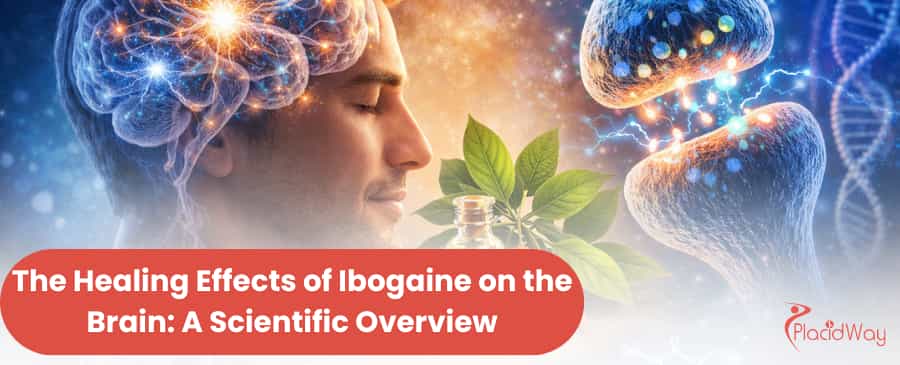
For individuals struggling with treatment-resistant depression, substance use disorders, or complex PTSD, the traditional healthcare model often falls short. In recent years, Ibogaine treatment in Mexico has emerged as a revolutionary neurobiological intervention, offering more than just a psychological breakthrough. Scientific research increasingly points to Ibogaine’s unique ability to repair the brain's fundamental reward pathways and stimulate neuroregenerative growth across critical neural networks.
As an alkaloid derived from the West African Tabernanthe iboga shrub, Ibogaine is not a substitute for therapy but a catalyst for neuroplasticity. In Mexico's specialized medical centers—spanning from the tropical coasts of Cancun to the border expertise of Tijuana—patients access medically supervised Ibogaine protocols that utilize advanced monitoring to ensure safety while harnessing the compound's profound healing potential. This guide explores the science behind the "reset," the patient journey, and the structural brain changes that make affordable Ibogaine therapy in Mexico a global destination for healing.
Key Insights & Takeaways
- Neuroplastic Growth: Ibogaine increases GDNF (Glial Cell Line-Derived Neurotrophic Factor), which helps repair damaged dopamine neurons and restores synaptic health.
- Addiction Interruption: Patients typically see a 90-95% reduction in acute withdrawal symptoms within hours of the "flood dose" administration.
- Significant Cost Savings: Comprehensive Ibogaine packages in Mexico range from $5,500 to $11,500, offering superior value compared to high-cost clinical trials in Europe.
- Medical Safety Standards: Leading Mexico facilities are JCI-accredited or ISO-certified, featuring ACLS-certified medical teams and 24/7 EKG telemetry.
- Sustainable Results: The metabolite noribogaine remains active for weeks, providing a long-term anti-craving effect during early recovery.
How Ibogaine Heals Brain Matter?
Ibogaine acts as a 'remolding' agent for the brain, stimulating neurotrophic factors that repair neurons and balance neurotransmitters long after the substance has left the body.
The primary mechanism that differentiates Ibogaine from other psychedelics is its impact on neurotrophic factors. Scientific studies show that Ibogaine administration triggers a surge in GDNF (Glial cell line-derived neurotrophic factor) and BDNF (Brain-derived neurotrophic factor). These proteins act like "fertilizer" for the brain, promoting the survival, growth, and synaptogenesis of neurons. For those seeking Ibogaine for addiction in Mexico, this means the brain literally begins to repair the physical damage caused by long-term chemical dependency.
Furthermore, Ibogaine’s active metabolite, noribogaine, settles in the liver and is slowly released into the bloodstream for weeks. This metabolite acts as a serotonin reuptake inhibitor and a mu-opioid receptor antagonist, providing a "cushion" of anti-depressant and anti-craving effects during the critical first month of recovery. This dual-action—immediate reset and long-term neuro-protection—is what makes scientific Ibogaine therapy so uniquely effective compared to traditional detox methods.
Unlike many pharmaceuticals that require daily dosing, a single ibogaine flood dose in Mexico can maintain elevated noribogaine levels in the human body for up to 90 days. This creates a biological "window of opportunity" where the brain is physically more resistant to cravings and more receptive to new, healthy behavioral patterns.
Step-by-Step Treatment Journey
A structured medical protocol ensures that the profound psychological experience is supported by rigorous physiological safety and stabilization.
The journey at a high-end Ibogaine clinic in Cancun or Playa del Carmen typically follows a structured 5-to-10-day protocol designed to maximize patient safety. It begins with pre-treatment stabilization, where medical teams conduct full metabolic panels and EKG screenings to ensure cardiac readiness. Because Ibogaine can affect heart rhythms, these certified Mexico medical facilities utilize continuous telemetry monitoring to track every heartbeat during the actual administration.
The treatment day involves the oral administration of Ibogaine hydrochloride in a clinical setting. Patients enter an "acute phase" characterized by a dream-like panoramic life review. Scientifically, this is the brain processing deep-seated memories without the usual emotional triggers. Following the "visionary" phase, patients enter the "gray day"—a period of intense introspection and physical rest as the brain's neurocircuitry begins its recalibration process. Integration sessions conclude the stay, ensuring the insights gained are translated into a sustainable lifestyle.
"The high volume of treatments performed in Mexico's leading Ibogaine centers has led to the development of the world's most sophisticated safety protocols. By combining magnesium infusions to protect heart rhythm with real-time telemetry, these facilities have reduced the risk profile of this powerful alkaloid to levels comparable to standard inpatient surgeries, making Tijuana and Cancun global hubs for safe psychedelic medicine."
Ibogaine Cost Comparison: Mexico vs. Global Alternatives
Mexico offers the most competitive pricing for medically-supervised Ibogaine due to lower overhead costs and a well-established medical tourism infrastructure.
When comparing Ibogaine treatment costs, Mexico remains the gold standard for value. While underground or experimental sessions in the US or Europe can be prohibitively expensive and lack medical oversight, all-inclusive Ibogaine packages in Mexico provide 24/7 nursing, private suites, and specialized medical teams at a fraction of the cost. The affordability of healthcare in Tijuana and Cancun is driven by lower pharmaceutical costs and domestic medical expertise.
The 'Life Review' and Emotional Detachment
The visionary phase of Ibogaine allows the subconscious to surface and resolve trauma through a process of rapid cognitive reappraisal.
Beyond the neurobiology of Ibogaine, the subjective experience is critical for long-term mental health. Patients often report a cinematic life review where they view their past traumas from a third-person perspective. This emotional detachment is a result of Ibogaine’s interaction with sigma-2 receptors and the NMDA system, which effectively mutes the "fight or flight" response of the amygdala. This allows for rapid trauma processing that might otherwise take years of traditional talk therapy, providing a massive advantage for PTSD treatment in Mexico.
Research involving military veterans with TBI (Traumatic Brain Injury) showed that Ibogaine significantly improved executive function and reduced suicidal ideation. Many participants described it as "ten years of therapy in one night," highlighting the compound's efficiency in addressing complex neuropsychiatric conditions through glutamate regulation.
The Importance of Medical Oversight
Rigorous screening for hERG channel inhibition and QT interval prolongation is the cornerstone of safe Ibogaine administration in professional settings.
Safety is the most critical factor when choosing an Ibogaine center in Mexico. Ibogaine is known to block hERG potassium channels, which can lead to a prolonged QT interval. In unregulated retreats, this can be dangerous. However, in JCI-accredited Mexico clinics, patients undergo EKG and liver function tests before administration. During the session, Advanced Cardiac Life Support (ACLS) certified staff are on hand, and patients are often given electrolytes and minerals like magnesium and potassium to stabilize heart function and prevent arrhythmias.
"Medical screening is non-negotiable. A reputable Mexico Ibogaine clinic will always turn away candidates with structural heart disease or those taking contra-indicated medications. This selectivity is what ensures the high success rates and safety records of the top-tier facilities we partner with, transforming Mexico Ibogaine therapy into a world-class medical procedure."
Frequently Asked Questions (FAQ)
1. Is Ibogaine treatment in Mexico safe?
When performed in a medically supervised environment with proper EKG screening and 24/7 monitoring, Ibogaine has a strong safety profile. Professional clinics in Mexico follow strict safety protocols to manage cardiac risks effectively.
2. How much does Ibogaine cost in Mexico?
A standard 7-day medical Ibogaine program in Mexico typically costs between $6,000 and $9,000. Luxury or extended-stay programs with private nursing can range from $12,000 to $15,000.
3. Can I get Ibogaine in the US?
No, Ibogaine is currently a Schedule I controlled substance in the United States. This is why many US citizens travel to accredited facilities in Mexico for legal, supervised treatment.
4. How long do I need to stay in Mexico for treatment?
Most programs recommend a minimum of 7 to 10 days. This allows for arrival, 48 hours of stabilization, the 24-hour treatment session, and several days of post-treatment integration and physical recovery.
5. Does Ibogaine cure addiction permanently?
Ibogaine is an addiction interrupter, not a permanent cure. It resets the brain's chemistry and eliminates withdrawals, providing a window of neuroplasticity. Success depends on long-term aftercare and lifestyle changes.
6. What conditions does Ibogaine treat effectively?
While most famous for opioid detox, Ibogaine is increasingly used for PTSD, treatment-resistant depression, anxiety, and Traumatic Brain Injury (TBI) due to its neuroregenerative effects.
7. What is the 'Gray Day' during recovery?
The Gray Day is the 24-48 hour period immediately following the flood dose. Patients feel physically tired but mentally clear, often reflecting on the visions and insights gained during the peak experience without the cloud of cravings.
8. Are there age or health limits for treatment?
Most Mexico Ibogaine centers have an age limit (often 60-65) and require a healthy BMI. Individuals with pre-existing heart conditions, kidney issues, or liver failure are generally excluded for safety reasons.
9. Will I be alone during the flood dose?
No. In top-rated Mexico clinics, you are monitored 24/7 by nursing staff and medical professionals who track your vitals and provide emotional support throughout the multi-hour experience.
10. Is integration therapy included in Mexico packages?
Yes, most comprehensive Ibogaine packages in Cancun include multiple sessions of integration coaching to help you process the experience and build a robust relapse-prevention plan.
Ready to Reset Your Brain and Your Life?
Take the first step toward lasting healing with a science-backed Ibogaine protocol in one of Mexico's premier medical facilities. PlacidWay partners exclusively with high-standard clinics that prioritize medical safety, cardiac monitoring, and long-term recovery outcomes for international patients.
Get a free, confidential quote today and let our specialists help you find the right Ibogaine treatment in Mexico for your unique journey toward wellness.
Get a Free Quote







.png)
.png)
.png)
.png)


.jpg)
.jpg)
.jpg)
.jpg)








Share this listing