


Dealing with substance dependence is a complex, grueling battle, but when an individual is struggling with multiple addictions—often referred to as polysubstance abuse—the path to recovery can feel entirely insurmountable. Traditional 30-day rehabilitation models, while helpful for some, notoriously yield low success rates for those battling simultaneous dependencies on opioids, stimulants, or alcohol, often leading to a discouraging cycle of chronic relapse.
In recent years, an alternative, paradigm-shifting approach has gained immense global traction: Ibogaine therapy in Mexico. With the United States and Canada maintaining strict regulations against the clinical use of this potent psychedelic alkaloid, international patients are increasingly looking southward. Top-rated facilities in Mexico have emerged as global leaders in administering this revolutionary treatment, offering a beacon of hope for individuals desperate to interrupt the vicious cycle of addiction safely, legally, and cost-effectively.
Key Takeaways:
- Polysubstance Relief: Ibogaine uniquely targets brain receptors to interrupt multiple addictions simultaneously, effectively eliminating up to 95% of acute withdrawal symptoms in hours.
- Massive Cost Savings: Comprehensive Ibogaine packages in Mexico offer significant savings compared to traditional 30-day North American inpatient rehabs, which can exceed $40,000 monthly.
- Hospital-Grade Safety: Leading clinics provide 24/7 ACLS-certified medical supervision, continuous cardiac monitoring, and rigorous pre-treatment screenings to ensure patient safety.
- All-Inclusive Packages: Most centers in cities like Tijuana and Cancun offer transparent pricing that includes airport transfers, medical testing, the flood dose, and post-treatment integration therapies.
Average Cost Breakdown by Region:
- Medical Ibogaine Detox (Tijuana, Mexico): $5,500 – $8,000
- Luxury Ibogaine Retreats (Cancun, Mexico): $9,000 – $15,000
- Traditional Inpatient Rehab (USA/Canada): $30,000 – $60,000+ (Monthly)
Ibogaine Therapy for Multiple Addictions in Mexico
Ibogaine works uniquely by facilitating a massive neurological reset, targeting the underlying mechanisms of addiction rather than merely suppressing surface-level symptoms.
The science behind Ibogaine therapy is what makes it a profound tool for treating polysubstance dependence. Derived from the root bark of the Tabernanthe iboga plant, this naturally occurring psychedelic substance engages multiple neurotransmitter systems simultaneously. When an individual struggles with multiple addictions—such as a concurrent reliance on heroin and cocaine, or alcohol and prescription pills—their brain's dopamine and serotonin receptors become fundamentally rewired, demanding a constant influx of chemicals to function normally.
Ibogaine acts as a powerful addiction interrupter. It is believed to reset these hyper-stimulated dopamine receptors back to their pre-addiction baseline. Unlike traditional replacement therapies (like Methadone or Suboxone) which substitute one opioid for another, Ibogaine cleanses the receptor sites entirely. This neurological reset not only bypasses the agonizing physical withdrawal symptoms but also drastically reduces post-acute withdrawal syndrome (PAWS) cravings that typically drive individuals to relapse in the weeks following standard detox.
"Treating multiple addictions simultaneously in traditional settings is incredibly difficult because different substances require different pharmacological interventions. Ibogaine's unique mechanism of action addresses the global neuroplasticity of the addicted brain. By resetting the neurocircuitry in a single, medically supervised session at a JCI-accredited center, we give patients a clean slate to begin deep psychological integration without the agonizing distraction of physical withdrawals."
How Much Does Ibogaine Treatment Cost in Mexico?
Due to lower overhead expenses and a progressive regulatory framework, Mexico offers world-class Ibogaine addiction interruption at a fraction of Western healthcare costs.
For individuals exhausting their life savings on traditional rehab circuits, the cost-effectiveness of affordable Ibogaine in Tijuana or luxury packages in Cancun is a major draw. The cost of comprehensive Ibogaine treatment in Mexico ranges between $5,500 and $15,000 USD. This variance is largely dictated by the facility's location, the duration of the program, and the luxury level of the accommodations provided.
Because Mexico does not strictly regulate Ibogaine, top-tier medical facilities operate openly and legally, heavily investing in clinical infrastructure without the crushing administrative bloat found in the US healthcare system. These savings are passed directly to international patients. An all-inclusive Ibogaine package in Cancun will often cover rigorous pre-operative testing, a private suite, a customized medical detox protocol, and extensive holistic therapies, offering an unmatched value proposition for long-term recovery.
Cost Comparison Table: Addiction Interruption Therapies
| Procedure / Approach | Country / Location | Price Range (USD) | Typical Inclusions | Program Length |
|---|---|---|---|---|
| Medical Ibogaine Detox | Mexico (Tijuana/Rosarito) | $5,500 – $8,000 | EKG, Labs, Flood dose, 24/7 nursing, Integration | 7 - 10 Days |
| Luxury Ibogaine Therapy | Mexico (Cancun/Tulum) | $9,000 – $15,000 | Private beachfront suite, holistic therapies, private chef | 10 - 14 Days |
| Standard Wellness Retreat | Costa Rica | $7,000 – $15,000+ | Holistic retreat setting, basic medical oversight | 7 - 10 Days |
| Underground/Gray-Market Care | Canada | $8,000 – $12,000 | Varies heavily; often lacks emergency medical equipment | 5 - 7 Days |
| Traditional Inpatient Rehab | United States | $30,000 – $60,000 | 30-day stay, group therapy, 12-step model (Medications extra) | 30 - 90 Days |
A recent peer-reviewed study evaluating traditional 12-step models found a sustained success rate of only 5 to 10 percent. In stark contrast, clinical observations of Ibogaine therapy note that up to 80% of patients experience a dramatic elimination of acute withdrawals, giving them an unparalleled advantage to achieve lasting sobriety when followed by proper integration counseling.
What to Expect in Tijuana and Cancun?
The clinical Ibogaine experience is meticulously structured across multiple days to ensure the utmost physiological safety and psychological readiness of the patient.
Traveling across international borders for a profound medical procedure can invoke anxiety, but leading medical centers have honed a patient-centric, streamlined protocol. A typical 7-to-10 day package is broken down into distinct, carefully managed phases designed to stabilize the patient before administering the psychedelic substance.
Medical Screening and Stabilization
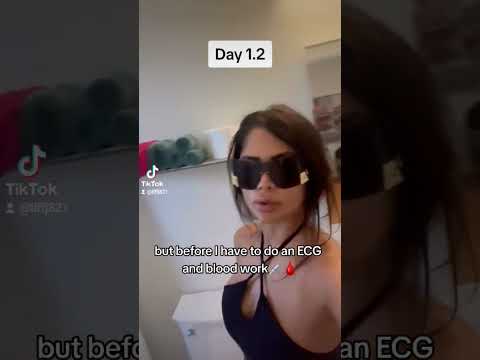
Upon arrival, patients are immediately escorted to the facility for stabilization. Because Ibogaine can cause bradycardia (slowing of the heart rate), stringent medical screening is non-negotiable. Patients undergo comprehensive blood work, liver function tests, and a full 12-lead EKG. If a patient is dependent on short-acting opioids like fentanyl, they are placed on a stabilized medical detox protocol for a few days to clear the system of conflicting substances, ensuring optimal cardiac monitoring conditions.
The Flood Dose Administration
The "flood dose" is the primary therapeutic phase. Administered by ACLS-certified physicians, the dose is precisely calculated based on the patient's body weight, metabolic rate, and substance history. Under continuous cardiac telemetry, the patient embarks on an intense, introspective journey lasting anywhere from 12 to 24 hours. During this phase, individuals often vividly review their life experiences, addressing the root trauma underlying their opioid use disorders and multi-substance abuse without the physical agony of typical withdrawals.
Integration and The Gray Day
The day immediately following the flood dose is commonly referred to as the "Gray Day." The patient is physically exhausted as their brain rapidly restructures. By day three or four, a profound sense of mental clarity emerges. At this juncture, intensive psychotherapeutic integration begins. Therapists work with the patient to unpack the visions and emotional releases experienced during the flood dose, creating a robust, actionable blueprint for maintaining their newfound sobriety upon returning home.
Traditional Rehab vs. Ibogaine Packages in Mexico
While traditional rehab focuses on coping mechanisms and symptom management, Ibogaine therapy directly targets the biological and neurological root of the addiction.
When comparing traditional 30-day inpatient facilities to a standard Ibogaine treatment in Mexico, the paradigm shift is glaring. Traditional traditional rehab often requires patients to endure weeks of agonizing physical withdrawals, relying heavily on group therapy and white-knuckle willpower to overcome cravings. Furthermore, many Western clinics utilize the "harm reduction" model, transitioning patients from illicit opioids to prescription alternatives like Suboxone, effectively trading one dependence for another.
Conversely, Ibogaine acts as an accelerated detox. It condenses months of withdrawal suffering into a matter of hours, restoring the brain to a pre-addicted state. This rapid physiological normalization allows individuals to bypass the physical misery that triggers most early relapses. For those dealing with multiple addictions, this multi-faceted reset is invaluable, allowing therapeutic efforts to focus entirely on mental health and trauma recovery rather than basic physical stabilization.
"A common misconception is that Ibogaine is a 'magic bullet.' It is not a cure in isolation; it is a catalyst. Top-rated clinics in Mexico understand that by successfully bypassing the brutal physical detox phase, Ibogaine gifts the patient a critical 3-to-6 month window of neuroplasticity. The true success of the treatment relies on utilizing this window to implement aggressive, healthy lifestyle changes and continued psychological therapy."
Safety Protocols at Top-Rated Facilities in Mexico
Patient safety is paramount. The best Mexican Ibogaine clinics operate at hospital-grade standards, drastically mitigating the inherent cardiovascular risks of the treatment.
The decision to seek alternative treatment abroad must always be balanced with a commitment to uncompromising medical safety. While Ibogaine is highly effective, it is a potent alkaloid with known cardiotoxic risks if administered improperly or to medically unfit candidates. Reputable, JCI-accredited centers and high-tier private clinics in Mexico refuse to compromise on their safety standards.
Before any treatment begins, patients are subjected to rigorous pre-qualifying medical exams. Facilities maintain 24/7 on-site staffing of ACLS (Advanced Cardiovascular Life Support) certified nurses, emergency physicians, and often collaborating cardiologists. Continuous cardiac monitoring via telemetry machines occurs throughout the entire administration phase. Patients should be highly skeptical of budget or "underground" retreats that lack crash carts, defibrillators, or immediately available medical transport.
Holistic Healing and Long-Term Recovery Aftercare
The journey does not end when the flood dose wears off; comprehensive integration and holistic aftercare are the cornerstones of permanent behavioral change.
Overcoming polysubstance dependence requires a multifaceted approach that extends beyond the physical body. Many luxury Ibogaine packages in Cancun and Playa del Carmen recognize this, wrapping the core medical protocol in a cocoon of holistic healing. Patients are often treated to NAD+ IV therapy to repair cellular damage, equine-assisted therapy, meditation, acupuncture, and sound baths.
More importantly, long-term success is anchored in post-treatment integration. Leading facilities connect patients with specialized integration coaches who hold weekly remote sessions for months after the patient returns to the US or Canada. This continued support is vital for helping individuals navigate the profound emotional shifts and neuroplasticity initiated by the treatment, ensuring that the neurological reset translates into permanent, life-altering sobriety.
Many patients report that Ibogaine acts as an "oneirogen," a substance that induces a dream-like state while fully awake. This allows individuals battling trauma to review repressed memories and the root causes of their multiple addictions from a detached, objective perspective, facilitating deep psychological healing without re-traumatization.
Why Patients Choose Mexico for Addiction Interruption?
Mexico combines a supportive legal landscape with geographical proximity and world-class medical tourism infrastructure, making it the premier global destination for alternative addiction therapies.
The influx of international patients to Mexico is driven by necessity, affordability, and accessibility. With the regulatory bodies in North America heavily restricting the use of psychedelics for substance dependence, patients are left with few domestic options. Mexico’s unregulated yet medically sophisticated environment allows for the proliferation of specialized, legal treatment hubs.
Destinations like Tijuana and Rosarito offer incredible proximity to the US border, allowing patients to fly into San Diego and cross with a medical escort in under an hour. Conversely, destinations like Cancun offer a serene, tropical environment ideal for recovery and isolation from toxic triggers. Whether seeking affordable Ibogaine in Tijuana or a high-end, holistic retreat on the Caribbean coast, Mexico provides a diverse, top-tier infrastructure capable of handling complex multiple addictions with dignity, privacy, and unparalleled medical expertise.
Frequently Asked Questions (FAQ)
Find answers to the most common inquiries regarding safety, costs, and the physiological effects of Ibogaine therapy in Mexico.
How much does Ibogaine treatment cost in Mexico?
The cost of Ibogaine treatment in Mexico generally ranges from $5,500 to $15,000 USD. This variance depends on the location, the level of luxury, and the complexity of the medical detox required. Standard medical programs in Tijuana are more affordable, while luxury retreats in Cancun sit at the higher end of the spectrum.
Is Ibogaine treatment legal in Mexico?
Yes, Ibogaine is legal and unregulated in Mexico. This favorable legal framework allows top-rated facilities to administer the psychedelic substance in highly controlled, medically supervised environments without the legal restrictions found in the United States or Canada.
How does Ibogaine help with multiple addictions?
Ibogaine works by resetting the brain's neurotransmitter levels, particularly dopamine and serotonin, to their pre-addiction baseline. This neurological reset makes it highly effective for polysubstance dependence, allowing patients to overcome concurrent addictions to opioids, stimulants, and alcohol simultaneously.
Is Ibogaine therapy safe for everyone?
No, Ibogaine therapy is not suitable for everyone. It carries cardiovascular risks, which is why top-tier Mexican clinics require rigorous pre-treatment medical screenings, including full EKG and liver function tests, to ensure a patient's heart is healthy enough for the flood dose.
Does Ibogaine really stop opioid withdrawals?
Yes, one of the most remarkable benefits of Ibogaine is its ability to eliminate up to 95% of acute withdrawal symptoms from opioids like heroin and fentanyl within hours. It bypasses the agonizing physical detox phase, providing a vital window for psychological healing.
How long does an Ibogaine treatment program take?
A standard Ibogaine detox program in Mexico lasts between 7 to 10 days. Extended holistic programs, which focus heavily on post-treatment integration and trauma therapy, can last between 14 to 21 days depending on the patient's individual needs.
What is the success rate of Ibogaine therapy?
While traditional rehab has a success rate of roughly 5-10%, clinical observations suggest Ibogaine therapy yields favorable outcomes in 50-80% of patients when combined with proper aftercare. Long-term success heavily relies on the patient's commitment to integration coaching and lifestyle changes.
Are there all-inclusive Ibogaine packages in Cancun?
Yes, many luxury treatment centers in Cancun offer all-inclusive Ibogaine packages. These comprehensive packages typically cover the medical detox protocol, 24/7 nursing, private chef-prepared meals, airport transfers, and holistic therapies like yoga and sound healing.
Why is Ibogaine treatment more affordable in Mexico than in the US?
The affordability stems from Mexico's lower administrative overhead, favorable regulatory landscape, and overall lower cost of living. This allows clinics to offer hospital-grade safety protocols and luxury accommodations at a fraction of the cost of a traditional 30-day US rehab.
What happens after the Ibogaine treatment is over?
Following the flood dose, patients enter an 'integration' phase where they work with therapists to process the profound psychological insights gained during the treatment. A robust aftercare plan is established to support long-term recovery once the patient returns home.
Ready to Reclaim Your Life from Addiction?
Don't let polysubstance dependence dictate your future or exhaust your finances. PlacidWay partners with the top, rigorously vetted medical facilities in Mexico to bring you world-class, medically supervised Ibogaine packages tailored for international patients seeking a true neurological reset.
Get a free, no-obligation quote today and speak directly with our medical care team to safely plan your journey toward lasting recovery and a renewed life.
Get a Free Quote for Treatment in Mexico





.png)
.png)
.png)








Share this listing