
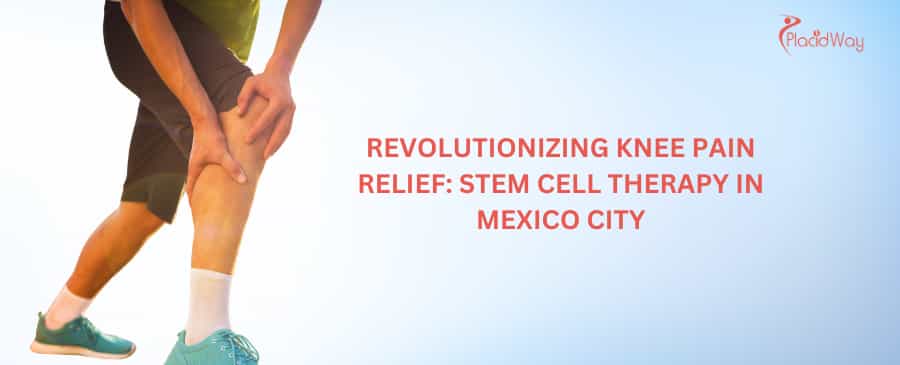
Chronic knee pain affects millions of individuals globally, frequently stemming from osteoarthritis, sports injuries, or long-term wear and tear on the cartilage. Traditional treatment routes have historically been limited to symptom management through anti-inflammatory medications, physical therapy, or invasive joint replacement surgeries. However, modern regenerative medicine has introduced new pathways for managing joint degradation. Stem cell therapy for knee pain in Mexico City has rapidly emerged as a highly sought-after alternative, attracting international patients seeking innovative care.
This dynamic metropolis has grown into a sophisticated hub for global healthcare, offering cutting-edge biological treatments designed to harness the body’s innate healing capabilities. By targeting the root cause of joint inflammation and cartilage breakdown, orthopedic specialists in the region provide therapies aimed at improving mobility and quality of life. Medical tourists consistently find that pursuing regenerative knee treatments abroad combines clinical excellence with accessible care.
- Biological Healing: Utilizes mesenchymal stem cells to target localized joint inflammation.
- Minimally Invasive: Procedures are generally performed via targeted intra-articular injections rather than open surgery.
- Outpatient Convenience: Typically allows patients to return to their accommodation on the same day.
- Customized Protocols: Treatments are often tailored based on the specific severity of cartilage degradation.
Mexico City is home to several specialized regenerative medicine laboratories that operate under strict international biotechnology protocols, ensuring high viability of cellular products used in joint therapies.
Why Choose Regenerative Medicine for Joint Health Abroad
The global landscape of healthcare is shifting, with patients increasingly willing to cross borders to access procedures that are either restricted, overly expensive, or heavily waitlisted in their home countries. Medical tourism in Mexico City represents a strategic choice for individuals dealing with debilitating joint issues. The city boasts a vast network of internationally trained physicians who frequently collaborate with leading research institutions in North America and Europe.
Choosing to undergo regenerative procedures abroad is not merely a financial decision; it is often driven by a desire for comprehensive, patient-centric care. Medical facilities catering to international visitors prioritize seamless experiences, providing advanced diagnostic imaging, individualized treatment plans, and specialized attention that can be difficult to secure in overburdened domestic healthcare systems.
- Access to a broader range of legal and regulated cellular therapies compared to some North American jurisdictions.
- Shorter wait times for initial consultations and subsequent treatments.
- Integration of holistic recovery programs, including specialized physical therapy and nutritional counseling.
- High concentrations of specialists holding board certifications from international medical bodies.
According to industry evaluations, the global regenerative medicine market is expanding at a remarkable rate, with Latin America—led by Mexico—experiencing double-digit growth year over year in international patient influx.
Types of Stem Cell Treatments Available for Knee Injuries
When exploring stem cell clinics in Mexico City, patients will find that "stem cell therapy" is a broad term encompassing several distinct biological protocols. The most common distinction lies in the source of the biological material. Physicians meticulously evaluate patient diagnostics to recommend the most appropriate cellular source, ensuring the highest potential for tissue modulation and pain relief.
Generally, therapies are categorized into autologous (derived from the patient's own body) and allogeneic (derived from thoroughly screened donors). The specific preparation and concentration of these cells are critical factors that experienced specialists manage within advanced laboratory environments to maintain cellular vitality.
- Bone Marrow Aspirate Concentrate (BMAC): Harvested typically from the patient's iliac crest (hip bone), containing a rich mixture of cells and growth factors.
- Adipose-Derived Stem Cells (ADSCs): Extracted from the patient's localized fat reserves via a mini-liposuction procedure, yielding a high volume of mesenchymal stem cells.
- Umbilical Cord Tissue (Wharton's Jelly): Allogeneic cells sourced from healthy, full-term donor births, known for robust immunomodulatory properties and high replication rates.
- Platelet-Rich Plasma (PRP) Combination: Often utilized alongside stem cells to provide an immediate influx of growth factors to support cellular signaling.
Stem Cell Therapy Cost in Mexico City vs US Prices
One of the primary catalysts driving patients southward is the significantly more affordable stem cell therapy in Mexico City. The economic dynamics of healthcare in Mexico allow top-tier medical facilities to offer advanced treatments at a fraction of the price seen in the United States or Canada. This price difference does not indicate a reduction in quality, but rather reflects lower administrative overhead, favorable exchange rates, and a streamlined private healthcare model.
Understanding the exact stem cell procedure cost in Mexico City requires looking at the specific type of cellular therapy being administered. While out-of-pocket expenses are required—since regenerative medicine is often not covered by traditional insurance—the total investment remains highly compelling for patients seeking alternative joint care.
| Treatment Type | Average Cost in Mexico City | Average Cost in the US |
|---|---|---|
| Bone Marrow Derived Therapy | $3,500 - $4,800 | $6,000 - $9,000 |
| Adipose (Fat) Derived Therapy | $4,000 - $5,500 | $7,000 - $10,000 |
| Umbilical Cord Tissue (Allogeneic) | $4,500 - $6,500 | $8,000 - $15,000+ |
| PRP Add-on for Joint Health | $500 - $800 | $1,000 - $2,500 |
Always ask for a comprehensive breakdown of costs during your virtual consultation. Ensure that laboratory fees, medical evaluations, and follow-up telehealth visits are clearly outlined to help you accurately plan your medical travel budget.
The Science Behind Orthopedic Cell Therapy Effectiveness
To grasp why these treatments have gained global traction, it is vital to understand the underlying biological mechanisms. Mesenchymal stem cells (MSCs) act as the body's primary repair mechanism. When concentrated and injected into a degraded knee joint, they do not simply transform into new cartilage; instead, they exert a powerful "paracrine effect." This means they release essential proteins, cytokines, and growth factors that communicate with surrounding damaged tissues.
This localized signaling typically triggers an immunomodulatory response, which helps to drastically reduce chronic inflammation—the primary driver of osteoarthritis pain. Furthermore, the cellular signals encourage the patient's existing cells to begin repairing micro-tears in soft tissues. While they cannot reverse bone-on-bone arthritis completely, the biological environment of the knee is often optimized to promote improved joint function.
- Anti-inflammatory Action: Downregulates the immune response that degrades cartilage over time.
- Angiogenesis: Promotes the formation of new blood vessels, increasing oxygen and nutrient delivery to the joint.
- Apoptosis Prevention: Helps prevent existing, healthy cartilage cells from prematurely dying off.
- Extracellular Matrix Support: Stimulates the production of collagen and structural proteins vital for joint lubrication.
Ideal Candidates for Regenerative Knee Treatments
While the allure of a non-surgical solution is powerful, responsible medical providers strictly evaluate patients to ascertain viability. Alternative knee surgery in Mexico is generally most effective for individuals suffering from mild to moderate osteoarthritis, partial meniscal tears, or chronic ligament strain. Finding the right candidate is crucial for maximizing the potential for satisfactory long-term pain relief.
Patients who present with severe, end-stage osteoarthritis where the joint space has completely collapsed are typically advised that regenerative medicine may only provide temporary palliative relief rather than structural improvement. Comprehensive medical imaging, including recent MRIs, is universally required before international physicians will approve a travel itinerary.
- Individuals experiencing chronic knee pain that has not responded to conservative treatments like physical therapy or NSAIDs.
- Patients looking to delay or avoid total knee replacement surgery due to age or personal preference.
- Those generally in good systemic health without active cancers or severe autoimmune disorders.
- Active individuals and athletes seeking accelerated recovery from acute sports-related joint injuries.
Stem cell therapy is generally contraindicated for individuals with active infections, blood-borne diseases, or a history of certain cancers. Always disclose your complete medical history to your provider to ensure the treatment poses no elevated risks.
What to Expect During Your Medical Trip to Mexico City
Embarking on a journey for healthcare can feel intimidating, but the process is highly structured. Upon arriving for your stem cell procedure in Mexico City, you are typically greeted by patient coordinators who facilitate your transfer from the airport to the medical facility. The initial days are focused on comprehensive evaluations, physical examinations, and a thorough review of your imaging with your specialist to finalize the injection protocol.
The actual procedure is usually completed within a few hours on an outpatient basis. Using advanced fluoroscopy or ultrasound guidance, the specialist ensures the cellular biologics are delivered precisely into the damaged areas of the joint capsule. Following the injection, patients are monitored briefly before being cleared to return to their accommodations to rest.
- Day 1: Arrival, settling in, and initial in-person consultation and pre-operative blood panels if necessary.
- Day 2: Harvesting of cells (if autologous) followed by precision image-guided joint injections.
- Day 3: Rest and recovery at your accommodation, monitoring for any mild inflammatory responses.
- Day 4: Final post-treatment evaluation with the medical team before receiving medical clearance to travel back home.
The Recovery Process After Joint Stem Cell Injections
The initial recovery phase following the procedure is critical to achieving positive outcomes. Because the therapy is designed to trigger a biological healing cascade, patients generally experience localized soreness, stiffness, and mild swelling in the knee for the first few days. This is a normal and expected inflammatory response as the cells begin to integrate into the joint environment.
Medical professionals strongly advise against the use of traditional non-steroidal anti-inflammatory drugs (NSAIDs) like ibuprofen during this period, as they can blunt the beneficial cellular signaling process. Patients are typically advised to rely on prescribed pain management alternatives and strict joint rest before gradually reintroducing weight-bearing activities over several weeks.
- Avoid strenuous activities, heavy lifting, or high-impact sports for at least four to six weeks.
- Engage in prescribed, gentle range-of-motion exercises to maintain joint flexibility without overstressing the cartilage.
- Utilize supportive bracing or crutches for the first few days if recommended by your specialist.
- Adhere to a nutrient-dense diet and stay highly hydrated to support cellular regeneration.
Because regenerative medicine utilizes biological mechanisms, healing does not happen overnight. The injected cells initiate a tissue repair cycle that can continue actively for up to 6 to 9 months post-injection.
Evaluating Success Rates and Long-Term Pain Relief
When considering investments in health, understanding potential outcomes is paramount. It is important to note that results may vary widely depending on the patient's age, the baseline severity of joint degeneration, and strict adherence to post-procedure rehabilitation protocols. However, a significant majority of patients pursuing medical tourism for knee pain report notable improvements in their daily comfort and joint functionality.
Success is typically measured by a reduction in pain scores and an increased ability to perform daily activities without debilitating discomfort. Most patients begin to feel initial relief between the fourth and eighth week post-treatment. As the biological environment stabilizes over subsequent months, many find they can return to walking, golfing, and swimming with greater ease.
- Outcomes are highly correlated with patient compliance to post-injection physical therapy and activity modification.
- Smoking and excessive alcohol consumption have been shown to drastically reduce cellular viability and treatment success.
- Many patients achieve sustained relief that lasts anywhere from one to several years before requiring booster treatments.
- Combining the therapy with weight management significantly improves long-term mechanical stress reduction on the knee.
Research indicates that patients who engage in specialized, low-impact aquatic therapy after their cell injections often report faster restoration of joint mobility compared to those who remain completely sedentary.
Ensuring Quality and Safety in Latin American Medical Facilities
Safety is understandably the primary concern for any individual considering cross-border healthcare. The rise of regenerative therapies has led to increased regulatory oversight, and Mexico City’s top medical tourism facilities operate with immense dedication to international standards. Facilities catering to foreign patients typically hold accreditations from respected global healthcare bodies, ensuring sterile environments and ethical medical practices.
When evaluating providers, the quality of the laboratory where the cells are processed is just as important as the skill of the physician performing the injection. Reputable centers employ highly trained biotechnologists to ensure precise cell counting, viability testing, and strict adherence to infection control protocols before any biological material is introduced into a patient's joint.
- Look for facilities that transparently share their cellular processing protocols and laboratory certifications.
- Ensure your designated orthopedic specialist is board-certified and has extensive experience specifically in regenerative joint injections.
- Reputable clinics will always mandate a comprehensive medical screening and will refuse treatment to unsuitable candidates.
- Quality facilities utilize image-guidance (Ultrasound or Fluoroscopy) to guarantee the precise placement of the biologic material.
During your research, request virtual consultations with multiple specialists. Treat this as an interview process to assess their communication skills, willingness to answer complex questions, and overall transparency regarding expected outcomes.
Combining Healthcare with a Healing Vacation in Mexico
One of the unique advantages of choosing Mexico City for your medical procedure is the opportunity to recover in a vibrant, culturally rich environment. While high-impact tourism is off the table immediately following joint injections, the city offers numerous peaceful environments conducive to a restorative medical getaway. International patients often leverage their downtime to enjoy the region's renowned culinary scenes and gentle, scenic neighborhoods.
Staying a few extra days post-procedure not only allows for immediate follow-up care with your medical provider but also provides a stress-free environment away from the demands of home. This relaxed state of mind is widely considered beneficial for the body's natural healing and inflammatory recovery processes.
- Explore tranquil areas like Polanco or Condesa, which offer flat, walkable streets perfect for gentle post-procedure strolling.
- Enjoy world-class gastronomy, focusing on anti-inflammatory Mexican diets rich in fresh vegetables, avocados, and seafood.
- Visit local museums and cultural exhibits that offer wheelchair or accessibility services to prevent knee strain.
- Experience a serene recovery in high-end, comfortable accommodations that cater to medical tourists' specific needs.
Mexico City is situated at a high altitude (over 7,300 feet). Medical tourists are encouraged to stay well-hydrated and rest completely on their first day to acclimatize to the elevation smoothly.
Real Patient Experiences with Alternative Knee Surgery
Hearing from individuals who have navigated the path of medical tourism can provide immense clarity and reassurance. Patient experiences underscore the practical realities of traveling for specialized joint care. While each medical journey is unique, common threads of enhanced mobility, professional care, and regained independence frequently emerge in post-treatment reviews.
Below are summaries illustrating typical patient journeys. These narratives reflect general experiences of international patients who sought relief from chronic joint pain by looking beyond their local healthcare systems.
Robert’s Journey with Osteoarthritis
Facing a lengthy waitlist for knee replacement in Canada, Robert opted for a regenerative protocol in Mexico. After receiving autologous cell injections, he noted significant pain reduction within two months, allowing him to return to light hiking without the use of daily painkillers.
Elena’s Quest for Mobility
Struggling with bilateral knee degradation that made walking up stairs agonizing, Elena traveled from Texas for allogeneic therapy. She was highly impressed by the modern facility and the thoroughness of the English-speaking staff. By month three, her stiffness had dramatically decreased.
Mark’s Sports Injury Recovery
An avid tennis player dealing with chronic meniscus issues, Mark chose a combination of stem cells and PRP. Following a strict post-injection physical therapy regimen, he experienced an accelerated healing timeline, returning to the court gracefully after a structured six-month recovery.
Susan’s Alternative to Surgery
Determined to avoid invasive surgery, Susan rigorously researched international options before settling on Mexico City. She found the holistic approach to her joint care refreshing. Her treatment resulted in increased range of motion and an improved ability to keep up with her grandchildren.
How PlacidWay Assists Your Stem Cell Therapy Medical Tourism Journey in Mexico City
Navigating the complex landscape of international healthcare can be a daunting task for patients simultaneously dealing with chronic pain. Securing trustworthy medical providers, understanding treatment protocols, and coordinating cross-border communications require expertise and diligence. PlacidWay serves as a dedicated facilitator designed to streamline this process for global patients.
By leveraging an extensive network of accredited medical centers, PlacidWay ensures that patients have access to transparent information and high-quality regenerative specialists. The platform focuses on providing comprehensive support tailored to individual healthcare needs, bridging the gap between international patients and premier medical care.
- Connecting patients directly with board-certified regenerative medicine specialists and accredited medical facilities.
- Facilitating the secure transfer of medical records, MRIs, and diagnostic reports for pre-travel evaluations.
- Providing detailed, customized quotes based on individualized medical treatment plans.
- Assisting with scheduling virtual consultations to ensure patients can communicate directly with their chosen specialist.
- Offering access to verified patient reviews and comprehensive clinic profiles to aid in informed decision-making.
- Guiding patients through the medical coordination process from initial inquiry to post-treatment follow-up protocols.
Frequently Asked Questions About Stem Cell Therapy in Mexico City
When preparing for an international medical procedure, having clear, concise answers to common concerns is crucial for peace of mind. Patients frequently inquire about the safety, logistics, and expected outcomes of regenerative treatments abroad. Understanding these foundational aspects ensures a smoother, more confident medical journey.
The following section addresses the most prevalent questions asked by medical tourists exploring cellular therapies for joint health in this vibrant global capital.
Is stem cell therapy for knee pain safe in Mexico City?
When performed by board-certified specialists in accredited facilities, stem cell therapy is generally considered safe. Most patients experience minimal side effects, primarily localized soreness at the injection site.
How long does a stem cell treatment trip to Mexico City take?
International medical tourists typically spend three to five days in the city. This allows ample time for initial consultations, the outpatient procedure, and a preliminary follow-up before flying home.
Do I need a special visa for medical tourism in Mexico?
Citizens from the US, Canada, and many European nations do not require a special medical visa for stays under 180 days. A standard tourist entry permit provided at customs is usually sufficient for outpatient procedures.
How much does stem cell therapy cost in Mexico City?
The average cost ranges from $3,500 to $6,000, depending on the cell source and severity of the condition. This represents a substantial savings compared to similar regenerative treatments in the United States.
When will I start feeling relief after the knee injections?
Results vary depending on the individual, but patients typically begin to notice a reduction in pain and improved mobility within four to eight weeks. Biological tissue repair is a gradual process that continues for several months.
Can stem cell therapy completely replace knee replacement surgery?
While regenerative treatments can significantly delay or eliminate the need for surgery in some patients, they are not a guaranteed replacement for severe, bone-on-bone osteoarthritis. A thorough medical evaluation is required to determine suitability.
Where do the stem cells used in Mexican clinics come from?
Clinics generally utilize autologous cells harvested from the patient's own body, such as adipose (fat) tissue or bone marrow. Allogeneic options, like ethically sourced umbilical cord tissue, are also commonly utilized based on the treatment protocol.
Will I need general anesthesia for the procedure?
No, joint injections are typically performed as outpatient procedures using local anesthesia. Some facilities may offer mild sedation to ensure you remain comfortable throughout the process.
Are English-speaking doctors available in Mexico City?
Yes, major medical tourism hubs prioritize international patients. The majority of top-tier orthopedic specialists and their medical staff are highly proficient in English.
What kind of follow-up care is required once I return home?
Post-procedure care generally involves localized rest, physical therapy, and remote telehealth check-ins with your specialist. You may also need to coordinate with a local physician for ongoing joint assessment.
Ready to explore your options for stem cell therapy in Mexico City? Let PlacidWay guide you toward affordable, world-class regenerative medicine.
References
- Mayo Clinic. Stem cells: What they are and what they do. https://www.mayoclinic.org/tests-procedures/bone-marrow-transplant/in-depth/stem-cells/art-20048117
- Cleveland Clinic. Regenerative Medicine. https://magazine.clevelandclinic.org/2021-summer/regenerative-medicine-to-the-rescue
- National Institutes of Health (NIH) / PubMed. Mesenchymal Stem Cells in Osteoarthritis Therapy. https://pmc.ncbi.nlm.nih.gov/articles/PMC4559256/
- Centers for Disease Control and Prevention (CDC). Medical Tourism. https://wwwnc.cdc.gov/travel/page/medical-tourism



.png)
.png)
.png)




.jpg)

.jpg)








Share this listing