


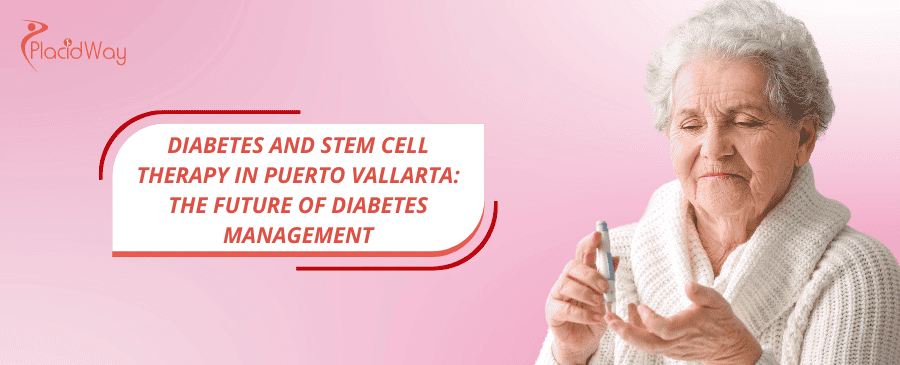
Diabetes remains one of the most challenging chronic conditions worldwide, pushing modern medicine to explore innovative management strategies. For many individuals, traditional therapies effectively control blood sugar levels but do not always halt disease progression. As a result, an increasing number of patients are seeking advanced alternatives like stem cell therapy for diabetes in Puerto Vallarta. This coastal Mexican city has rapidly emerged as a premier destination for progressive regenerative medical treatments.
Regenerative medicine represents a significant shift in how healthcare providers approach metabolic disorders and autoimmune conditions. Patients traveling from the United States, Canada, and Europe often discover that international medical centers provide access to therapies that are still under rigorous evaluation in their home countries. Combining high-quality healthcare standards with stunning recovery environments, medical tourism in Puerto Vallarta offers a highly unique proposition. Individuals exploring these options must carefully evaluate the scientific principles alongside the logistical benefits of seeking care abroad.
Mesenchymal stem cells have a unique ability to seek out areas of inflammation in the body. This process, known as "homing," allows them to target pancreatic tissues that are under stress from diabetes.
How Stem Cell Treatment for Diabetes Works
The core concept of regenerative medicine revolves around the body's natural ability to heal and restore damaged cellular structures. In the context of diabetes, the primary goal is to address the underlying dysfunction of the pancreas and the body's immune response. Researchers are highly focused on how specific cells can typically promote the regeneration of insulin-producing beta cells. While the science is complex, the therapeutic approach aims to foster a more balanced internal environment.
When introduced into the patient's system, these biological agents generally work through mechanisms like immunomodulation and the secretion of anti-inflammatory cytokines. This is particularly relevant for Type 1 diabetes, where the immune system attacks pancreatic tissue. For Type 2 diabetes, the focus is often on reducing systemic inflammation and improving cellular sensitivity to insulin. Most patients experience this process as a gradual, internal shift rather than an immediate change.
- Immunomodulation: Helps regulate the immune system to prevent further attacks on pancreatic beta cells.
- Angiogenesis: Promotes the formation of new blood vessels, improving circulation typically compromised by diabetes.
- Paracrine Effect: Secretes vital proteins and growth factors that stimulate surrounding cells to repair themselves.
- Cellular Differentiation: Under certain conditions, stem cells may differentiate into insulin-producing cells, though this is still actively researched.
Why Choose Medical Tourism in Puerto Vallarta for Diabetes Care
Opting for treatment abroad involves a careful balancing of quality, accessibility, and the overall healing environment. Puerto Vallarta is not just a popular vacation spot; it has developed a robust infrastructure dedicated to international medical visitors. The city boasts state-of-the-art hospitals, specialized regenerative clinics, and highly trained bilingual medical professionals. This combination ensures that patients receive world-class care without facing frustrating language barriers.
Furthermore, the serene coastal atmosphere plays a crucial role in patient recovery and stress reduction. Chronic stress is known to exacerbate diabetic symptoms, making a relaxing environment a tangible medical benefit. By choosing affordable stem cell therapy in Mexico, patients can combine their treatment protocols with a restorative retreat. This holistic approach to health is a major driving force behind the region's soaring popularity.
Medical tourism in Mexico grows by an estimated 15% to 20% annually, heavily driven by specialized treatments like regenerative medicine, dentistry, and bariatric surgery.
Cost of Stem Cell Therapy for Diabetes in Puerto Vallarta
One of the most compelling reasons individuals travel southward is the significant financial advantage. The stem cell therapy cost in Puerto Vallarta is substantially lower than in the United States or Canada, without compromising medical standards. High overhead costs, complex insurance systems, and strict domestic pricing structures inflate healthcare expenses in North America. In Mexico, streamlined administrative processes and a lower cost of living translate directly into patient savings.
It is important to understand that prices vary based on the required cell count, the source of the cells, and the duration of the therapy protocol. Patients typically undergo a thorough evaluation to determine the precise dosage needed for their specific condition. Comprehensive packages often include medical consultations, laboratory testing, and the cellular application itself. Below is a comparative estimate to help international patients plan their medical budgets.
| Treatment Protocol | Average Cost in Puerto Vallarta | Estimated Cost in US/Canada |
|---|---|---|
| Standard IV MSC Infusion (Single Session) | $4,500 - $6,000 | $15,000 - $25,000 |
| Targeted Localized Injections | $3,000 - $4,500 | $10,000 - $15,000 |
| Comprehensive Multi-Day Protocol | $7,000 - $8,500 | $25,000 - $40,000 |
| Autologous Bone Marrow Extraction & Application | $5,500 - $7,500 | $20,000 - $30,000 |
Types of Stem Cells Used for Diabetes Management
Not all regenerative treatments use the same biological materials, and selecting the right cell type is vital for safety and efficacy. Mesenchymal stem cells (MSCs) are currently the gold standard for treating metabolic and autoimmune disorders. These cells are multipotent, meaning they can develop into various tissue types and secrete highly beneficial growth factors. Medical teams carefully determine the optimal source based on the patient's age, health status, and specific diabetic challenges.
There are generally two primary categories utilized: allogeneic (donor-derived) and autologous (patient-derived) cells. Donor cells are rigorously screened, cultivated in highly controlled laboratory environments, and expanded to ensure maximum potency. Patient-derived cells require an extraction process from the patient's own body prior to administration. Both methods are widely practiced by top-tier Puerto Vallarta stem cell clinics.
- Umbilical Cord-Derived MSCs: Highly potent, ethically sourced from healthy, full-term donor pregnancies, and known for strong immunomodulatory properties.
- Adipose-Derived Cells: Harvested from the patient's own fat tissue through a minor liposuction procedure, rich in regenerative potential.
- Bone Marrow-Derived Cells: Extracted from the patient's hip bone; typically used for complex orthopedic and systemic conditions.
- Placental-Derived Cells: Offer a highly concentrated source of growth factors and are closely related to umbilical cord cells in efficacy.
Always ask your chosen facility about their cell cultivation process and request to see their laboratory certifications and viability reports.
Ideal Candidates for Stem Cell Therapy in Mexico
While the prospect of regenerative medicine is highly exciting, it is crucial to recognize that it is not a universally applicable cure. Proper patient selection is fundamental to achieving positive therapeutic outcomes and maintaining strict safety standards. Ideal candidates are typically individuals who have realistic expectations and a clear understanding of the treatment's scope. A comprehensive medical history review is generally the first step in the qualification process.
Doctors will evaluate current blood sugar levels, medication history, and the presence of secondary diabetic complications. Patients with severe, uncontrolled infections or active oncological conditions are generally advised against these protocols. Those who are proactive about lifestyle modifications—including diet and exercise—tend to experience more sustained benefits. Diabetes treatment in Puerto Vallarta emphasizes a collaborative approach between the patient and the medical team.
Stem cell therapy carries strict contraindications. Individuals with active cancer, acute systemic infections, or advanced organ failure are generally not eligible for this treatment. Always provide full medical transparency during your consultation.
The Procedure: What to Expect During Stem Cell Treatment
Understanding the logistical flow of the treatment helps alleviate anxiety for international patients traveling to stem cell clinics in Puerto Vallarta. The procedure is overwhelmingly minimally invasive and is conducted entirely on an outpatient basis. There is typically no need for general anesthesia or prolonged hospital stays. Most patients find the experience to be calm, highly professional, and comfortable.
Upon arrival, patients undergo a final physical evaluation and blood testing to establish a baseline. The actual administration of the cells usually takes just a few hours, depending on the chosen delivery method. Following the infusion or injection, patients rest in a recovery lounge for brief observation. Medical staff closely monitor vital signs to ensure there are no immediate adverse reactions before discharging the patient to their hotel.
- Initial Consultation: Comprehensive review of recent lab work and discussion of the customized treatment protocol.
- Preparation: The laboratory prepares the required dosage of cells, ensuring optimal viability and concentration.
- Administration: Cells are typically delivered via a slow Intravenous (IV) drip, allowing them to circulate systemically.
- Observation: A short 1 to 2-hour monitoring period ensures the patient is stable and comfortable.
Potential Benefits of Stem Cell Therapy for Diabetic Patients
The primary appeal of exploring regenerative protocols is the broad spectrum of potential physiological improvements. While results can never be guaranteed, most patients experience an enhancement in their overall quality of life. The therapy is generally designed to address both the root causes of metabolic dysfunction and the painful secondary symptoms of the disease. A significant focus is placed on halting the progression of nerve and vascular damage.
Many individuals report feeling a sustained increase in energy levels and a decrease in systemic inflammation within months of their visit. For some, improved cellular function leads to better glycemic control, which may result in reduced medication requirements. It is vital, however, to approach these therapies as advanced management tools rather than definitive cures. Success heavily relies on the body's unique biological response to the introduced cells.
Clinical observations indicate that a significant percentage of patients report improvements in diabetic neuropathy symptoms—such as tingling and pain—within 3 to 6 months post-treatment.
Patient Safety and Stem Cell Regulations in Puerto Vallarta
Safety remains the absolute highest priority for international patients considering medical tourism in Mexico. Unlike the unregulated "wild west" image sometimes portrayed in older media, modern Mexican healthcare is subject to stringent federal oversight. The central regulatory body, COFEPRIS (Federal Commission for the Protection against Sanitary Risk), strictly governs biological treatments. Facilities must pass rigorous inspections to legally administer regenerative cellular therapies.
Top-tier providers utilize accredited laboratories that adhere to Good Manufacturing Practices (GMP). This ensures that the biological materials are screened for infectious diseases, sterilized, and cultivated without contamination. Patients are strongly encouraged to verify the regulatory standing of any facility prior to booking. Reputable clinics will transparently provide their medical licenses, specialist credentials, and laboratory certifications upon request.
COFEPRIS operates under standards that closely mirror those of the FDA in the United States, maintaining strict oversight on the ethical sourcing and clinical use of human biologics.
Real Patient Experiences with Diabetes Stem Cell Therapy
Reading about the journeys of others can provide valuable insight and comfort to prospective patients. Real-world experiences often highlight the subtle, day-to-day improvements that clinical data might not fully capture. While outcomes inevitably vary, the shared narratives of those who traveled for diabetes stem cell treatment in Puerto Vallarta are highly illuminating. These summaries reflect typical sentiments regarding the standard of care and therapeutic impact.
Many patients emphasize the compassion and high level of personalized attention they received from Mexican medical teams. They frequently note that the initial anxiety of traveling abroad quickly dissipated upon encountering modern, spotless facilities. The emotional relief of taking a proactive step toward managing a chronic illness is a recurring theme. Below are brief summaries illustrating the varied experiences of international medical tourists.
Reduced Neuropathy Pain
John, a 58-year-old from Canada, struggled with severe diabetic nerve pain in his feet for years. Four months after receiving an IV infusion of MSCs in Puerto Vallarta, he reported a significant decrease in tingling, allowing him to walk comfortably and sleep through the night.
Better Glycemic Control
Sarah, a Type 2 diabetic from Texas, sought treatment to help stabilize erratic blood sugar spikes. Alongside dietary changes, she noted that her A1C levels became generally more stable and easier to manage within six months of her regenerative therapy.
Increased Energy and Vitality
Michael traveled from the UK hoping to combat the profound daily fatigue associated with his metabolic condition. He expressed that the overall clinical experience was exceptional, and he felt a marked return of stamina roughly three months post-treatment.
Comprehensive Patient Care
Elena from California appreciated the holistic approach of her Mexican medical team. She mentioned that the thorough pre-treatment consultations and nutritional counseling greatly amplified the positive effects she experienced from the cellular therapy itself.
Preparing for Your Medical Journey to Puerto Vallarta
Thorough preparation is the key to a stress-free and successful medical tourism experience. Patients must organize both their medical documentation and their standard travel logistics well in advance. Having comprehensive medical records, including recent blood work and physician notes, ensures the foreign medical team can finalize the correct protocol. It is also wise to consult with your primary care physician at home regarding your intent to seek treatment abroad.
Logistically, Puerto Vallarta is highly accessible, with direct flights from many major North American hubs. Patients should generally plan to arrive a day before their scheduled consultation to rest and acclimate. Organizing reliable ground transportation and familiarizing yourself with the local area beforehand adds a layer of comfort to the trip. Affordable stem cell therapy in Mexico becomes a seamless reality when travel details are meticulously managed.
Pack a detailed physical folder containing all your translated medical records, emergency contacts, and current medication lists to easily present to your international medical team.
Recovery and Post-Treatment Care Guidelines
The immediate recovery phase following a cellular infusion is generally very mild, with minimal disruption to daily activities. Patients may occasionally experience light fatigue, mild headache, or minor soreness at the injection site for a day or two. Doctors typically recommend avoiding strenuous physical activity, alcohol consumption, and excessive sun exposure immediately following the procedure. These precautions help create an optimal internal environment for the cells to begin their work.
Long-term post-treatment care requires diligent adherence to an ongoing healthy lifestyle. Patients must continue monitoring their blood glucose levels closely and maintain their regular medication schedules. Any adjustments to insulin or oral medications must be strictly managed by the patient's primary endocrinologist at home. Establishing a clear communication channel between your home physician and your international specialists ensures comprehensive, long-term health management.
The regenerative effects of cellular therapy occur over an extended period. The biological material can remain active and continue modulating the immune system for several months after the initial infusion.
How PlacidWay Assists Your Stem Cell Therapy Medical Tourism Journey in Puerto Vallarta
Navigating the complex landscape of international healthcare can be overwhelming for patients already managing a chronic condition. Establishing trust, verifying credentials, and communicating with foreign medical facilities requires time and specialized knowledge. This is exactly where professional medical tourism facilitation becomes an invaluable asset. Utilizing a globally recognized platform ensures that patients can make informed, secure decisions regarding their health.
PlacidWay acts as your dedicated advocate, streamlining the research and connection process. By bridging the gap between international patients and certified global healthcare providers, the platform removes the guesswork from medical travel. With a focus on patient empowerment and transparent information, planning your journey for diabetes treatment in Puerto Vallarta becomes a straightforward process.
- Provides direct access to strictly vetted, internationally accredited regenerative medicine facilities.
- Facilitates secure, direct communication and initial tele-consultations with top specialized doctors.
- Delivers comprehensive, transparent cost comparisons to help you confidently plan your medical budget.
- Offers dedicated patient support teams to assist with medical record transfers and pre-treatment questions.
- Connects patients with real, verified reviews and experiences from previous international medical travelers.
Navigating the Future of Diabetes Management Globally
The intersection of advanced biotechnology and global medical accessibility is reshaping the future of chronic disease management. As research into regenerative therapies continues to expand, protocols will likely become even more targeted and widely accepted. For now, international destinations provide a vital bridge for patients seeking proactive, progressive solutions. Puerto Vallarta stands out as a beacon for high-quality, safe, and effective care in this rapidly evolving field.
Making the decision to pursue stem cell therapy for diabetes in Puerto Vallarta requires careful thought, robust medical advice, and thorough preparation. By understanding the science, setting realistic expectations, and partnering with reputable medical professionals, patients can safely explore these promising frontiers. The ultimate goal remains clear: enhancing the quality of life and regaining control over one's long-term health narrative.
The global stem cell therapy market is projected to grow exponentially, driven largely by patient demand for innovative treatments aimed at managing chronic conditions like diabetes and osteoarthritis.
Frequently Asked Questions (FAQ)
Is stem cell therapy a guaranteed cure for diabetes?
No, stem cell therapy is not a guaranteed cure for diabetes. It is generally utilized as a management tool to potentially improve glycemic control and reduce complications. Most patients experience varying degrees of symptom relief rather than total disease eradication.
How much does stem cell therapy for diabetes cost in Puerto Vallarta?
The cost typically ranges from $4,500 to $8,500 depending on the specific protocol and cell type used. This is significantly more affordable compared to equivalent regenerative treatments in the United States or Canada. Pricing variations reflect the dosage and number of sessions required.
Are stem cell clinics in Puerto Vallarta strictly regulated?
Yes, reputable medical facilities in Mexico operate under the strict regulations of COFEPRIS, the national health authority. These guidelines ensure that laboratory protocols, cell harvesting, and patient safety meet high international standards. It is crucial to verify a facility's credentials before proceeding.
What types of stem cells are most commonly used for diabetes?
Mesenchymal stem cells (MSCs) derived from ethically sourced umbilical cord tissue are the most commonly utilized. Some protocols may also use autologous cells derived from the patient's own adipose tissue or bone marrow. The choice depends on the patient's specific health profile.
How long do I need to stay in Puerto Vallarta for the treatment?
Most patients are advised to plan a stay of approximately five to seven days. This timeframe allows for initial consultations, the administration of the therapy, and post-treatment observation. A relaxed recovery period generally contributes to a better overall experience.
Does the procedure require surgery or general anesthesia?
Stem cell administration is typically a minimally invasive, outpatient procedure. It usually involves intravenous (IV) infusions or localized injections under local anesthesia. Patients generally remain awake and comfortable throughout the process.
When will I start seeing results from the therapy?
Therapeutic benefits manifest gradually as the cells integrate and promote tissue repair. Many patients begin to notice improvements in energy and blood sugar stability within three to six months. However, individual response times vary based on the severity of the condition.
Can Type 1 diabetics receive stem cell therapy?
Yes, individuals with Type 1 diabetes are often considered for these protocols, as stem cells may help modulate the autoimmune response. The goal is typically to preserve remaining beta-cell function and reduce insulin dependency. Extensive medical evaluation is required to determine candidacy.
Is it safe to travel immediately after receiving stem cells?
While the procedure is minimally invasive, doctors usually recommend resting for a day or two before flying. Pressurized cabins and travel fatigue can temporarily suppress the immune system. Taking a short recovery period in Puerto Vallarta ensures optimal healing conditions.
Will I still need to take my diabetes medication?
Yes, patients must continue their prescribed medications and insulin regimens post-treatment. Any adjustments to medication should only be made under the strict supervision of your primary endocrinologist. Stem cell therapy acts as a complementary approach, not an immediate replacement for traditional medicine.
Ready to explore advanced diabetes management in Puerto Vallarta? Connect with top-tier specialists and secure your treatment plan with PlacidWay.
References
- National Institutes of Health (NIH). Stem Cells and Diabetes. https://pmc.ncbi.nlm.nih.gov/articles/PMC3603032/
- World Health Organization (WHO). Diabetes Fact Sheet. https://www.who.int/news-room/fact-sheets/detail/diabetes
- Centers for Disease Control and Prevention (CDC). Medical Tourism: Travel to Another Country for Medical Care. https://wwwnc.cdc.gov/travel/page/medical-tourism
- Mayo Clinic. Stem Cell Transplant. https://www.mayoclinic.org/tests-procedures/bone-marrow-transplant/about/pac-20384854


















Share this listing