
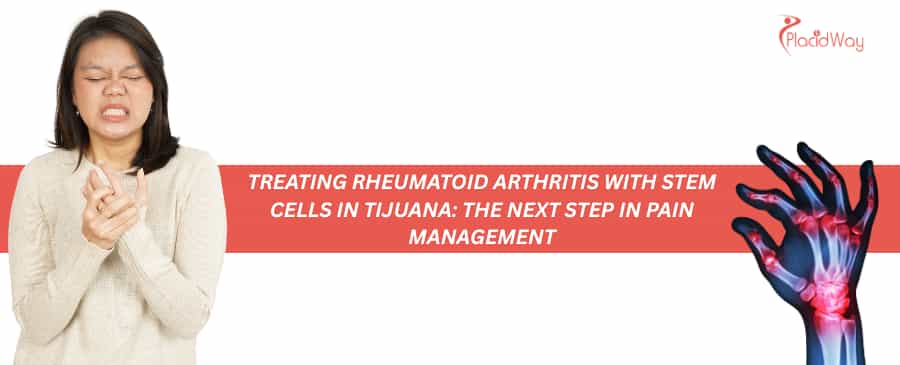
Rheumatoid arthritis is a chronic, systemic autoimmune disorder that aggressively attacks the synovial lining of joints, leading to intense pain, swelling, and eventual degradation. For many individuals, conventional medications such as immunosuppressants or biologics offer limited relief or come with taxing side effects. As medical science advances, many international patients are exploring the potential of stem cell therapy for rheumatoid arthritis in Tijuana. This border city has rapidly emerged as a globally recognized hub for regenerative medicine, attracting patients from North America and beyond.
The core objective of these advanced cellular treatments is not to provide an immediate cure, but rather to modulate the overactive immune system and reduce widespread joint inflammation. Medical facilities in Mexico utilize robust scientific protocols to safely harvest, expand, and administer these therapeutic cells. By seeking regenerative therapies in Mexico, patients can access innovative options that are often still in the clinical trial phase in their home countries. This accessibility is a primary driver for the surging interest in cross-border medical travel.
Tijuana accommodates millions of medical tourists annually, with regenerative medicine standing as one of the fastest-growing sectors due to advanced regulatory pathways and specialized medical expertise.
2. How Regenerative Medicine Approaches Joint Inflammation
The mechanism behind cellular therapy relies heavily on the immunomodulatory properties inherent in specific stem cells. When introduced into the body, these cells typically migrate toward areas of severe inflammation, a process commonly referred to as "homing." Once they reach the affected joints, they release a variety of growth factors and cytokines designed to calm the immune system's aggressive response. This sophisticated biological interaction is a cornerstone of modern autoimmune disease treatments in Mexico.
Furthermore, these therapies aim to stimulate the body's natural healing mechanisms, potentially aiding in the repair of damaged joint tissues over time. While results can never be guaranteed, the primary clinical goal is to lower systemic inflammation, thereby improving the patient's daily comfort and joint mobility. Many individuals undergoing rheumatoid arthritis pain management in Tijuana report a gradual decrease in their reliance on harsh prescription painkillers. This potential for enhanced quality of life is what makes the procedure so compelling.
Research suggests that Mesenchymal Stem Cells (MSCs) possess unique immunosuppressive qualities, which may help downregulate the specific T-cells responsible for attacking healthy joint tissue in RA patients.
3. Why Choose Medical Tourism in Tijuana for Autoimmune Care
Tijuana has systematically built an infrastructure specifically tailored to international patients seeking high-quality healthcare at manageable prices. The city's geographical proximity to the United States allows for straightforward travel, making it highly convenient for individuals dealing with chronic pain and mobility limitations. Deciding to pursue medical tourism in Tijuana means patients can often access cutting-edge medical technologies without enduring long wait times or exorbitant medical bills. Clinics here are heavily invested in bilingual staff and internationally trained specialists.
In addition to convenience, the regulatory landscape in Mexico permits the ethical and safe use of expanded stem cell therapies that are heavily restricted elsewhere. Medical professionals in this region are frequently trained in the US or Europe, ensuring a profound understanding of global medical standards. Therefore, an individual seeking an affordable medical destination for joint pain does not have to compromise on the quality of medical expertise or clinical hygiene. The collaborative care environment found here offers a holistic approach to chronic autoimmune conditions.
Always request an online consultation prior to traveling. This allows you to evaluate the physician's communication style, discuss your specific medical history, and understand realistic expectations before committing to the trip.
4. Comparing Stem Cell Therapy Cost for Rheumatoid Arthritis in Tijuana
The financial aspect of chronic disease management is often overwhelming for patients living in North America. The high out-of-pocket expenses for advanced therapies push many to explore cross-border alternatives. Seeking affordable stem cell therapy for rheumatoid Arthritis in Tijuana typically allows patients to save between 50% to 70% compared to identical procedures offered in the United States or Canada. These significant savings are a result of lower administrative costs, reduced overhead, and favorable exchange rates, rather than a reduction in medical quality.
When comparing prices, it is vital to understand that the final cost will depend on the source of the stem cells, the required dosage, and any supplementary therapies included in the protocol. Specialized clinics provide transparent pricing models that encompass medical evaluations, laboratory tests, and the cell infusion itself. By choosing to receive cost-effective rheumatoid arthritis treatments abroad, patients can reallocate their financial resources toward comprehensive aftercare and physical therapy. Below is a generalized market comparison for these treatments.
| Procedure Name | Average Cost in Tijuana | Average Cost in US/Canada |
|---|---|---|
| Autologous Stem Cell Therapy (Bone Marrow/Adipose) | $4,500 - $6,500 | $10,000 - $15,000 |
| Allogeneic Wharton's Jelly MSC Therapy (IV Infusion) | $5,500 - $8,500 | $15,000 - $25,000+ |
| Localized Intra-Articular Joint Injections (Per Joint) | $1,500 - $3,000 | $4,500 - $8,000 |
5. Types of Stem Cells Used in Rheumatoid Arthritis Treatments
Not all cellular therapies are identical, and medical professionals must tailor the protocol to the unique needs of the patient's immune system. Mesenchymal stem cells (MSCs) are overwhelmingly preferred for treating autoimmune conditions due to their unique ability to suppress aggressive immune responses. When consulting with rheumatoid arthritis clinics in Tijuana, specialists typically recommend either autologous cells (harvested from the patient’s own body) or allogeneic cells (ethically sourced from healthy donors). The choice depends entirely on the patient's age, overall vitality, and severity of joint degradation.
Allogeneic MSCs derived from Wharton's Jelly inside human umbilical cords are particularly popular in modern regenerative protocols. These youthful cells are highly robust, generally divide rapidly, and possess immense anti-inflammatory potential without the typical risk of rejection. Conversely, researching stem cell options for joint repair might lead younger patients to utilize autologous cells extracted from their own adipose (fat) tissue or bone marrow. Both avenues require meticulous laboratory processing to ensure maximum viability.
Umbilical cord-derived stem cells are considered "immune-privileged," meaning they typically do not trigger an adverse immune reaction when introduced into a patient's body, making them incredibly safe for autoimmune treatments.
6. Ideal Candidates for Affordable Stem Cell Therapy in Mexico
Determining eligibility is a critical step to ensure patient safety and optimize potential clinical outcomes. The most suitable candidates are individuals suffering from moderate to severe rheumatoid arthritis who have not experienced satisfactory relief from standard pharmacological treatments. Those looking into stem cell clinics in Mexico must undergo rigorous pre-treatment evaluations to confirm their diagnosis and assess their general physiological state. Patients must be mentally prepared for the reality that regenerative medicine is a process, not an overnight miracle.
Conversely, not everyone qualifies for these specialized immunomodulatory treatments. Patients with active severe infections, individuals currently undergoing cancer treatments, or those with certain advanced cardiovascular conditions are typically excluded from these protocols. A responsible specialist focused on autoimmune regenerative medicine will thoroughly review a patient's medical history before offering treatment. Transparency regarding pre-existing conditions is absolutely essential during the intake process.
Stem cell therapy is generally contraindicated for pregnant women, individuals with active malignancies, or those suffering from acute blood-borne infections. Full disclosure of your medical history to the evaluating physician is strictly required to prevent severe health complications.
7. The Patient Journey: Evaluation to Post-Treatment Care
The medical travel experience is designed to be as smooth and supportive as possible for international visitors facing physical limitations. The journey usually begins weeks in advance with comprehensive online consultations, the sharing of medical records, and detailed discussions regarding realistic expectations. When seeking rheumatoid arthritis joint pain management, patients are guided through a structured itinerary upon their arrival in Mexico. This highly coordinated approach alleviates the inherent stress of navigating a foreign healthcare system.
Once at the facility, the clinical process typically involves a finalized blood panel, the actual stem cell infusion or injection, and a period of closely monitored observation. The administration itself is generally minimally invasive, often relying on an intravenous drip designed to disperse the cells systemically. Following the successful completion of regenerative therapies abroad, patients receive extensive post-treatment guidelines to protect the newly introduced cells.
- Initial Telemedicine Consult: Reviewing X-rays, MRIs, and current medications.
- On-Site Evaluation: Final diagnostic testing and physical assessment by the specialist.
- The Procedure: Minimally invasive administration, typically lasting 2 to 4 hours.
- Follow-Up Care: Scheduled virtual check-ins over the next 3 to 6 months to monitor progress.
8. Patient Experiences with Rheumatoid Arthritis Clinics in Tijuana
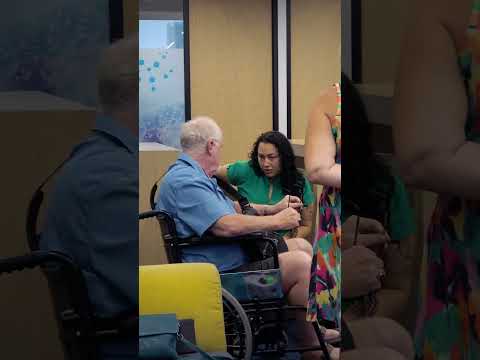
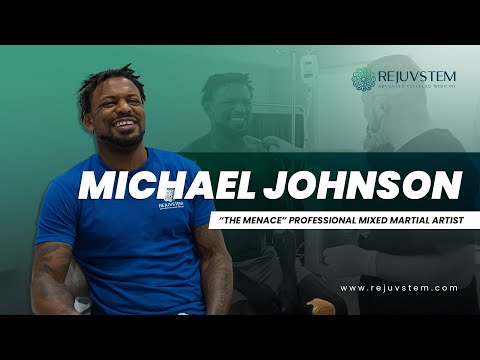
Reviewing the journeys of previous medical travelers can provide valuable insights into the reality of undergoing experimental procedures abroad. While results typically vary based on disease severity and individual biology, a notable percentage of patients report significant improvements in daily functioning. By analyzing patient experiences with stem cell therapy, prospective travelers can better manage their own expectations regarding recovery timelines and potential outcomes. Hearing firsthand accounts demystifies the medical tourism process.
The psychological relief of finding compassionate, attentive care in another country is a recurring theme among international patients. Clinics specializing in autoimmune therapies in Tijuana place a strong emphasis on patient comfort and comprehensive bedside manner. Real-world feedback frequently highlights not just physical improvements, but also the high level of professionalism encountered during their stay. Below are summarized case profiles representing common experiences.
Sarah, 52 (Canada)
Sarah traveled to Mexico after years of suffering from severe morning stiffness. Three months after receiving an IV infusion of Wharton's Jelly MSCs, she reported a noticeable reduction in joint swelling and improved grip strength, though results typically vary.
David, 60 (United States)
Struggling with debilitating knee pain due to RA, David opted for localized intra-articular stem cell injections combined with IV therapy. He experienced a gradual decrease in his dependency on daily anti-inflammatories over a six-month period.
Maria, 45 (United States)
Maria sought an alternative approach to delay aggressive biologic therapies. Her treatment in Tijuana was seamlessly organized, and she noted a significant improvement in her overall energy levels and a reduction in systemic flare-ups.
James, 58 (United Kingdom)
James flew internationally to receive autologous stem cell therapy. While his recovery required patience, he appreciated the clinic's stringent follow-up care and ultimately felt his mobility improved enough to return to playing golf.
9. Safety Protocols and Medical Standards in Mexican Facilities
Safety is understandably the primary concern for anyone considering complex medical treatments outside their home country. Reputable clinics operating in this region are strictly regulated by COFEPRIS, the Mexican equivalent of the FDA, which enforces rigorous health and safety mandates. Ensuring the safety of medical tourism in Tijuana involves choosing facilities that maintain high-grade clean rooms for cell processing and adhere to internationally recognized sterilization protocols. Patients should never hesitate to inquire about a clinic's regulatory standing.
Furthermore, leading regenerative centers frequently hold secondary accreditations and partner with highly certified laboratories to ensure cell viability and purity. The medical staff at these Mexican stem cell facilities are typically board-certified in their respective specialties and maintain active participation in global medical conferences. By prioritizing medical excellence, these clinics mitigate the inherent risks associated with biological therapies and cross-border healthcare.
Many of the top regenerative clinics in Mexico utilize ISO-certified laboratories. This guarantees that the stem cells are processed in a highly controlled, sterile environment, drastically reducing any risk of contamination.
10. Combining Stem Cell Therapy with Conventional Rheumatoid Arthritis Care
It is vital to understand that regenerative medicine should be viewed as a complementary approach rather than an immediate replacement for standard medical care. Patients must actively collaborate with their home rheumatologist when integrating these new protocols. Exploring integrative rheumatoid arthritis treatments means utilizing cellular therapy to potentially lower disease activity while maintaining necessary pharmacological support. Suddenly stopping prescribed medications without medical supervision is incredibly dangerous and highly discouraged.
The ultimate goal of this combined methodology is to slowly taper down harsh medications as the stem cells begin to positively influence the immune system. Specialists involved in holistic autoimmune therapies emphasize the importance of lifestyle modifications, such as anti-inflammatory diets and gentle physical therapy, to support the newly introduced cells. A multidisciplinary approach consistently yields the safest and most optimal environment for patient recovery.
Stem cells function optimally in a healthy environment. Patients who adhere to anti-inflammatory diets and refrain from smoking prior to and following their therapy generally experience a more robust cellular response.
11. Preparing for Your Medical Travel to Tijuana for Joint Pain Management
Proper preparation is key to ensuring a stress-free medical journey across the border. Patients are strongly advised to organize all relevant medical documentation, including recent blood work, imaging scans, and a comprehensive list of current medications. Navigating medical travel to Tijuana requires simple logistical planning, such as ensuring your passport is up-to-date and arranging for a travel companion if your mobility is heavily restricted. Reputable facilitation platforms can assist in streamlining this preparatory phase.
Additionally, it is crucial to prepare your body physically for the regenerative procedure. Physicians often recommend avoiding alcohol, anti-inflammatory drugs (NSAIDs), and certain supplements for a specified period prior to the infusion, as these can interfere with cell activity. Proper hydration and adequate rest are also foundational steps when heading to Mexico for joint pain therapies. Establishing a clear communication channel with your destination clinic ensures you are fully ready upon arrival.
Tijuana is located just minutes away from San Diego, California. Many medical travelers choose to fly into San Diego International Airport and utilize dedicated medical shuttle services to cross the border safely and efficiently.
12. How PlacidWay Assists Your Stem Cell Therapy Medical Tourism Journey in Tijuana
Navigating international healthcare options can feel daunting, especially when managing a chronic and painful condition. Utilizing a trusted PlacidWay medical tourism facilitator ensures that patients have access to thoroughly vetted, world-class medical facilities without the overwhelming stress of independent research. The platform bridges the gap between global patients and specialized medical providers, ensuring clear communication, safety, and transparency throughout the entire decision-making process.
By leveraging global expertise, the platform empowers patients to make highly informed decisions regarding their healthcare journey. The focus remains on connecting individuals with authoritative medical care tailored to their specific regenerative needs. Here is how PlacidWay adds immense value to your pursuit of international autoimmune therapies:
- Providing access to a carefully vetted network of globally accredited medical centers and highly trained specialists.
- Facilitating direct, transparent communication between the patient and the international medical team for preliminary consultations.
- Supplying comprehensive, detailed information regarding procedure protocols, clinic credentials, and realistic expected outcomes.
- Assisting in the acquisition of detailed medical quotes, allowing patients to make accurate and informed financial comparisons.
- Offering ongoing informational support to ensure patients feel confident, educated, and well-prepared before they travel.
13. The Future of Regenerative Treatments for Autoimmune Diseases
The landscape of modern medicine is shifting rapidly as ongoing clinical trials continue to validate the potential of cellular therapies. Advancements in bioengineering and cell expansion techniques are continually refining how medical professionals approach systemic inflammation and joint degradation. The future of regenerative medicine in Mexico looks exceptionally promising, with continuous investments in high-tech laboratories and rigorous scientific training. This ongoing evolution brings profound hope to millions suffering from chronic conditions.
As international collaboration increases, treatments that are currently considered alternative may eventually become mainstream standard care. Until then, international medical hubs will remain vital for patients seeking early access to these innovative health solutions. Those actively pursuing advanced treatments for rheumatoid arthritis can look forward to a future where cellular therapies become even more targeted, personalized, and effective in restoring a pain-free life.
Stay informed about ongoing medical research and global clinical trials regarding stem cells. An educated patient is always better equipped to ask the right questions and make empowered decisions regarding their health.
14. Frequently Asked Questions About Stem Cell Clinics in Tijuana
When considering international medical treatments, it is completely natural to have a multitude of specific questions regarding safety, efficacy, and logistics. Educating yourself thoroughly is the most crucial step in any medical tourism journey. Individuals seeking regenerative therapies in Mexico frequently inquire about the same core topics before making their final decision.
Below is a curated list of the most common inquiries related to this innovative procedure. These concise answers are designed to provide absolute clarity for those exploring stem cell therapy options in Tijuana. Always discuss these points with your chosen medical specialist to ensure they align with your specific health profile.
How much does stem cell therapy for rheumatoid arthritis cost in Tijuana?
The cost of stem cell therapy for rheumatoid arthritis in Tijuana generally ranges between $4,500 and $8,500. This depends largely on the type of stem cells used and the required dosage. These prices typically offer significant savings compared to North American averages.
Is it safe to receive medical treatments in Tijuana clinics?
Yes, many renowned medical tourism clinics in Tijuana strictly adhere to international safety protocols and are regulated by COFEPRIS. Patients should always verify facility credentials and accreditations before booking. Thorough research ensures a secure and properly monitored medical journey.
What type of stem cells are generally used for autoimmune conditions?
Mesenchymal Stem Cells (MSCs), often derived from Wharton's Jelly in the umbilical cord, are most commonly used for autoimmune conditions. They are preferred because of their strong immunomodulatory and anti-inflammatory properties. Autologous stem cells from fat or bone marrow are also utilized depending on the patient's profile.
Can stem cell therapy completely cure my rheumatoid arthritis?
No, stem cell therapy is not a definitive cure for rheumatoid arthritis or any autoimmune disease. It is primarily utilized as a supportive treatment aiming to manage severe joint inflammation, modulate the immune response, and reduce chronic pain. Results vary widely from patient to patient.
Do I need a special medical visa to travel to Mexico for treatment?
Citizens of the United States and Canada typically do not require a special medical visa for short-term treatments in Tijuana. A valid passport is generally sufficient for entry and re-entry. However, it is always recommended to check current border regulations before scheduling your trip.
How are the stem cells administered for joint pain?
For systemic conditions like rheumatoid arthritis, stem cells are typically administered via an intravenous (IV) drip to circulate throughout the body. In cases of localized, severe joint degradation, direct intra-articular injections may also be performed. The method is determined during your specialist consultation.
How long does the actual stem cell procedure take?
The administration of the stem cells generally takes a few hours, usually performed on an outpatient basis. However, the entire process, including initial blood work, consultations, and observation, may require a stay of a few days. Patients are often advised to rest immediately following the infusion.
Will my primary care doctor be able to follow up on my care?
Yes, maintaining communication with your primary care physician or rheumatologist is strongly encouraged. Most international clinics provide detailed post-treatment medical reports that you can share with your local doctor. Continuing conventional monitoring alongside regenerative therapy is crucial.
Are there age restrictions for stem cell therapy in Mexico?
While there is no strict universal age limit, candidates are typically evaluated based on their overall health, the severity of their condition, and existing comorbidities. Older patients may be guided toward allogeneic (donor) cells rather than autologous cells. A thorough medical evaluation determines individualized eligibility.
How soon might a patient notice improvements after therapy?
Most patients report noticing gradual changes in pain levels and joint mobility within three to twelve weeks following the procedure. The regenerative process takes time as the cells interact with the body's immune system. Continuous evaluation over several months is typically necessary to assess true efficacy.
Ready to explore your options for Stem Cell Therapy in Tijuana? Let PlacidWay guide your medical journey.
Medical Disclaimer: This article is for informational purposes only and is not medical advice. Always consult a qualified healthcare provider before any medical decisions. Results may vary. Read Full Disclaimer here.
References
- National Institute of Arthritis and Musculoskeletal and Skin Diseases. Rheumatoid Arthritis. https://www.niams.nih.gov/health-topics/rheumatoid-arthritis
- Arthritis Foundation. Stem Cell Guidance. https://www.arthritis.org/science/events-publications/stem-cell-guidance
- Wikipedia. Mesenchymal stem cell. https://en.wikipedia.org/wiki/Mesenchymal_stem_cell
- Centers for Disease Control and Prevention (CDC). Medical Tourism. https://wwwnc.cdc.gov/travel/page/medical-tourism
- National Center for Biotechnology Information (NCBI). Stem cell therapies in rheumatoid arthritis. https://pmc.ncbi.nlm.nih.gov/articles/PMC8584240/

.png)


.png)
.png)
.png)


.jpg)

.jpg)
.jpg)








Share this listing