


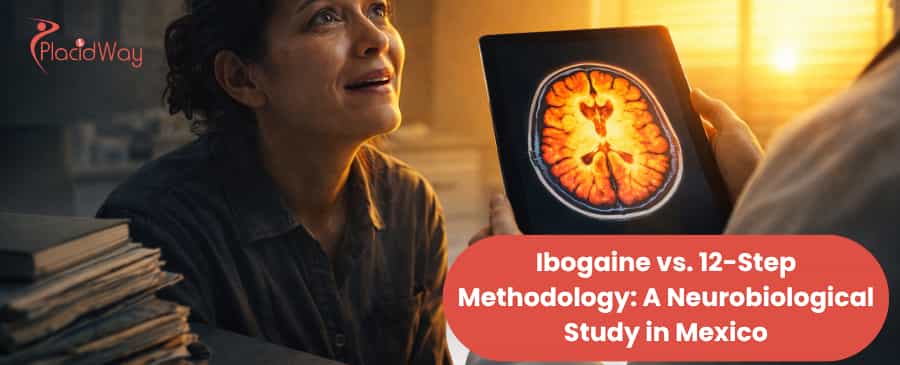
The landscape of addiction recovery is shifting as more individuals seek alternative addiction treatments in Mexico. For decades, the 12-step methodology has been the global gold standard, focusing on abstinence, community, and spiritual growth to overcome dependency. However, a growing interest in neurobiological study in Mexico highlights the potential of ibogaine, a naturally occurring psychoactive substance, to provide a rapid biological reset that traditional methods may lack.
Mexico has emerged as a premier destination for those exploring ibogaine therapy for opioid addiction and other substance use disorders. Unlike traditional rehab, which can last months, ibogaine treatment is typically a short-term, intensive medical experience. This section explores how these two vastly different approaches—one rooted in behavioral psychology and the other in neuropharmacology—aim to achieve the same goal: lasting sobriety.
Ibogaine is derived from the root bark of the Tabernanthe iboga plant, native to West Central Africa, and has been used in traditional ceremonies for centuries before being studied for addiction interruption.
The Neurobiological Impact of Ibogaine Treatment
Research into the neurobiological effects of ibogaine suggests that the substance works by targeting multiple neurotransmitter systems simultaneously. It is often referred to as an "addiction interrupter" because it typically reduces or eliminates withdrawal symptoms and cravings within a single dose. This is achieved by resetting the brain’s reward pathways, particularly the dopamine and serotonin systems, which are often hijacked by chronic substance abuse.
Clinical studies in Mexico ibogaine centers focus on the increase of Glial Cell Line-Derived Neurotrophic Factor (GDNF) in the brain. GDNF is known to promote the survival and repair of neurons, effectively helping the brain "rewire" itself away from addictive patterns. This physiological reset provides a window of opportunity for patients to begin psychological healing without the immediate burden of physical cravings.
Case Study: Mark’s Rapid Recovery
Mark, a 34-year-old from Canada, struggled with long-term opioid use. After multiple failed attempts at traditional 12-step programs, he sought ibogaine therapy in Mexico. Within 48 hours, he reported a near-total absence of physical withdrawal, allowing him to focus on integration therapy immediately.Traditional 12-Step Programs for Addiction
The 12-step methodology in Mexico follows the time-tested framework of Alcoholics Anonymous (AA) and Narcotics Anonymous (NA). This approach is centered on the belief that addiction is a chronic, progressive disease that requires a spiritual awakening and lifetime commitment to abstinence. Many residential facilities in Mexico incorporate these steps into their daily curriculum, emphasizing peer support and accountability.
While the 12-step model does not offer a pharmacological reset like ibogaine, it provides a robust social structure that is often vital for long-term success. For many patients, the transition from medical tourism in Mexico back to their home environment is made easier by the global availability of 12-step meetings, ensuring they have a community to lean on regardless of their location.
The 12-step model is utilized by approximately 74% of treatment centers in the United States, highlighting its pervasive influence on global addiction recovery standards.
Affordable Ibogaine and Rehab Cost
One of the primary drivers for medical travel to Mexico is the significant cost difference compared to the United States and Europe. Traditional high-end residential rehab centers in the US can cost upwards of $30,000 per month. In contrast, affordable ibogaine treatment in Mexico offers a highly specialized medical intervention for a fraction of that price, often including medical pre-screening and luxury amenities.
Below is a comparative look at the cost of addiction recovery in Mexico versus international averages. Note that these figures typically include clinical fees, professional medical supervision, and inpatient stays, though prices vary based on the level of luxury and medical intensity required for the patient.
| Procedure Name | Average Cost in Mexico | Cost in USA/Canada |
|---|---|---|
| Ibogaine Detox Package (7-10 Days) | $5,500 – $9,000 | $15,000+ (Limited Access) |
| Traditional Residential Rehab (30 Days) | $4,000 – $12,000 | $25,000 – $50,000 |
| Outpatient 12-Step Support | $500 – $1,500/mo | $2,000 – $5,000/mo |
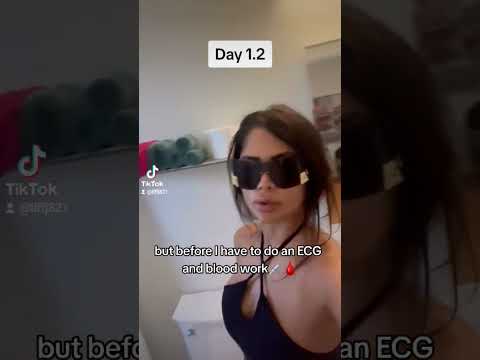
Always ensure the quoted cost includes comprehensive cardiac screening (EKG/ECG) and blood work, as these are critical for a safe ibogaine experience.
Clinical Safety and Medical Supervision in Mexico
Safety is the most critical component of ibogaine therapy in Mexico. Because ibogaine places significant stress on the cardiovascular system—specifically by prolonging the QT interval—medical supervision is non-negotiable. Reputable clinics in Mexico operate with ACLS-certified (Advanced Cardiovascular Life Support) medical staff and utilize continuous heart monitoring during the active phase of the treatment.
In contrast, 12-step programs are generally non-medical in nature and do not carry the same physiological risks. Most patients experience a safe ibogaine treatment when they are properly screened for pre-existing heart conditions and electrolyte imbalances. Safe addiction treatment in Mexico relies on strict protocols that bridge the gap between alternative medicine and rigorous clinical standards.
Patients with pre-existing heart conditions, severe liver disease, or active psychosis should not undergo ibogaine therapy. Always provide a full medical history to your provider.
Patient Selection for Ibogaine Therapy
Not every individual is a candidate for ibogaine therapy in Mexico. Successful candidates are typically those who have struggled with traditional abstinence-based models and are looking for a biological intervention to halt the cycle of dependency. Clinicians generally prefer patients who are physically stable and have a strong motivation to engage in the necessary psychological "after-work" that follows the ibogaine experience.
The selection process for 12-step programs is broader, as they are accessible to anyone with a desire to stop using substances. However, combining the two—using ibogaine for substance use disorder to clear the "brain fog" and then entering a 12-step community—has become a popular strategy for those seeking a comprehensive recovery plan through medical travel to Mexico.
Testimonial: Sarah’s Perspective
"Ibogaine gave me my life back by stopping the cravings that made 12-step meetings impossible for me to focus on. Mexico clinics gave me the medical safety I needed to finally start my recovery journey."Long-Term Recovery in Mexico
When analyzing addiction recovery success rates in Mexico, it is important to distinguish between "detox success" and "long-term sobriety." Ibogaine has an exceptionally high success rate for interrupting acute addiction and eliminating withdrawal. However, without follow-up care, the neurobiological reset can fade over time as environmental triggers resurface.
The 12-step methodology often reports lower initial retention but has a strong record of maintaining long-term sobriety through its focus on community and lifestyle changes. The most effective recovery programs in Mexico are now integrating these methods, using ibogaine to achieve biological stabilization and 12-step principles to manage the psychological and social aspects of addiction over the following years.
Studies suggest that while ibogaine can reduce opioid withdrawal symptoms by up to 90% in the first 72 hours, long-term success increases by 60% when coupled with intensive aftercare therapy.
Psychological Support and Aftercare in Mexico
The "grey phase" of ibogaine recovery refers to the weeks following treatment when the brain is highly plastic. During this time, psychological support in Mexico is vital. Many clinics offer integration counseling to help patients process the insights gained during their ibogaine experience. This phase is where the neurobiological changes meet cognitive behavioral therapy or 12-step principles.
Without structured aftercare, patients returning home from medical tourism in Mexico are at a higher risk of relapse. Reputable facilities emphasize the creation of a "sober blueprint," which may include continuing therapy, joining local support groups, or relocating to a sober living environment to ensure the physical benefits of the treatment are not lost.
Neuroplasticity is the brain's ability to reorganize itself by forming new neural connections. Ibogaine significantly enhances this state for 2-4 weeks post-treatment.
The Role of Medical Tourism for Addiction
Mexico has become a global center for addiction treatment medical tourism because it offers medical freedoms that are not yet available in many other countries. This allows for the regulated use of ibogaine in clinical settings. Patients from the US, Canada, and Europe travel to Mexico not just for the cost, but for access to innovative therapies that have been shown to work in neurobiological studies in Mexico.
The infrastructure for medical travel in Mexico is highly developed, with clinics often located in peaceful, coastal environments like Baja California or Riviera Maya. This serene setting contributes to the healing process, removing the patient from their stressful home environment and allowing them to focus entirely on their alternative addiction treatment journey.
Mexico's medical tourism sector attracts over 1 million international patients annually, with addiction recovery being one of the fastest-growing niches.
Ethical Considerations of Ibogaine Therapy
As the popularity of ibogaine therapy in Mexico grows, ethical considerations regarding patient care and clinic standards become paramount. It is essential that clinics provide transparent information about their medical protocols and the qualifications of their staff. Prospective patients should look for facilities that prioritize safety over profit and maintain rigorous screening processes.
Ethical ibogaine clinics in Mexico also ensure that patients have realistic expectations. Ibogaine is not a "magic bullet" but a powerful tool that requires personal effort and dedication to sustain. Providing honest disclosures about the potential for relapse and the necessity of long-term work is a hallmark of a trustworthy provider in the field of alternative addiction recovery.
Patient Story: David’s Journey
David chose a clinic in Mexico that specialized in both ibogaine and holistic 12-step integration. He valued the transparency regarding the risks and the detailed aftercare plan that helped him stay sober for two years and counting.Neuroplasticity and Brain Repair in Mexico Treatments
The concept of "brain repair" is at the heart of neurobiological research in Mexico. Chronic drug use damages the brain’s frontal cortex, which is responsible for decision-making and impulse control. Ibogaine is thought to stimulate the production of neurotrophic factors that help repair this damage, potentially restoring the individual’s ability to make healthier choices.
This biological repair is something that traditional 12-step programs cannot offer directly. By combining the neurobiological impact of ibogaine with the behavioral discipline of the 12 steps, patients can address both the physical "hardware" of the brain and the "software" of their habits and beliefs. This holistic approach is why many consider Mexico the leader in addiction innovation.
Clinical Note: Recovery Insight
A patient who underwent ibogaine treatment described it as "ten years of therapy in 24 hours," referring to the deep psychological insights and the sudden clarity that replaced their addiction-fueled thought patterns.Preparing for Addiction Treatment in Mexico
Preparing for addiction treatment in Mexico requires both physical and mental readiness. For ibogaine specifically, patients must undergo a battery of tests, including EKG, liver function tests, and blood panels. Mentally, it is helpful to go into the experience with clear intentions and an open mind, as the psychoactive nature of the treatment can be intense and challenging.
For those entering a 12-step-based residential program, preparation may involve setting up a support network at home for when they return. Regardless of the chosen path, medical travel to Mexico for recovery is a significant step that should be handled with care, starting with choosing the right facility and understanding the cultural and logistical aspects of the journey.
Keep a digital and physical copy of all your medical records, including recent EKG results, to share with your chosen clinic in Mexico upon arrival.
How PlacidWay Assists Your Ibogaine Medical Tourism Journey?
Navigating the options for ibogaine therapy in Mexico can be overwhelming. PlacidWay acts as a comprehensive resource to help international patients find reputable clinics that meet international safety standards. By providing transparent information and connecting patients with verified providers, PlacidWay simplifies the process of seeking life-changing addiction treatment abroad.
- Access to a curated network of safe ibogaine clinics in Mexico.
- Comprehensive cost comparisons and treatment packages tailored to individual needs.
- Detailed profiles of medical staff and facility certifications to ensure E-E-A-T.
- Resource guides on what to expect during alternative addiction recovery.
- Patient testimonials and case studies to provide real-world insights into the recovery process.
- Assistance in understanding the differences between ibogaine and 12-step methodologies.
- Support in finding clinics that offer integrated aftercare and psychological support.
PlacidWay has helped thousands of patients navigate international healthcare, providing a bridge to innovative treatments that are often unavailable or unaffordable in their home countries.
FAQs
Yes, ibogaine is not a scheduled substance in Mexico, allowing specialized clinics to offer treatment under medical supervision for international patients seeking alternative addiction recovery.
Ibogaine physically resets brain chemistry by targeting neurotransmitters, whereas 12-step programs focus on behavioral changes and spiritual support without direct pharmacological intervention.
The average cost ranges from $5,000 to $9,000, which is significantly more affordable than long-term residential 12-step rehab centers in the United States or Canada.
The most significant risks involve cardiac stress, specifically QT interval prolongation; therefore, rigorous heart monitoring and pre-screening are essential for patient safety.
Most international patients can enter Mexico on a standard tourist visa for short-term treatments, though it is recommended to check specific requirements for your country.
Yes, high-quality clinics in Mexico provide 24/7 medical supervision, including EKG monitoring and ACLS-certified staff to manage the intense neurobiological experience safely.
Many patients find success using ibogaine as a biological 'reset' followed by the community and accountability structure of 12-step programs for long-term sobriety.
While the acute effects last 24–48 hours, patients typically spend 7 to 10 days in a clinical setting to process the experience and ensure physical stabilization.
It is most frequently used for opioid and stimulant dependencies, though its neurobiological effects may assist with various substance use disorders depending on the individual.
Most reputable centers offer remote aftercare planning and integration sessions to help patients maintain the progress made during their stay in Mexico.
Ready to explore your options for addiction treatment in Mexico?
Connect with world-class experts and start your journey toward healing today.
References
- Multidisciplinary Association for Psychedelic Studies (MAPS). Ibogaine Therapy for Drug Addiction. https://maps.org/research/ibogaine-therapy
- National Institute on Drug Abuse (NIDA). Research Reports: Treatment Approaches for Drug Addiction. https://nida.nih.gov/research-topics/treatment
- National Center for Biotechnology Information (NCBI). Neurobiology of Ibogaine and Its Relation to Addiction. https://www.ncbi.nlm.nih.gov/pmc/articles/PMC4382139/
- Wikipedia. Ibogaine. https://en.wikipedia.org/wiki/Ibogaine
- World Health Organization (WHO). Management of Substance Abuse. https://www.who.int/teams/mental-health-and-substance-use/alcohol-drugs-and-addictive-behaviours



.png)
.png)
.png)








Share this listing