
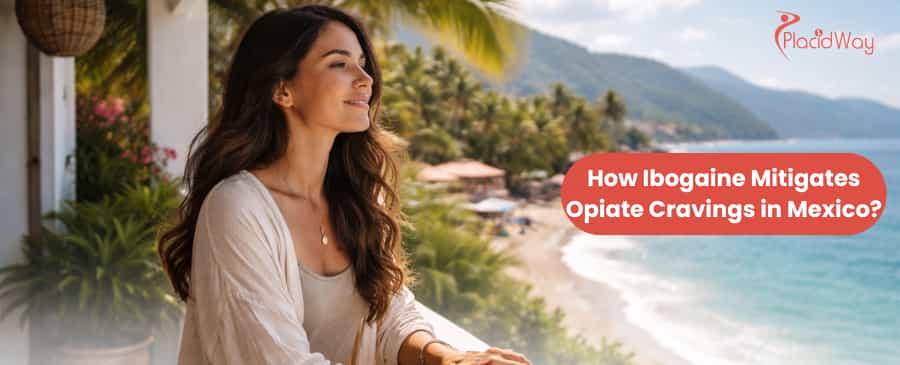
Seeking ibogaine treatment in Mexico has become a pivotal choice for many individuals battling chronic opiate dependency. This naturally occurring alkaloid, derived from the Tabernanthe iboga plant, offers a unique approach that differs significantly from traditional replacement therapies. By addressing addiction at both a biological and psychological level, it provides a window of opportunity for long-term sobriety.
The landscape of addiction recovery in Mexico is characterized by a blend of clinical expertise and holistic care settings. Patients traveling internationally often find that the environment allows for a profound focus on healing away from the triggers of their daily lives. Understanding the basics of how this substance interacts with the body is the first step in a successful medical tourism journey.
Ibogaine has been studied for decades for its ability to interrupt substance use disorders, particularly those involving short-acting and long-acting opioids.
Neurochemical Mechanisms of Ibogaine Therapy
The neurochemical insights of ibogaine reveal a complex interaction with multiple neurotransmitter systems in the brain. Unlike most substances that target a single receptor, ibogaine acts on the opioid, NMDA, and serotonin receptors simultaneously. This multi-target approach is what helps to "reset" the brain's chemistry, which is often severely altered by prolonged opiate use.
One of the most significant effects of ibogaine for opiate cravings is its ability to stimulate the production of Glial Cell Line-Derived Neurotrophic Factor (GDNF). GDNF is a protein that promotes the survival and differentiation of dopaminergic neurons. By increasing these levels, ibogaine helps repair the neural pathways damaged by addiction, effectively reducing the physiological urge to consume opiates.
Ibogaine is lipophilic, meaning it is stored in the body's fat cells and slowly released as noribogaine, providing an anti-craving effect that can last for weeks.
Affordable Ibogaine Treatment Options
For many, affordable ibogaine therapy is a primary driver for choosing Mexico as their destination for recovery. While high-quality medical care is never "cheap," the cost of operating specialized facilities in Mexico is lower than in other regions. This allows clinics to offer comprehensive packages that include medical monitoring, psychological support, and specialized nutritional plans.
When considering low-cost ibogaine detox, it is vital to balance price with safety. The most reputable centers invest heavily in medical equipment, such as EKGs and heart monitors, and maintain a high staff-to-patient ratio. Patients generally find that the value of these comprehensive programs far exceeds the baseline cost, especially when compared to the long-term financial burden of active addiction.
Overcoming a Decade of Heroin Use
"After ten years of struggling with heroin, I chose to travel to Mexico for ibogaine treatment. The experience was intense but life-changing. I felt like the 'cloud' in my brain finally cleared, and for the first time in a decade, the physical cravings were gone. It gave me the head start I desperately needed." — Mark S., USAComparing Ibogaine Cost and Overseas
Analyzing the cost of ibogaine treatment in Mexico involves looking at the total package of care provided. Patients usually find that the transparency of pricing in Mexican clinics helps in planning their medical journey. These costs typically cover the initial screening, the ibogaine administration itself, 24/7 medical supervision, and post-treatment integration sessions.
The medical tourism costs in Mexico are competitive because of the specialized nature of these clinics. In other countries where ibogaine might be available in a research or "underground" setting, the lack of medical oversight can lead to higher risks and hidden complications. Mexico’s established infrastructure for addiction recovery provides a structured environment that justifies the investment in one’s health.
| Procedure Name | Average Cost in Mexico | Cost in USA/Canada (Alternative Rehab) |
|---|---|---|
| Standard Ibogaine Protocol (7 Days) | $5,000 - $6,500 | $15,000 - $25,000 (Inpatient) |
| Advanced Medical Ibogaine (10-12 Days) | $7,000 - $9,000 | $30,000+ (Specialized) |
| Post-Detox Integration & Therapy | Included in Package | $200 - $400 per session |
Safety Protocols for Ibogaine Therapy
Adhering to strict ibogaine safety protocols is the most critical aspect of any reputable treatment facility. Because ibogaine can affect heart rhythm, specifically the QT interval, comprehensive cardiac screening is mandatory. Facilities generally require a recent EKG and blood work before a patient is even cleared for travel to the facility.
During the ibogaine administration in Mexico, patients are typically monitored with continuous telemetry. This allows the medical team to observe heart rate and oxygen levels in real-time. Having ACLS-certified (Advanced Cardiovascular Life Support) staff on-site ensures that any physiological changes are managed immediately, providing the highest level of safety for the patient during their journey.
Ibogaine is strictly contraindicated for individuals with certain heart conditions, liver failure, or active psychosis. Never attempt to use ibogaine without professional medical supervision and a prior cardiac clearance.
Patient Experience with Ibogaine for Addiction
The patient experience with ibogaine is often described as a "waking dream" state. Unlike other forms of detox, ibogaine allows the user to process subconscious traumas and the root causes of their addiction without the intense physical pain usually associated with withdrawal. This psycho-spiritual aspect is why many consider it a holistic breakthrough.
International patients often highlight the compassionate care found in Mexico addiction centers. The staff typically understands the vulnerability of those seeking treatment and provides a supportive, non-judgmental environment. This emotional safety is just as important as medical safety, as it allows the patient to fully engage with the internal insights gained during the ibogaine session.
A Second Chance at Life
"I had tried every rehab in Canada, but nothing worked for my fentanyl addiction. The ibogaine treatment in Mexico was the first thing that actually stopped the cravings. It’s been 14 months now, and I’m still clean." — Sarah J., CanadaProfessional and Safe Environment
"I was nervous about traveling to Mexico for medical care, but the clinic was more professional than many hospitals I've seen in the UK. The doctors were with me every step of the way during the ibogaine flood dose." — James L., UKThe Role of Noribogaine in Long-Term Recovery
Understanding the role of noribogaine is essential for managing expectations after treatment. When the liver processes ibogaine, it converts it into noribogaine, which acts as a long-acting selective serotonin reuptake inhibitor and an opioid receptor agonist. This metabolite stays in the system much longer than the ibogaine itself, helping to stabilize mood during the early weeks of sobriety.
This "afterglow" effect is a critical component of long-term recovery after ibogaine. It provides a biological buffer against depression and anxiety, which are common triggers for relapse. By keeping the brain's neurochemistry balanced, noribogaine gives patients the strength to implement the lifestyle changes necessary to stay clean after they leave the clinic in Mexico.
Studies indicate that ibogaine can reduce withdrawal symptoms by up to 80-90% in most patients, significantly lowering the barrier to initial sobriety.
Psychological Support during Ibogaine Detox
While the neurochemistry is fascinating, the psychological benefits of ibogaine cannot be ignored. Most facilities in Mexico include pre-treatment counseling and post-treatment integration. This helps patients make sense of the visions or insights they may have experienced during their treatment, turning a biological process into a psychological breakthrough.
Supportive care during ibogaine detox in Mexico generally includes various modalities like talk therapy, meditation, and sometimes even art therapy. This multi-faceted approach ensures that the patient is not just physically clean, but also mentally prepared to face the world. The goal is to build a foundation of resilience that can withstand the stresses of post-treatment life.
Look for clinics that offer a minimum of 3-4 days of post-treatment integration. This time is crucial for physical rest and emotional processing.
Medical Tourism for Addiction Recovery
Mexico has established itself as a world leader in medical tourism for addiction recovery. The combination of proximity to the United States and Canada, high standards of medical education, and specialized regulatory frameworks makes it an ideal location. Patients benefit from a system that is designed to cater to international travelers, often including airport pickups and concierge services.
The rise of international medical travel to Mexico for ibogaine is also due to the "privacy" factor. Seeking treatment abroad allows patients to maintain their anonymity and step away from their social and professional circles. This physical distance often mirrors the mental distance they need to achieve from their substance use patterns.
Mexico is one of the few countries in the world where ibogaine can be legally administered in a clinical setting, making it the primary destination for this therapy.
Legal Status and Regulation of Ibogaine
The legal status of ibogaine in Mexico is a primary reason for the proliferation of high-quality clinics there. Ibogaine is not a scheduled substance in Mexico, which means it occupies a unique legal space where it can be used for therapeutic purposes. This allows for transparent operations and the implementation of formal medical standards.
Regulation for ibogaine clinics in Mexico typically falls under the broader healthcare oversight of COFEPRIS (the Mexican equivalent of the FDA). While the specific use of ibogaine is a niche, clinics must still adhere to general medical facility regulations, ensuring hygiene, staff qualifications, and emergency preparedness. This regulatory environment provides peace of mind to international patients.
Reputable clinics in Mexico operate with full business licensing and medical permits, employing licensed doctors and nurses to oversee all treatments.
Preparing for Your Ibogaine Journey
Proper preparation for ibogaine treatment is essential for maximizing the therapy's effectiveness. Clinics generally provide a protocol that includes tapering off certain medications and adhering to a specific diet in the weeks leading up to arrival. Hydration and electrolyte balance are also prioritized to ensure the body is in the best possible state for the treatment.
Mentally preparing for addiction treatment in Mexico involves setting clear intentions. Many patients find it helpful to journal about why they are seeking treatment and what they hope to achieve. Approaching the experience with an open mind and a willingness to confront difficult emotions is often cited as a key factor in long-term success.
Ensure you have a complete copy of your medical history and current prescriptions ready to share with your intake coordinator in Mexico.
Holistic Integration After Ibogaine Treatment
The integration phase after ibogaine is arguably as important as the treatment itself. The brain remains in a state of high neuroplasticity for several weeks following the administration. This is a "golden window" where new, healthy habits can be established more easily than at any other time in an addict's life.
Many holistic recovery centers in Mexico offer ongoing support or refer patients to integration coaches in their home countries. Integration usually involves regular therapy, joining support groups like NA or SMART Recovery, and focusing on physical wellness. By treating ibogaine as a catalyst rather than a "cure," patients can build a sustainable lifestyle free from opiates.
Maintaining Sobriety Two Years Later
"Ibogaine in Mexico didn't just stop my cravings; it gave me the perspective to see why I was using. The integration work I did afterward was the key. Two years later, I'm still sober and have a life I never thought possible." — David R., AustraliaHow PlacidWay Assists Your Ibogaine Medical Tourism Journey?
Navigating the options for medical travel for ibogaine can be overwhelming. PlacidWay serves as a comprehensive resource to help patients find reputable facilities that meet their specific needs. By providing detailed information on various centers, we empower individuals to make informed decisions about their health and recovery journey.
Our role is to bridge the gap between patients and high-quality ibogaine centers in Mexico. We focus on transparency and education, ensuring that every patient understands what to expect and how to prepare for this transformative experience. Here is how we help:
- Providing access to a curated list of specialized addiction recovery centers in Mexico.
- Offering detailed cost comparisons and package inclusions for various clinics.
- Facilitating direct communication between patients and medical providers for initial screenings.
- Sharing verified patient testimonials and case studies to provide real-world insights.
- Supplying educational resources on the neurochemistry and safety of ibogaine.
- Assisting with the logistical understanding of seeking medical care in Mexico.
- Ensuring patients have access to information regarding post-treatment integration services.
Frequently Asked Questions
Yes, ibogaine is not a scheduled substance in Mexico, allowing specialized clinics to offer treatment under medical supervision.
A typical stay for ibogaine treatment in Mexico generally lasts between 7 to 10 days, including preparation and integration.
Potential risks typically include cardiovascular stress and electrolyte imbalances, which is why strict medical screening is essential.
The cost generally ranges from $5,000 to $8,000, depending on the level of medical care and length of stay.
Most patients experience a significant reduction in withdrawal symptoms, though results vary based on the individual's history.
Most international patients from the US, Canada, and UK can enter Mexico on a standard tourist permit for treatment.
While many patients travel alone, clinics generally recommend having a support system in place for when you return home.
Standard requirements typically include an EKG, comprehensive blood panels, and liver function tests to ensure patient safety.
Many providers offer remote integration coaching and support to help maintain the results achieved during the stay in Mexico.
Focus on facilities that prioritize medical safety, provide 24/7 nursing care, and have experienced ACLS-certified staff.
Ready to start your journey toward freedom from opiate cravings?
PlacidWay is here to help you find the best ibogaine treatment options in Mexico today.
Medical Disclaimer: This article is for informational purposes only and is not medical advice. Always consult a qualified healthcare provider before any medical decisions. Results may vary. Read Full Disclaimer here.
- Wikipedia. Ibogaine. https://en.wikipedia.org/wiki/Ibogaine
- National Center for Biotechnology Information. Ibogaine and Noribogaine. https://pubmed.ncbi.nlm.nih.gov/26841300/
- Multidisciplinary Association for Psychedelic Studies (MAPS). Ibogaine Research. https://maps.org/research/ibogaine-therapy
- ICEERS. Ibogaine: A Technical Report. https://www.iceers.org/en/tag/ibogaine/
- Frontiers in Pharmacology. Neurobiological Mechanisms of Ibogaine. https://www.frontiersin.org/articles/10.3389/fphar.2018.00529/full







.png)
.png)
.png)
.png)


.jpg)
.jpg)
.jpg)
.jpg)








Share this listing