
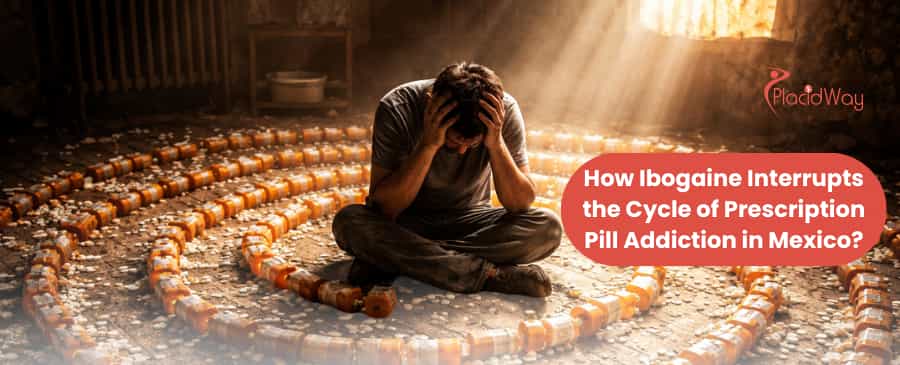
The global crisis of prescription pill addiction has left millions searching for a way out of a cycle characterized by agonizing withdrawal and high relapse rates. In recent years, ibogaine for prescription pill addiction in Mexico has emerged as a compelling alternative for those who have found traditional rehabilitation methods insufficient. This naturally occurring alkaloid, derived from the Tabernanthe iboga plant, is uniquely positioned to address the complex neurochemistry of opioid dependency.
Mexico has become a primary destination for this therapy due to its progressive regulatory environment and the presence of specialized medical centers. Patients traveling for addiction treatment in Mexico often seek a holistic yet medically supervised approach that targets both the physical and psychological roots of their condition. By focusing on interrupting the immediate withdrawal phase, ibogaine offers a window of opportunity for long-term recovery that is rarely seen in conventional settings.
Ibogaine is known as an "addiction interrupter" rather than a cure, because it can eliminate up to 90% of opioid withdrawal symptoms within hours of administration.
The Science of Interrupting Addiction with Ibogaine
The mechanism by which ibogaine therapy in Mexico works is fundamentally different from replacement therapies like methadone or buprenorphine. Instead of simply substituting one opioid for another, ibogaine and its metabolite, noribogaine, work to "reset" the brain's neurotransmitter systems. It targets multiple receptors, including the mu-opioid receptors, which are the primary sites affected by prescription painkillers like oxycodone and hydrocodone.
Beyond receptor saturation, ibogaine stimulates the production of Glial Cell Line-Derived Neurotrophic Factor (GDNF) in the brain. This protein promotes the survival and repair of dopamine neurons, which are typically damaged or desensitized during long-term prescription pill addiction. This neuroplasticity-promoting effect helps patients return to a pre-addicted state of brain function, making it easier to engage in therapy and lifestyle changes post-treatment.
Scientific studies suggest that noribogaine stays in the system for weeks, providing a natural anti-depressant effect that helps prevent early relapse.
Effective Treatment Protocols for Ibogaine
Quality care in Mexico ibogaine centers follows a strict clinical protocol designed to ensure patient safety while maximizing the therapeutic potential of the substance. The process generally begins with a medical stabilization period where short-acting opioids are managed to ensure the patient is in the correct state for the "flood dose." This pharmacological preparation is vital for preventing adverse reactions during the session.
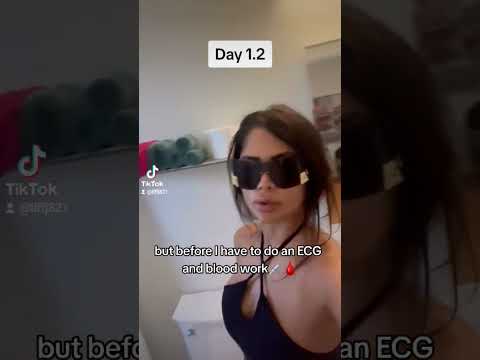
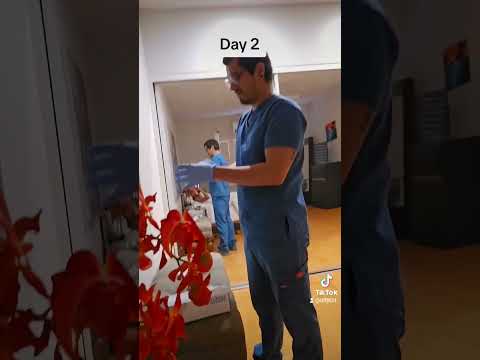
During the actual ibogaine session, patients are typically monitored 24/7 by medical professionals, including ACLS-certified nurses and doctors. The use of medical ibogaine in Mexico involves continuous EKG monitoring and vitals tracking, as the substance can influence heart rate and electrolyte balance. This high level of clinical oversight distinguishes professional centers from unregulated providers, ensuring a secure environment for profound transformation.
- Always request a copy of the clinic's medical emergency protocols before booking.
- Ensure the facility has an on-site doctor specialized in addiction medicine.
Affordable Ibogaine Treatment Cost
One of the primary drivers for medical tourism in Mexico is the significant cost savings compared to private specialized care in other Western nations. While ibogaine remains unavailable in a clinical setting in the United States, comparable high-end residential detox programs can cost upwards of $30,000. In contrast, Mexican facilities offer comprehensive packages at a fraction of that price.
The ibogaine cost in Mexico typically covers the full medical team, the medication itself, psychological counseling, and a residential stay in a comfortable, often resort-like setting. This all-inclusive approach allows patients to focus entirely on their recovery without worrying about mounting daily medical fees. Below is a general comparison of market rates for specialized addiction therapies.
| Treatment Type | Average Cost in Mexico | Comparison (USA/Canada) |
|---|---|---|
| 7-Day Ibogaine Detox | $5,000 - $8,500 | Not Legally Available |
| Premium Ibogaine + Aftercare | $9,000 - $12,500 | $25,000+ (Traditional) |
| Medical Stabilization (3 days) | $1,500 - $3,000 | $5,000 - $7,000 |
Benefits of Medical Tourism for Ibogaine
Choosing safe ibogaine treatment in Mexico provides more than just a medical procedure; it offers a total change of environment that is often essential for breaking the "environmental triggers" of addiction. By stepping away from the daily stresses and access points of prescription pills, patients can enter a "healing bubble." The Mediterranean-like climate of Baja California or the serene beaches of the Riviera Maya contribute significantly to the psychological well-being of the patient.
Furthermore, the best ibogaine clinics in Mexico have decades of experience that many other regions lack. Because they have been operating legally and openly, they have refined their safety protocols and psychological integration techniques. This deep institutional knowledge translates to better patient outcomes and a more nuanced understanding of the specific challenges faced by prescription pill users compared to illicit drug users.
Case Summary: Breaking the Opioid Loop
A 45-year-old patient from Canada, addicted to prescription Percocet for ten years following back surgery, sought treatment in Mexico. After a 10-day ibogaine protocol, they reported a total cessation of cravings and were able to return to work without the "brain fog" typically associated with maintenance medications.Safety and Screening for Ibogaine Therapy
While the benefits are significant, it is vital to acknowledge that ibogaine safety in Mexico depends entirely on rigorous screening. Ibogaine is a powerful substance that places stress on the cardiovascular system. Reputable clinics will never accept a patient without a comprehensive medical history, a recent EKG, and blood panels checking liver and kidney function. Patients with pre-existing heart conditions like Long QT Syndrome are generally excluded from treatment.
In addition to physical health, psychiatric stability is assessed. Most patients experience a "dream-like" state during the peak of the treatment, which requires a stable mental foundation. Typically, medical tourism for addiction involves a pre-screening phase where doctors review these results remotely before the patient even books their flight, ensuring that only suitable candidates undergo the procedure.
Avoid any clinic that does not require an EKG or blood work. These are non-negotiable safety standards for ibogaine administration.
Preparing for Ibogaine Therapy
Preparation for holistic addiction recovery in Mexico begins weeks before arrival. Patients are often advised to begin a healthy diet and stay hydrated to prepare their bodies for the detox. Most importantly, patients must be honest with clinical staff about the exact types and quantities of prescription pills they are taking. This information is crucial for determining the correct medical stabilization period required before the ibogaine session.
The psychological preparation is equally important. Setting an intention for the treatment—what the patient hopes to achieve or leave behind—can significantly influence the experience. Ibogaine clinics in Mexico often provide pre-trip coaching calls to help patients manage anxiety and set realistic expectations for the "reset" they are about to experience.
Over 70% of patients who undergo ibogaine therapy for opioids report a significant reduction in cravings for at least six months post-treatment.
The Patient Experience in Mexico Ibogaine Clinics
Upon arrival, patients are usually met with a supportive, non-judgmental atmosphere that contrasts sharply with the sterile, often punitive feel of traditional detox centers. The first few days of inpatient ibogaine in Mexico focus on physical comfort and medical stabilization. Once the patient is medically cleared, the "flood dose" session begins, usually lasting between 12 and 24 hours. This is described by many as a deep introspective journey.
Following the session, there is a "gray day" of physical tiredness where the brain begins to process the experience. This is when the addiction interrupter effect is most noticeable; patients often wake up feeling a profound sense of "lightness" and an absence of the heavy withdrawal symptoms they previously feared. The remaining days are spent in "integration," where therapists help the patient make sense of their insights and plan for their return home.
Case Summary: From Despair to Clarity
A young professional struggling with Vicodin addiction used ibogaine in a coastal Mexican clinic. They described the experience as "ten years of therapy in twelve hours," allowing them to address the childhood trauma that initially fueled their pill use.Success Rates and Long-Term Recovery
Measuring the "success" of ibogaine for prescription pill addiction in Mexico requires looking at more than just initial detox rates. While ibogaine is exceptionally successful at stopping withdrawal (often cited at over 90% success for completion of detox), long-term sobriety depends on what happens after the clinic. However, because ibogaine resets the brain's reward system, patients generally experience a 3 to 6-month "honeymoon period" free of cravings.
This window is the critical differentiator. Unlike traditional detox, where the patient leaves feeling raw and vulnerable to immediate cravings, the ibogaine experience in Mexico leaves the patient feeling empowered and neurologically balanced. Statistics from various observational studies indicate that those who follow up with robust aftercare have significantly higher long-term success rates than those using traditional "cold turkey" or replacement methods.
Mexico's proximity to the US and Canada makes it the world leader in ibogaine clinical experience, with more treatments performed there than anywhere else in the world.
Legal and Ethical Considerations of Ibogaine
It is a common misconception that ibogaine in Mexico is "illegal." In reality, ibogaine is an unscheduled substance in Mexico, meaning it is not prohibited, but it is also not a "regulated medicine" in the same way aspirin is. This unique legal status allows private clinics to operate openly, provided they adhere to general healthcare facility regulations. This transparency is a major draw for international medical tourists seeking professional care.
Ethically, the best clinics prioritize informed consent. They provide clear information about the risks and do not promise a "miracle cure." Instead, they frame ibogaine therapy as a powerful tool in a larger toolkit. Choosing a clinic that respects these ethical boundaries is essential for a safe and productive journey toward health.
Case Summary: Navigating Chronic Pain
A retiree using high-dose OxyContin for chronic pain sought ibogaine in Mexico to lower their tolerance and find alternative pain management. The treatment allowed them to reduce their dose by 80% without experiencing acute withdrawal, significantly improving their quality of life.Comparing Traditional Rehab to Ibogaine
Traditional rehabilitation for prescription pill addiction often involves a 30 to 90-day stay focused on talk therapy and group sessions, frequently while the patient is still struggling with "post-acute withdrawal syndrome" (PAWS). This can make it difficult for the brain to absorb new information. Ibogaine treatment in Mexico, by contrast, is a rapid intervention that aims to clear the "biological slate" first, making the subsequent therapy more effective.
While traditional rehab is excellent for long-term support, it often fails at the initial hurdle of withdrawal. Ibogaine fills this gap. Many patients choose a hybrid approach: they go to Mexico for ibogaine detox to handle the physical addiction and then return home to participate in traditional outpatient therapy or 12-step programs with a cleared mind and a body no longer screaming for pills.
- Book your travel at least 2 weeks in advance to allow for pre-treatment stabilization.
- Ensure you have a designated "emergency contact" who is aware of your treatment details.
Post-Treatment Care and Integration
The journey does not end when the ibogaine session in Mexico concludes. Integration—the process of applying the insights gained during the experience to daily life—is the most critical phase for preventing relapse. Leading Mexican centers offer dedicated integration specialists who work with patients in the days following their dose to develop a "relapse prevention plan." This might include dietary changes, exercise, meditation, and a new support network.
Many medical tourism addiction programs also facilitate connections with therapists in the patient's home country who are familiar with psychedelic-assisted recovery. This continuity of care ensures that the "reset" provided by ibogaine is not wasted and that the patient has the tools to navigate the world without the crutch of prescription pills.
Case Summary: A Mother’s Journey
A mother of two who became addicted to painkillers after a C-section used ibogaine in Mexico to break the cycle. With the help of the clinic's integration program, she successfully transitioned back to her family life and has remained pill-free for three years.How PlacidWay Assists Your Ibogaine Medical Tourism Journey?
Navigating the options for ibogaine treatment in Mexico can be overwhelming, especially when dealing with the stress of addiction. PlacidWay serves as a vital bridge, connecting patients with reputable, vetted medical centers that meet international standards of care. We simplify the process of finding affordable ibogaine in Mexico, allowing you to focus on your health rather than logistics.
- Providing access to a curated network of experienced ibogaine clinics throughout Mexico.
- Facilitating clear communication between patients and medical providers for pre-screening.
- Offering detailed cost comparisons and transparent pricing information for various treatment packages.
- Supplying comprehensive resources to educate patients on what to expect during their medical travel.
- Assisting with the collection and transmission of necessary medical records for safe clinical review.
- Ensuring patients can read verified reviews and testimonials from others who have walked this path.
- Providing a centralized platform to request quotes and schedule consultations with ease.
Frequently Asked Questions
Yes, ibogaine is not a scheduled substance in Mexico, allowing specialized clinics to provide treatment under medical supervision for international patients.
A typical stay for ibogaine therapy ranges from 7 to 10 days, including pre-treatment screening, the flood dose session, and initial integration.
The cost typically ranges from $5,000 to $10,000, depending on the level of medical care and the duration of the clinical stay.
Most travelers from the US, Canada, and Europe receive a 180-day tourist permit upon arrival, which covers the duration of the treatment.
Ibogaine is not for everyone; patients with certain heart conditions or severe psychiatric disorders are generally excluded through rigorous medical screening.
Prioritize clinics that offer full medical staff, ACLS certification, continuous EKG monitoring, and comprehensive psychological support.
Ibogaine is primarily effective for opioids; benzodiazepine withdrawal requires a slow, medically managed taper before ibogaine can be safely administered.
It metabolizes into noribogaine, which saturates opioid receptors and resets brain chemistry, significantly reducing or eliminating withdrawal symptoms.
Most reputable Mexican centers provide remote integration coaching and work with local therapists to ensure a smooth transition back to daily life.
Ibogaine acts as a 'reset' or an 'interrupter'; long-term success depends on the patient's commitment to aftercare and lifestyle changes.
Ready to interrupt the cycle of addiction?
Let PlacidWay help you find the right medical path in Mexico.
Medical Disclaimer: This article is for informational purposes only and is not medical advice. Always consult a qualified healthcare provider before any medical decisions. Results may vary. Read Full Disclaimer here.
References
- Wikipedia. Ibogaine. https://en.wikipedia.org/wiki/Ibogaine
- MAPS. Ibogaine Therapy for Drug Addiction. https://maps.org/take-action/resources/ibogaine/
- National Institutes of Health (NIH). Ibogaine and Noribogaine in the Treatment of Substance Use Disorders. https://pubmed.ncbi.nlm.nih.gov/29334330/
- Treatment of opioid use disorder with ibogaine: detoxication and drug use outcomes. https://europepmc.org/article/MED/28541119
- Global Ibogaine Therapy Alliance (GITA). Clinical Guidelines for Ibogaine-Assisted Detoxification. https://dn790003.ca.archive.org/0/items/theglobalibogainetherapyallianceclinicalguidelinesforibogaineassisteddetoxificationv1.12016/The%20Global%20Ibogaine%20Therapy%20Alliance%20-%20Clinical%20Guidelines%20for%20Ibogaine-Assisted%20Detoxification%20v1.1%20%282016%29.pdf








.png)
.png)
.png)
.png)

.jpg)
.jpg)
.jpg)
.jpg)








Share this listing