


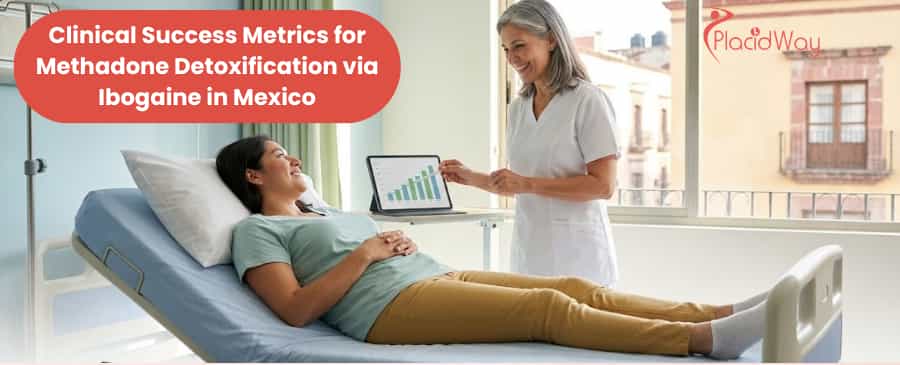
Methadone is a powerful synthetic opioid used for decades to manage addiction, yet its long half-life makes the withdrawal process notoriously difficult and prolonged. Many individuals seeking freedom from chemical dependency are turning to methadone detoxification via ibogaine in Mexico as a revolutionary alternative to traditional tapering methods. Mexico has established itself as a global hub for this treatment, offering specialized facilities that combine medical supervision with holistic care paradigms.
The journey toward recovery involves understanding how this naturally occurring alkaloid interacts with the brain’s neurochemistry to reset addiction pathways. Patients choosing medical tourism in Mexico for this procedure typically seek an environment where the legal status of ibogaine allows for professional administration. By addressing the physiological and psychological aspects of methadone dependence, these programs aim to provide a "soft landing" for those who have struggled with the rigors of conventional detox.
Ibogaine is derived from the root bark of the Tabernanthe iboga plant, native to Central Africa, where it has been used in spiritual ceremonies for centuries before being recognized for its anti-addictive properties.
The Science Behind Ibogaine Treatment for Opioid Addiction
Ibogaine functions as a multi-target molecule, interacting with several neurotransmitter systems simultaneously, including opioid, NMDA, and nicotinic receptors. For patients undergoing holistic detox in Mexico, the primary benefit is the conversion of ibogaine into noribogaine in the liver. Noribogaine remains in the system for weeks, helping to stabilize mood and significantly reduce post-acute withdrawal symptoms (PAWS), which are common during methadone withdrawal success rates evaluations.
This biological mechanism effectively "resets" the brain's reward circuitry to a pre-addicted state, offering a unique window of opportunity for behavioral change. Unlike methadone, which is an agonist that maintains physical dependence, ibogaine is non-addictive and does not require daily maintenance. Most patients experience a profound reduction in cravings, allowing them to focus on the underlying psychological drivers of their addiction rather than the physical pain of withdrawal.
Studies suggest that ibogaine increases levels of Glial Cell Line-Derived Neurotrophic Factor (GDNF) in the brain, which promotes the survival and growth of neurons, essentially acting as a neuro-regenerative agent.
Success Rates and Clinical Outcomes in Mexican Clinics
Measuring success in the realm of ibogaine for methadone detox in Mexico requires looking at both short-term withdrawal suppression and long-term abstinence rates. Clinical observations generally indicate that over 60% of patients report a significant reduction in opioid cravings for up to six months following a single treatment. While these metrics are promising, it is essential to note that long-term success is heavily dependent on the patient’s commitment to aftercare and lifestyle changes.
Clinics in Mexico often track success through patient follow-ups and biological screenings, noting that the "reset" provided by ibogaine is a catalyst rather than a cure. In many cases, affordable ibogaine therapy in Mexico provides a higher completion rate for the detox phase compared to cold-turkey or traditional taper methods, which often see high dropout rates due to the intensity of methadone withdrawal symptoms.
Case Summary: Mark's 15-Year Methadone Journey
Mark, a 45-year-old from Florida, had been on methadone for over a decade. After a 3-week transition period to short-acting opioids in a Mexican facility, he underwent ibogaine treatment. He reported a "90% reduction" in physical withdrawal and remained opioid-free at his 12-month follow-up.Affordable Ibogaine Therapy for Methadone Cost in Mexico
For many seekers, the cost of ibogaine treatment in Mexico is a decisive factor in their medical tourism journey. While the treatment is not inexpensive due to the high level of medical supervision and specialized medication required, it remains significantly more accessible than the few legal options available in other jurisdictions. Patients are typically paying for a comprehensive package that includes medical screening, nursing care, and psychological support.
When comparing ibogaine therapy cost in Mexico to the long-term expenses of methadone maintenance—including clinic fees, lost productivity, and health complications—many find the one-time investment to be financially sound. Below is a realistic market comparison of the costs associated with this detoxification process in Mexico versus potential out-of-pocket costs in North America.
| Procedure / Service | Average Cost in Mexico (USD) | Estimated Cost in USA/Canada (USD) |
|---|---|---|
| Standard Ibogaine Detox (7 Days) | $5,000 - $7,500 | $15,000 - $25,000 (Limited Availability) |
| Extended Methadone Protocol (14-21 Days) | $8,500 - $14,000 | $25,000+ (Non-Legal/Private) |
| Medical Screening & Lab Work | Included in Package | $1,500 - $3,000 |
Protocol Requirements for Methadone to Ibogaine Transition
One of the most critical factors for a successful methadone detox via ibogaine in Mexico is the pre-treatment transition. Methadone is a long-acting opioid that adheres strongly to the brain’s receptors; if ibogaine is administered while methadone is still active, the risk of severe heart complications and treatment failure increases significantly. Generally, patients must switch to a short-acting opioid (SAO) like oxycodone or morphine for 2 to 4 weeks prior to the "flood dose" of ibogaine.
This transition allows the long-acting metabolites of methadone to clear the system while keeping the patient stable. Specialized ibogaine clinics in Mexico often facilitate this transition on-site to ensure medical compliance and patient safety. Attempting to rush this process is typically discouraged by experienced clinicians, as the success of the reset depends on the receptors being accessible to the ibogaine molecule.
Be completely honest about your current methadone dosage. Most clinics require you to taper down to 30mg or less per day before you are eligible to begin the transition to short-acting opioids for ibogaine treatment.
Why Mexico is a Leader in Alternative Detoxification?
Mexico has emerged as the global leader for alternative addiction therapy because its regulatory environment allows for the medical application of substances that remain restricted elsewhere. This has led to the development of a sophisticated infrastructure of ibogaine clinics in Mexico that have treated thousands of international patients. The proximity to the United States and Canada also makes it a convenient destination for those seeking rapid intervention.
Furthermore, the culture of care in Mexico often emphasizes a more personalized, compassionate approach than the clinical, sometimes sterile, environments of traditional Western rehabs. Many facilities are located in serene coastal or mountain settings, providing a tranquil backdrop for the intense psychological processing that accompanies ibogaine therapy. This combination of legal accessibility and high standards of hospitality makes medical tourism in Mexico a top choice for opioid recovery.
Many Mexican ibogaine doctors are trained in both conventional Western medicine and advanced ACLS (Advanced Cardiovascular Life Support) to ensure the highest safety standards during treatment.
Safety Protocols and Medical Supervision in Mexican Facilities
Safety is the paramount concern when discussing ibogaine for methadone detox. Ibogaine is known to affect the heart’s electrical activity, specifically by prolonging the QT interval, which can lead to dangerous arrhythmias if not monitored. Top-tier medical clinics in Mexico employ rigorous screening processes, including EKGs, comprehensive blood panels, and liver function tests, to ensure the patient can safely metabolize the substance.
During the treatment itself, patients are typically under 24/7 medical supervision. Heart rate, blood pressure, and oxygen levels are continuously monitored to manage any adverse reactions immediately. These safety protocols in Mexico are designed to mitigate the inherent risks of the alkaloid, providing a controlled environment where the therapeutic benefits can be realized while maintaining the patient's physical stability throughout the experience.
Never attempt ibogaine treatment without professional medical supervision. Pre-existing heart conditions, electrolyte imbalances, or mixing ibogaine with other drugs can be fatal.
Managing Withdrawal Symptoms During the Detox Process
Traditional methadone withdrawal can last for weeks or even months, involving symptoms like insomnia, muscle aches, anxiety, and intense cravings. In contrast, methadone detoxification via ibogaine in Mexico aims to compress this timeline. Within hours of administration, most patients report a near-total cessation of physical withdrawal symptoms. This "interruption" of the withdrawal cycle is one of the most cited reasons for the procedure's popularity.
While the physical pain is largely managed by the ibogaine, patients may still experience fatigue or emotional sensitivity during the "gray day"—the period of introspection following the initial flood dose. Clinics in Mexico typically provide supportive therapies such as IV hydration, nutrient supplementation, and light physical therapy to help the body recover its strength. This holistic approach ensures that the patient is not just "clean" but also physically rejuvenated.
Case Summary: Sarah's Recovery from "Liquid Handcuffs"
Sarah, a nurse from Canada, called methadone her "liquid handcuffs." She chose a clinic in Baja, Mexico, for its medical staff. Despite her fear of withdrawal, she described the ibogaine experience as "the first time in 8 years my legs didn't ache and my mind was quiet."The Role of Psychological Support in Long-Term Recovery
Success metrics for ibogaine treatment for addiction in Mexico often emphasize the "visionary" or psychotherapeutic component of the experience. Ibogaine is frequently described as an "oneirogenic," meaning it induces a dream-like state while awake. During this phase, patients often process past traumas, the root causes of their addiction, and gain a renewed sense of purpose. This psychological "deep dive" is a critical component of the detoxification process.
To maximize these insights, reputable Mexican facilities provide pre-and-post-session counseling. Integration therapy helps patients translate their ibogaine visions into actionable life changes. Without this psychological support, the biological reset may only be temporary. Therefore, holistic recovery in Mexico focuses heavily on preparing the mind for a life without chemical dependency, ensuring the patient returns home with a solid foundation for continued sobriety.
Recent observational data suggests that over 70% of patients who combine ibogaine treatment with a structured 6-month aftercare program remain abstinent from their primary drug of choice.
Understanding the Risks and Contraindications of Ibogaine
Despite its potential, ibogaine therapy in Mexico is not without risks. It is a powerful substance that places significant stress on the cardiovascular and central nervous systems. Contraindications typically include a history of heart failure, long QT syndrome, severe liver disease, or active psychosis. Patients must be transparent about their medical history during the screening process to avoid life-threatening complications.
Furthermore, ibogaine interacts poorly with many common medications, including certain antidepressants, anti-psychotics, and even some antifungal drugs. A professional medical detox clinic in Mexico will conduct a thorough medication review. The risk of "treatment failure" is also a reality; if a patient does not follow the switch-over protocol from methadone to short-acting opioids, the ibogaine may not be effective, and withdrawal symptoms can return within days.
Case Summary: David's Failed First Attempt
David tried to "cheat" the protocol by staying on methadone until 3 days before his Mexico trip. The clinic's EKG showed irregular rhythms, and they postponed his treatment until he was stabilized on SAOs for two weeks. His second attempt, following the rules, was successful and safe.Comparing Traditional Detox vs. Ibogaine Therapy in Mexico
When weighing options, patients often compare traditional methadone tapering to the ibogaine experience. Traditional tapering can take 12 to 24 months and is often characterized by a "low-grade" withdrawal that drains the patient's resolve. In contrast, ibogaine for methadone detox in Mexico offers a rapid 10-to-21-day timeline that addresses both the physical and neurological components of addiction in a fraction of the time.
While traditional rehab focuses on behavioral modification while the brain is still in a state of chemical imbalance, ibogaine aims to correct the imbalance first. This "biological bridge" can make the behavioral work more effective. However, it is important to recognize that ibogaine is an intensive, single-event procedure, whereas traditional methods offer a more gradual, albeit slower, path to recovery. Most successful patients view ibogaine as the "jumpstart" to a long-term traditional recovery plan.
Methadone withdrawal is often cited by patients as being "physically harder" than heroin withdrawal due to its persistence; ibogaine is one of the few known substances capable of significantly attenuating this specific withdrawal profile.
Post-Treatment Integration and Aftercare Strategies
The weeks following ibogaine treatment in Mexico are a period of heightened neuroplasticity. The brain is more receptive to new habits and thought patterns, but it is also vulnerable. Successful clinics emphasize the "90 days post-ibogaine" as the most critical window. This is when patients must implement the strategies discussed during their integration sessions, such as joining support groups (NA, AA, or SMART Recovery) and seeking local therapy.
Many Mexican recovery centers offer remote integration coaching or partner with aftercare facilities in the patient's home country. Success metrics clearly show that those who engage in active aftercare have significantly lower relapse rates. Integration isn't just about staying sober; it's about rebuilding a life where the need for numbing through methadone or other opioids is removed through connection, purpose, and mental health support.
Case Summary: Elena's Post-Detox Success
Elena, a 30-year-old artist, utilized a 6-month integration program after her stay in Mexico. She credits her 2 years of sobriety not just to the "reset" of ibogaine, but to the lifestyle changes and boundaries she established during the sensitive months following her treatment.How PlacidWay Assists Your Methadone Detox Journey in Mexico?
Navigating the complex world of international addiction treatment can be overwhelming. PlacidWay serves as a vital bridge between patients seeking freedom and the highly specialized clinics offering ibogaine for methadone detox in Mexico. Our role is to simplify the process of discovery, allowing you to make an informed decision based on transparency, expertise, and verified facility information.
- PlacidWay provides access to a curated network of reputable ibogaine clinics in Mexico that meet high standards of care.
- We help you compare different treatment protocols and packages to find the one that best suits your medical needs and budget.
- Our platform offers detailed profiles of facilities, including information on medical staff qualifications and available amenities.
- We facilitate direct communication between you and the Mexican providers, ensuring your questions regarding methadone transition protocols are answered by experts.
- PlacidWay assists in gathering necessary medical documentation to streamline the clinical screening process.
- We provide resources and guides on medical tourism in Mexico to help you prepare for your international healthcare journey.
- Our focus is on empowering patients with the information needed to choose a safe, medically-supervised environment for their recovery.
Frequently Asked Questions about Ibogaine in Mexico
In Mexico, ibogaine is an unregulated substance but is legally utilized in specialized medical and wellness facilities under professional supervision for addiction treatment.
A typical stay for methadone detoxification generally lasts between 10 to 21 days, depending on the switch to short-acting opioids and the patient's stabilization needs.
Most international patients from the US, Canada, or Europe enter Mexico on a standard FMM (Forma Migratoria Múltiple) tourist permit, which covers medical visits.
Success is typically measured by withdrawal suppression and long-term abstinence; clinical observations suggest higher initial success compared to traditional methods, though individual results vary.
No, patients with pre-existing heart conditions or severe psychiatric disorders are generally excluded due to potential risks like cardiac arrhythmia.
While many patients travel alone, it is often recommended to have a support system at home ready for your return to assist with post-treatment integration.
Reputable facilities in Mexico are equipped with ACLS-trained staff and maintain close proximity to full-service hospitals for emergency transfers.
Costs typically range from $5,000 to $15,000, which is significantly more affordable than comparable long-term inpatient care in the United States.
Methadone has a very long half-life that interferes with ibogaine; switching to short-acting opioids for 2-4 weeks ensures the ibogaine can effectively clear the receptors.
PlacidWay is a medical tourism platform that facilitates connections between patients and providers; it does not provide direct medical advice or treatment.
Take the first step toward a life free from methadone. Explore accredited ibogaine facilities in Mexico and get the support you need for a safe, medical detox.
References:
- National Center for Biotechnology Information (NCBI). Ibogaine Treatment for Opioid Dependence. https://www.ncbi.nlm.nih.gov/pmc/articles/PMC5473493/
- Multidisciplinary Association for Psychedelic Studies (MAPS). Ibogaine Therapy Outcomes Study. https://maps.org/ibogaine/observational-study-of-the-long-term-efficacy-of-ibogaine-assisted-therapy-mexico/
- World Health Organization. Guidelines for the Psychosocially Assisted Pharmacological Treatment of Opioid Dependence. https://www.who.int/publications/i/item/9789241547543
- Wikipedia. Ibogaine Legal Status and Use in Mexico. https://en.wikipedia.org/wiki/Ibogaine
- Journal of Psychedelic Studies. Clinical success metrics in ibogaine-assisted detoxification. https://akjournals.com/view/journals/2054/5/1/article-p44.xml






.png)
.png)
.png)








Share this listing