



Childhood trauma often leaves an invisible but indelible mark on the human psyche, manifesting in adulthood as anxiety, depression, or addictive behaviors. Ibogaine therapy in Mexico has emerged as a compelling alternative for those seeking to address the root causes of these issues rather than just managing symptoms. By utilizing the naturally occurring alkaloid from the iboga shrub, researchers and clinicians are exploring new frontiers in trauma recovery.
Mexico has become a global hub for this treatment due to its progressive legal framework and the presence of specialized medical facilities. Patients from around the world travel here to access safe ibogaine treatment under the care of experienced practitioners. The therapeutic environment focuses on a holistic reset, allowing individuals to confront deep-seated emotional wounds in a controlled, supportive setting.
Ibogaine is unique because it is one of the few substances known to stimulate the production of Glial Cell-Derived Neurotrophic Factor (GDNF), which promotes the growth of new neurons and strengthens existing ones.
Science of Ibogaine and Childhood Trauma
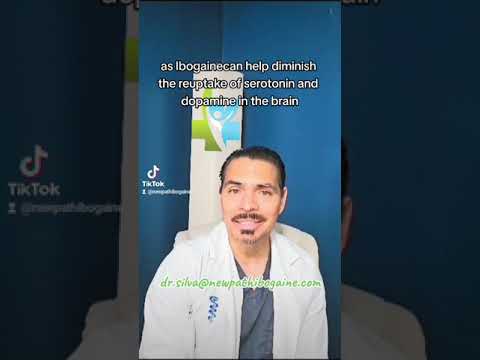
The neurobiological impact of healing childhood trauma with ibogaine is centered on the brain's ability to reorganize itself. Childhood trauma often keeps the nervous system in a state of hyper-vigilance, locking the patient into "fight or flight" patterns. Ibogaine interacts with multiple neurotransmitter systems, including serotonin and dopamine, to facilitate a profound "interruption" of these habitual neural pathways.
Scientific studies suggest that ibogaine facilitates a "life review" state, where repressed memories associated with Adverse Childhood Experiences (ACEs) can be processed without the usual intense emotional overwhelm. This allows the patient to view their past through a lens of detachment and self-compassion. By resetting the brain’s chemistry, the therapy creates a "window of opportunity" for significant behavioral and emotional change.
Research indicates that ibogaine may significantly reduce levels of cortisol, the stress hormone that is often chronically elevated in survivors of childhood trauma.
Effective Trauma Release via Ibogaine Therapy in Mexico
The process of trauma release with ibogaine typically begins with a comprehensive physical and psychological assessment. Unlike conventional talk therapy, which can take years to penetrate deep subconscious barriers, ibogaine often reaches these layers within a single session. Patients describe the experience as "years of therapy in a single day," where the narrative of their trauma is fundamentally rewritten.
During the session, the substance helps to bypass the ego's defense mechanisms, providing direct access to the subconscious mind. In the clinical environment of ibogaine clinics in Mexico, this process is supported by trauma-informed professionals who help the patient navigate the intense visualizations. This structured approach ensures that the "release" is therapeutic rather than retraumatizing, leading to a sense of closure.
A Journey of Reconnection
After struggling with childhood neglect for decades, a 45-year-old patient from Canada traveled to Mexico. They reported that the ibogaine session allowed them to finally "forgive the child they used to be," leading to a 70% reduction in daily anxiety symptoms within one month of treatment.Ibogaine Therapy Cost in Mexico
When considering affordable ibogaine therapy in Mexico, it is important to understand that the price reflects the level of medical safety and specialized care provided. Compared to other countries where psychedelic treatments are emerging, Mexico offers a more established infrastructure with competitive market rates. The total investment typically covers the medication, 24/7 nursing, medical diagnostics, and integrative therapy sessions.
The following table provides a general cost comparison for ibogaine treatment and related trauma-informed care options. Prices are estimates based on realistic market ranges and can vary depending on the specific facility and length of the program.
| Procedure/Program Name | Average Cost in Mexico (USD) | Comparison (US/Canada/EU) |
|---|---|---|
| Standard 7-Day Ibogaine Protocol | $5,000 - $7,500 | Not legally available in US/UK |
| Premium 10-Day Trauma Integration | $8,000 - $11,000 | Alternative Retreats ($12k+) |
| Medical Detox + Ibogaine Session | $6,500 - $9,000 | Inpatient Rehab ($15k - $30k) |
Safety and Screening for Ibogaine in Mexico
The safety of ibogaine therapy is the most critical consideration for any prospective patient. Ibogaine is a powerful substance that places significant stress on the heart and liver. Therefore, reputable clinics in Mexico enforce strict contraindications and require detailed medical history, including recent EKGs and blood panels, before any patient is accepted for treatment.
Typically, patients with pre-existing heart conditions, such as long QT syndrome, or severe liver dysfunction are excluded from treatment. Most patients experience a significant drop in heart rate and changes in blood pressure during the session, which is why medical tourism in Mexico for this procedure must prioritize clinics with ACLS-certified staff and emergency equipment onsite. Cautious screening is the hallmark of an authoritative and trustworthy facility.
Never undergo ibogaine therapy in a facility that does not require a prior EKG and liver function test. Cardiovascular monitoring during the entire "flood dose" is non-negotiable for patient safety.
Neuroplasticity and Healing in Mexico
One of the most exciting aspects of ibogaine for childhood trauma is its ability to induce a state of heightened neuroplasticity. This refers to the brain's capacity to form new neural connections. For someone who has spent a lifetime trapped in the neural loops of childhood trauma, this "reset" offers a rare chance to develop new, healthier coping mechanisms and perspectives.
In Mexico, many programs combine the pharmacological session with intensive neuroplasticity-focused therapy. By introducing positive habits and cognitive behavioral tools while the brain is in this plastic state, patients can effectively "hardwire" their recovery. This neurobiological window generally lasts for several weeks following the treatment, making the immediate post-session period vital for long-term success.
Clinical observations suggest that up to 60-80% of patients report a significant improvement in emotional regulation and a decrease in trauma-related intrusive thoughts following ibogaine therapy.
Medical Tourism in Mexico for Ibogaine
Mexico has distinguished itself as a leader in medical tourism for psychedelic therapy by balancing accessibility with clinical expertise. The country’s proximity to the United States and Canada makes it a convenient destination for North Americans seeking treatments that are currently unavailable in their home countries. Beyond convenience, the cultural expertise in Mexico regarding plant medicines provides a unique therapeutic backdrop.
The medical tourism infrastructure in Mexico is well-developed, with many clinics offering comprehensive packages that handle everything from airport transportation to clinical care. Patients benefit from a high standard of medical professionalism at a fraction of the cost of private inpatient care in other regions. This allows survivors of trauma to focus entirely on their healing journey without the distractions of daily life.
Ensure your passport is valid for at least six months beyond your travel dates and inform your primary care physician about your plans, even if they are unfamiliar with ibogaine.
Preparing for Treatment in Mexico
Preparation for ibogaine treatment in Mexico is both physical and psychological. Physically, patients are often advised to follow a clean diet and avoid certain medications or supplements that could interact with ibogaine. Psychologically, "setting an intention" is a common practice, where the individual identifies the specific aspects of their childhood trauma they wish to address or release.
Reputable clinics provide pre-treatment counseling to help manage expectations. It is important to realize that while ibogaine is a powerful tool, it is not a "magic pill." The most successful patients are those who arrive in Mexico with a readiness to face difficult truths and a commitment to the integration process that follows. Preparation ensures that the patient is stable and ready for the profound shift the therapy provides.
Overcoming the Past
A patient from the UK sought ibogaine therapy for chronic depression rooted in early childhood loss. Through a 10-day program in Mexico, they experienced a visual "revisiting" of the event that allowed for emotional release, subsequently reporting their first period of sustained mental clarity in over twenty years.Holistic Approaches in Mexico Clinics
Many of the top ibogaine therapy centers in Mexico employ a holistic approach that goes beyond the administration of the alkaloid. This often includes yoga, meditation, massage therapy, and nutritional support. These modalities are designed to ground the patient and help the body process the intense physical and emotional changes that occur during the ibogaine session.
Incorporating holistic trauma therapy in Mexico ensures that the whole person is treated, not just the brain chemistry. By calming the nervous system through multiple channels, these clinics increase the likelihood of a gentle and effective recovery. This comprehensive care model is why Mexico remains at the forefront of the global movement toward integrative psychedelic medicine.
The afterglow effect of ibogaine—a period of increased mental clarity and emotional resilience—can last for weeks, providing a critical window for establishing new, healthy routines.
Potential Outcomes of Ibogaine in Mexico
While results can never be guaranteed, the potential outcomes of ibogaine for trauma can be life-changing. Most patients experience a significant reduction in the "emotional charge" of their traumatic memories. This doesn't mean the memories disappear, but rather that they no longer trigger the same debilitating physiological responses like panic attacks or deep depressive episodes.
Other common outcomes include improved sleep patterns, increased empathy for oneself and others, and a renewed sense of purpose. It is important to note that long-term recovery from childhood trauma requires ongoing work. Ibogaine provides the "reset," but the patient must build the new life on that foundation. Generally, those who follow a strict integration plan see the most enduring benefits.
A New Perspective on Life
After struggling with PTSD for fifteen years, a US veteran traveled to Mexico for ibogaine therapy. They reported that for the first time, they felt "physically separated" from their traumatic triggers, allowing them to return home and engage in family life with newfound presence.Comparing Ibogaine with Conventional Trauma Treatments
Conventional treatments for childhood trauma, such as talk therapy or SSRIs, focus on managing symptoms or slowly processing memories over time. While effective for many, some patients find themselves "stuck" or unable to bypass deep-seated subconscious blocks. Ibogaine differs by offering a more direct, rapid biological and psychological intervention.
Because ibogaine targets the brain's reward and stress systems simultaneously, it can address complex trauma in a way that many pharmaceutical interventions cannot. However, it is a more intense and physically demanding process. For those who have tried traditional methods without success, the specialized protocols in Mexico offer a different pathway toward healing that addresses both the mind and the biological markers of trauma.
Research the clinic’s integration support. The real work begins after the session, so having access to integration coaches or therapists via Zoom after you return home is a major advantage.
Legal Status and Regulation in Mexico
One of the primary reasons for the growth of ibogaine therapy in Mexico is its legal status. Unlike in the United States, where it is a Schedule I substance, ibogaine is not restricted in Mexico. This allows for open clinical practice, peer-reviewed research, and the development of standardized safety protocols that are transparent to the public.
While the substance itself is legal, the quality of care can vary. This is why authoritative ibogaine clinics in Mexico voluntarily adhere to international medical standards and often employ doctors trained in conventional Western medicine. This regulatory environment fosters innovation while allowing patients to seek treatment without the legal risks associated with other jurisdictions.
Mexico is currently one of the only countries in the world where medical professionals can legally provide ibogaine therapy in a clinical hospital-like setting.
Choosing Ibogaine Therapy Clinics in Mexico
Selecting the right facility for healing childhood trauma with ibogaine is a decision that should be based on safety, staff expertise, and the quality of the integration program. A trustworthy clinic will be transparent about their success rates, their medical protocols, and the qualifications of their medical team. They should provide a clear outline of the ibogaine treatment cost and what is included in the package.
Look for clinics that specialize in "trauma-informed care." This means the staff understands the nuances of ACEs and is equipped to handle the emotional sensitivity required for this type of healing. Reading verified patient experiences and asking for a direct consultation with the medical director can help you feel confident in your choice of medical tourism in Mexico.
Finding Inner Peace
A patient from Australia who had struggled with childhood-related addiction for 20 years found success in a Mexican ibogaine facility. They noted that the combination of medical safety and the peaceful Mexican environment provided the perfect setting for their "spiritual and physical rebirth."How PlacidWay Assists Your Ibogaine Medical Tourism Journey in Mexico?
- PlacidWay provides a comprehensive platform to explore various vetted ibogaine therapy options across Mexico.
- We offer detailed information on clinic certifications and medical staff credentials to ensure you choose a high-standard facility.
- Our platform allows for easy comparison of ibogaine treatment costs and package inclusions to help you plan your budget effectively.
- We facilitate direct communication between patients and clinics for personalized consultations and medical screenings.
- PlacidWay provides resources and guides on navigating medical tourism in Mexico safely and efficiently.
- We help you access transparent patient reviews and testimonials to build confidence in your medical travel decisions.
- Our team assists in finding clinics that offer trauma-informed integration support for long-term recovery success.
Frequently Asked Questions (FAQ)
Ibogaine is not a scheduled substance in Mexico, meaning it can be legally administered in clinical settings by licensed medical professionals. This legal status allows specialized clinics to operate openly while following local health regulations.
The cost typically ranges from $5,000 to $10,000 USD depending on the length of stay and level of medical supervision. This usually includes the protocol, medical screenings, and post-treatment integration support.
The most significant risks involve cardiovascular health, specifically QT interval prolongation which can lead to arrhythmias. Patients must undergo rigorous EKG and liver function testing before treatment to ensure safety.
Most international patients from the US, Canada, and Europe can enter Mexico on a standard tourist visa (FMM) for treatments lasting less than 180 days. Always check your specific country's requirements before booking.
A standard ibogaine protocol for trauma typically requires 7 to 10 days. This allows for pre-treatment stabilization, the 'flood dose' session, and several days of critical psychological integration.
Ibogaine is believed to facilitate a 'life review' that helps patients process repressed memories and childhood wounds. It also promotes neuroplasticity, which can help break long-standing maladaptive thought patterns.
While clinical data is still emerging, many patients report significant reductions in PTSD symptoms and emotional distress. Success largely depends on the patient's commitment to long-term integration and therapy.
Yes, high-quality clinics in Mexico provide 24/7 medical monitoring, including heart rate and oxygen levels. This is essential to manage potential side effects and ensure patient safety throughout the experience.
While many patients travel alone, it is often recommended to have a support system waiting at home. Clinics in Mexico provide an onsite support team to guide you through the process.
Post-treatment integration is vital; this involves working with a therapist or coach to apply the insights gained during the ibogaine session. Most clinics provide an aftercare plan to help maintain progress.
Ready to take the first step towards healing?
Explore the leading ibogaine therapy clinics in Mexico through PlacidWay today.
Medical Disclaimer: This article is for informational purposes only and is not medical advice. Always consult a qualified healthcare provider before any medical decisions. Results may vary. Read Full Disclaimer here.
- Wikipedia. Ibogaine. https://en.wikipedia.org/wiki/Ibogaine
- MAPS (Multidisciplinary Association for Psychedelic Studies). Ibogaine Therapy. https://maps.org/research/ibogaine-therapy/
- ICEERS. Ibogaine: Science and Safety. https://www.iceers.org/en/studies/setting-factors-and-ibogaine-safety/
- National Institutes of Health (NIH). Ibogaine and the Treatment of Substance Use Disorders. https://www.ncbi.nlm.nih.gov/pmc/articles/PMC4382526/
- Journal of Psychopharmacology. The therapeutic potential of ibogaine. https://journals.sagepub.com/home/jop







.png)
.png)
.png)








Share this listing