

Traumatic Brain Injury (TBI) represents a profound challenge for thousands of military personnel returning to civilian life. Characterized by cognitive impairments, chronic headaches, memory loss, and emotional dysregulation, TBI can severely disrupt daily functioning. Traditional treatments have generally focused on symptom management, but many veterans continue to search for alternative therapies that target the root cause of neuroinflammation.
In recent years, the medical landscape has seen a significant shift as regenerative medicine offers new possibilities. Stem cell therapy for TBI in Tijuana has rapidly gained attention as a compelling alternative option. By utilizing the body's innate biological mechanisms, these advanced cellular protocols aim to support tissue repair, making Tijuana a pivotal hub for veterans exploring innovative care outside their home country.
Mesenchymal Stem Cells (MSCs) have a unique "homing" capability, allowing them to naturally migrate toward areas of inflammation and tissue damage within the body, which is particularly relevant for targeted brain injury protocols.
Why US Veterans Choose Medical Tourism in Tijuana for TBI Treatment
The decision to travel abroad for medical care is rarely taken lightly, especially by veterans dealing with complex neurological conditions. However, medical tourism in Tijuana provides a unique combination of geographic proximity, advanced medical infrastructure, and cost-effectiveness. Situated just across the border from San Diego, California, Tijuana offers a highly accessible destination for patients traveling from across the United States.
Furthermore, many veterans find that standard care within the US VA system, while comprehensive, may not yet include broad access to specific regenerative therapies. Because these treatments are often classified differently in Mexico, US veterans are increasingly crossing the border to access specialized care that might otherwise be unavailable or prohibitively expensive at home.
According to defense health reports, over 400,000 US service members have been diagnosed with a traumatic brain injury since 2000, driving a massive need for innovative, accessible therapeutic options.
How Stem Cell Treatment for TBI Works: The Science and Approach
At the core of cellular medicine is the intention to reduce neuroinflammation and promote neurogenesis. When a patient undergoes stem cell therapy for TBI in Tijuana, medical professionals typically introduce carefully cultivated Mesenchymal Stem Cells (MSCs) into the body. These cells are generally administered via intravenous (IV) infusion or intrathecal injections to maximize their reach into the central nervous system.
Once introduced, these cells secrete powerful growth factors and cytokines. While results can never be guaranteed, the primary goal is to modulate the immune response, decrease harmful swelling in the brain tissue, and encourage the repair of damaged neural pathways. Most patients experience a well-tolerated procedure, though the biological integration and potential cellular signaling happen gradually over weeks and months.
Affordable Stem Cell Therapy for TBI Cost in Tijuana vs. The United States
Financial considerations are often a primary driver for medical travel. The cost of TBI stem cell therapy in the United States can be exorbitant, frequently entirely out-of-pocket, and heavily restricted. In contrast, Tijuana offers a highly competitive healthcare market where operational overhead is significantly lower, allowing clinics to pass those savings directly to the patient.
It is crucial to understand that an affordable stem cell treatment in Mexico does not necessarily equate to lower quality. Many facilities utilize state-of-the-art laboratories that meet stringent international standards. Below is a detailed comparison of realistic market ranges to help veterans plan their medical journeys.
| Procedure / Treatment Protocol | Average Cost in Tijuana | Estimated Cost in the US |
|---|---|---|
| Basic MSC IV Infusion (General systemic) | $3,500 - $5,500 | $8,000 - $12,000 |
| Intrathecal Stem Cell Administration | $6,000 - $8,500 | $15,000 - $25,000 |
| Comprehensive TBI Protocol (Cells + Exosomes) | $8,000 - $12,000 | $25,000+ (If available) |
Evaluating Stem Cell Therapy Clinics in Tijuana for Veterans
Selecting the right facility is arguably the most critical step in a patient's medical tourism journey. Stem cell clinics in Tijuana vary in their offerings, protocols, and accreditations. Veterans and their families must conduct thorough due diligence, prioritizing facilities that demonstrate a high level of transparency, specialized neurological experience, and rigorous laboratory standards.
Reputable clinics will generally offer comprehensive consultations prior to any financial commitment. Patients should actively look for centers that employ board-certified neurologists, utilize third-party lab testing for cell viability, and provide clear, realistic outcome expectations rather than promising absolute cures.
Always ask potential clinics for a "Certificate of Analysis" (COA) for the stem cells they use. This document verifies the cell count, viability, and ensures rigorous screening for infectious diseases.
The Patient Journey: Seeking Stem Cell Therapy for TBI in Tijuana
The logistical aspects of traveling for stem cell therapy for TBI in Tijuana are generally straightforward, especially for North American patients. The journey typically begins with a remote telemedicine consultation, allowing specialists to review MRI scans, medical records, and VA diagnostic reports before the patient ever leaves home.
Upon arrival in San Diego, many patients utilize designated medical shuttle services to cross the border smoothly. The treatment protocol itself usually spans three to five days, encompassing initial blood work, physical evaluations, the stem cell administration procedure, and immediate post-treatment monitoring. This streamlined approach minimizes stress for veterans already dealing with neurological fatigue.
Tijuana features a dedicated "Medical Lane" (Fast Pass) at the international border crossing, significantly reducing wait times for patients returning to the United States after completing their medical treatments.
Navigating Regulatory Standards and Safety for Cell Treatments in Mexico
A common misconception regarding medical tourism in Tijuana is a lack of regulatory oversight. In reality, legitimate medical practices in Mexico operate under the strict governance of COFEPRIS (Federal Commission for the Protection against Sanitary Risk), the Mexican equivalent of the US FDA. This agency mandates rigorous hygiene, ethical sourcing of biological materials, and clinic safety protocols.
While the regulatory framework in Mexico allows for a broader application of regenerative therapies compared to the US, safety remains paramount. Top-tier clinics adhere strictly to these national regulations and often align their operational standards with international medical boards to ensure foreign patients receive safe, high-quality care.
COFEPRIS requires specialized licensing specifically for regenerative medicine and cellular processing. A general medical license is not sufficient to legally operate a stem cell laboratory in Mexico.
Comprehensive Neurological Evaluations Before Stem Cell Therapy in Tijuana
Before any cellular intervention begins, a highly personalized assessment is essential. Clinics offering stem cell therapy for TBI in Tijuana typically require a thorough baseline evaluation. This is crucial because traumatic brain injury manifests uniquely in every individual, necessitating a tailored medical approach rather than a one-size-fits-all solution.
Evaluations generally involve advanced brain mapping (qEEG), comprehensive blood panels to assess systemic inflammation, and cognitive testing. These diagnostics serve a dual purpose: they confirm that the veteran is a viable candidate for the procedure and establish a clear baseline against which future progress or symptom management can be accurately measured.
The Role of Specialized Protocols for Veteran Traumatic Brain Injury Care
Veterans often present with complex medical profiles, frequently experiencing a combination of TBI, Post-Traumatic Stress Disorder (PTSD), and chronic pain from service-related injuries. Recognizing this, elite stem cell clinics in Tijuana develop specialized protocols that account for these overlapping conditions.
These specialized programs may adjust the dosage of stem cells, the method of administration, and the integration of supplementary therapies. By taking a holistic view of the veteran's physical and psychological history, medical teams aim to optimize the biological environment for cellular repair, thereby supporting a more comprehensive approach to neurological recovery.
Compile an organized folder of your complete medical history, including VA service connection documentation, recent MRI/CT scans, and a comprehensive list of current medications to bring to your consultation.
Expected Recovery Timeline and Follow-Up for TBI Stem Cell Patients
Managing expectations is a vital component of regenerative medicine. The recovery timeline following stem cell therapy for TBI in Tijuana is gradual. While the actual clinical procedure involves minimal downtime, the cellular processes of modulating inflammation and promoting tissue repair unfold over several months.
Typically, patients might notice subtle shifts in energy levels, sleep quality, or cognitive clarity within the first three to six weeks. However, optimal potential outcomes usually require three to six months to fully evaluate. Reputable clinics maintain robust follow-up programs, scheduling regular telehealth check-ins to monitor the veteran’s progress and adjust ongoing rehabilitation strategies as needed.
Results from cellular therapies are never guaranteed and vary significantly from patient to patient. Stem cell therapy should be viewed as an investigational tool aimed at symptom management and biological support, rather than an absolute cure for TBI.
Assessing the Potential Risks and Benefits of Stem Cell Therapy in Tijuana
Any medical procedure carries inherent risks, and it is imperative for veterans to understand both the pros and cons before committing to affordable stem cell treatment in Mexico. Generally, when using ethically sourced, rigorously screened umbilical cord MSCs, the risk of immunological rejection is extremely low. However, minor side effects such as fatigue, mild fever, or temporary soreness at the injection site are common.
The primary benefit reported by many patients is an improvement in quality of life, which may include reduced brain fog, fewer migraines, and better emotional regulation. The main risk, beyond minor procedural complications, is that the patient may not achieve the specific therapeutic outcomes they hoped for, underscoring the importance of thorough pre-screening and realistic expectations.
Integrating Traditional Therapies with Stem Cell Therapy for TBI in Tijuana
Stem cell therapy is most effective when it is part of a broader, comprehensive healing strategy. Many specialists in Tijuana strongly advocate for integrating cellular treatments with established traditional therapies to maximize potential cognitive improvements. This multi-disciplinary approach recognizes that a biological boost requires parallel functional rehabilitation.
Veterans are often encouraged to pair their regenerative treatments with Hyperbaric Oxygen Therapy (HBOT), which increases oxygen flow to the brain, alongside physical therapy and Cognitive Behavioral Therapy (CBT). This synergy helps stimulate neuroplasticity, ensuring that as cellular repair mechanisms are activated, the brain is concurrently being retrained to improve overall function.
Hyperbaric Oxygen Therapy (HBOT) is frequently combined with stem cell treatments because the pressurized, oxygen-rich environment may help stimulate the proliferation and mobilization of stem cells within the body.
Real Patient Experiences: Veterans and Stem Cell Therapy for TBI in Tijuana
Hearing directly from those who have navigated the process provides invaluable insight for prospective patients. Many US veterans have shared their journeys of seeking stem cell therapy for TBI in Tijuana, detailing both the challenges of their conditions and their experiences with medical tourism.
These case summaries highlight the diverse ways in which regenerative medicine can impact lives, offering hope while maintaining a realistic perspective on the gradual nature of neurological healing.
Mark's Journey with Chronic Migraines
Mark, an Army veteran, struggled with intense daily migraines following a blast injury. After undergoing an MSC protocol in Tijuana, he reported a significant reduction in the frequency and severity of his headaches over a four-month period, allowing him to return to part-time work.
David's Battle with Brain Fog
Dealing with severe cognitive fatigue, David sought alternative care across the border. He noted that while the initial recovery was tiring, by month three, his ability to concentrate and process information during conversations had noticeably improved.
John's Search for Better Sleep
Following a combat-related TBI, John experienced years of severe insomnia and emotional volatility. Post-treatment, he reported that his sleep patterns stabilized significantly, which in turn helped him better manage his emotional responses in daily life.
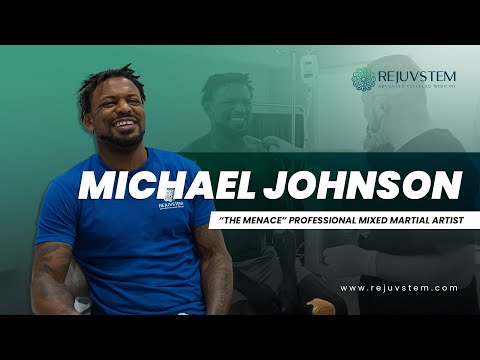
Michael's Integrated Recovery
Michael opted for a combined approach of stem cells and HBOT in Tijuana. While he acknowledges he is not entirely cured, he experienced a gradual improvement in his physical balance and motor coordination, greatly enhancing his overall independence.
How PlacidWay Assists Your Stem Cell Therapy Medical Tourism Journey in Tijuana
Navigating international healthcare options can be overwhelming, particularly when dealing with the complexities of neurological conditions. A structured, supportive approach is essential to ensure a safe and informed decision-making process.
PlacidWay serves as a dedicated resource to help veterans connect with verified healthcare providers, ensuring transparency and professional guidance throughout the medical tourism in Tijuana experience.
- Provides direct access to a carefully vetted network of globally recognized, COFEPRIS-accredited regenerative medicine facilities.
- Facilitates seamless communication by connecting you directly with board-certified neurologists for preliminary remote consultations.
- Offers comprehensive cost comparisons and transparent treatment estimates to help you make informed financial decisions.
- Delivers personalized guidance to match your specific TBI diagnosis with the most appropriate cellular therapy protocols available.
- Assists in gathering and securely transferring your crucial medical records and diagnostic imaging to international medical teams.
- Empowers your decision-making with access to authentic patient reviews and detailed clinic profiles.
Frequently Asked Questions (FAQs)
Is stem cell therapy for TBI considered a cure?
No, stem cell therapy is not a guaranteed cure for traumatic brain injury. It is typically utilized to help manage symptoms, reduce neuroinflammation, and potentially support the body's natural healing mechanisms.
Why do veterans travel to Tijuana for this treatment?
Veterans frequently seek medical tourism in Tijuana because the treatments are often more affordable and accessible than in the US, where specific stem cell applications for TBI may still be strictly limited to clinical trials.
Are stem cell clinics in Tijuana safe?
Safety varies by facility. It is crucial to select clinics that are fully accredited and regulated by COFEPRIS, Mexico's federal health authority, ensuring they meet rigorous international medical standards.
How much does stem cell therapy for TBI cost in Tijuana?
The cost of TBI stem cell therapy in Tijuana generally ranges from $5,000 to $12,000 depending on the specific protocols used, compared to $15,000 or more in the United States.
What type of stem cells are generally used for TBI?
Most protocols utilize Mesenchymal Stem Cells (MSCs) derived from ethically screened human umbilical cord tissue or the patient's own bone marrow, due to their strong anti-inflammatory properties.
How long is the typical recovery period after the procedure?
The procedure itself usually requires only a few days of downtime. However, noticing potential cognitive or physical improvements can take anywhere from several weeks to a few months as cellular integration occurs.
Do I need a visa to travel to Tijuana for medical treatment?
US citizens do not typically need a visa for short medical trips to Tijuana, but a valid passport or passport card is required to cross the border and return to the United States.
Can stem cell therapy be combined with other TBI treatments?
Yes, many patients integrate cellular therapies with Hyperbaric Oxygen Therapy (HBOT), physical rehabilitation, and cognitive behavioral therapy to support a comprehensive recovery plan.
What are the common risks associated with this treatment?
While generally considered safe when performed by experienced professionals, potential risks include minor infection at the injection site, fatigue, mild fever, or the possibility that the treatment may not yield the desired results.
How do I choose the right clinic in Tijuana?
Focus on clinics with transparent practices, board-certified neurologists, COFEPRIS accreditation, verifiable patient testimonials, and comprehensive pre-treatment neurological evaluations.
Ready to explore your options for stem cell therapy for TBI in Tijuana? Let PlacidWay connect you with top-rated, accredited medical facilities tailored to your needs.
References
- Centers for Disease Control and Prevention (CDC). Traumatic Brain Injury & Concussion. https://www.cdc.gov/traumaticbraininjury/index.html
- Brain Injury Association of America. Brain Injury Recovery and Rehabilitation. https://www.biausa.org/brain-injury/about-brain-injury/treatment
- U.S. Department of Veterans Affairs. Polytrauma/TBI System of Care. https://www.polytrauma.va.gov/
.png)
.png)

.png)
.png)
.png)
.png)



.jpg)
.jpg)








Share this listing