


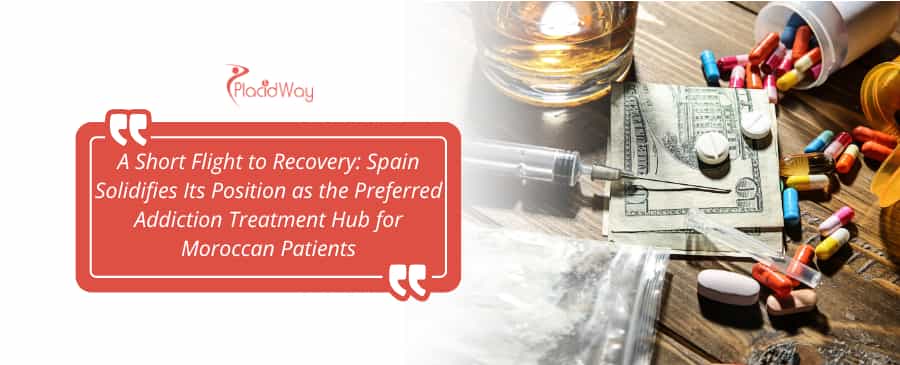
For individuals seeking to overcome substance abuse, the decision to seek help is monumental, and choosing the right environment is equally critical. Due to its geographic proximity and advanced healthcare infrastructure, Spain has rapidly emerged as a leading destination for Moroccan patients. The short flight time between the two nations generally minimizes travel-related stress, allowing individuals to enter treatment swiftly and discreetly. Furthermore, the cultural familiarity combined with European medical standards creates a highly supportive atmosphere for recovery.
The rise of medical tourism in Spain is largely driven by the country's commitment to high-quality, patient-centric healthcare. Moroccan patients are increasingly drawn to Spanish clinics because they typically offer a blend of clinical excellence, absolute privacy, and serene environments conducive to healing. By stepping away from familiar triggers and social pressures in their home country, patients generally find the mental space necessary to focus entirely on their rehabilitation.
According to international healthcare reports, Spain ranks among the top European nations for healthcare quality, drawing thousands of international patients annually for specialized behavioral and medical treatments.
Understanding Comprehensive Addiction Treatment in Spain
Addiction is a complex condition that generally requires a multifaceted approach to address both physical dependencies and underlying psychological triggers. Addiction treatment clinics in Spain typically employ a comprehensive methodology that integrates medical science with psychological therapy. This holistic perspective ensures that patients do not merely detoxify, but also acquire the necessary tools to maintain long-term sobriety. Treatment teams generally consist of psychiatrists, medical doctors, specialized nurses, and behavioral therapists working collaboratively.
The initial assessment phase is crucial for developing a highly individualized treatment plan tailored to the specific needs of the Moroccan patient. These personalized blueprints typically account for the substance of abuse, the duration of the addiction, and any co-occurring mental health disorders like anxiety or depression. By prioritizing a customized approach, Spanish healthcare providers aim to optimize the chances of a successful and enduring recovery.
Many Spanish rehab facilities offer dual-diagnosis treatment, which means they are equipped to treat substance use disorders alongside mental health conditions simultaneously, generally leading to better long-term outcomes.
The Benefits of Seeking Rehab Facilities in Spain as a Moroccan Patient
One of the most significant advantages for a Moroccan patient undergoing recovery in Spain is the physical and psychological separation from their usual environment. Removing oneself from the local social circles, stressors, and triggers is generally considered a vital first step in breaking the cycle of addiction. Rehabilitation centers in Spain often provide an atmosphere of anonymity, where patients can heal without the fear of judgment or stigma from their community back home. This discretion is highly valued by international patients seeking privacy.
Additionally, Spain’s pleasant Mediterranean climate and tranquil coastal or rural settings often play a supportive role in the healing process. Sunlight and access to nature are generally known to boost mood and improve mental well-being, which are essential components during early recovery. The combination of elite medical care and an optimal healing environment makes Spain an exceptionally attractive option for those committed to changing their lives.
Patient Case Summary: A Fresh Start Away from Home
A 34-year-old patient from Casablanca struggled with prescription medication dependency for years. By choosing a facility in southern Spain, the patient found the privacy and distance needed to focus entirely on recovery. The patient successfully completed a 60-day program, noting that the separation from home triggers was instrumental in their progress.
Analyzing the Addiction Treatment Cost in Spain vs. Morocco
When evaluating healthcare options abroad, understanding the financial investment is essential for patients and their families. The addiction treatment cost in Spain is generally considered highly competitive when compared to similar luxury or specialized facilities in Northern Europe or North America. While treatment in Spain may require a higher initial investment than local options in Morocco, the comprehensive care, low patient-to-staff ratio, and advanced therapeutic modalities often present significant value. It is important to look beyond the baseline price and consider the inclusions such as psychiatric care, specialized therapies, and aftercare planning.
International patients typically find that affordable addiction treatment in Spain does not mean a compromise in medical quality or luxury amenities. Packages usually bundle accommodation, meals, medical supervision, and daily therapy sessions into one clear pricing structure. To assist in planning, the table below provides a general comparative overview of estimated treatment costs.
| Procedure / Treatment Phase | Average Cost in Spain (USD) | Estimated Cost Comparison (Morocco) |
|---|---|---|
| Medical Detoxification (7-14 days) | $3,000 - $6,000 | $1,000 - $2,500 |
| Standard Inpatient Rehab (28 Days) | $8,000 - $15,000 | $2,500 - $5,000 |
| Luxury/Executive Rehab (28 Days) | $15,000 - $35,000+ | $5,000 - $10,000 |
| Intensive Outpatient Program (Monthly) | $2,000 - $5,000 | $800 - $1,500 |
Many comprehensive rehab packages in Spain include post-treatment aftercare planning, which generally reduces the long-term financial burden associated with relapse and readmission.
Common Types of Substance Abuse Programs Available in Spain
Because every individual’s struggle with substance use is distinct, Spain’s healthcare system provides a diverse array of treatment formats. Inpatient or residential programs are typically the most recommended for international patients, as they offer 24-hour supervision in a highly structured environment. This immersive approach generally allows Moroccan patients to step completely away from their daily routines and immerse themselves fully in therapeutic activities.
For those who may require more flexibility or are transitioning out of an intensive inpatient stay, outpatient and day programs are also widely available. These programs typically require the patient to attend therapy sessions during the day while residing in local accommodations. Understanding the various programs available is a critical step in selecting the appropriate level of care.
- Residential Inpatient Treatment: Provides round-the-clock medical care and intensive daily therapy within a structured facility.
- Partial Hospitalization Programs (PHP): Offers intensive day treatment while patients generally reside in sober living or private accommodations.
- Intensive Outpatient Programs (IOP): Typically involves a few hours of therapy per day, allowing patients more personal freedom.
- Executive Rehab Programs: Tailored for professionals, generally offering access to communication tools so patients can maintain limited work responsibilities.
When selecting a program, clearly communicate your language preferences. Many facilities in Spain offer services in French, English, and Arabic, which can greatly enhance the effectiveness of your psychological therapy.
What to Expect During the Detoxification Process in Spain
The journey to sobriety generally begins with detoxification, a critical phase where the body clears itself of addictive substances. Because withdrawal can trigger severe physical and psychological symptoms, Spanish rehab centers generally mandate that detox be conducted under strict medical supervision. Physicians and nurses monitor vital signs closely and typically administer medications to ease discomfort and mitigate the risk of severe medical complications. This professional oversight is designed to keep the patient as safe and comfortable as possible.
For Moroccan patients, knowing that this challenging phase is managed by highly trained European medical professionals often provides profound peace of mind. The detox phase typically lasts anywhere from five to fourteen days, depending heavily on the specific substance and the severity of the dependency. Once the patient is physically stabilized, they are generally prepared to engage fully in the therapeutic aspects of their recovery journey.
Detoxification should never be attempted at home or without professional medical supervision. Sudden withdrawal from certain substances can result in life-threatening complications, including seizures or severe dehydration.
Patient Case Summary: A Safe and Supported Detox
A 45-year-old executive from Rabat underwent alcohol detoxification in a Spanish clinic. Due to severe dependency, the patient was at high risk for withdrawal complications. Under 24/7 medical monitoring, the patient's symptoms were safely managed with medication, allowing them to transition smoothly into the therapy phase without severe physical trauma.
Psychological Therapy Approaches Used in Spanish Rehab Centers
Detoxification only addresses the physical aspect of addiction; true recovery requires profound psychological healing. To achieve this, Spanish centers typically employ evidence-based therapeutic modalities that help patients understand the root causes of their addictive behaviors. Cognitive Behavioral Therapy (CBT) and Dialectical Behavior Therapy (DBT) are among the most commonly utilized frameworks. These therapies generally focus on identifying negative thought patterns, developing healthy coping mechanisms, and improving emotional regulation.
Furthermore, individual counseling is usually complemented by group therapy sessions, providing patients with a sense of community and shared experience. Many clinics also encourage family therapy, recognizing that addiction impacts the entire familial structure. By utilizing these diverse psychological approaches, substance abuse programs in Spain generally equip Moroccan patients with the psychological resilience needed to face life's challenges without resorting to substance use.
Trauma-informed care is a standard in many Spanish rehabs. This approach acknowledges that past trauma is often a significant underlying factor in addiction, and therapies are designed to address these sensitive issues safely without re-traumatizing the patient.
Holistic and Alternative Therapies Integrated into Spanish Rehab
Modern addiction treatment recognizes that healing must encompass the mind, body, and spirit. In addition to traditional clinical therapies, many Spanish rehabilitation centers generally integrate holistic and alternative therapies into their daily schedules. These activities are designed to reduce stress, improve physical health, and help patients discover new, healthy passions. Typical offerings often include mindfulness meditation, yoga, art and music therapy, and nutritional counseling.
The picturesque landscapes of Spain also allow clinics to incorporate outdoor and experiential therapies, such as equine-assisted therapy or guided nature hikes. For Moroccan patients, these holistic practices typically offer a gentle way to reconnect with themselves and find inner peace during a highly emotional time. This comprehensive approach generally supports a more balanced and sustainable recovery process.
Patient Case Summary: Finding Balance Through Mindfulness
A 28-year-old patient from Tangier struggled with severe anxiety alongside substance use. During their stay at a Spanish facility, they were introduced to mindfulness meditation and daily yoga. The patient reported that these holistic practices provided them with essential tools to manage panic attacks and cravings, contributing significantly to their ongoing sobriety.
Patient Privacy and Confidentiality for Addiction Recovery in Spain
In many cultures, including Morocco, substance abuse can carry a significant social stigma, making privacy a paramount concern for patients seeking treatment. Spain is bound by the stringent data protection laws of the European Union, specifically the General Data Protection Regulation (GDPR). This ensures that a patient’s medical records, personal information, and very presence in the facility are kept strictly confidential. Addiction treatment in Spain is generally built around this foundation of absolute discretion.
Facilities usually go to great lengths to protect their clients' identities, often employing private entrances, non-disclosure agreements for staff, and secure communication channels. This secure environment generally allows Moroccan patients to focus entirely on their rehabilitation journey without the anxiety of potential social repercussions in their personal or professional lives back home.
Privacy Standards You Can Typically Expect:
- Strict adherence to European GDPR laws regarding medical records.
- Confidential admissions processes and secure financial transactions.
- Restrictions on external communications and visitor access to protect patient anonymity.
- Staff bound by rigorous ethical and legal non-disclosure agreements.
Steps to Prepare for Your Medical Tourism Journey to Spain
Embarking on international medical travel requires careful logistical and emotional preparation. For Moroccan citizens, the first practical step generally involves securing a Schengen visa for medical purposes. It is typically advised to begin this process well in advance, gathering necessary documents such as letters of acceptance from the Spanish clinic, proof of financial means, and medical histories translated into English or Spanish. Properly organizing these documents typically ensures a smoother transition across borders.
Beyond logistics, mental preparation is equally vital. Patients should generally educate themselves about the treatment process and set realistic expectations for their recovery journey. Packing appropriate clothing for the region’s climate, along with personal items that provide comfort, can also help ease the transition. Entering treatment with a willing mindset is generally considered one of the strongest predictors of a positive outcome.
Always consult with your chosen clinic regarding what items are permitted on the premises. Many rehab facilities have strict policies prohibiting certain electronics, medications, or items containing alcohol (like specific mouthwashes or perfumes) to ensure a safe environment for all residents.
Understanding the Risks and Challenges of International Addiction Treatment
While seeking treatment abroad offers numerous benefits, it is important to maintain transparency regarding the potential challenges. Medical procedures, including medically assisted detox, carry inherent risks, and individual responses to treatment can vary significantly. Some Moroccan patients may experience culture shock, language barriers, or homesickness when separated from their families. While Spanish clinics generally strive to create a welcoming environment, adjusting to a new setting during a vulnerable time can be emotionally taxing.
Furthermore, there is never a guarantee of lifelong sobriety after completing a program. Recovery is a lifelong commitment that requires continuous effort. It is crucial for patients to understand that rehab generally provides the foundation and tools for sobriety, but the application of these tools in everyday life is up to the individual. Open communication with clinical staff about any fears or discomforts typically helps mitigate these risks.
Studies generally suggest that individuals who remain engaged in aftercare programs and support groups following inpatient rehab have a significantly higher probability of maintaining long-term sobriety compared to those who do not.
Post-Treatment Aftercare and Relapse Prevention Planning
Completing a residential program in Spain is a massive achievement, but it generally marks the beginning, not the end, of the recovery journey. Transitioning back to normal life in Morocco can expose patients to old triggers and stressors. Therefore, reputable rehabilitation centers in Spain typically place a heavy emphasis on comprehensive aftercare and relapse prevention planning before the patient ever leaves the facility. These plans are designed to provide a structured roadmap for maintaining sobriety at home.
Aftercare typically involves ongoing virtual therapy sessions, connections to local support groups in Morocco, and regular check-ins with the Spanish medical team. Patients are generally taught how to identify warning signs of a relapse and are provided with actionable strategies to navigate high-risk situations. This continuous support bridge is vital for reinforcing the coping mechanisms learned during inpatient treatment.
Patient Case Summary: The Power of Continued Support
A 39-year-old patient from Marrakech successfully completed a 90-day program in Spain. Upon returning home, they utilized the clinic's virtual telehealth services to continue weekly sessions with their therapist. The patient credited this continuous international support and a personalized relapse prevention plan as the key factors in navigating early sobriety back in their home environment.
Many facilities help Moroccan patients map out sober communities and local medical professionals in their home cities prior to discharge, ensuring a seamless continuum of care once they return across the Mediterranean.
How PlacidWay Assists Your Addiction Treatment Medical Tourism Journey in Spain
Navigating the complex landscape of international healthcare can be overwhelming, especially when dealing with a sensitive health issue. PlacidWay is dedicated to simplifying this process, connecting Moroccan patients with globally recognized medical facilities that meet rigorous standards of care. By utilizing our platform, patients generally find clarity and confidence in their healthcare decisions.
Our focus is on empowering you with the information and connections necessary to access top-tier medical expertise abroad.
- Access to a thoroughly vetted network of accredited international healthcare providers.
- Comprehensive information regarding treatment modalities, clinical expertise, and facility credentials.
- Facilitation of initial consultations between patients and international medical teams.
- Guidance on understanding international healthcare costs and treatment options.
- Dedicated customer support to assist with general medical tourism inquiries and provider communication.
Why Choose Medical Tourism Support?
Coordinating international care requires managing language differences, medical records, and provider research. A structured platform generally bridges these gaps, allowing you to focus your energy entirely on your health and recovery goals rather than administrative hurdles.
Frequently Asked Questions About Addiction Treatment in Spain
Why do Moroccan patients choose Spain for addiction treatment?
Many Moroccan patients choose Spain due to its geographic proximity, high medical standards, and strict privacy laws. This combination generally allows for a confidential and high-quality recovery experience away from social stigma.
How long does addiction treatment in Spain typically last?
The duration of treatment typically varies based on individual needs, but most residential programs range from 28 to 90 days. Detoxification phases alone generally take between five and fourteen days.
Is detoxification medically supervised in Spanish rehab centers?
Yes, reputable addiction treatment centers in Spain typically provide 24/7 medically supervised detoxification. This approach is designed to manage withdrawal symptoms safely and reduce physical complications.
What is the average addiction treatment cost in Spain?
The addiction treatment cost in Spain generally ranges from $8,000 to $25,000 per month, depending on the facility's amenities and the intensity of medical care. This is often competitive when compared to elite centers in other parts of Europe.
Are translators available for Moroccan patients in Spain?
Many international rehab facilities in Spain offer multilingual staff or professional translation services. Treatment is frequently available in Arabic, French, and English to accommodate Moroccan patients.
Can family members participate in the recovery process?
Family therapy is often integrated into the recovery process to rebuild trust and improve communication. Most centers typically offer virtual or in-person family sessions tailored to the patient's treatment plan.
What happens after the initial rehab program ends?
Aftercare is a vital component of the recovery journey, generally involving continued outpatient therapy and support group participation. Many Spanish clinics provide virtual telehealth follow-ups to support patients once they return to Morocco.
Is patient confidentiality guaranteed in Spain?
Spain adheres to strict European Union data protection regulations (GDPR), which generally ensure high levels of medical privacy. Facilities are legally bound to protect patient identities and medical records.
Do Moroccan citizens need a visa for medical treatment in Spain?
Yes, Moroccan citizens typically require a Schengen visa to enter Spain for medical purposes. It is generally advisable to start the visa application process early and secure necessary medical documentation.
What holistic therapies are available in Spanish rehab centers?
Spanish facilities frequently incorporate holistic approaches like mindfulness, yoga, art therapy, and fitness programs into their clinical regimens. These activities are designed to support overall physical and mental well-being during recovery.
Ready to Take the First Step Toward Recovery? Let PlacidWay Guide You.
Medical Disclaimer: This article is for informational purposes only and is not medical advice. Always consult a qualified healthcare provider before any medical decisions. Results may vary. Read Full Disclaimer here.
References:
- National Institute on Drug Abuse (NIDA). Treatment Approaches for Drug Addiction. https://nida.nih.gov/publications/drugfacts/treatment-approaches-drug-addiction
- World Health Organization (WHO). Substance Abuse. https://www.who.int/docs/default-source/substance-use/who-psa-93-10.pdf
- National Center for Biotechnology Information (NCBI). The Role of Medical Tourism in Healthcare. https://www.ncbi.nlm.nih.gov/books/NBK620895/





.png)

.png)






.png)









Share this listing