


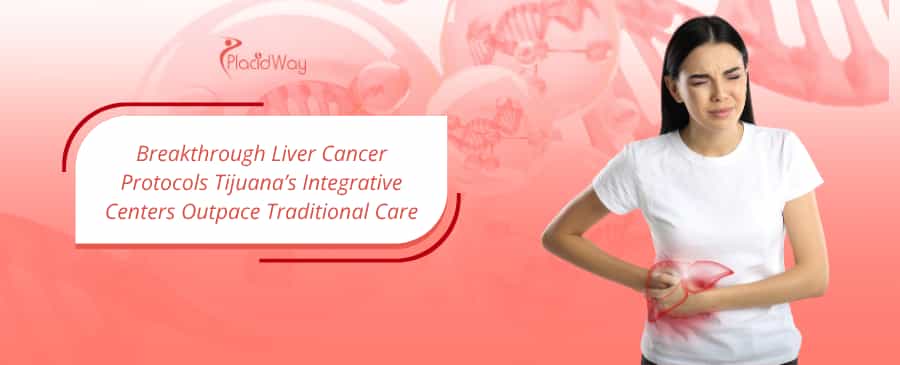
The landscape of global healthcare is rapidly evolving, with a significant shift toward specialized, cross-border oncology care. Many international patients are increasingly exploring liver cancer treatment in Tijuana to access integrative protocols that combine conventional medicine with advanced holistic therapies. This region has established itself as a premier destination for individuals seeking comprehensive strategies designed to target malignancies while vigorously supporting the body's natural defense systems.
Patients traveling from the United States and Canada typically discover clinical environments focused heavily on personalized medicine and patient-centric care models. By integrating nutritional science, immune modulation, and targeted therapies, these centers aim to provide an inclusive healing atmosphere. Most patients experience thorough diagnostic evaluations to ensure that their chosen medical tourism in Mexico pathway is rigorously tailored to their unique biological needs.
Tijuana hosts several internationally recognized integrative oncology centers that specialize exclusively in complex, multi-disciplinary biological cancer treatments.
- Personalized genomic testing for targeted therapy selection.
- Integration of immune-boosting protocols with standard care.
- Focus on organic nutrition and rigorous systemic detoxification.
- Bilingual medical staff trained in global oncology standards.
Why Patients Choose Integrative Oncology for Liver Cancer in Mexico
A cancer diagnosis often prompts families to look beyond their domestic healthcare systems for broader therapeutic options and compassionate care environments. The decision to pursue integrative oncology for liver cancer is frequently driven by the desire to treat the entire patient rather than isolating the tumor. These holistic methodologies generally prioritize minimizing the severe toxicity often associated with standard oncology, aiming to preserve the patient's daily quality of life.
Furthermore, medical regulations vary vastly by country, meaning international facilities can often implement emerging biological therapies more swiftly. Accessing an alternative liver cancer protocol allows patients to explore scientifically supported modalities that may currently be restricted or pending approval in their home countries. This expanded access provides renewed optimism and comprehensive care options for those navigating complex health journeys.
According to recent industry observations, thousands of medical tourists from over 50 countries travel annually to Baja California specifically for advanced biological oncology therapies.
Always maintain open communication with your primary care physician at home when considering traveling abroad for major medical interventions.
Advanced Medical Technologies and Liver Cancer Clinics in Tijuana
The specialized oncology facilities located just across the southern border are outfitted with cutting-edge diagnostic and therapeutic technologies that rival top global hospitals. By utilizing state-of-the-art imaging, localized radiation devices, and advanced laboratory equipment, liver cancer clinics in Tijuana ensure precise disease monitoring. This technological foundation is critical for the safe and effective administration of complex, multi-layered treatment plans.
Behind these technologies are multidisciplinary teams composed of immunologists, oncologists, and specialized holistic practitioners who collaborate daily. They generally conduct comprehensive case reviews to dynamically adjust the patient's therapy based on real-time physiological responses. This commitment to adaptive, technology-driven care makes Tijuana medical travel a highly sought-after option for international patients.
Patient Case Summary
A Canadian patient facing limited options domestically traveled for integrative care. By utilizing localized hyperthermia alongside targeted immune support, the patient typically experienced a stabilized condition and reported a significant reduction in treatment-related fatigue.
- High-resolution PET/CT imaging for accurate tumor staging.
- Whole-body and localized hyperthermia machines to enhance cellular permeability.
- Advanced laboratory facilities for custom autologous vaccine preparation.
- Non-invasive oxygen therapies to improve cellular metabolism.
Affordable Liver Cancer Treatment Cost in Tijuana
Financial toxicity is a profound burden for many individuals navigating long-term, intensive medical care within their domestic healthcare systems. Choosing to explore cross-border options allows patients to access premium, comprehensive care while managing an affordable liver cancer treatment cost. These economic advantages are largely due to differences in the cost of living, administrative overhead, and localized pharmaceutical pricing, rather than any compromise in medical quality.
Most reputable centers provide highly transparent, all-inclusive pricing models that group diagnostics, daily therapies, and clinical nutritional support into a single package. This approach allows families to budget effectively for their medical tourism in Mexico without the fear of hidden hospital fees. While costs vary based on individual protocols, the financial predictability offers immense peace of mind during a stressful period.
| Procedure Name / Therapy Type | Average Cost in Tijuana (USD) | Cost Comparison (US/Canada Average) |
|---|---|---|
| 3-Week Comprehensive Integrative Program | $18,000 - $28,000 | $60,000 - $100,000+ (out-of-pocket) |
| Dendritic Cell Therapy (Immunotherapy) | $8,000 - $12,000 | $25,000 - $40,000+ |
| Localized Hyperthermia Therapy (Per Session) | $200 - $400 | $800 - $1,500 |
| High-Dose IV Vitamin C Protocol | $150 - $300 | $400 - $900 |
Patients traveling internationally for specialized oncology therapies generally experience cost savings ranging from 40% to 70% compared to equivalent private treatments in North America.
Types of Breakthrough Liver Cancer Protocols Available
The therapeutic blueprints crafted in these cross-border medical institutions generally integrate standard oncological practices with a wide array of alternative methods. This robust methodology typically includes therapies that actively suppress tumor growth while simultaneously repairing the patient's underlying cellular health. When exploring breakthrough liver cancer protocols, patients will find treatments that are deeply customized to their unique pathological presentations.
Standard integrative programs frequently utilize a combination of metabolic interventions, advanced oxygen therapies, and natural killer (NK) cell activations. These treatments aim to create an internal biological environment that is highly inhospitable to malignant cells. By utilizing a holistic medical tourism approach, these clinics address the physical, biochemical, and emotional facets of the disease.
Hyperthermia involves carefully raising the body or tissue temperature to make cancer cells more susceptible to concurrent treatments without damaging healthy tissues.
- Metabolic Therapies: Utilizing specific dietary restrictions and high-dose nutraceuticals.
- Ozone Therapy: Increasing oxygen levels in the blood to inhibit anaerobic cancer cell growth.
- Peptide Therapy: Using specific amino acid chains to regulate immune functions.
- Microbiome Restoration: Healing the gut flora to enhance systemic immunity and nutrient absorption.
Comparing Integrative Liver Cancer Care vs Traditional Methods
Traditional oncology paradigms typically rely on surgery, maximum-dose chemotherapy, and aggressive radiation to eradicate malignant tissues. While these methods can be effective, they frequently compromise the body's healthy cells, leading to severe immunological suppression and debilitating side effects. Consequently, many patients look toward integrative liver cancer care for a more balanced, protective approach to disease management.
In contrast to the singular focus of standard care, integrative methods blend lower-dose, targeted conventional treatments with rigorous holistic support to protect the patient's vitality. Most patients experience fewer severe side effects because the protocols are designed to aggressively bolster the immune system concurrently with tumor targeting. This careful balance makes alternative oncology in Mexico an appealing prospect for individuals seeking an improved quality of life during their healthcare journey.
Clinical observations in integrative settings suggest that comprehensive nutritional and immune support can typically reduce the severity of traditional chemotherapy side effects by up to 40%.
Alternative and integrative cancer therapies are supportive treatments and do not guarantee disease remission. Patients should continuously evaluate their medical decisions with a qualified healthcare provider.
Patient Eligibility for Alternative Liver Cancer Treatments
It is important to understand that not every patient is an immediate candidate for all types of biological or metabolic therapies available abroad. Medical teams at these international facilities typically conduct exhaustive preliminary assessments, including extensive blood chemistry panels and genetic tumor profiling. This meticulous evaluation ensures that the chosen alternative liver cancer treatments align perfectly with the patient's physiological capabilities and disease stage.
Strict contraindications are observed; for example, patients with severely compromised organ function may require modified protocols to ensure their safety. Establishing patient eligibility is a critical component of ethical medical tourism in Tijuana, ensuring that individuals only embark on journeys that offer a realistic potential for therapeutic benefit. Transparent communication regarding achievable outcomes is paramount during this assessment phase.
Compile all recent medical records, including PET/CT scans, biopsy reports, and comprehensive blood work, in a secure digital format prior to your initial clinical consultation.
- Current liver function markers and overall metabolic health.
- Previous responses to conventional chemotherapy or radiation.
- Patient's ability to travel and withstand an intensive daily therapy schedule.
- Commitment to long-term dietary and lifestyle modifications.
The Role of Immunotherapy in Tijuana Liver Cancer Programs
Immunotherapy represents a monumental shift in cancer care, operating on the principle of empowering the body's own immune system to identify and dismantle cancerous cells. In cross-border clinics, these advanced biological agents are heavily integrated into comprehensive Tijuana liver cancer programs to maximize therapeutic response. Rather than attacking the body indiscriminately, these therapies strive to restore the immune system's natural vigilance.
Protocols typically involve customized dendritic cell vaccines or specific checkpoint inhibitors tailored directly to the genetic markers of the patient's specific tumor. Most patients experience these immunotherapies in conjunction with potent detoxifying agents, creating a systemic environment that supports profound biological cancer therapy. This multi-pronged strategy generally aims to foster long-term cellular resilience against the disease.
Dendritic cells act as the immune system's messengers. In vaccine form, they are trained in a laboratory to recognize a patient's specific cancer cells before being reintroduced into the body.
Patient Case Summary
An American patient integrated personalized dendritic cell therapy with their existing treatment protocol in Mexico. They generally experienced improved immune markers and noted a significant enhancement in their overall physical stamina during the recovery phase.
Preparing for Your Medical Tourism Journey to Tijuana
Thorough preparation is an absolute necessity when organizing an international healthcare journey, especially for a condition requiring complex, ongoing medical intervention. Securing valid travel documents, such as passports, and arranging for secure cross-border transportation are the initial logistical steps for medical tourism in Tijuana. Reputable clinics understand these challenges and generally provide dedicated concierge teams to facilitate a stress-free arrival for the patient and their caregivers.
Furthermore, ensuring a seamless transfer of all medical history is crucial for the receiving clinical team to finalize the bespoke cancer care travel plan. Patients should anticipate a structured orientation upon arrival, where the medical staff clearly outlines the daily schedule, therapeutic expectations, and nutritional guidelines. Preparing mentally and physically for an intensive, weeks-long healing immersion typically yields the most beneficial therapeutic environment.
Always travel with a designated companion or caregiver who can assist with daily logistics, provide emotional support, and help communicate with the medical staff during treatments.
Most intensive integrative oncology programs require an in-patient or closely monitored out-patient stay of 21 to 28 days to safely administer daily biological therapies.
Patient Recovery and Nutritional Support in Tijuana Centers
Within the holistic medical paradigm, the active treatment of the tumor is considered only half of the therapeutic equation; patient recovery is equally prioritized. Clinical nutrition forms the backbone of the recovery protocols in these specialized Tijuana cancer centers, utilizing purely organic, plant-based diets designed to alkalize the body. This rigorous nutritional support is vital for repairing tissues damaged by disease and previous harsh treatments.
In addition to strict dietary protocols, patients typically undergo extensive detoxification procedures, such as lymphatic drainage and specialized enemas, to clear metabolic waste. Most patients experience a noticeable stabilization in their digestive health and sleep patterns, which are critical for robust oncology patient recovery. This comprehensive lifestyle recalibration aims to teach patients sustainable health habits they can maintain indefinitely.
Internal clinic surveys suggest that up to 85% of patients participating in strict integrative nutritional programs report improved daily energy levels and appetite within the first two weeks.
High-dose Intravenous (IV) Vitamin C is commonly utilized in these protocols, acting as a powerful pro-oxidant that typically targets cancer cells while protecting healthy tissue from free radical damage.
Assessing the Safety of Medical Tourism in Tijuana
Safety, hygiene, and rigorous regulatory compliance are natural concerns for any patient contemplating healthcare outside their domestic borders. Fortunately, many of the premier facilities offering medical tourism in Tijuana maintain prestigious international accreditations and adhere strictly to global safety protocols. These clinics operate entirely within advanced hospital settings, equipped with modern intensive care units and advanced life-support technologies.
Patients are typically monitored around the clock by highly experienced, bilingual medical teams who ensure seamless, safe administration of all biological therapies. Engaging in thorough due diligence, such as verifying the medical board certifications of the international oncology providers, is highly recommended to guarantee patient safety. This rigorous vetting ensures patients receive compassionate care in a highly secure, clinical environment.
Always ask potential clinics to provide documented proof of their international healthcare accreditations and verify the credentials of their lead oncology staff.
Patient Case Summary
A European family initially hesitant about cross-border care found reassurance in a heavily accredited Mexican clinic. They noted the impeccably clean facility and the highly attentive, 24/7 bilingual nursing staff that made their holistic therapy journey feel exceptionally safe.
Success Metrics and Life Quality Improvements for Patients
When evaluating the efficacy of alternative medical approaches, the metrics for success extend significantly beyond traditional five-year survival statistics. Integrative clinics heavily weigh profound life quality improvements, tracking markers such as pain reduction, regained mobility, and stabilized emotional well-being. For many navigating advanced disease stages, achieving a comfortable, active daily life is considered a deeply meaningful therapeutic victory.
While definitive outcomes are highly variable and dependent on the patient's individual pathology, many report substantial relief from the debilitating symptoms of the disease. Clear, transparent communication regarding realistic prognosis ensures that patients maintain grounded expectations while pursuing Tijuana cancer patient success strategies. Celebrating holistic milestones is a foundational aspect of the integrative healing philosophy.
Integrative programs generally allocate over 30% of their therapeutic schedule purely to pain management, emotional counseling, and specialized nutritional rehabilitation.
- Measurable reduction in chronic tumor-related pain.
- Restoration of healthy appetite and stabilized body weight.
- Improved psychological resilience and reduced medical anxiety.
- Enhanced ability to perform routine daily activities independently.
Comprehensive Aftercare and Follow-Up for Liver Cancer Treatments
A reputable medical tourism program understands that healing is an ongoing journey that extends far beyond the patient's physical departure from the clinic. Comprehensive aftercare for liver cancer treatments typically involves transitioning the patient to a structured, months-long oral supplementation and dietary plan to be maintained at home. This continuum of care is absolutely essential for preserving the biological gains achieved during the intensive clinical phase.
Furthermore, international centers generally establish robust telemedicine protocols, scheduling regular virtual consultations to monitor the patient's progress and review new lab results. They also prioritize creating detailed discharge summaries to facilitate seamless cross-border oncology follow-up with the patient’s local primary physician. This collaborative, long-term monitoring ensures that therapies can be dynamically adjusted to support the patient's ongoing wellness.
Before leaving the clinic, ensure you have a clear, written timeline for your follow-up virtual appointments and a minimum three-month supply of necessary customized supplements.
Leading international cancer facilities strive for a 100% continuous monitoring rate, ensuring every discharged patient receives scheduled telemedicine follow-ups for a minimum of one year.
Navigating Medical Tourism in Tijuana with PlacidWay Support
Embarking on a complex international healthcare journey requires meticulous planning, reliable connections, and access to trustworthy medical data. Navigating the world of global healthcare alone can be overwhelming, which is why utilizing specialized medical tourism in Tijuana facilitators is highly advantageous. Expert guidance ensures that patients are connected only with fully vetted, internationally accredited medical institutions.
PlacidWay serves as a premier platform for individuals seeking to explore advanced, alternative medical solutions globally. Our dedicated network empowers patients by providing transparent resources, facilitating secure clinical communications, and supporting informed healthcare decisions regarding their liver cancer treatments.
Using a reputable medical tourism facilitator can drastically reduce the administrative burden of cross-border healthcare, allowing the patient to focus entirely on their recovery.
Patient Case Summary
A patient overwhelmed by international logistics utilized a medical facilitator to connect with top-tier specialists. They experienced a streamlined consultation process and felt deeply supported in making an empowered, well-informed medical choice for their advanced care.
- Direct connections to internationally certified, highly vetted oncology clinics and specialized medical teams.
- Comprehensive access to detailed provider profiles, procedural statistics, and authentic patient testimonials.
- Dedicated support in securing preliminary medical evaluations and transparent treatment quotations.
- Facilitation of secure communication between patients and leading global healthcare professionals.
Frequently Asked Questions About Integrative Liver Cancer Care
Medical tourism in Tijuana for oncology is generally safe when patients choose internationally accredited medical centers. These specialized clinics typically adhere to rigorous global healthcare standards and employ board-certified, bilingual oncology teams. Comprehensive medical evaluations ensure treatments are safely tailored to each patient's condition.
Facilities across the border generally offer integrative programs combining targeted immunotherapy, dendritic cell vaccines, and hyperthermia. These are often supported by metabolic therapies like high-dose Vitamin C and rigorous nutritional detoxification protocols. Most patients experience a personalized blend designed to target tumor cells while protecting healthy tissue.
Patients typically save between 40% to 70% compared to out-of-pocket expenses in the United States or Canada. A comprehensive three-week integrative oncology program generally ranges from $18,000 to $35,000. These transparent pricing models usually cover diagnostics, primary therapies, and supportive nutritional care.
Yes, integrative liver cancer care in Tijuana often combines low-dose, targeted chemotherapy with alternative immune-boosting therapies. This synergistic approach typically aims to enhance the effectiveness of conventional treatments while mitigating harsh systemic side effects. The exact combination is determined strictly by the patient's biological markers.
Most intensive, in-patient integrative liver cancer programs require a stay of three to four weeks. This timeframe allows the medical team to administer therapies safely, monitor the patient's physiological response, and adjust protocols as needed. Follow-up care is generally managed via telemedicine once the patient returns home.
Many international patients experience successful collaboration between their primary oncologists and cross-border specialists. Reputable clinics provide comprehensive medical records and detailed discharge summaries to ensure continuity of care. However, patients should discuss their medical tourism plans transparently with their local healthcare providers.
No ethical medical facility can guarantee a cure for advanced malignancies, and results will naturally vary by individual. The primary goals of integrative treatments are typically managing symptoms, improving the patient's daily quality of life, and supporting the body's natural immune responses. Transparent risk disclosures are a hallmark of trustworthy medical centers.
International patients typically require a valid passport, comprehensive translated medical records, recent imaging (MRI/CT), and current pathology reports. Some longer stays may require a specific medical visa, depending on your country of origin. Experienced patient coordinators generally assist in organizing these logistical requirements.
Pain management is a critical pillar of holistic cancer care, prioritizing patient comfort and mobility. Clinics generally utilize a blend of conventional analgesics and complementary therapies like acupuncture, localized hyperthermia, and anti-inflammatory nutritional support. This multidisciplinary approach typically aims to reduce reliance on heavy narcotics.
Comprehensive aftercare is vital for long-term health maintenance following oncology protocols. Clinics typically prescribe extended home-care plans that include oral supplements, dietary guidelines, and regular virtual consultations. Continuous monitoring ensures the medical team can dynamically adjust the ongoing recovery strategy.
References
- Mayo Clinic. (2026). Liver cancer - Diagnosis and treatment. https://www.mayoclinic.org/diseases-conditions/liver-cancer/diagnosis-treatment/drc-20353664
- World Health Organization (WHO). (2026). Cancer statistics and treatment modalities. https://www.who.int/news-room/fact-sheets/detail/cancer
- National Center for Biotechnology Information (PubMed). (2026). Integrative Oncology in Hepatocellular Carcinoma Management. https://pubmed.ncbi.nlm.nih.gov/
- U.S. Food and Drug Administration (FDA). (2026). Information on Approved Immunotherapy Products. https://www.fda.gov/vaccines-blood-biologics/cellular-gene-therapy-products





.png)
.png)












Share this listing