


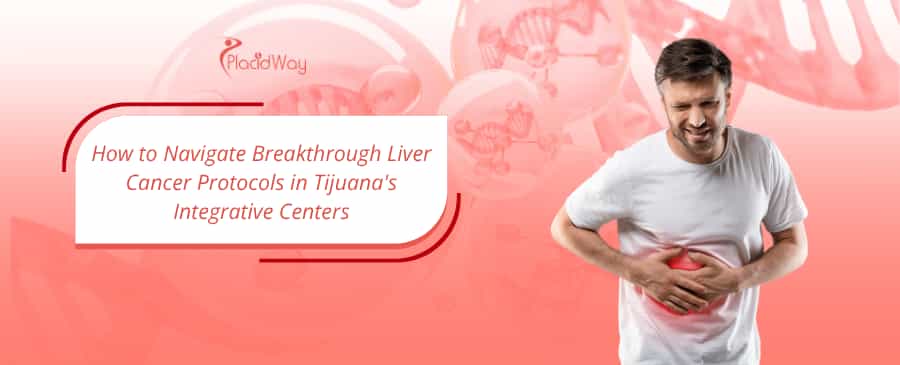
Breakthrough Liver Cancer Treatment in Tijuana
Navigating a complex oncological diagnosis requires comprehensive medical strategies that look beyond singular treatment modalities. The northern border region has rapidly developed into an internationally recognized hub for patients seeking highly specialized, multidisciplinary oncological care. Exploring liver cancer treatment in Tijuana offers individuals access to integrative medical models that systematically blend conventional tumor destruction with advanced biological support. These breakthrough protocols generally aim to improve overall patient quality of life while actively targeting the underlying mechanisms of cellular malignancy.
Traditional oncology often focuses exclusively on the localized eradication of malignant cells, sometimes at a severe cost to the patient's systemic health. The modern clinical environment in Mexico generally champions a more comprehensive philosophy, prioritizing the vital optimization of the patient's immune and metabolic systems. By employing a dual-action approach, medical teams typically strive to make the physical body an inhospitable environment for continued tumor proliferation. Most patients experience a highly personalized clinical journey that rigorously addresses their specific physiological and biochemical needs.
Patient Experience Summary
A patient diagnosed with advanced hepatocellular carcinoma sought alternative options after struggling with severe systemic toxicity from standard treatments. He reported that the integrative approach abroad typically allowed him to maintain his physical strength while his medical team effectively managed the localized tumor burden.
Integrative oncology does not typically reject conventional therapies like targeted radiation; rather, it strategically utilizes them alongside powerful nutritional and immunological interventions to maximize biological efficacy.
Why Integrative Oncology for Liver Cancer in Mexico is Gaining Popularity
International patients are increasingly advocating for their own healthcare, frequently seeking out progressive clinical environments that offer a wider array of therapeutic options. The rising demand for integrative oncology in Mexico is primarily driven by patients desiring a more holistic, whole-body approach to their severe medical challenges. The regulatory framework within the region generally permits licensed medical professionals to seamlessly implement evidence-based natural compounds alongside standard pharmaceutical interventions. This clinical freedom allows for the rapid adaptation of cutting-edge therapeutic protocols that are often heavily delayed in western medical systems.
Patients dealing with complex hepatic malignancies generally face significant hurdles regarding systemic energy loss and immunological suppression. Finding highly reputable liver cancer clinics in Mexico often means discovering facilities completely dedicated to mitigating these specific secondary health crises. The overarching goal is typically to continuously empower the patient's intrinsic healing mechanisms, rather than relying solely on aggressive cellular toxicity. This compassionate, multi-tiered medical philosophy generally resonates deeply with international medical tourists seeking comprehensive physiological healing.
Global medical tourism research indicates a steady 15% annual increase in North American patients traveling internationally specifically to access integrative and complementary oncology protocols.
When researching international clinics, prioritize facilities that offer multidisciplinary tumor boards where conventional oncologists closely collaborate with certified holistic medical practitioners.
Advanced Diagnostic Protocols for Hepatic Tumors in Tijuana
Effective oncological management always begins with exceptionally precise and comprehensive medical diagnostics. Leading centers specializing in hepatocellular carcinoma therapies in Tijuana typically invest heavily in state-of-the-art imaging and molecular pathology technologies. Accurately determining the exact metabolic activity, precise anatomical location, and specific genetic markers of a tumor is generally absolutely vital. This foundational medical intelligence allows multidisciplinary teams to craft highly personalized and meticulously targeted therapeutic interventions.
Beyond traditional imaging, advanced clinical facilities frequently utilize modern liquid biopsies and complex genetic sequencing to deeply understand the tumor's behavior. Patients traveling for advanced tumor diagnostics in Mexico generally undergo thorough systemic evaluations that also assess their overall immune function and specific nutritional deficiencies. Uncovering these underlying systemic imbalances typically guides the creation of the complementary biological therapies used throughout the clinical stay. A precise diagnostic foundation is generally considered the most critical component for achieving optimal long-term clinical outcomes.
- PET/CT Imaging: Utilized to precisely map cellular metabolic activity and accurately identify potential metastatic spread.
- Molecular Profiling: Generally identifies specific genetic mutations within the tumor to guide precise targeted pharmacological therapies.
- Comprehensive Immune Panels: Assesses current white blood cell efficacy and specific inflammatory markers circulating in the body.
- Color Doppler Ultrasound: Typically used to meticulously evaluate blood flow dynamics directly feeding the hepatic tumors.
Advanced liquid biopsies can generally detect circulating tumor DNA fragments in the bloodstream, often providing crucial molecular data without the need for an invasive physical tissue biopsy.
Cost of Liver Cancer Treatment in Tijuana Compared to Traditional Care
The profound financial burden of continuous oncological care is a massive source of stress for many families navigating chronic medical challenges. Seeking affordable liver tumor treatment in Tijuana generally allows patients to access highly complex, multidisciplinary care models at a fraction of the cost found in traditional western systems. This significant economic accessibility typically stems from lower regional operational overhead and streamlined, direct-to-patient administrative clinical processes. Competitive medical pricing does not typically indicate a reduction in the quality of the advanced medical technology or the expertise of the attending physicians.
Transparency in medical billing is a critical factor for international patients planning long-term therapeutic journeys. It is highly advised to request comprehensive, itemized financial plans that clearly outline the cost of integrative oncology in Mexico. Variations in total pricing generally depend heavily on the specific immunotherapies utilized, the required frequency of interventional procedures, and the planned duration of the clinical stay. A clear financial overview helps individuals effectively allocate their resources toward both immediate clinical care and essential long-term maintenance protocols.
| Procedure/Protocol Name | Average Cost in Tijuana | Average Cost in USA/UK |
|---|---|---|
| Transarterial Chemoembolization (TACE) | $6,500 - $9,000 | $20,000 - $35,000+ |
| Targeted Immunotherapy Protocol (Monthly) | $4,000 - $7,000 | $12,000 - $25,000+ |
| Intravenous Metabolic & Nutritional Therapy | $2,500 - $4,500 | $8,000 - $15,000 (Often Uninsured) |
| Comprehensive 3-Week Integrative Program | $18,000 - $28,000 | $60,000 - $100,000+ |
The financial figures presented are generalized estimates. True costs will typically fluctuate based on the specific progression of the disease and highly individualized clinical requirements. Always secure a direct quotation from the verified medical provider.
Innovative Targeted Therapies for Hepatocellular Carcinoma in Mexico
Advancements in clinical pharmacology have significantly shifted modern treatment paradigms away from broad-spectrum, highly toxic chemical applications. Leading specialists managing liver cancer treatment in Tijuana now heavily favor therapies that selectively target the unique biological pathways responsible for malignant cellular division. These highly specific medications generally aim to systematically starve the tumor of its necessary blood supply or actively block vital internal growth signals. By focusing solely on malignant biology, these treatments typically induce significantly less collateral damage to surrounding healthy organ tissues.
What generally distinguishes the integrative approach is the strategic combination of these modern pharmaceuticals with potent natural biological sensitizers. Exploring integrative oncology in Mexico reveals protocols that frequently utilize high-dose natural compounds to generally increase the tumor's susceptibility to targeted drugs. This powerful synergistic methodology typically allows physicians to utilize lower pharmaceutical doses, thereby effectively minimizing severe adverse systemic side effects. Most patients report a markedly better tolerance to these integrated, meticulously balanced pharmacological protocols.
Targeted kinase inhibitors are generally designed to specifically interrupt the complex molecular communication networks that tumors aggressively use to stimulate the creation of new, dedicated blood vessels.
Always provide your international clinical team with an exhaustive list of all current supplements and medications, as certain natural compounds can powerfully interact with targeted biological therapies.
Minimally Invasive Interventional Oncology in Tijuana
When systemic therapies require targeted physical assistance, medical teams turn to highly specialized, localized destruction techniques. Facilities offering advanced hepatocellular carcinoma therapies in Tijuana frequently employ interventional radiologists who utilize precise, image-guided procedures. Techniques such as Transarterial Chemoembolization (TACE) or Radiofrequency Ablation (RFA) generally deliver concentrated treatments directly into the heart of the hepatic tumor. These precise interventions typically maximize localized cellular damage while vigorously protecting the remaining functional capacity of the liver.
The primary advantage of these localized procedures lies in their remarkably low impact on the patient's overall systemic vitality. Patients traveling for liver tumor treatment in Mexico generally appreciate that these interventions require only tiny incisions and are frequently performed on an outpatient basis. Recovery times are typically exceptionally fast, allowing patients to rapidly resume their vital concurrent immune and nutritional therapies. Interventional oncology is generally considered a highly effective cornerstone of modern, comprehensive hepatic disease management.
Patient Experience Summary
A patient with a localized, inoperable hepatic mass underwent image-guided chemoembolization abroad. She generally noted that the procedure caused minimal physical discomfort, and she was able to seamlessly continue her intravenous immune protocols the very next day.
Medical Insight
By strategically cutting off the direct arterial blood supply (embolization), interventional specialists generally trap the concentrated therapeutic agents entirely within the tumor bed, significantly prolonging their localized destructive effects.
Integrating Immunotherapy into Liver Cancer Protocols in Mexico
The human immune system possesses an incredible, innate capacity to recognize and actively destroy malignant cellular formations when functioning optimally. Leading centers focusing on liver cancer treatment in Tijuana place immense strategic emphasis on advanced immunological therapies. Modern treatments typically utilize sophisticated checkpoint inhibitors that effectively "unmask" hidden tumors, allowing the body's natural T-cells to aggressively attack them. These highly advanced biological interventions generally represent the most significant recent breakthroughs in global oncological science.
Integrative clinics frequently elevate these standard immunological approaches by aggressively supporting them with targeted natural therapies. In comprehensive liver cancer clinics in Mexico, pharmaceutical immunotherapies are generally paired with high-dose intravenous Vitamin C and specialized dendritic cell vaccines. This intensive, combined approach typically aims to not only unmask the active tumor but to simultaneously supercharge the overall production of aggressive immune cells. Most clinical specialists agree that a robust, highly active immune system is absolutely essential for achieving lasting clinical remission.
Immunotherapy does not typically attack the cancer cells directly; instead, it fundamentally trains and empowers the patient's own biological defense mechanisms to autonomously identify and eradicate the malignancy.
Dendritic cell therapies are generally highly customized; they are typically created by harvesting the patient's own immune cells, intensely exposing them to specific tumor markers in a lab, and then re-injecting them.
Holistic Metabolic Support for Liver Cancer Patients in Tijuana
Malignant cells exhibit highly distinct metabolic behaviors, primarily relying on the rapid fermentation of glucose to fuel their aggressive expansion. Progressive integrative oncology in Mexico specifically targets this unique vulnerability through intensive, structured metabolic interventions. Clinical protocols generally incorporate profound dietary shifts and targeted pharmaceutical off-label medications to systematically disrupt the tumor's primary energy supply. By strategically altering the overall internal biochemical environment, medical teams typically strive to aggressively starve the malignancy while vigorously nourishing healthy tissues.
Furthermore, tumors typically thrive in environments characterized by severe systemic hypoxia (low oxygen) and chronic tissue inflammation. Comprehensive affordable liver tumor treatment in Tijuana frequently includes advanced oxygenation therapies, such as hyperbaric oxygen chambers and clinical ozone therapy. These specific therapeutic modalities generally aim to flood the body with oxygen, creating a hostile, highly oxygenated microenvironment that actively deters continued tumor growth. Metabolic optimization is generally considered a foundational pillar of any comprehensive, holistic oncological protocol.
The scientific principle that malignant cells primarily utilize inefficient glucose fermentation for energy, even in the presence of oxygen, is historically known in medical literature as the Warburg Effect.
- Ozone Therapy: Generally utilized to increase systemic blood oxygenation and actively stimulate powerful internal antioxidant enzymes.
- Hyperthermia: Safely elevates core body temperature to typically weaken heat-sensitive tumor cells and dramatically enhance immune function.
- Ketogenic Protocols: Severely restricts carbohydrate intake to systematically starve glucose-dependent malignant cellular structures.
- Off-Label Pharmaceuticals: Frequently utilizes repurposed metabolic medications that generally interfere with specific tumor energy pathways.
The Role of Specialized Nutrition in Mexican Liver Oncology Centers
Because the liver is fundamentally central to human digestion and systemic detoxification, its impairment requires profound dietary management. Experts providing liver cancer treatment in Tijuana recognize that standard nutritional advice is frequently entirely insufficient for patients battling complex hepatic malignancies. Clinical nutritionists generally design highly individualized, medically supervised diets that strictly minimize the metabolic workload on the compromised organ. This rigorous dietary control typically aims to actively prevent dangerous malnutrition and the severe muscle wasting frequently associated with advanced oncology.
When oral intake becomes difficult or metabolically insufficient, advanced clinical facilities immediately pivot to targeted intravenous (IV) supplementation. Patients attending dedicated liver cancer clinics in Mexico frequently receive highly concentrated IV infusions of essential amino acids, complex trace minerals, and potent biological antioxidants. This direct-to-bloodstream delivery method generally completely bypasses the stressed digestive tract, ensuring critical cellular absorption. Most patients report significant improvements in daily physical energy and overall emotional well-being following these intensive nutritional interventions.
Prioritize consuming easily digestible, highly bioavailable protein sources during your treatment, as amino acids are absolutely essential for repairing tissues generally damaged by intense therapies.
Protocol Overview
Clinical nutritional protocols generally strictly eliminate all processed sugars and refined carbohydrates, primarily relying instead on cold-pressed organic juices and specialized plant-based phytonutrients to support cellular repair.
Qualifications of Integrative Oncologists Treating Liver Cancer in Tijuana
The safety and profound efficacy of any complex medical protocol rely entirely on the vast expertise of the attending clinical team. Specialists directing hepatocellular carcinoma therapies in Tijuana undergo exceptionally rigorous medical training that typically matches or strongly exceeds strict international standards. The most reputable medical directors frequently possess extensive board certifications in both conventional internal medicine and specialized integrative oncology. This dual educational background generally ensures that patients receive incredibly balanced, scientifically sound medical guidance throughout their journey.
Continuous clinical education is an absolute mandate within these top-tier international medical environments. Doctors leading integrative oncology in Mexico generally participate actively in global symposiums focused exclusively on immunology and advanced metabolic cancer therapies. They are typically deeply immersed in the latest peer-reviewed clinical research and complex biological treatment modalities. International patients generally find profound comfort and profound reassurance in the documented credentials and extensive global experience of their dedicated clinical teams.
Patient Experience Summary
A patient traveling internationally for complex care noted that her chief oncologist spent two full hours meticulously explaining the intricate biochemical interactions between her prescribed immunotherapy and her customized IV nutrition plan.
Never hesitate to directly request a comprehensive review of the chief medical director’s specific board certifications and their historical clinical experience dealing directly with complex hepatic malignancies.
Safety Standards at Medical Tourism Destinations for Liver Cancer in Mexico
Navigating international healthcare options naturally raises valid questions regarding clinical oversight and facility hygiene standards. Highly rated facilities providing liver cancer treatment in Tijuana operate under the strict, rigorous regulatory oversight of the Mexican Ministry of Health (COFEPRIS). These comprehensive directives govern everything from the exact sterilization of advanced surgical equipment to the highly ethical handling of experimental biological materials. Strict compliance with these national laws generally drastically minimizes clinical risks and consistently promotes highly ethical medical practices.
International patients typically discover that reputable clinics frequently function with safety protocols that closely mirror intensive care units in North America. Facilities offering affordable liver tumor treatment in Tijuana are generally subject to routine, comprehensive clinical audits to maintain their operational accreditations. Access to immediate, advanced emergency life support technology is typically a strict, non-negotiable requirement for any clinic handling complex oncology patients. This incredibly robust regulatory environment generally provides individuals with significant peace of mind regarding their overall medical safety.
Advanced international clinics typically utilize heavily filtered, positive-pressure air systems within their primary treatment rooms to systematically prevent the introduction of airborne clinical pathogens.
- Strict adherence to international biohazard and clinical waste disposal regulations.
- Continuous, specialized training for nursing staff regarding acute oncological emergency response.
- Utilization of closed-system biological processing technology for all cellular therapies.
- Mandatory, regular third-party auditing of all clinical sterilization protocols.
Preparing for Your Liver Cancer Medical Journey to Tijuana
Extensive preparation is absolutely fundamental to ensuring a smooth, highly focused international medical experience. Patients planning to undergo integrative oncology in Mexico must begin by meticulously compiling their complete, exhaustive medical histories. This generally includes all recent high-resolution imaging discs, detailed pathology reports, and a comprehensive timeline of all previous oncological interventions. Having this vital clinical data securely transferred prior to arrival typically allows the foreign medical team to immediately begin finalizing the customized therapeutic strategy.
Beyond clinical documentation, patients must focus on setting highly realistic expectations and preparing themselves mentally for an intensive medical routine. Engaging in medical tourism for liver cancer in Tijuana typically requires dedicating several consecutive weeks to rigorous, daily holistic therapies. Individuals are generally strongly advised to travel with a dedicated support companion who can effectively assist with daily logistics and provide vital emotional grounding. A highly organized departure generally sets a profoundly positive, calm tone for the demanding clinical work ahead.
Request that your local primary care physician formally translates complex medical jargon into a clear, concise clinical summary specifically for your international intake coordinator.
Medical research frequently indicates that patients who actively engage in pre-treatment psychological counseling generally report significantly lower anxiety levels during their intensive international clinical stays.
Patient Follow-Up and Aftercare Following Liver Treatments in Mexico
Completing the initial intensive inpatient phase is merely the beginning of a complex, long-term healing trajectory. Medical experts managing liver cancer treatment in Tijuana universally stress that oncological recovery is a continuous, highly disciplined lifestyle, not a singular clinical event. Upon discharge, patients typically transition to a comprehensive, remote maintenance protocol specifically designed to sustain the profound immunological gains achieved during their stay. Strict adherence to prescribed oral biological supplements, highly modified diets, and ongoing lifestyle adjustments is generally absolutely crucial.
Reputable medical centers completely understand the complex challenges of returning home and explicitly provide structured, long-term remote support. Following therapies at liver cancer clinics in Mexico, patients are generally enrolled in secure telemedicine follow-up programs with their primary attending physicians. These remote clinical sessions typically allow the medical team to meticulously track ongoing blood markers and continuously adjust the holistic maintenance protocols as the patient's physiology evolves. Strong, open collaboration with the patient’s local hometown oncologist is generally highly encouraged to ensure seamless, safe continuity of care.
Patient Experience Summary
A patient who returned home after a successful three-week protocol noted that her Mexican clinical team held monthly virtual meetings with her local primary oncologist to closely review her ongoing metabolic blood panels.
Many progressive international clinics generally formulate and ship highly customized, personalized oral nutritional compounds directly to the patient's home country to ensure absolute protocol compliance.
How PlacidWay Supports Your Liver Cancer Treatment Journey to Tijuana
Attempting to coordinate highly complex international medical care while actively battling a severe oncological diagnosis is frequently an overwhelming burden. Securing reliable, transparent information about hepatocellular carcinoma therapies in Tijuana is a critical first step that requires highly trusted, professional guidance. Dedicated medical facilitation platforms exist specifically to bridge the complex gap between vulnerable international patients and heavily verified, internationally accredited clinical providers. This highly structured guidance generally ensures individuals can safely access vital medical therapies without falling victim to profound logistical anxiety.
Executing a successful medical journey abroad involves meticulous coordination of clinical records, complex financial planning, and immediate communication. Facilitating medical tourism for liver cancer in Tijuana requires a strict, unwavering focus on patient safety and comprehensive medical advocacy. Experienced patient coordinators generally streamline the entire intake process, profoundly allowing patients to focus their vital energy entirely on their imminent physical recovery. Professional assistance typically transforms a highly daunting logistical task into a clearly defined, expertly managed path toward comprehensive healing.
- Connecting you directly with internationally accredited, rigorously vetted integrative oncology centers.
- Assisting in the acquisition of transparent, fully itemized medical quotations prior to any commitment.
- Facilitating secure, encrypted transfers of sensitive diagnostic imaging and pathology reports.
- Arranging crucial initial virtual consultations directly with specialized foreign medical directors.
- Providing ongoing, dedicated clinical advocacy to ensure all international healthcare standards are met.
Frequently Asked Questions About Integrative Oncology in Tijuana
Making informed decisions regarding complex international healthcare generally requires access to clear, highly accurate, and direct answers. Many patients seeking liver cancer treatment in Tijuana share common, highly valid concerns regarding clinical efficacy, overall medical safety, and logistical planning. Addressing these frequent inquiries is typically essential for reducing patient anxiety and establishing a strong foundation of medical trust. Clear, transparent communication regarding all clinical expectations is absolutely vital for a successful medical journey.
Navigating the intricacies of foreign medical systems often involves deeply understanding unfamiliar therapeutic concepts and rigorous clinical protocols. Individuals exploring affordable liver tumor treatment in Tijuana frequently need immediate clarity on highly specific medical timelines and exact technological capabilities. The following answers cover essential topics that frequently arise when patients consider comprehensive integrative therapies abroad. Consulting directly with your primary attending physician is always strongly recommended to receive personalized answers tailored precisely to your specific medical situation.
The region provides a highly progressive medical framework that allows for the integration of conventional oncology with advanced holistic therapies. This comprehensive approach typically attracts international patients seeking more personalized, multi-faceted treatment protocols.
Traditional care primarily focuses on tumor destruction through surgery, radiation, or standard chemotherapy. Integrative oncology generally combines these targeted methods with metabolic therapies, immune support, and nutritional protocols to treat the entire systemic environment.
Yes, reputable centers typically utilize state-of-the-art diagnostic imaging, including PET/CT scans and advanced molecular liquid biopsies. Precise staging is generally considered crucial for developing highly customized and effective therapeutic plans.
An intensive 3-week integrative oncology program generally ranges between $18,000 and $28,000, depending on the specific immunotherapies and interventions utilized. Patients should always request a detailed, itemized medical quotation prior to their arrival.
Specialists frequently employ minimally invasive techniques such as Transarterial Chemoembolization (TACE) and Radiofrequency Ablation (RFA). These localized treatments typically aim to reduce tumor burden while generally preserving surrounding healthy liver tissue.
Yes, advanced immunological treatments, including targeted checkpoint inhibitors and dendritic cell therapies, are frequently integrated into comprehensive protocols. These therapies generally aim to stimulate the patient's own immune system to actively recognize and attack malignant cells.
Top-tier international facilities operate strictly under the rigorous regulations of national health ministries, such as COFEPRIS. They typically maintain stringent infection control protocols and employ highly trained medical personnel to continuously monitor patient health.
Most comprehensive integrative protocols require an initial clinical stay of three to four weeks for intensive daily therapies. Following this period, patients generally transition to a structured, remote maintenance protocol managed from their home country.
Ideal candidates are typically individuals seeking to combine conventional tumor management with robust systemic immune and metabolic support. A thorough review of comprehensive medical records is always required to determine if these specific protocols are clinically appropriate.
Reputable medical centers typically provide extensive discharge planning and establish secure telemedicine schedules for ongoing remote monitoring. Collaboration with the patient’s local primary oncologist is generally strongly encouraged to ensure continuous, seamless medical care.
References
- Mayo Clinic. (2026). Hepatocellular carcinoma: Modern treatment approaches. https://www.mayoclinic.org/
- WebMD. (2026). Integrative and Complementary Oncology Guide. https://www.webmd.com/
- PubMed. (2026). Clinical outcomes of integrative metabolic therapies in liver cancer. https://pubmed.ncbi.nlm.nih.gov/
- World Health Organization (WHO). (2026). Global advancements in hepatic malignancy management. https://www.who.int/
.png)







.png)












Share this listing