


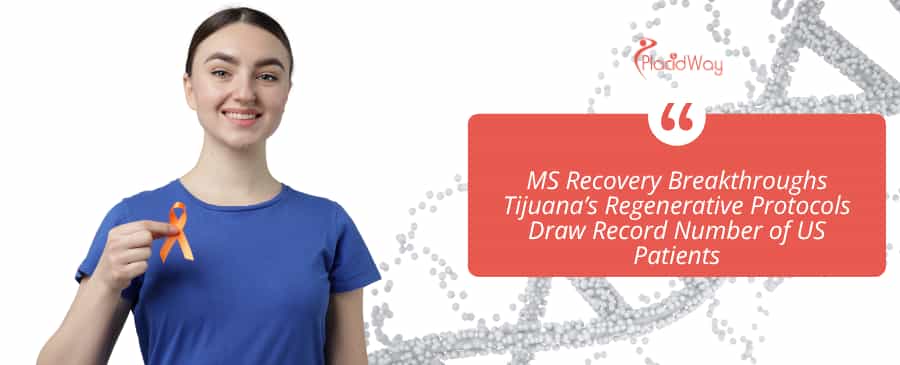
Multiple sclerosis is a complex autoimmune condition that generally affects the central nervous system, prompting many patients to explore affordable MS treatments in Tijuana. In recent years, regenerative medicine has advanced significantly, offering alternative protocols for those seeking symptom management outside their home country. Stem cell therapy aims to modulate the immune system and typically supports the body’s natural healing mechanisms. While it is not a cure, this approach has become a popular option within medical tourism in Mexico.
For international patients, cross-border healthcare provides access to innovative protocols that might be highly restricted or prohibitively expensive in the United States. Tijuana has established itself as a leading destination for specialized neurological care, bringing together modern facilities and experienced medical professionals. Patients generally undergo thorough evaluations to determine if they are suitable candidates for these cellular therapies. The goal is typically to improve quality of life and slow disease progression, though individual results will vary.
Mesenchymal stem cells are characterized by their ability to "home" in on inflamed areas in the body, which is why they are actively studied in autoimmune condition management.
Why US Patients Choose Regenerative Medicine in Tijuana
The rising cost of healthcare in the United States often drives individuals to look for regenerative medicine in Mexico. Tijuana’s proximity to the US border makes it exceptionally convenient for American patients seeking specialized neurological treatments without enduring long-haul flights. The city is home to several globally recognized medical centers that adhere to strict international healthcare standards. This combination of accessibility, affordability, and quality care generally makes Tijuana an attractive destination for medical travelers.
Additionally, Mexican clinics frequently utilize advanced protocols, such as expanded mesenchymal stem cells, which are often limited by complex regulatory frameworks back in the United States. Patients typically appreciate the holistic, patient-centered approach offered by medical teams in Tijuana. Instead of feeling like just another number, most patients experience personalized care plans tailored to their specific disease progression and physical needs. This empathetic environment generally fosters trust and comfort during the treatment journey.
Medical tourism to Mexico generally sees hundreds of thousands of US patients annually, with specialized sectors like regenerative medicine experiencing consistent double-digit growth.
Common Types of MS Stem Cell Treatments in Mexico
When exploring MS stem cell treatments in Mexico, patients will typically encounter a few primary protocols utilized by international specialists. Mesenchymal Stem Cell (MSC) therapy is the most common, utilizing cells often derived from ethically sourced umbilical cord tissue or the patient’s own bone marrow. These cells are generally prized for their immunomodulatory properties and their ability to secrete neurotrophic factors that support nerve health. Most clinics use MSCs to help reduce systemic inflammation and typically promote a healing environment within the body.
Another approach sometimes offered is Hematopoietic Stem Cell Transplantation (HSCT), though it is generally a much more intensive and aggressive procedure. HSCT typically involves using chemotherapy to temporarily suppress the patient's immune system before reintroducing their own stem cells to "reboot" their immune response. Because of the significant risks involved, HSCT is usually reserved for specific cases of highly active relapsing-remitting MS. Patients are typically advised to discuss the varying risk profiles of each protocol extensively with their primary care physician before traveling.
Research suggests that umbilical cord-derived MSCs generally exhibit higher proliferation rates and stronger immunomodulatory capabilities compared to cells harvested from older adult tissues.
Cost of Multiple Sclerosis Stem Cell Therapy in Tijuana vs US
The cost of MS treatment in Mexico is typically one of the primary catalysts for international medical travel. In the United States, experimental cellular therapies are rarely covered by standard insurance and can result in massive out-of-pocket expenses. Conversely, the affordable MS treatments in Tijuana generally allow patients to access similar or even more advanced cellular expansions at a fraction of the price. This cost difference is largely due to lower administrative overhead, favorable exchange rates, and a streamlined regulatory environment that supports medical tourism.
It is crucial for patients to understand that while prices are lower, the quality of cellular products and clinical care generally remains remarkably high. Many comprehensive packages in Tijuana typically include initial testing, the cell infusions, specialist consultations, and basic follow-up care. To provide a clearer financial picture, the table below outlines the general market ranges for these procedures. Patients should always request a detailed, itemized quote to understand exactly what is included in their specific treatment plan.
| Procedure Name | Average Cost in Tijuana, Mexico | Average Cost in the US |
|---|---|---|
| Mesenchymal Stem Cell (MSC) Therapy (Standard Protocol) | $7,000 - $12,000 USD | $20,000 - $30,000+ USD |
| Comprehensive MSC Protocol (Multi-Day with Assessment) | $12,000 - $15,000 USD | $35,000 - $50,000+ USD |
| Hematopoietic Stem Cell Transplantation (HSCT) | $45,000 - $50,000 USD | $150,000 - $250,000+ USD |
When comparing quotes for the cost of MS treatment in Mexico, always ask if the price includes pre-treatment blood work, specialized neurological consultations, and cellular expansion fees.
How Regenerative Protocols Target MS Symptoms Typically
The underlying science of stem cell therapy for MS focuses heavily on the cells’ natural ability to communicate with the body's immune system. Once administered, typically via intravenous infusion or intrathecal injection, these cells generally migrate to areas of inflammation. They are believed to secrete various anti-inflammatory cytokines and neurotrophic growth factors that help stabilize the immune response. By typically altering the behavior of rogue immune cells, the therapy aims to prevent further attacks on the myelin sheath protecting the nerves.
Most patients experience these protocols as a way to potentially manage debilitating symptoms rather than a definitive cure for the disease. The regenerative factors generally support the survival of existing neurons and may create a microenvironment conducive to natural tissue repair. While some patients report improvements in energy levels, mobility, and cognitive clarity, the medical community cautions that responses are highly individual. Ongoing clinical studies continue to explore exactly how these cellular mechanisms typically translate to long-term clinical benefits.
Stem cells communicate through 'paracrine signaling', releasing tiny vesicles called exosomes that generally help instruct other cells to repair damaged tissues.
The Patient Evaluation Process for MS Treatments in Tijuana
A rigorous medical evaluation is typically the cornerstone of any reputable medical tourism in Mexico program. Before a patient is approved for travel, specialists in Tijuana generally require a comprehensive review of their medical history, recent MRI scans, and current medication lists. This preliminary remote assessment helps determine if the patient's specific type of MS and current physical condition make them a viable candidate for cellular therapy. Reputable clinics will generally reject candidates if the therapy poses an undue risk or if the disease has progressed beyond the protocol's potential efficacy.
Once the patient arrives at the MS clinics in Tijuana, they typically undergo a secondary, in-person evaluation before any treatment begins. This often includes blood work, physical neurological exams, and detailed consultations with the attending physician. This cautious approach generally ensures that the treatment plan is precisely calibrated to the patient's immediate health status. It also provides a vital opportunity for patients to ask questions and thoroughly understand the realistic expectations of the procedure.
Always verify that the facility conducting your therapy utilizes a COFEPRIS-licensed laboratory. Treatment with unverified or uncultured cellular products carries significant medical risks and is strongly discouraged.
Safety and Medical Standards at Stem Cell Clinics in Mexico
Patient safety is generally the highest priority for internationally accredited stem cell facilities in Tijuana. Facilities catering to foreign patients are typically regulated by COFEPRIS, the Mexican equivalent of the FDA, which oversees the processing and administration of cellular products. High-quality clinics generally operate their own in-house, ISO-certified laboratories or partner with strictly regulated medical biomanufacturers. This ensures that the stem cells typically boast high viability, purity, and are free from contaminants before being administered to the patient.
In addition to laboratory standards, the medical staff at these facilities are generally highly trained, with many physicians holding board certifications or participating in international medical societies. The clinical environment is typically designed to mimic or exceed the hygiene and safety protocols found in US hospitals. Most patients experience a highly professional setting where adverse event monitoring and emergency protocols are firmly in place. Researching a clinic’s specific certifications and laboratory transparency is generally a critical step for any medical tourist.
Accredited cellular laboratories in Mexico typically maintain strict viability standards, generally ensuring that over 90% of the cultured cells are alive and active prior to administration.
What to Expect During the MS Treatment Protocol in Tijuana
The typical timeline for MS stem cell treatments in Mexico spans several days, ensuring a safe and monitored administration process. Upon clearance from the in-person evaluation, the actual administration of mesenchymal stem cells is generally an outpatient procedure. The cells are typically delivered through an intravenous (IV) drip, which most patients experience as a comfortable and relatively painless process lasting a few hours. In some cases, doctors may recommend an intrathecal injection to deliver cells directly into the cerebrospinal fluid, aiming for closer proximity to the central nervous system.
Throughout the protocol, patients are generally monitored closely by nursing staff to watch for any immediate, albeit rare, allergic reactions or mild side effects like low-grade fever. The medical team typically provides comprehensive instructions on post-treatment care and medications before the patient leaves the facility. While the procedures themselves are relatively brief, patients are generally advised to rest and stay in Tijuana for a few days to ensure medical stability before traveling home. This cautious pacing typically contributes to a safer overall medical tourism experience.
Wear loose, comfortable clothing on the day of your IV infusion, and bring a book or download a podcast, as the treatment typically takes several hours to complete.
Many modern protocols in Tijuana utilize expanded stem cells, meaning a small initial sample is cultured in an ISO-certified lab to multiply into millions of highly viable cells before infusion.
Typical Recovery Timeline After MS Regenerative Therapy
The recovery phase following affordable MS treatments in Tijuana is generally characterized by a need for rest and gentle reintegration into daily activities. In the immediate days following the cell infusion, most patients experience mild fatigue or localized soreness, which typically subsides quickly. It is generally recommended that patients avoid strenuous physical activity, stressful environments, and potential sources of infection during this critical settling period. The body is actively processing the immunomodulatory signals, making rest an essential component of the healing protocol.
Unlike traditional surgeries, stem cell therapies generally do not require extensive physical rehabilitation immediately after the procedure. However, any potential improvements in MS symptoms typically occur gradually over several weeks to months as the cellular factors do their work. Patients are generally advised to maintain a healthy diet, stay hydrated, and follow all specific post-treatment guidelines provided by their Mexican medical team. Managing expectations is crucial, as the timeline for symptom stabilization or improvement generally varies widely from person to person.
While cellular therapies focus on systemic repair, they generally cannot regenerate nerve tissue that has been completely destroyed by long-standing, aggressive MS lesions.
Hydration is generally critical post-treatment. Aim to drink plenty of purified water to assist your body in circulating the newly introduced cells and flushing out systemic toxins.
Long Term Management and Follow Up Care for MS Patients
Returning home after receiving regenerative medicine in Mexico marks the beginning of the long-term management phase. Stem cell therapy is typically viewed as an adjunct therapy, meaning it should generally complement, rather than completely replace, traditional neurological care. Patients are strongly advised to maintain a close relationship with their primary neurologist in the United States to monitor their disease progression via regular MRI scans and clinical evaluations. Transparent communication between the patient's home doctor and the Tijuana clinic generally facilitates the safest long-term outcomes.
Reputable clinics in Tijuana typically provide structured follow-up programs, conducting remote check-ins with patients at standard intervals, such as three, six, and twelve months post-treatment. These follow-ups generally track symptom changes, medication adjustments, and overall quality of life improvements. Integrating supportive lifestyle habits, such as physical therapy, anti-inflammatory diets, and stress management, is generally crucial for maximizing the potential benefits of the therapy. Ongoing vigilance and proactive healthcare management typically yield the best environment for long-term neurological stability.
Request digital copies of all your Tijuana medical records, including lab results and the certificate of cellular viability, to share with your home neurologist.
Post-Treatment Health Checklist
- Schedule a follow-up MRI with your local neurologist within 6 months.
- Maintain a detailed symptom journal to track any gradual changes.
- Adhere strictly to the anti-inflammatory diet recommended by your clinical team.
- Engage in gentle, approved physical therapy to maintain mobility safely.
Essential Travel Requirements for US Medical Tourists in Mexico
Planning a trip for medical tourism in Mexico requires careful attention to travel logistics and documentation. US citizens generally need a valid passport to cross the border and return, whether driving or flying into the region. Since Tijuana is situated immediately on the US-Mexico border, many patients choose to fly into San Diego, California, and utilize medical shuttle services that generally offer expedited border crossings. These dedicated medical lanes typically reduce wait times significantly, minimizing travel fatigue for patients dealing with MS symptoms.
It is generally advisable to travel with a companion who can assist with luggage, mobility, and emotional support throughout the treatment journey. While Tijuana is a bustling, modern city with robust tourist infrastructure, staying in safe, medically recommended areas is typically advised. Patients should also generally notify their bank of their travel plans to avoid issues with international payments for their medical fees. Careful preparation typically ensures a smooth, stress-free experience, allowing the patient to focus entirely on their health and recovery.
The San Ysidro port of entry, connecting San Diego to Tijuana, is one of the busiest land borders in the world, heavily utilized by international medical travelers daily.
Ensure your passport is valid for at least six months beyond your planned travel dates, as this is a standard requirement for international border crossings.
Real Experiences of MS Patients Treated in Tijuana
Hearing about the journeys of others can typically provide valuable perspective for those considering stem cell therapy for MS. While every case of multiple sclerosis is unique, patient testimonials generally highlight common themes of compassionate care and renewed hope. Many US patients report that the attentive, personalized approach of Mexican medical teams significantly reduced their pre-treatment anxiety. These shared experiences generally underscore the emotional and physical impact that access to innovative therapies can have on individuals facing chronic neurological conditions.
It is important to note that testimonials represent individual experiences and generally do not guarantee similar outcomes for future patients. However, they frequently shed light on the realities of traveling abroad for care, from the initial consultation to the follow-up process. Most patients experience a sense of empowerment by taking an active role in researching and pursuing alternative options for their health. Below are generalized summaries of experiences from international medical tourists who have navigated this pathway.
A Compassionate Medical Environment
"My experience seeking affordable MS treatments in Tijuana was eye-opening. The medical staff took hours to answer my questions, and I felt completely supported throughout the IV process." - Sarah M., USA
Overcoming Cross-Border Anxiety
"I was nervous about cross-border care, but the clinic's hygiene standards exceeded what I've seen at home. The infusion was painless, and the follow-up care has been very reassuring." - David L., USA
Financial Relief for Advanced Care
"Finding an option for stem cell therapy for MS that didn't bankrupt my family was a relief. The personalized attention I received from the specialists in Mexico was truly world-class." - Elena R., USA
Prioritizing Patient Safety
"The comprehensive evaluation process proved to me that they prioritized my safety over everything else. I'm currently following my post-treatment plan and taking my recovery one day at a time." - Mark T., USA
- High appreciation for the empathetic, unhurried consultations.
- Relief at the financial accessibility of advanced therapies.
- Comfort with the modern, hygienic clinical environments.
How PlacidWay Facilitates Your Medical Journey to Mexico
Navigating international healthcare options can generally feel overwhelming, especially for individuals managing a chronic condition like multiple sclerosis. PlacidWay is designed to bridge this gap, connecting patients with globally accredited MS clinics in Tijuana. Our platform typically streamlines the research process, offering transparent access to clinic profiles, physician credentials, and patient reviews. By empowering patients with comprehensive information, we generally help you make educated decisions about your healthcare journey abroad.
Our dedicated patient coordinators typically offer personalized guidance, ensuring you find a medical facility that aligns with your specific health needs and budget. We understand the complexities of medical tourism and generally strive to eliminate the stress of cross-border coordination. Most patients experience a much smoother process when utilizing an experienced medical tourism facilitator to guide their steps. Our core focuses include:
- Comprehensive facility profiling to ensure stringent medical standards.
- Direct connection to highly qualified specialists and medical teams.
- Clear, upfront estimates regarding the MS stem cell therapy cost in Mexico.
- Continuous support from the initial inquiry through your post-treatment journey.
Navigating international healthcare requires understanding distinct regulatory environments, which is why leveraging an experienced facilitator generally adds a critical layer of safety.
Frequently Asked Questions About MS Treatments in Tijuana
As patients research cost of MS treatment in Mexico and clinical safety, numerous questions naturally arise. The decision to pursue medical tourism for a chronic condition generally requires thorough understanding and careful consideration of all variables. We have compiled a list of the most common inquiries to help clarify the realities of receiving regenerative care in Tijuana. These answers typically provide a foundational understanding for prospective patients.
It is generally recommended to use these FAQs as a starting point for discussions with your home neurologist and your prospective treating physician in Mexico. Every patient's medical history is unique, and general answers typically need to be customized to individual circumstances. Educating yourself thoroughly is generally the best way to ensure a safe and informed medical journey.
Ongoing international clinical trials continue to investigate the optimal dosages and delivery methods for cellular therapies in neurological disorders.
No, stem cell therapy is not considered a cure for MS. It is generally utilized to help modulate the immune system, potentially manage symptoms, and slow disease progression.
Most clinics typically require patients to stay in Tijuana for 4 to 7 days. This allows ample time for preliminary testing, the cell infusion process, and immediate post-treatment observation.
Yes, reputable clinics serving international patients are generally regulated by COFEPRIS, the Mexican health authority. These facilities typically adhere to strict international safety standards and utilize ISO-certified laboratories.
Clinics typically utilize Mesenchymal Stem Cells (MSCs) derived from ethically sourced umbilical cord tissue or the patient’s own bone marrow. These cells are generally preferred due to their strong immunomodulatory and anti-inflammatory properties.
Generally, standard US health insurance providers do not cover experimental stem cell treatments performed internationally. Patients typically pay out-of-pocket, utilizing the significantly lower MS stem cell therapy cost in Mexico to their advantage.
No, not all patients are viable candidates for cellular therapy. Clinics generally require a thorough medical evaluation of recent MRI scans and health history to determine if the treatment is appropriate and safe.
Most patients experience the intravenous stem cell infusion as a painless, comfortable process similar to a standard IV drip. If intrathecal administration is required, doctors generally use local anesthetics to minimize any temporary discomfort.
Results are highly individualized, and patients typically do not see immediate changes. Any potential improvements in energy or mobility generally occur gradually over several weeks to months as the body responds to the therapy.
Some patients generally find symptom stabilization after a single comprehensive protocol, while others may opt for booster treatments years later. Your Mexican medical team will typically advise on a long-term strategy based on your specific disease progression.
Yes, medical professionals and patient coordinators at top-tier clinics typically speak fluent English. This generally ensures clear, direct communication regarding your treatment plan, risks, and recovery guidelines.
References
1. Mayo Clinic. (2026). Multiple Sclerosis and Stem Cell Therapy Research. https://www.mayoclinic.org/
2. PubMed Central (NIH). (2026). Efficacy and safety of mesenchymal stem cells in multiple sclerosis. https://pubmed.ncbi.nlm.nih.gov/
3. U.S. Food and Drug Administration (FDA). (2026). FDA Warnings About Stem Cell Therapies. https://www.fda.gov/
4. WebMD. (2026). What to Know About Stem Cell Therapy for Multiple Sclerosis. https://www.webmd.com/


















Share this listing