


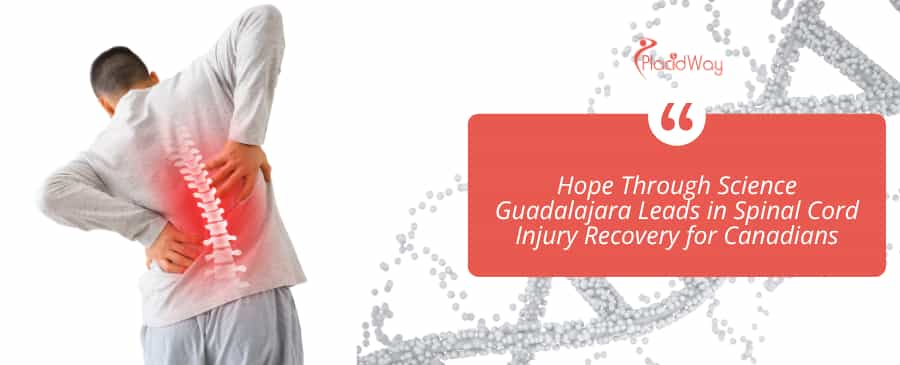
Navigating life after a spinal cord injury presents immense physical and emotional challenges, often compounded by long waitlists for specialized rehabilitation in the Canadian healthcare system. Today, many Canadians are looking toward medical tourism in Mexico as a viable alternative for accessing cutting-edge neuro-restorative treatments. Guadalajara has emerged as a premier hub, combining high-tech medical infrastructure with specialized expertise that focuses on functional independence.
International patients typically find that spinal cord injury treatment in Guadalajara offers a multidisciplinary approach that is often difficult to access quickly at home. By integrating regenerative medicine with intensive physical therapy, these programs aim to address the complex needs of patients with both complete and incomplete injuries. This proactive strategy is designed to maximize the "window of neuroplasticity," giving the nervous system the best possible environment for potential recovery.
Why Canadians Seek Spinal Cord Injury Treatment in Guadalajara
The decision to travel for medical care in Guadalajara is frequently driven by the desire for early intervention and access to therapies not yet widely available in North American public systems. While Canada provides excellent acute care, the long-term specialized neuro-rehabilitation for Canadians can sometimes be limited by resource allocation. In contrast, Mexico's private healthcare sector provides immediate access to world-class specialists and intensive therapy modules.
Furthermore, the cultural proximity and ease of travel make Guadalajara an attractive destination. With direct flights from major Canadian hubs and a medical community that is largely bilingual, patients can feel more comfortable navigating their recovery journey. The emphasis on personalized spinal cord care ensures that every protocol is tailored to the specific level and severity of the patient's injury, fostering a supportive environment for long-term health.
Innovative Spinal Cord Injury Procedures in Guadalajara
The therapeutic landscape in Mexico is characterized by a "triple-threat" approach: regenerative medicine, advanced robotics, and traditional intensive physiotherapy. One of the most sought-after protocols involves stem cell therapy for spinal cord injury, which typically utilizes mesenchymal stem cells to reduce inflammation and promote a healing environment. These cells are generally administered via intrathecal or intravenous routes to target the site of damage effectively.
Beyond cellular therapies, cutting-edge neuro-rehabilitation in the city often utilizes robotic systems like the Lokomat, which provides automated gait training. This technology helps retrain the brain-body connection by simulating walking patterns, even for patients with significant motor deficits. Combined with functional electrical stimulation (FES), these procedures aim to "re-wake" dormant neural pathways and strengthen the muscles required for daily living.
- Autologous/Allogeneic Stem Cell Infusion: Focused on neuro-protection and potential axonal repair.
- Robotic Gait Training: High-repetition movement therapy to encourage neuroplasticity.
- Intrathecal Administration: Direct delivery of therapy into the cerebrospinal fluid.
- Hyperbaric Oxygen Therapy (HBOT): Often used as an adjunct to increase oxygen delivery to injured tissues.
Comparing Spinal Cord Injury Cost in Guadalajara
Understanding the spinal cord injury treatment cost in Mexico is vital for Canadian families planning their medical travel. Private intensive rehabilitation in Canada or the United States can cost upwards of $2,000 to $5,000 per day, which quickly becomes unsustainable for long-term recovery. Guadalajara offers a transparent, bundled approach where patients can receive a month of high-level care for the price of one week elsewhere.
The financial advantage does not come at the expense of quality. Lower operational costs and a competitive medical tourism market in Mexico allow clinics to offer state-of-the-art facilities at a fraction of the North American price. Most packages are all-inclusive of medical fees, diagnostics, and therapy sessions, providing families with a clear budget for their journey.
| Procedure Name | Average Cost in Guadalajara | Private Cost in Canada/US |
|---|---|---|
| Regenerative Cell Therapy (Full Course) | $15,000 - $25,000 USD | $50,000 - $80,000+ USD |
| Intensive Neuro-Rehabilitation (4 Weeks) | $8,000 - $12,000 USD | $25,000 - $45,000 USD |
| Diagnostic Imaging & Neurology Consults | $1,500 - $3,000 USD | $5,000 - $8,000 USD |
Top-Tier Spinal Cord Injury Clinics in Guadalajara
When selecting spinal cord treatment facilities in Mexico, Canadian patients should look for institutions that prioritize international standards. Many of Guadalajara's leading hospitals are accredited by the Mexican General Health Council, which mirrors the rigorous standards of the Joint Commission International (JCI). These facilities often feature specialized "spine centers" that bring together neurosurgeons, physiatrists, and physical therapists under one roof.
Technology is a major differentiator for rehabilitation centers in Guadalajara. High-resolution MRI scanners (3 Tesla) and advanced electrophysiology labs allow for precise monitoring of nerve signals. By choosing a clinic with a track record of treating international patients, Canadians can ensure they are receiving care from a team experienced in the logistics of medical travel for SCI, including coordination with home-based doctors for follow-up care.
Qualified Spinal Cord Injury Specialists in Guadalajara
The medical community in Guadalajara is home to some of the most highly trained neurosurgeons and physiatrists in Mexico. Many of these specialists have completed their fellowships or advanced training in the United States, Canada, or Europe, ensuring they are well-versed in global neurological protocols. This international exposure is particularly important for Canadians who want to ensure their treatment aligns with the standards they expect at home.
Communication is rarely an issue, as the top spinal cord specialists in Guadalajara catering to international patients are typically fluent in English. They focus on a collaborative model, involving the patient and their family in every step of the decision-making process. This transparency is essential for establishing the trust required for a complex recovery journey involving advanced neuro-restoration.
Case Summary: Mark S. from Vancouver
"After my T10 injury, I felt stuck in Canada's waitlist system. Traveling to Guadalajara gave me access to intensive robotic therapy and cell-based protocols within three weeks. The team spoke perfect English and treated me like family. I've regained significant core stability that allows me to transfer much easier now."
Understanding the Risks of Spinal Cord Procedures
While medical tourism in Guadalajara offers hope, it is crucial for patients to have a realistic understanding of the risks of spinal surgery and regenerative treatments. Like any medical intervention, there are potential complications such as infection, adverse reactions to cell infusions, or temporary increases in spasticity. Strict adherence to sterile protocols and choosing accredited facilities are the best ways to mitigate these risks.
Patients should also be aware of contraindications for stem cell therapy, which may include active infections, certain types of cancer, or severe unmanaged cardiovascular disease. A thorough pre-operative screening is always performed in Guadalajara to ensure that the patient is a safe candidate for the proposed spinal cord injury protocol. It is important to remember that medical outcomes can never be guaranteed, and results generally vary based on the individual's unique condition.
Beware of any clinic that guarantees 100% recovery or walking after a complete spinal cord injury. Reputable Mexican clinics focus on functional improvement and quality of life, not "miracle" cures.
Eligibility and Candidacy for Spinal Cord Treatment
Determining who is a candidate for spinal recovery in Mexico requires a detailed review of medical records, including recent MRI or CT scans and neurological assessments (ASIA scale). Generally, patients with both complete and incomplete injuries may benefit, though the goals of therapy will differ. Early intervention—typically within the first two years post-injury—is generally considered the "sweet spot" for maximizing regenerative potential.
However, chronic patients (those injured for 5+ years) are not excluded. For these individuals, specialized neuro-rehabilitation focuses on managing secondary complications like muscle atrophy, bone density loss, and neuropathic pain. The medical team in Guadalajara will typically perform a "baseline" assessment upon arrival to calibrate the personalized SCI recovery plan to the patient's current functional level.
Successful Recovery Outcomes in Guadalajara
Success in spinal cord injury recovery is often measured in "small wins" that lead to significant increases in independence. For many Canadians, this means regaining enough upper body strength to use a manual wheelchair, improving bowel/bladder sensation, or reducing reliance on pain medications. Patient success stories in Mexico frequently highlight these functional milestones as life-changing breakthroughs.
The city's focus on multidisciplinary SCI care ensures that progress is monitored across various domains. Physical therapists work alongside nutritionists and psychologists to ensure the patient's body and mind are optimized for healing. While the primary goal of stem cell therapy for Canadians is neuro-regeneration, the holistic support provided in Guadalajara is often what cements long-term success.
Case Summary: Sarah L. from Calgary
"I went to Guadalajara for an incomplete C6 injury. After three weeks of intensive therapy and targeted injections, I noticed a return of sensation in my lower extremities. It wasn't a 'cure,' but it gave me the boost I needed to continue my journey with more hope than I had in years."
The Patient Journey for Medical Travel to Mexico
The medical tourism process for Canadians is designed to be as seamless as possible. It starts with a remote evaluation, where Mexican specialists review your Canadian medical records. Once cleared, a dedicated coordinator assists with the logistics of traveling with a disability, ensuring that transportation from the airport to the clinic is fully accessible and comfortable.
Once in Guadalajara, the SCI treatment timeline usually spans three to four weeks. The first few days are dedicated to intensive diagnostics and the primary procedure (such as cell infusion). This is followed by daily, multi-hour sessions of specialized neuro-rehabilitation. This immersive environment allows patients to focus entirely on their recovery without the distractions or delays often found in traditional outpatient settings.
Guadalajara’s Standards of Healthcare and Safety
Safety is a top priority for any Canadian considering healthcare in Guadalajara. The city’s private hospitals often exceed local regulations, investing heavily in state-of-the-art operating theaters and infection control systems. For spinal cord injury patients, this means receiving care in environments that are sterile, modern, and staffed by highly trained nursing teams familiar with the specific needs of paralyzed patients.
Beyond clinical safety, the "Medical Zone" of Guadalajara is well-developed for international visitors. Security, accessibility, and high-quality amenities are the norm. By choosing reputable SCI clinics in Mexico, patients benefit from a curated experience where their safety and comfort are managed from arrival to departure, allowing them to focus solely on their neurological recovery.
Post-Treatment Care and Long-Term Follow-up
Recovery does not end when the flight home lands in Canada. Effective long-term spinal cord care requires a bridge between the Mexican specialists and the patient's local healthcare team. Leading clinics in Guadalajara provide comprehensive discharge summaries, including detailed physical therapy protocols that can be continued at Canadian rehabilitation centers.
Remote monitoring is also becoming a standard part of medical travel for SCI. Many specialists offer follow-up video consultations to track progress and adjust home-care instructions. This ongoing support is vital for maintaining the gains made during the intensive phase in Guadalajara and ensuring the regenerative recovery process continues to yield benefits months after the initial treatment.
How PlacidWay Supports Your Recovery Journey
Navigating international healthcare can be daunting, but PlacidWay serves as a trusted partner for Canadians exploring spinal cord injury options in Guadalajara. The platform simplifies the search process by vetting facilities and providing transparent information on pricing and specialist qualifications. This enables patients to make informed decisions backed by data and peer reviews.
The value-based assistance provided by PlacidWay includes:
- Access to a global network of accredited spinal cord injury clinics.
- Facilitating direct communication with top Mexican neuro-specialists.
- Providing transparent, all-inclusive SCI treatment packages.
- Assisting with the secure transfer of medical records for evaluation.
- Offering a wealth of educational resources on regenerative medicine for Canadians.
Frequently Asked Questions About SCI in Guadalajara
Yes, Guadalajara's private hospitals follow international patient safety protocols and are staffed by specialists who often have North American training.
Patients typically save between 50% and 70% compared to private care costs in Canada or the United States.
While opinions vary, providing your doctor with the accredited clinic's protocol often helps in coordinating post-travel follow-up care.
Canadians do not need a visa for stays under 180 days; your passport and the standard FMM form are sufficient.
A stay of 21 to 28 days is generally recommended to maximize the benefits of the intensive rehabilitation phase.
Treatments follow COFEPRIS (Mexico's regulatory body) guidelines, which may differ from Health Canada or FDA standards, allowing for advanced regenerative options.
Medical hubs and partnered hotels in Guadalajara are highly accessible, though general city streets may vary in navigability.
Absolutely; most clinics encourage having a companion, and packages are often designed to accommodate one accompanying person.
Most clinics accept major credit cards, wire transfers, and some may offer financing options through third-party medical lenders.
Accredited hospitals in Guadalajara have full ICU and emergency capabilities to manage any immediate medical complications professionally.
Mayo Clinic. (2026). Spinal cord injury - Diagnosis and treatment. https://www.mayoclinic.org/
PubMed. (2026). Advances in Regenerative Medicine for Neurological Disorders. https://pubmed.ncbi.nlm.nih.gov/
World Health Organization. (2025). Rehabilitation for Spinal Cord Injury Standards. https://www.who.int/
WebMD. (2026). Understanding Paralysis and Nerve Recovery. https://www.webmd.com/


.png)






.png)




.png)
.png)
.png)









Share this listing