

Contents
Imagine waking up, swinging your legs out of bed, and bracing for that familiar, grinding knee pain—only to realize that the waitlist for joint treatment back home in the US or Canada is longer than a winter in Alberta. For many dealing with osteoarthritis, local healthcare options often boil down to endless physical therapy, temporary steroid injections, or steep out-of-pocket costs that drain personal savings.
That is exactly why thousands of North Americans are taking a short drive across the border for stem cell therapy for osteoarthritis in Tijuana. Patients can often find treatments ranging from $3,000 to $5,000, effectively avoiding the heavy financial burden found back home. When looking at your options, making sure your chosen facility holds legitimate local credentials, specifically COFEPRIS certification, is the most crucial step for your safety and peace of mind.
Key Insights
Traveling for medical care is much simpler when your logistics are handled directly by your chosen clinic. Many facilities bundle their treatments into comprehensive packages that take the stress out of planning and budgeting. These often include your medical consultations, the stem cell injections, and post-procedure follow-ups.
Often, packages also cover ground transfers from the San Diego airport and local hotel accommodations during your stay. Reviewing these bundles helps you understand exactly what you are paying for before you travel. Compare the different packages listed below to see which clinic offers the most convenient and transparent options for your trip.

Price starting from $4,599
Stem Cell Therapy for Osteoarthritis Packages in Tijuana, Mexico by CellsTime Clinique
CellsTime Clinique Tijuana
- Stem Cell Therapy
Tijuana, Mexico
Navigating the financial side of joint treatments should not feel like a guessing game. In Tijuana, stem cell therapy for osteoarthritis generally ranges from $3,000 to $5,000, depending on the specific protocol and the number of joints being treated. This pricing is highly competitive compared to the much higher out-of-pocket costs often seen in the US or Canada.
It is important to ask what is included in these estimates, such as pre-treatment imaging, the cellular product, and follow-up care. Please review the cost breakdowns below to compare pricing and find an option that matches your budget.
Stem Cell Therapy for Osteoarthritis Centers Cost Comparison in Tijuana, Mexico
| Provider | Procedure | Price |
|---|---|---|
| CellsTime Clinique Tijuana | Stem Cell Therapy for Osteoarthritis, Stem Cell Therapy | $4599 |
Stem Cell Therapy for Osteoarthritis Cost Comparison in Mexico
| Country | Procedure | Price |
|---|---|---|
| United States | Stem Cell Therapy for Osteoarthritis, Stem Cell Therapy | $35000 |
Choosing where to receive regenerative medicine requires careful research, not just a quick glance at a beautifully designed website. The most reliable clinics operate under strict local guidelines and transparently display their operational licenses. You should specifically look for facilities certified by COFEPRIS, which is the regulatory body for healthcare in Mexico.
A legitimate clinic will openly share their lab sourcing, cell processing methods, and medical protocols during your initial consultation. Take the time to compare the certified clinics listed below to evaluate their credentials, check their local licenses, and find a secure, professional environment for your treatment.

Stem Health | Leading Stem Cell Clinic in Tijuana, Mexico
Tijuana, Mexico
CellsTime Clinique Tijuana
Tijuana, Mexico
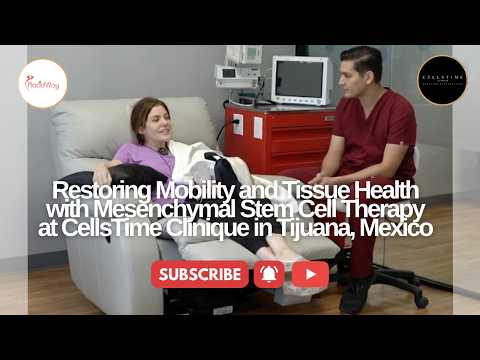
Sometimes, seeing the process with your own eyes is the best way to understand what to expect. Video resources offer a transparent look inside the treatment rooms, showing you the facility's hygiene standards and modern medical technology. They also allow you to hear directly from doctors as they explain the injection process.
Watching these walkthroughs can help alleviate travel anxiety and build realistic expectations about your upcoming care. Take a moment to watch and compare the videos below to get a clearer picture of the facilities and the overall patient experience.
Hearing from people who have already made the journey can be incredibly reassuring when you are planning medical travel. Patient testimonials provide a window into the real-world experience, from crossing the border to the bedside manner of the medical staff. Reading about how others navigated their osteoarthritis treatment helps you gauge the quality of care.
These stories also shed light on post-treatment follow-up and the clinic's responsiveness. Browse the patient reviews below to compare their firsthand experiences and decide which facility aligns with your personal expectations.

When considering traveling to Tijuana for regenerative medicine, it is completely normal to have questions about safety, logistics, and the procedure itself. Below are some of the most common questions patients ask when planning their trip.
Is stem cell therapy for osteoarthritis safe in Tijuana?
Yes, when you choose a reputable clinic that is strictly regulated by COFEPRIS, the Mexican health authority. Certified clinics follow strict laboratory protocols and hygiene standards similar to those in the US and Canada.
How do I cross the border for treatment in Tijuana?
Most patients fly into San Diego International Airport. From there, it is a short drive to the border. Many clinics offer dedicated shuttle services and provide access to a medical fast-pass lane for a quicker return trip to the US.
What type of stem cells are used for osteoarthritis?
Clinics in Mexico typically use mesenchymal stem cells (MSCs). Depending on the clinic's protocol, these can be autologous (harvested from your own body fat or bone marrow) or allogeneic (ethically sourced from umbilical cord tissue).
How long does the injection procedure take?
The procedure itself is usually an outpatient process that takes only a few hours. This includes preparation, the administration of the cells directly into the affected joint, and a brief observation period afterward.
Do medical staff in Tijuana clinics speak English?
Yes. Because Tijuana caters heavily to international patients, the doctors, nurses, and administrative staff at certified medical tourism clinics are fully bilingual in English and Spanish.
What is the typical recovery time after joint therapy?
Downtime is generally minimal. Patients are advised to rest the treated joint for a few days and avoid strenuous activity for a few weeks, though normal daily walking is usually fine immediately after.
Will I need multiple sessions to see results?
This depends on the severity of your osteoarthritis and your doctor's specific protocol. Many patients only need one comprehensive treatment, while others may require a follow-up booster after several months.
How do I verify a clinic's credentials before traveling?
You should ask the clinic to provide their COFEPRIS license number. You can also ask about the board certifications of the attending physicians and request information regarding where their cellular products are processed.
Can I fly home the same day as my procedure?
While it is medically possible for some simple injections, most clinics highly recommend staying in a local hotel for at least one or two nights to ensure proper rest and attend any next-day follow-up appointments.
Are the stem cell labs in Mexico regulated?
Yes, legal cell processing labs must meet rigorous health and safety standards set by the Mexican government. Always ensure your chosen clinic uses a fully licensed and regulated laboratory.
How Much Does Stem Cell Treatment for Osteoarthritis in Tijuana, Mexico?
The estimated stem cell treatment cost in Tijuana, Mexico for osteoarthritis typically ranges from $3,500 to $8,000 per joint. Prices vary based on the type of stem cells used, treatment complexity, and specific clinic protocols. Dealing with chronic joint pain can heavily impact your daily life, and many patients explore alternative options when conservative therapies fall short. If you are considering stem cell treatment for osteoarthritis in Tijuana, Mexico, understanding the financial investment is often the first step in planning your care. As the field of regenerative medicine evolves, an increasing number of individuals cross the border seeking access to therapies that may help manage joint inflammation and improve mobility. Key Takeaways The average price for joint therapies in Tijuana is between $3,500 and $8,000, depending largely on cell sourcing. Mesenchymal stem cells (MSCs) derived from umbilical cord tissue are commonly used in Mexico due to supportive local regulations. Stem cell therapy is not a guaranteed cure for arthritis; results vary significantly from person to person. Appropriate patient selection requires a thorough medical evaluation by a qualified healthcare professional. Patients should only consult facilities that hold valid operating licenses from COFEPRIS, Mexico’s health regulatory body. 1. What determines the cost of stem cell therapy for osteoarthritis in Tijuana? The final price of your procedure depends heavily on the source of the stem cells, the number of joints being treated, and the specific diagnostic tests required before your injections. When you request pricing from a stem cell clinic in Tijuana, Mexico, the quote you receive is rarely a one-size-fits-all number. The largest cost variable is the type and quantity of cells utilized. Autologous treatments—where cells are extracted from your own fat tissue or bone marrow—tend to be priced differently than allogeneic treatments, which use lab-expanded umbilical cord tissue. Additionally, the complexity of your specific osteoarthritis case influences the total fee. Treating a single knee will cost less than treating both knees or a complex joint like the hip. Many clinics offer package pricing that may cover initial blood work, imaging like X-rays or MRIs, the injection procedure, and occasionally ground transportation from the border. It is highly recommended to ask for a detailed breakdown of what is included to avoid unexpected out-of-pocket expenses. 2. How does the price in Tijuana compare to the US and Canada? Patients traveling to Tijuana often find prices that are 40% to 60% lower than comparable regenerative therapies offered in the United States or Canada. In the US, patients often face high out-of-pocket costs for regenerative medicine because most insurance plans view these therapies as experimental and do not cover them. Depending on the clinic and the city, similar therapies in North America can easily range from $6,000 to over $15,000 per joint. The lower operational costs, reduced administrative overhead, and different regulatory frameworks in Mexico contribute to the more accessible pricing structure. This price disparity is a primary driver for the growth of medical tourism in Tijuana, Mexico. However, patients must weigh the financial savings against the costs of travel, lodging, and the necessity of managing follow-up care once they return home. 3. What types of stem cells are used for joint treatments in Mexico? Doctors primarily utilize either autologous stem cells derived from your own body or allogeneic mesenchymal stem cells (MSCs) sourced from donated umbilical cord tissue. Mexican health regulations allow for the expansion of mesenchymal stem cells in a laboratory setting—a practice heavily restricted by the FDA in the United States. Because of this, many Tijuana facilities specialize in umbilical cord-derived MSCs. These cells are valued because they are highly proliferative and do not require the patient to undergo a minor surgical extraction procedure. Alternatively, autologous therapies involve extracting your own cells, typically through a mini-liposuction procedure to gather adipose (fat) tissue or a bone marrow aspiration from the hip bone. The extracted tissue is processed in a centrifuge to isolate the regenerative cells, which are then injected into the arthritic joint. Your doctor will suggest the cell type that best aligns with your medical history and specific joint condition. Important Consideration Regardless of the cell type used, current medical evidence indicates that stem cells act primarily by reducing inflammation and altering the immune response within the joint, rather than fully regrowing lost cartilage. 4. Am I a suitable candidate for stem cell injections for osteoarthritis? Ideal candidates are typically individuals with mild to moderate osteoarthritis who have not found sufficient relief from conservative treatments like physical therapy or corticosteroid injections. Eligibility can only be determined through a personalized evaluation by a qualified physician. Medical professionals will review your current X-rays or MRI scans, your medical history, and a list of your current medications. Conditions such as active infections, certain autoimmune diseases, or recent cancer treatments may disqualify you from receiving this therapy. Patients with end-stage (bone-on-bone) osteoarthritis often experience less favorable results. When the cartilage is entirely worn away and there is severe joint deformity, structural correction via joint replacement surgery is frequently the more appropriate path. The goal of stem cell therapy is to manage symptoms and potentially delay surgical interventions in suitable patients. 5. How is the stem cell procedure performed for arthritic joints? The treatment is typically a minimally invasive outpatient procedure where processed cells are injected directly into the joint capsule under imaging guidance. If you are receiving autologous cells, the process begins with the harvesting of your bone marrow or fat tissue under local anesthesia. The tissue is then rapidly processed on-site. If you are receiving umbilical cord cells, the preparation time is much shorter as the cells are already prepared and thawed by the laboratory staff. The actual administration involves an intra-articular injection into the knee, hip, shoulder, or affected joint. Reputable doctors often use ultrasound or fluoroscopic (X-ray) guidance to ensure the needle is positioned exactly within the joint space. The entire visit normally takes a few hours, allowing patients to rest and return to their hotel the same day. 6. What should I expect during recovery and when will I see results? Recovery involves a few days of joint rest followed by a gradual return to activity, with potential symptomatic improvements often taking several weeks to months to become noticeable. After the injection, it is normal to experience temporary swelling, stiffness, and localized pain at the injection site for a few days. Physicians generally advise against strenuous activities or heavy lifting for several weeks to give the joint a conducive environment for healing. You may be prescribed mild pain relievers, but anti-inflammatory medications (NSAIDs) are often restricted as they can interfere with the cell activity. Results are not immediate. Because biological therapies take time to modulate inflammation and interact with joint tissues, patients typically start noticing subtle improvements in pain and mobility around the four-to-eight-week mark. Some patients continue to see gradual improvements for up to six months. You should have a plan for follow-up care with your local physician at home to monitor your progress. 7. Are stem cell treatments for osteoarthritis safe in Tijuana? While intra-articular injections are generally considered safe in clinical settings, all medical procedures carry inherent risks, including infection, bleeding, or lack of efficacy. The safety of your procedure relies heavily on the hygiene standards of the clinic and the expertise of the medical staff. When performed correctly in a sterile environment using imaging guidance, the physical risk of the injection is similar to a standard corticosteroid or hyaluronic acid injection. However, using unverified cellular products carries a risk of adverse immune reactions or infections. To mitigate risks, patients must do their due diligence. This includes researching the doctor’s credentials, confirming the sterility of the lab producing the cells, and understanding the facility's emergency protocols. If you develop severe pain, high fever, or significant joint swelling after returning home, you must seek immediate emergency medical care in your local area. 8. How does COFEPRIS regulate stem cell clinics in Mexico? COFEPRIS is the federal health regulatory agency in Mexico responsible for overseeing medical facilities and ensuring that cellular products meet strict safety and handling standards. For a facility to legally extract, process, and administer stem cells in Mexico, it must possess specific licensing from COFEPRIS (Federal Commission for the Protection against Sanitary Risk). This includes separate licenses for ambulatory surgery, an onsite pharmacy, and a specialized regenerative medicine or blood bank permit if they handle cellular material. As a prospective patient, you have the right to request proof of these licenses during your consultation. Reputable centers are transparent about their regulatory compliance. Laboratories providing allogeneic cells must also adhere to strict donor screening protocols to prevent the transmission of infectious diseases. Adherence to these regulations is a crucial marker of a facility's commitment to patient safety. 9. Can stem cell therapy replace knee or hip replacement surgery? Stem cell therapy is a non-surgical alternative aimed at symptom management; it cannot mechanically repair advanced structural damage or reliably replace the need for joint arthroplasty in severe cases. It is crucial to set realistic expectations. There is currently no robust clinical consensus proving that stem cells can regenerate entirely depleted cartilage to a youthful state. If a patient is already a prime candidate for a total knee or hip replacement due to severe bone-on-bone arthritis, biological injections may only offer temporary or minimal relief. For many, the goal of this therapy is to reduce daily pain, improve joint function, decrease reliance on oral painkillers, and delay the need for invasive surgery. Always discuss the realistic outcomes, alternatives, and limitations with an orthopedic specialist before making a financial and medical commitment. 10. How should I prepare for medical travel to Tijuana for joint therapy? Preparation involves organizing comprehensive medical records, securing valid travel documents, and coordinating with a companion who can assist you post-procedure. Medical Records: Gather your recent X-rays, MRI reports, and medical history. Clinics need these to assess your eligibility accurately. Travel Documents: Ensure your passport is up to date, as you will need it to re-enter your home country. Medication Review: Discuss all current medications with your providing doctor, as some anti-inflammatory drugs or blood thinners may need to be paused prior to the injection. Travel Companion: While the procedure is outpatient, having someone to help carry luggage and navigate travel while your joint is recovering is highly beneficial. Aftercare Plan: Schedule a follow-up appointment with your local general practitioner or rheumatologist for shortly after your return home. Why Choose PlacidWay for Medical Tourism in Tijuana, Mexico? Navigating healthcare options abroad requires reliable information and clear communication. PlacidWay helps patients connect with medical facilities across the globe by offering: Extensive Facility Network: Access a broad directory of international clinics that offer various regenerative therapies. Educational Resources: Review informational guides, provider profiles, and detailed descriptions of available procedures to help you learn about your options. Cost Transparency: Compare estimated pricing structures from multiple centers to find choices that align with your financial situation. Direct Communication: Facilitated introductory contact between you and the medical coordinators at the facilities of your choice. Patient Support Services: A dedicated customer service team available to answer questions on how to navigate the information provided on the platform. Frequently Asked Questions Does insurance cover stem cell therapy in Tijuana? Most US and Canadian health insurance providers do not cover stem cell treatments for osteoarthritis, whether performed domestically or internationally, as it is largely considered elective or investigational. Patients typically pay out of pocket. Do I need a passport to travel to Tijuana for medical treatment? Yes, international patients traveling from the United States or Canada must have a valid passport to cross the border into Mexico and return to their home country. How long do the effects of stem cell injections for osteoarthritis last? The duration of relief varies by patient. Some individuals report reduced pain and improved mobility for 12 to 24 months, while others may require earlier follow-up treatments or experience limited benefits. Can I get multiple joints treated at the same time in Mexico? Yes, many clinics can treat bilateral joints (like both knees) during the same visit. This usually increases the total cost but can be more convenient than scheduling separate trips. Are umbilical cord stem cells used in Tijuana ethically sourced? Regulated clinics source umbilical cord mesenchymal stem cells (UC-MSCs) from healthy, full-term pregnancies with the mother's informed consent, following strict infectious disease screening protocols. How soon can I fly home after knee stem cell injections? Many patients can travel home within 24 to 48 hours after a standard intra-articular joint injection. However, you should discuss specific post-procedure travel restrictions with your treating physician. What are the main contraindications for this treatment? Common contraindications include active systemic infections, active cancer, severe bleeding disorders, or end-stage osteoarthritis where there is complete bone-on-bone friction with severe joint deformity. Will I need physical therapy after the procedure? While not strictly mandatory, structured physical therapy after a brief period of rest is frequently recommended by doctors to help strengthen the surrounding muscles and support joint recovery. Does the quoted price usually include post-treatment consultations? Inclusions vary by facility. Some comprehensive packages include virtual follow-up consultations for a few months, while others charge separately for follow-up care or require you to consult with your local doctor. Are English-speaking medical staff common in Tijuana clinics? Yes, because Tijuana caters extensively to international patients, most doctors and medical coordinators at established facilities are bilingual and communicate effectively in English. Compare Treatment Options Explore facilities, review estimated costs, and gather the information you need to make an informed decision about your joint care. Request Treatment Information References FDA Warns About Stem Cell Therapies – U.S. Food and Drug Administration Medical Tourism Guidelines – Centers for Disease Control and Prevention Stem Cell Therapy for Arthritis – Arthritis Foundation Mesenchymal Stem Cells for Osteoarthritis: Efficacy and Safety – National Institutes of Health (PubMed) Treatments for Osteoarthritis – Osteoarthritis Research Society International Stem cells: What they are and what they do – Mayo Clinic Medical Disclaimer: The information provided in this article is for educational and informational purposes only and does not constitute medical advice. Stem cell treatments for osteoarthritis are largely considered investigational, and results can vary significantly from patient to patient. This content is not intended to diagnose, treat, cure, or prevent any disease. Always consult with a qualified, board-certified healthcare provider to evaluate your medical history and determine if this or any treatment is suitable for your specific condition.
Which are the Best Clinics for Stem Cell Therapy for Osteoarthritis in Mexico?
When searching for the best facilities for stem cell therapy for osteoarthritis in Mexico, focus on COFEPRIS-approved clinics. Top-rated centers prioritize safety, use board-certified specialists, and adhere to strict regenerative medicine protocols rather than making guaranteed promises. Key Takeaways Verify that any prospective facility holds specific COFEPRIS licenses for regenerative medicine and cellular handling. Treatments aim to reduce joint inflammation and improve mobility, but they are not a guaranteed cure for degenerative joint disease. Reputable centers use ultrasound or fluoroscopic guidance to ensure precise delivery into the joint capsule. Patients should undergo a thorough medical evaluation, including MRI reviews, to confirm they are suitable candidates. Proper aftercare and realistic expectations are essential for long-term joint health. What is stem cell therapy for osteoarthritis? This therapy involves injecting mesenchymal stem cells (MSCs) directly into an arthritic joint. The goal is to reduce chronic inflammation, modulate the immune response, and potentially stimulate the body's natural healing mechanisms. Osteoarthritis occurs when the protective cartilage that cushions the ends of your bones wears down over time. This degenerative process leads to pain, stiffness, and reduced mobility, most commonly affecting the knees, hips, shoulders, and hands. Traditional management typically involves nonsteroidal anti-inflammatory drugs (NSAIDs), physical therapy, corticosteroid injections, and eventually joint replacement surgery. Regenerative medicine introduces a different approach. Instead of simply masking pain or replacing the joint with synthetic materials, biologic therapies aim to alter the microenvironment of the damaged joint. Mesenchymal stem cells secrete various growth factors and anti-inflammatory cytokines. While the idea of growing entirely new cartilage in a severely degenerated joint is highly unlikely, many patients experience significant improvements in pain and function because the therapy addresses the underlying cellular inflammation. Important Consideration: Biologic treatments are classified as investigational by many global health authorities. Outcomes vary widely depending on age, weight, activity level, and the specific stage of joint degeneration. How much does this procedure cost? Estimates for stem cell therapy cost in Mexico typically range from $3,000 to $8,000 per treated joint. This variation depends heavily on the cell source, cell count, and the complexity of the specific medical protocol. Pricing for regenerative treatments is rarely standardized because treatment plans are highly customized to the individual patient. If a facility requires you to undergo bone marrow extraction, the cost must factor in an operating room, an anesthesiologist, and specialized laboratory processing. Alternatively, if a clinic utilizes laboratory-expanded allogeneic cells (such as those from umbilical cord tissue), the pricing reflects the rigorous screening, processing, and expansion of those biologics. When reviewing a stem cell clinic in Mexico, you should always ask for an itemized estimate. A comprehensive quote should include the initial medical consultation, the biologics themselves (with specific cell counts), the facility fees, the physician's fees, and any necessary imaging guidance like ultrasound. Beware of exceptionally low prices, as they often indicate compromised laboratory standards, low cell viability, or the use of simple PRP (Platelet-Rich Plasma) disguised as a stem cell procedure. What types of stem cells are used for joint treatments? Clinics generally utilize either autologous cells, which are harvested from your own body, or allogeneic cells, which are ethically sourced from donated human tissue such as umbilical cords. Autologous treatments are the most traditional form of regenerative joint therapy. A medical professional extracts cells from your own bone marrow (usually from the hip) or adipose (fat) tissue. These samples are centrifuged to isolate the regenerative cells and reinjected into the affected joint during the same visit. The primary benefit is safety, as there is zero risk of your body rejecting its own tissue. However, the quality and quantity of your own cells decline as you age, which can limit the effectiveness of the treatment in older patients. Allogeneic treatments, specifically Mesenchymal Stem Cells (MSCs) derived from Wharton's Jelly in umbilical cord tissue, are increasingly common. These cells are harvested from healthy, full-term, consenting cesarean section births. The tissue undergoes strict virology screening before being processed in a sterile laboratory. Because these cells are very young, they replicate efficiently and produce high levels of anti-inflammatory proteins. Furthermore, MSCs are immune-privileged, meaning they rarely trigger a rejection response from the patient's immune system. How do I know if a facility is safe and regulated? A reputable facility will proudly display its COFEPRIS licensing, maintain on-site or partnered clean-room laboratories, and staff board-certified medical specialists rather than just general practitioners or sales representatives. Patient safety must always be the primary concern when traveling abroad for medical care. The Mexican equivalent of the FDA is COFEPRIS. For a facility to legally harvest, process, and administer cellular therapies, they must hold specific advanced medical licenses. A standard medical clinic license is not sufficient for regenerative medicine. When evaluating options, look for the following safety indicators: Specialist Administration: Injections should be performed by an orthopedic surgeon, a rheumatologist, or a pain management specialist with specific training in intra-articular injections. Image Guidance: The facility must use ultrasound or fluoroscopy to ensure the biologic material is accurately placed inside the joint capsule. Transparent Sourcing: If using allogeneic cells, the clinic should provide documented proof of infectious disease screening and cell viability reports. Sterile Environments: Procedures should take place in highly sanitized, clinical environments to minimize any risk of joint infection. Am I a good candidate for osteoarthritis stem cell injections? Ideal candidates are typically those suffering from mild to moderate osteoarthritis who have not found relief through conservative treatments but wish to delay or avoid invasive joint replacement surgery. Not everyone will benefit from regenerative joint injections. If you have severe, end-stage "bone-on-bone" osteoarthritis where the joint space has completely collapsed and significant bone spurs have formed, stem cells cannot reverse this structural damage. In such advanced cases, a total joint arthroplasty (replacement) is often the most reliable path to restoring function and eliminating pain. Furthermore, responsible medical teams will screen out patients with certain contraindications. Individuals with active systemic infections, active cancer, severe blood disorders, or certain autoimmune diseases are generally not eligible for these protocols. A thorough review of your medical history, current medications, and recent MRI imaging is mandatory before any ethical doctor will approve you for treatment. What does the procedure for knees and joints involve? The procedure is usually minimally invasive, performed on an outpatient basis. It involves preparing the biologics and carefully injecting them into the targeted joint using precise imaging guidance. If you are receiving an autologous treatment, the day begins with the extraction process. You will receive local anesthesia, and a physician will extract bone marrow from your iliac crest or harvest adipose tissue from your abdomen. While the medical team processes these cells in a centrifuge—a process that takes a few hours—you will rest comfortably in the clinic. If you are receiving allogeneic cultured cells, the extraction step is bypassed. The medical team will thaw and prepare the previously screened cells just before your appointment. During the injection phase, the treatment area is sterilized and numbed with a local anesthetic. Using a real-time ultrasound monitor, the specialist guides a fine needle directly into the damaged joint cavity to ensure the cells are deposited exactly where the inflammation is most active. The injection itself takes only a few minutes, after which a small bandage is applied. How long does it take to see results after stem cell therapy? Results are not immediate. Most patients begin to notice a gradual reduction in pain and stiffness between four to eight weeks post-injection, with ongoing improvements continuing for up to six months. Biological healing requires time. In the first few days following the injection, it is perfectly normal to experience a temporary increase in joint stiffness, mild swelling, and localized discomfort. This happens because the injection stimulates an acute, temporary inflammatory response as the body reacts to the new cellular material and begins the remodeling process. During the first few weeks, you will likely be advised to avoid strenuous physical activity, heavy lifting, or high-impact exercises like running. Gentle mobility exercises and specific physical therapy protocols are highly encouraged to promote blood flow and maintain joint range of motion without overloading the healing tissue. Individual outcomes vary greatly; some patients enjoy years of reduced pain, while others may require booster treatments down the line. What are the potential risks and side effects? While minimally invasive, joint injections carry risks such as injection site pain, temporary swelling, bleeding, and a small risk of joint infection. Any medical procedure that breaches the skin carries a baseline risk of infection. While rare when performed in a sterile clinical environment, septic arthritis (an infection deep inside the joint) is a serious complication that requires immediate medical intervention, usually with systemic antibiotics. This underscores the necessity of choosing a highly regulated, thoroughly sanitized medical facility. With autologous treatments, there are additional risks associated with the harvesting site, such as prolonged pain or bruising at the bone marrow extraction point. When utilizing umbilical cord-derived MSCs, adverse immune reactions or graft-versus-host disease are clinically documented as extremely rare, but the risk can never be stated as zero. You must have a clear plan for post-treatment monitoring once you return to your home country, and you should always inform your primary care physician about any overseas medical procedures. Why do patients choose medical tourism in Mexico for this therapy? Patients frequently pursue medical tourism in Mexico due to geographical proximity, specialized regulatory environments allowing for expanded stem cell protocols, and the presence of modernized, internationally aligned healthcare facilities. In many regions, including the United States and Canada, regulatory bodies restrict the processing and expansion of stem cells. For instance, the FDA heavily regulates how cells can be manipulated in a laboratory, meaning domestic clinics often cannot culture (multiply) cells to reach the high dosages some specialists recommend for advanced osteoarthritis. Consequently, many patients travel across borders to access these specific protocols. Additionally, the lower operational costs in Latin America allow facilities to offer highly sophisticated biologic treatments at a fraction of the price compared to other global medical hubs. Cities with major international airports have developed robust healthcare infrastructures catering specifically to international patients, offering bilingual staff, modern diagnostic imaging, and comfortable recovery accommodations. However, this accessibility means patients must be diligent in their research to separate exceptional medical providers from purely commercial enterprises. Why Choose PlacidWay for Medical Tourism? Navigating international healthcare options can feel overwhelming. PlacidWay provides informative resources to help patients make educated decisions about their medical journey. Extensive Provider Network: PlacidWay connects patients with a wide directory of international clinics and hospitals, allowing you to compare various healthcare facilities in one place. Educational Resources: The platform offers detailed articles, destination guides, and procedure overviews to help patients understand different international medical landscapes. Direct Communication: Patients can use the platform to send inquiries directly to international healthcare providers, facilitating the collection of estimates and medical itineraries. Multilingual Platform: Information is accessible in multiple languages, assisting a diverse global patient base in researching their healthcare options. Transparent Pricing Models: PlacidWay enables patients to review estimated cost brackets for various procedures across different global destinations, aiding in budget planning. Frequently Asked Questions Can I fly home the same day after receiving joint injections? While many intra-articular injections are done on an outpatient basis, doctors typically recommend staying near the clinic for at least 24 to 48 hours. This allows the medical team to monitor you for any immediate adverse reactions, localized swelling, or joint stiffness before you navigate the physical stress of air travel. Is umbilical cord tissue safer than bone marrow for knee treatments? Both autologous bone marrow and allogeneic umbilical cord tissue have unique safety profiles. Umbilical cord tissue avoids the pain of a bone marrow extraction and provides robust, young cells. However, it must be rigorously screened for infectious diseases. Your specialist will determine which source is most medically appropriate for your specific joint condition. Do Mexican regenerative clinics use ultrasound guidance for joint injections? Quality facilities almost exclusively use ultrasound or fluoroscopic guidance when delivering biologic treatments into a joint space. Blind injections have a higher rate of missing the targeted joint capsule, which can significantly reduce the potential effectiveness of the procedure. Will my domestic health insurance cover regenerative treatments abroad? Currently, most health insurance providers in the United States and Canada do not cover stem cell therapies for osteoarthritis, whether performed domestically or internationally, as these treatments are largely classified as investigational. Are stem cell treatments in Mexico FDA approved? The United States FDA does not have jurisdiction in Mexico. Instead, healthcare facilities and regenerative medicine protocols in Mexico are regulated by COFEPRIS (the Federal Commission for the Protection against Sanitary Risk). You should always verify that a facility holds the appropriate COFEPRIS licenses for cellular therapy. How many million cells are typically injected for osteoarthritis? Dosage varies significantly based on the severity of the joint degeneration, the type of cells used, and the clinic's specific medical protocols. Typical protocols often range between 20 million to over 50 million mesenchymal stem cells per large joint, though research is ongoing to establish standardized dosing guidelines. Can I receive bilateral knee injections during one single visit? Yes, many patients choose to have both knees treated during the same appointment if they suffer from bilateral osteoarthritis. Treating both joints simultaneously is clinically common, though it may increase temporary post-injection soreness and mildly impact your mobility for the first few days. What is the difference between PRP and stem cell injections? Platelet-Rich Plasma (PRP) uses concentrated growth factors derived from your own blood to stimulate healing, but it does not contain live stem cells. Stem cell injections introduce actual live cellular material (MSCs) intended to modulate immune responses and promote deeper tissue repair in the joint. Do I need to bring my MRI imaging to the consultation? Yes, providing recent MRI imaging (typically less than six months old) is crucial. Plain X-rays show bone, but an MRI allows the medical team to accurately assess cartilage loss, ligament health, and meniscal damage to determine if biologic therapy is medically appropriate for your joint. What should I do if my knee swells significantly after returning home? Mild swelling is common, but severe or prolonged swelling, intense pain, or fever can indicate an infection or adverse reaction. You should immediately contact the clinic that performed the procedure and seek evaluation from a local orthopedic doctor or urgent care center in your home country. Explore Your Regenerative Therapy Options Gather the information you need to make an informed decision about joint therapy abroad. Compare clinics, review estimated costs, and connect directly with healthcare providers. Request Treatment Information References Mesenchymal Stem Cells for Osteoarthritis: Current Perspectives – National Institutes of Health (NIH) Stem Cell Therapy for Arthritis – Arthritis Foundation FDA Warns About Stem Cell Therapies (Regulatory Context) – U.S. Food and Drug Administration Osteoarthritis Fact Sheet – World Health Organization (WHO) Biologic Therapies in Orthopaedics – American Academy of Orthopaedic Surgeons (AAOS) Healthcare Regulations and Licensing in Mexico – COFEPRIS (Comisión Federal para la Protección contra Riesgos Sanitarios) Medical Disclaimer: The information provided in this article is for educational and informational purposes only and does not constitute medical advice, diagnosis, or treatment planning. Stem cell therapy for osteoarthritis is considered investigational by many health authorities, and results vary significantly by patient. Always consult with a qualified, board-certified healthcare professional in your home country before making any decisions regarding international medical travel or regenerative treatments. Outcomes are never guaranteed, and medical interventions inherently carry risks.
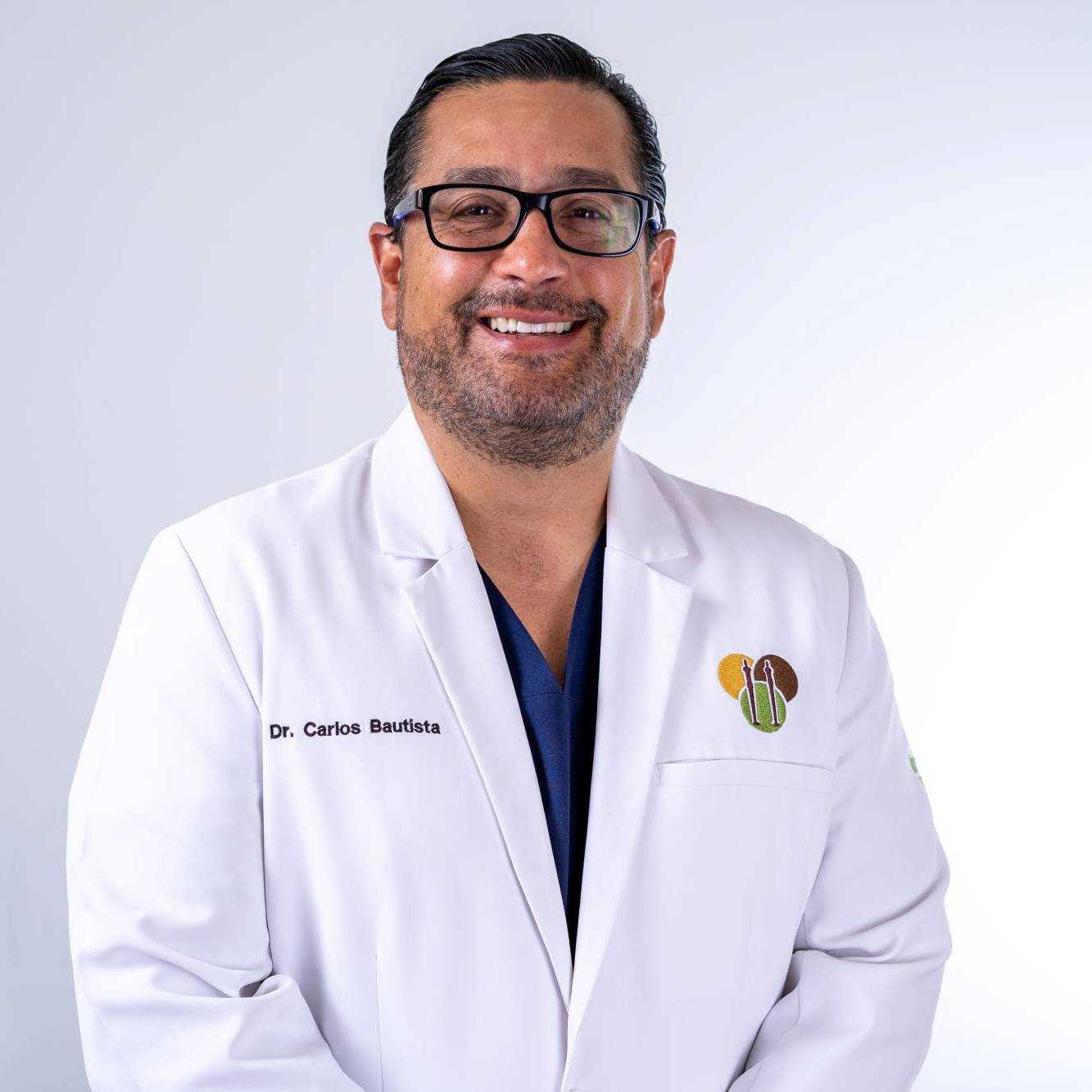
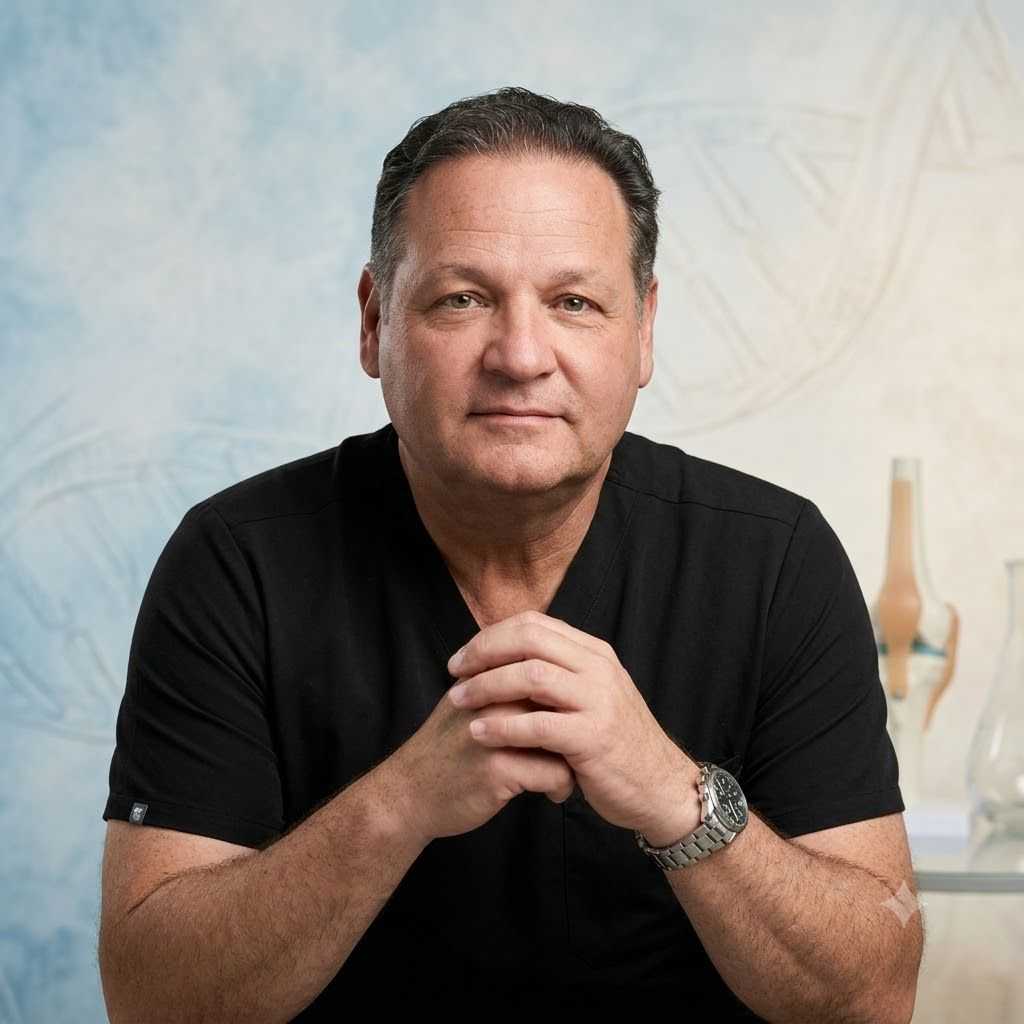
The safety and success of your joint therapy rely heavily on the expertise of the medical professional administering it. Regenerative medicine requires specialized knowledge, so it is vital to research the background of the doctor handling your care. Look for specialists who have specific experience with orthopedic applications and are transparent about their medical board certifications.
A trustworthy doctor will clearly explain the potential outcomes and any risks, rather than promising a miracle cure. Please compare the doctors listed below to review their specific qualifications, read about their backgrounds, and find a specialist you feel completely comfortable with.
Tijuana has grown into one of the most accessible medical hubs in the world, particularly for patients traveling from the United States and Canada. Located just minutes from the San Diego, California border, it offers a seamless travel experience without the need for long-haul international flights or complicated layovers. Many patients find the logistics incredibly straightforward, allowing them to combine their medical care with a brief, comfortable stay.
Getting there is simple. You can easily fly into San Diego International Airport (SAN) and take a short drive to the border crossing. Recognizing the needs of international patients, many top clinics offer private medical shuttle services that pick you up directly from the airport. They also utilize dedicated medical lanes to expedite the border crossing process on your way back.
| Travel Distance | Approx. 20-30 minutes from San Diego Airport |
| Language Accessibility | Widespread English spoken in medical districts |
| Border Crossing | Medical Fast-Pass lanes available for swift returns |
| Popular Accommodations | Zona Rio district features modern, safe, upscale hotels |
| Local Infrastructure | State-of-the-art hospitals and specialized regenerative labs |
While visiting, patients often choose to stay in the modern Zona Rio district. This area is renowned for its safety, excellent dining options, and close proximity to major medical centers, ensuring your recovery period is as comfortable and stress-free as possible.
Taking the next step toward managing your osteoarthritis requires clear information and professional guidance. We understand that planning medical travel involves many moving parts, from verifying clinic credentials to coordinating your itinerary and budgeting for care.
Our team can help you navigate these important details by providing transparent information and direct connections to certified providers. If you are ready to explore your options further and get personalized pricing, let us assist you in planning a safe and organized trip.
References
- FDA Warns About Stem Cell Therapies – U.S. Food and Drug Administration
- Stem Cell Therapy for Arthritis – Arthritis Foundation
- Medical Tourism Guidelines – Centers for Disease Control and Prevention
- Regulatory Framework for Health Facilities – COFEPRIS Mexico
- Osteoarthritis Symptoms and Causes – Mayo Clinic
























Share this listing