



Alzheimer’s disease presents one of the most profound challenges in modern healthcare, leaving families continuously searching for innovative therapeutic avenues to slow cognitive decline. In recent years, regenerative medicine has emerged as a beacon of hope for those facing neurodegenerative conditions. While definitive cures remain elusive, the scientific community is heavily exploring how targeted biological therapies might modulate neuroinflammation and promote cellular repair. This search for advanced interventions has led many to explore healthcare options beyond their home borders.
Consequently, Stem Cell Therapy for Alzheimer's in Mexico has garnered significant attention from international patients seeking progressive medical options. Many families in the United States look southward because regenerative protocols are often more accessible due to different regulatory frameworks governing innovative treatments. By traveling abroad, patients can access dedicated specialists who utilize multipotent mesenchymal stem cells designed to support brain health. The combination of medical expertise and compassionate care makes this destination an appealing choice for families seeking to improve their loved ones' quality of life.
- Cellular Modulation: The therapy typically focuses on reducing chronic neuroinflammation.
- Neurotrophic Support: Stem cells secrete growth factors that generally assist in protecting existing neurons.
- Personalized Protocols: Treatment plans are meticulously adapted to the individual’s current stage of cognitive decline.
- Outpatient Care: Procedures are generally minimally invasive, allowing patients to recover comfortably.
Stem cells possess a unique ability called "homing," where they are naturally drawn to areas of the body experiencing high levels of inflammation or tissue damage, making them particularly interesting for neurological applications.
Why U.S. Patients Choose Medical Tourism in Mexico for Neurological Care
The decision to pursue medical treatments abroad is rarely made lightly, especially when dealing with complex neurological disorders. However, medical tourism in Mexico has transformed into a highly structured, patient-centric industry that caters directly to the needs of North American travelers. Proximity plays a massive role; many top-tier medical hubs are just a short flight from major U.S. cities. This geographic advantage drastically reduces travel fatigue, which is crucial when accompanying a loved one experiencing cognitive difficulties.
Beyond geographical convenience, the availability of advanced regenerative therapies drives patients across the border. In the U.S., stem cell applications for Alzheimer's are largely confined to rigorous, narrowly scoped clinical trials, leaving many ineligible patients without options. Specialized Stem Cell Therapy for Alzheimer's clinics in Mexico operate under safe, legalized frameworks that allow them to offer these therapies as supportive treatments today. Combined with bilingual medical staff and internationally trained neurologists, the appeal of cross-border healthcare becomes vividly clear.
- Immediate Access: Bypassing the long waitlists often associated with experimental trials in the U.S.
- Cultural Comfort: Clinics are deeply accustomed to treating U.S. patients, offering seamless, English-speaking environments.
- Comprehensive Facilities: Modern hospitals feature state-of-the-art laboratories and luxury recovery spaces.
- Integrated Care: Access to a multidisciplinary team of neurologists, nutritionists, and physical therapists.
According to industry evaluations, nearly 1.2 million U.S. citizens travel to Mexico annually for various medical treatments, reflecting a deep, growing trust in the country's healthcare infrastructure.
How Stem Cell Treatments for Cognitive Decline Work
Understanding the biological mechanisms behind regenerative therapy helps demystify the treatment process. When addressing neurodegeneration, therapies typically utilize Mesenchymal Stem Cells (MSCs). These cells do not necessarily replace dead brain cells; rather, they generally act as biological factories. Once introduced into the body, most patients experience an influx of anti-inflammatory cytokines and neurotrophic factors. This process is believed to help clean up toxic protein buildups, such as amyloid plaques, which are characteristic of Alzheimer's disease.
The administration of these cells requires precision and expertise to ensure maximum efficacy and patient safety. Medical professionals typically rely on intravenous (IV) infusions for systemic circulation or localized intrathecal injections, which introduce the cells directly into the spinal fluid. The chosen delivery method is highly dependent on the patient’s overall health and the specific protocol designed by the medical team. Careful monitoring during and after the administration is a standard practice to ensure the patient's absolute safety.
- Initial Evaluation: Extensive blood work, neurological assessments, and medical history reviews.
- Cell Harvesting/Sourcing: Utilizing highly regulated, ethically sourced Wharton's Jelly MSCs from certified labs.
- Preparation: Culturing and expanding the cells to ensure optimal viability and count.
- Administration: Carefully controlled delivery of the stem cells into the patient’s system.
Mesenchymal stem cells are highly valued in regenerative medicine because they are "immune-privileged," meaning they generally do not trigger an immune rejection response when transplanted into a patient.
Stem Cell Therapy for Alzheimer's Cost in Mexico vs. the U.S.
The financial toll of managing Alzheimer's disease in the United States is staggering, often depleting family savings through long-term care and specialty medications. When considering advanced regenerative therapies, the financial barriers become even steeper, as these treatments are rarely covered by traditional insurance providers. Consequently, families are forced to pay out-of-pocket for private care or experimental treatments, which can easily exceed tens of thousands of dollars.
In contrast, securing affordable Stem Cell Therapy for Alzheimer's in Mexico allows patients to receive cutting-edge care without the exorbitant markups seen in the U.S. healthcare system. The lower cost of living, reduced administrative overhead, and specialized medical tourism packages contribute to these significant savings. Below is a detailed cost comparison reflecting the Stem Cell Therapy for Alzheimer's cost in Mexico compared to the average market ranges in the United States.
| Procedure Name | Average Cost in Mexico | Cost Comparison with U.S. |
|---|---|---|
| Stem Cell IV Infusion Therapy | $6,000 - $12,000 | $15,000 - $35,000+ |
| Intrathecal Stem Cell Administration | $8,000 - $15,000 | $20,000 - $45,000+ |
| Comprehensive Cognitive Rehab Package | $10,000 - $20,000 | $30,000 - $60,000+ |
When reviewing treatment quotes, always ask the clinic for an itemized breakdown. Ensure that pre-treatment testing, the exact cell count being administered, and post-procedure follow-ups are clearly detailed in the pricing.
Top Stem Cell Clinics in Mexico for Alzheimer's Patients
Selecting the right medical facility is arguably the most critical step in your medical tourism journey. The best Stem Cell Therapy for Alzheimer's clinics in Mexico differentiate themselves through stringent adherence to international quality standards, transparent patient communication, and specialized focus on neurology. These centers employ multidisciplinary teams dedicated to ensuring that every step of the regenerative protocol is executed with precision and profound empathy for the patient's condition.
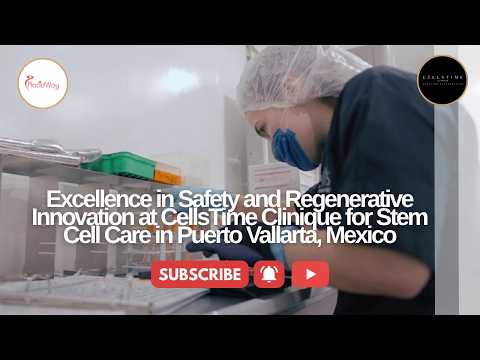
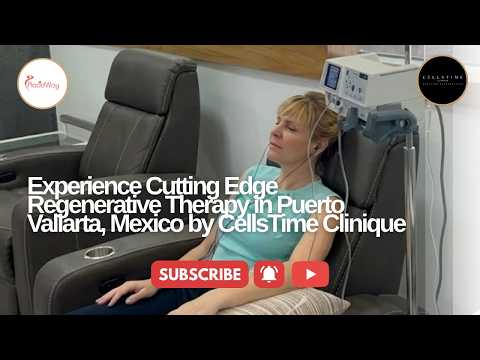
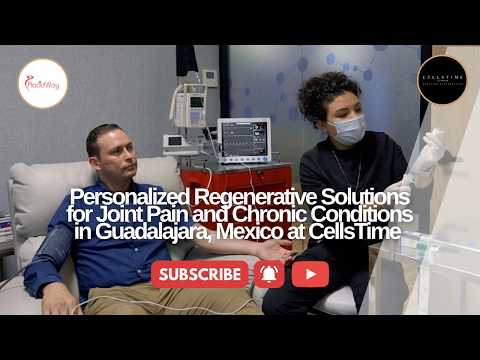
When researching the best facilities, you may discover comprehensive programs and advanced stem cell treatments at CellsTime Clinique Guadalajara, which represents the caliber of specialized care available. High-quality clinics provide detailed medical itineraries, virtual consultations prior to travel, and transparent access to their laboratory certifications. Prioritizing these elements guarantees a safer, more structured environment for your loved one's care.
- Board-Certified Specialists: Ensure the medical director and attending physicians possess relevant neurological and regenerative credentials.
- On-Site or Verified Labs: Top clinics utilize strictly regulated laboratories for cell processing and expansion.
- Patient-Centric Infrastructure: Facilities designed to accommodate the physical and cognitive needs of neurodegenerative patients.
- Clear Communication: Dedicated international patient coordinators to bridge any language or logistical gaps.
Never commit to a medical facility without verifying their regulatory compliance. Ensure the clinic holds a current operating license from COFEPRIS (the Mexican equivalent of the FDA) specifically authorizing regenerative medicine practices.
The Patient Experience: Recovery and Expected Outcomes
Managing expectations is paramount when dealing with regenerative medicine for complex neurological disorders. It is essential to understand that results vary significantly from person to person, and no reputable physician can guarantee a reversal of Alzheimer's. However, most patients experience a smooth physical recovery from the minimally invasive administration procedure itself. The immediate post-treatment phase is typically focused on rest, hydration, and monitoring for any minor, transient side effects like mild fatigue or a low-grade headache.
The biological outcomes of the therapy unfold gradually over time. Families generally monitor for subtle improvements in daily functioning, mood stabilization, or a slowing in the rate of cognitive decline. The stem cells require weeks to months to effectively modulate the immune system and promote a healthier neural environment. Consistent communication with both the treating clinic and your home neurologist is vital during this extended observation period.
- Days 1-3: Mild physical rest at the destination; minor fatigue is generally expected.
- Weeks 1-4: Return to normal routines; stem cells begin their systemic immunomodulatory work.
- Months 3-6: Typical window where families might observe stabilization or nuanced changes in cognitive behavior.
- Long-Term: Continued monitoring via telehealth check-ins and scheduled cognitive assessments.
Post-treatment cognitive rehabilitation exercises and a brain-healthy diet can act synergistically with stem cell therapy, potentially amplifying the neuroprotective benefits over time.
Safety Protocols and Medical Standards in Mexican Clinics
A common concern for international patients revolves around the safety and regulatory standards of foreign medical facilities. Fortunately, Mexico has established rigorous health protocols to oversee the burgeoning field of regenerative medicine. The central health authority, COFEPRIS, mandates strict licensing requirements for any clinic offering cellular therapies. These regulations ensure that the sourcing, cultivation, and administration of stem cells adhere to ethical and sterile guidelines comparable to international benchmarks.
Leading Stem Cell Therapy for Alzheimer's clinics in Mexico go above and beyond basic compliance. They frequently pursue international accreditations and partner with highly certified biogenetics laboratories. Before any treatment is administered, patients undergo comprehensive screenings to identify any contraindications, such as active infections or certain malignancies. This hyper-vigilant approach minimizes risks and ensures that the patient is physically capable of receiving the therapy.
- Stringent Donor Screening: All cellular material undergoes deep viral and bacterial testing prior to cultivation.
- ISO-Certified Cleanrooms: Laboratories maintain highly controlled environments to prevent cellular contamination.
- Continuous Vitals Monitoring: Real-time tracking of patient health metrics during IV or intrathecal administration.
- Emergency Preparedness: Clinics are fully equipped with intensive care resources should any unlikely complications arise.
According to global medical tourism indexes, Mexico consistently ranks in the top tier globally for medical travel, supported by heavily regulated private healthcare sectors that match advanced international standards.
Preparing for Your Stem Cell Treatment Journey
Thorough preparation is the key to a stress-free medical travel experience, particularly when traveling with a patient experiencing memory or cognitive issues. The preparation phase begins long before boarding a flight, starting with a comprehensive gathering of the patient's medical history. Clinics will require recent MRI scans, blood panels, and detailed reports from the patient's primary neurologist. This data allows the international medical team to build a safe, personalized protocol.
Equally important is the logistical and emotional preparation for the family. Traveling can be disorienting for Alzheimer's patients, so maintaining a calm, predictable environment is crucial. Packing familiar items, ensuring all current medications are correctly labeled, and arranging for comfortable, direct transportation can mitigate travel anxiety. Open communication with the clinic's patient coordinator will help you outline exactly what to expect upon arrival.
- Medical Records Compilation: Digitize and translate (if necessary) all relevant neurological imaging and doctor's notes.
- Medication Management: Bring an ample supply of current prescriptions in their original, clearly labeled bottles.
- Travel Documentation: Ensure passports are valid for at least six months beyond your planned travel dates.
- Caregiver Support: Arrange for a dedicated family member or professional caregiver to accompany the patient at all times.
Create a "travel comfort kit" for the patient containing their favorite music, a familiar blanket, and simple puzzles to help reduce sensory overload during airport transits and hospital waiting periods.
Legal and Ethical Aspects of Regenerative Medicine in Mexico
Navigating the ethical and legal landscape of regenerative medicine is a crucial part of patient education. Mexico has established a robust legal framework that permits the ethical use of adult stem cells and perinatal tissues, such as those derived from umbilical cords. Unlike embryonic stem cells, which pose significant ethical controversies and health risks, the mesenchymal stem cells used in reputable Mexican clinics are entirely ethically sourced from healthy, consenting donors following full-term, healthy deliveries.
The legality of these treatments in Mexico is supported by an intention to provide compassionate care options for patients with incurable conditions. Medical institutions are required to maintain strict transparency regarding the origin, processing, and application of biological materials. This legal structure empowers medical tourism in Mexico to thrive safely, ensuring international patients receive treatments that are both ethically sound and medically rigorous.
- Ethical Sourcing: Cells are derived from Wharton’s Jelly via donated umbilical cords, posing no harm to mother or child.
- No Embryonic Tissue: Reputable clinics strictly avoid embryonic stem cells due to ethical concerns and the risk of teratomas.
- Informed Consent: Comprehensive documentation outlining risks, expected outcomes, and procedural details must be signed prior to treatment.
- Regulatory Oversight: Routine audits by health authorities ensure clinics operate within the bounds of Mexican medical law.
The umbilical cord tissue used to harvest MSCs is normally discarded as medical waste after birth. By utilizing it for regenerative medicine, scientists are transforming bio-waste into life-changing therapeutic tools.
Exploring Alternative Therapies and Comprehensive Care
Stem cell therapy is rarely viewed as a standalone miracle cure; rather, it is most effective when integrated into a holistic, comprehensive care plan. Elite medical facilities in Mexico recognize this and often combine cellular treatments with complementary therapies aimed at optimizing brain health. This multidimensional approach ensures that the newly introduced cells have the best possible biological environment to survive and exert their therapeutic effects.
Patients visiting for regenerative treatments often participate in adjunct therapies such as Hyperbaric Oxygen Therapy (HBOT), IV nutrition infusions, and transcranial magnetic stimulation. These supportive treatments are designed to increase blood flow to the brain, reduce systemic oxidative stress, and stimulate neural pathways. By adopting a comprehensive care model, clinics maximize the potential for stabilizing the patient's cognitive baseline.
- Hyperbaric Oxygen Therapy: Increases oxygen saturation in the blood, promoting accelerated cellular repair.
- Nutritional IV Therapy: Delivers essential vitamins and antioxidants directly into the bloodstream to combat oxidative stress.
- Exosome Therapy: Often paired with stem cells, exosomes act as cellular messengers to further reduce neuroinflammation.
- Cognitive Physiotherapy: Specialized exercises to help maintain motor functions and neural connections.
Integrating hyperbaric oxygen therapy before and after stem cell administration has been clinically observed to significantly enhance the mobilization and viability of circulating stem cells in the body.
Navigating Logistics for Medical Travel to Mexico
Coordinating an international medical trip might seem daunting, but specialized clinics have streamlined the process to make it highly efficient for U.S. families. Major medical hubs in Mexico feature international airports with direct flights from most large American cities. Once you land, top clinics typically provide dedicated, bilingual patient concierges who meet you at the gate, eliminating the stress of navigating a foreign transit system with a medically vulnerable individual.
Language barriers are rarely an issue, as the medical staff, from lead neurologists to nursing teams, are highly proficient in English. Furthermore, the cultural warmth and hospitality inherent in Mexican healthcare provide a deeply comforting environment for patients and caregivers alike. Every logistical detail, from clinic transfers to organizing outpatient appointments, is meticulously managed to allow families to focus entirely on health and healing.
- Direct Flights: Cities like Tijuana, Guadalajara, and Cancun offer frequent, short-haul flights from the U.S.
- Ground Transportation: Clinics routinely provide private, secure shuttles directly from the airport to the medical facility.
- Bilingual Support: Expect seamless communication with English-speaking doctors, nurses, and administrative staff.
- Accessible Facilities: Medical centers are fully equipped with wheelchair access and specialized neuro-care accommodations.
Real Stories: Testimonials of Stem Cell Therapy for Alzheimer's in Mexico
There is profound power in shared experiences, particularly when navigating the emotional complexities of a neurodegenerative diagnosis. Families who have journeyed to Mexico for treatment often share their stories to provide insight and hope to others facing similar struggles. While individual results inherently vary and no treatment guarantees a reversal of the disease, hearing how others have managed their conditions provides valuable perspective.
Below are summaries of experiences from U.S. families who decided to pursue advanced cellular therapies abroad. These stories highlight the emotional relief, the quality of care received, and the subtle yet meaningful improvements in their loved ones' daily lives following their medical travel experience.
A Return to Calmness
"We brought my father to Mexico after he became increasingly agitated and confused at home. While his memory hasn't fully returned, the therapy helped stabilize his mood tremendously. He is generally much calmer now, and the aggressive outbursts have stopped, making family life peaceful again."
Slowing the Progression
"Knowing there is no cure, our goal was simply to buy more time. The doctors in Mexico were transparent and empathetic. Six months post-treatment, my mother's cognitive decline has seemingly plateaued. She still recognizes her grandchildren, and for us, that is a massive victory."
Exceptional Medical Care
"I was initially hesitant about leaving the U.S. for medical care. However, the clinic's facilities were pristine, and the neurological team spent hours answering our questions. The IV administration was painless, and my husband was treated with the utmost dignity."
Enhanced Daily Function
"Before the therapy, my wife struggled to complete basic daily tasks like holding a fork. A few months after our trip, we noticed subtle improvements in her motor skills and moments of surprising mental clarity. It hasn't been a perfect fix, but her quality of life has noticeably improved."
How PlacidWay Assists Your Stem Cell Therapy Medical Tourism Journey in Mexico
Navigating international healthcare options independently can be overwhelming, particularly when dealing with intricate conditions like Alzheimer's. Researching accreditations, comparing treatment protocols, and verifying the legitimacy of overseas medical facilities requires significant time and expertise. This is where partnering with a dedicated medical tourism facilitator becomes an invaluable asset for patients and their families.
PlacidWay serves as a crucial bridge, connecting U.S. patients with rigorously vetted, top-tier medical centers across the globe. By leveraging their extensive network and industry expertise, PlacidWay simplifies the decision-making process, ensuring you have access to safe, highly qualified medical professionals.
- Providing detailed profiles of internationally accredited regenerative medicine clinics.
- Facilitating direct, transparent communication between your family and the treating neurologists.
- Assisting in gathering and transmitting medical records securely for pre-evaluations.
- Offering comprehensive, comparative cost analyses for different treatment protocols.
- Guiding patients toward facilities that strictly adhere to ethical stem cell sourcing and legal compliance.
Frequently Asked Questions About Stem Cell Therapy for Alzheimer's in Mexico
When considering advanced medical procedures abroad, it is entirely natural to have a multitude of questions regarding safety, efficacy, and logistics. We understand that clarity is essential for making informed healthcare decisions for your loved ones. The specialized nature of regenerative medicine combined with the nuances of international travel requires thorough exploration.
To assist you in your research, we have compiled the most common inquiries families make when looking into Stem Cell Therapy for Alzheimer's in Mexico. Always remember to discuss these points directly with your chosen medical provider to receive personalized answers tailored to your specific situation.
Is stem cell therapy a cure for Alzheimer's disease?
Currently, there is no definitive cure for Alzheimer's disease, and stem cell therapy is not considered a cure. Instead, it is typically used as a supportive treatment aiming to manage neuroinflammation, potentially slow disease progression, and improve the overall quality of life for patients.
How much does stem cell therapy for Alzheimer's cost in Mexico?
The cost of stem cell therapy for neurological conditions in Mexico generally ranges from $6,000 to $20,000, depending on the specific protocol and delivery method. This is often significantly more affordable compared to alternative or experimental treatments available in the United States.
What types of stem cells are used for cognitive disorders in Mexican clinics?
Most specialized clinics in Mexico utilize ethically sourced Mesenchymal Stem Cells (MSCs) derived from umbilical cord tissue or Wharton’s Jelly. These specific cells are generally preferred for their potent immunomodulatory and anti-inflammatory properties.
Are stem cell clinics in Mexico safe and regulated?
Yes, reputable clinics operate under strict safety guidelines and are heavily regulated by COFEPRIS, the Mexican health authority. It is highly important to choose accredited facilities that maintain robust laboratory protocols and international medical standards.
How are stem cells administered for neurological conditions?
Administration usually involves intravenous (IV) infusions or localized intrathecal injections, depending on the patient's individual assessment. A specialized medical team will determine the safest and most effective delivery mechanism based on the patient's neurological profile.
How long does the stem cell treatment process take in Mexico?
Most patients experience a treatment timeline spanning three to five days at the clinic. This duration allows for comprehensive pre-treatment evaluations, the actual stem cell administration, and necessary post-procedure monitoring before returning home.
Will I need to stop my current Alzheimer's medications?
You should never stop or alter your current medication regimen without direct supervision from your prescribing physician. During your consultation, the medical team will review your pharmaceuticals to ensure they safely align with the stem cell protocol.
What is the typical recovery time after stem cell therapy in Mexico?
Physical recovery from the administration procedure is usually very brief, with most patients resuming light daily activities within a few days. However, assessing the cognitive and biological outcomes typically requires several months of careful observation.
Do I need a visa to travel to Mexico for medical treatment from the U.S.?
United States citizens typically do not need a specialized medical visa for short treatment stays in Mexico; a valid U.S. passport is generally sufficient. You will simply fill out a standard tourist immigration form upon your arrival.
How can I coordinate follow-up care once I return to the United States?
Top-tier clinics usually provide a structured follow-up plan involving scheduled telehealth consultations and progress tracking. Patients are strongly encouraged to share their Mexican medical reports with their primary care physicians in the U.S. to ensure comprehensive, continuous care.
Ready to explore your options for affordable Stem Cell Therapy for Alzheimer's in Mexico? Let PlacidWay connect you with top-tier, accredited medical centers.
References
- National Institute on Aging. What Is Alzheimer's Disease? https://www.nia.nih.gov/health/alzheimers-and-dementia/what-alzheimers-disease
- Mayo Clinic. Stem cells: What they are and what they do. https://www.mayoclinic.org/tests-procedures/bone-marrow-transplant/in-depth/stem-cells/art-20048117
- Alzheimer's Association. Treatments for Alzheimer's Disease. https://www.alz.org/alzheimers-dementia/treatments
- International Society for Stem Cell Research (ISSCR). Patient Guide to Stem Cell Treatments. https://www.closerlookatstemcells.org/patient-resources/
- Centers for Disease Control and Prevention (CDC). Medical Tourism: Getting Medical Care in Another Country. https://wwwnc.cdc.gov/travel/page/medical-tourism
.png)



.png)
.png)

.png)

.png)
.png)
.png)
.png)








Share this listing