



Rectal cancer diagnoses present significant challenges, prompting many individuals to look beyond standard regional protocols. For Canadian patients, navigating the complexities of healthcare wait times can be an overwhelming experience. As a result, seeking comprehensive care internationally has become an increasingly viable pathway. Medical tourism offers broader horizons for individuals seeking personalized and innovative therapeutic regimens.
Tijuana has rapidly emerged as a leading destination for integrative oncology, blending modern science with holistic methodologies. Facilities in this region focus on treating the entire body rather than merely addressing the localized tumor. Patients generally appreciate the multidisciplinary frameworks that prioritize immune system support alongside targeted therapies. Understanding these alternative rectal cancer treatment options in Mexico is the first step toward exploring international health solutions.
Integrative clinics in Tijuana often utilize over twenty different non-invasive therapies simultaneously to create a synergistic effect aimed at supporting the body's natural healing capabilities.
- Hyperthermia Therapy: Utilizing controlled heat to target and potentially weaken malignant cells.
- Enzyme Therapy: Administering specific biological enzymes to help break down tumor defense mechanisms.
- Ozone Therapy: Increasing oxygen levels in the body to create an unfavorable environment for anaerobic cancer cells.
- Vitamin C IV Therapy: High-dose infusions aimed at boosting immune response and reducing oxidative stress.
Why Canadians Choose Medical Tourism in Tijuana for Rectal Cancer
The decision to pursue medical travel is rarely made lightly, especially when dealing with complex oncology concerns. Many Canadians are motivated by the desire to access treatments that are either unavailable or delayed in their home provinces. The proximity of Tijuana to North American borders makes it a highly accessible hub for international healthcare. Patients are typically drawn to the autonomy and personalized attention that these specialized clinics provide.
Furthermore, the philosophy of care in Mexico often emphasizes a warmer, more holistic patient-provider relationship. Integrative specialists generally take the time to understand the patient's complete physical, emotional, and psychological state. This comprehensive approach is highly valued by those feeling marginalized by the swift pace of conventional medical systems. Choosing medical tourism for rectal cancer in Tijuana frequently represents a pursuit of hope and highly individualized wellness strategies.
Thousands of international patients travel to Mexico annually specifically for integrative and alternative oncology care, making it one of the top specialized medical tourism destinations globally.
- Immediate access to consultations and treatment initiations without lengthy public healthcare waitlists.
- Availability of advanced, diverse modalities that complement systemic health and traditional medicine.
- Bilingual medical teams highly experienced in accommodating the unique needs of international visitors.
Comprehensive Approaches at the Immunity Therapy Center
Focusing on individualized patient care is a cornerstone of integrative oncology facilities across Mexico. The Immunity Therapy Center stands out as a prominent institution dedicated to offering specialized, non-invasive protocols. Their clinical teams typically design customized programs tailored to the unique biological needs of each individual. Canadians exploring these avenues often find a welcoming environment that bridges conventional diagnostics with natural healing philosophies.
Patients who choose to explore an alternative cancer treatment options by ITC generally experience a highly supportive clinical atmosphere. The center focuses on utilizing the body's natural defense mechanisms to recognize and combat malignant cells organically. These tailored regimens usually incorporate advanced biological therapies, localized heating therapies, and specialized nutritional infusions. Evaluating these comprehensive approaches allows patients to make informed, empowered choices about their ongoing wellness journeys.
Integrative programs are typically adjusted daily based on the patient's real-time response to treatments, ensuring a highly dynamic and responsive care strategy rather than a rigid protocol.
Affordable Rectal Cancer Treatment Cost in Tijuana Versus Canada
Financial considerations are a major factor for families navigating long-term medical challenges. The cost of alternative rectal cancer care in Mexico is generally significantly lower than out-of-pocket expenses for similar private treatments in North America. This affordability does not typically equate to a compromise in the quality of the medical technology or the expertise of the staff. Instead, it reflects the differing economic structures and healthcare administration costs between the nations.
For Canadians, seeking care outside the publicly funded system can usually incur massive private clinic fees. By choosing Tijuana, patients can allocate their healthcare budget more efficiently, accessing a wider array of daily therapies. Facilities typically offer comprehensive packages that encompass diagnostic testing, daily therapeutic sessions, and nutritional support. Understanding these financial structures helps patients plan their medical journeys with greater confidence and less financial stress.
| Treatment / Procedure Program | Average Cost in Tijuana (USD) | Estimated Private Cost in Canada/USA (USD) |
|---|---|---|
| 3-Week Comprehensive Integrative Program | $18,000 - $25,000 | $40,000 - $60,000+ |
| Targeted Immunotherapy Protocol | $10,000 - $15,000 | $30,000 - $50,000+ |
| Specialized Nutritional IV Therapy (Per Cycle) | $2,000 - $4,000 | $6,000 - $10,000 |
Advanced Therapies for Rectal Cancer Clinics in Tijuana
The clinical landscape in Tijuana is characterized by its integration of advanced medical technologies alongside natural therapies. Clinics utilize state-of-the-art diagnostic imaging and laboratory testing to create precise biological profiles of each patient. This data-driven approach typically allows doctors to select the most appropriate combination of modalities for targeting gastrointestinal malignancies. Advanced rectal cancer clinics in Mexico prioritize innovation, constantly updating their protocols based on emerging global research.
Many of these advanced therapies focus on altering the metabolic environment of the body. Techniques such as sonodynamic therapy and specific biological targeted therapies aim to disrupt the energy pathways of malignant cells. Concurrently, other treatments work to detoxify the liver and lymphatic systems, aiding the body in efficiently removing cellular waste. Patients generally appreciate this dual approach of aggressively targeting the illness while heavily protecting healthy tissues.
Alternative treatments should generally not be viewed as guaranteed cures. It is critical for patients to maintain open communication with their primary oncologists in Canada to ensure that any alternative therapies safely complement their overall medical strategy.
The Role of Immunotherapy for Rectal Cancer in Mexico
Immunotherapy has revolutionized modern oncology by empowering the patient's own biological systems to fight the disease. In Tijuana, integrative clinics typically incorporate highly sophisticated immunotherapeutic agents as core components of their programs. The goal is generally to stimulate the immune system to recognize and attack evasive malignant cells effectively. This approach is particularly relevant for gastrointestinal conditions, where enhancing systemic immunity can yield significant benefits.
Medical teams often utilize customized vaccines, natural killer (NK) cell therapies, and specialized peptides to modulate immune responses. These treatments are usually administered in tandem with therapies designed to reduce systemic inflammation. Most patients experience fewer harsh side effects compared to traditional cytotoxic treatments, allowing for a better quality of life during care. Exploring innovative immunotherapy for rectal cancer in Tijuana provides a forward-thinking option for comprehensive disease management.
Immunotherapy works differently than chemotherapy; instead of attacking all rapidly dividing cells, it primarily helps the immune system better identify and destroy specific harmful cells, often resulting in a milder side-effect profile.
Holistic and Nutritional Support During Rectal Cancer Care in Tijuana
Proper nutrition is universally recognized as a critical pillar of any serious health recovery process. Clinics in Mexico typically place an immense emphasis on metabolic typing and customized dietary interventions. The objective is usually to starve malignant cells of glucose while flooding healthy tissues with vital, restorative nutrients. This foundational dietary shift is deeply integrated into the daily routine of the medical programs.
Beyond standard diet plans, clinics frequently utilize intensive orthomolecular medicine, involving high doses of specific vitamins, minerals, and amino acids. These are often delivered intravenously to bypass the digestive tract, ensuring maximum cellular absorption. The holistic support also generally extends to psychological counseling, stress reduction techniques, and spiritual care. Embracing holistic rectal cancer treatment in Mexico means treating the mind, body, and spirit as one interconnected ecosystem.
Before traveling, start keeping a detailed food diary and transition to an anti-inflammatory diet. This can help your body adjust more smoothly to the strict metabolic nutrition plans typical of integrative clinical care.
What to Expect During Your Rectal Cancer Journey in Tijuana
Embarking on international medical travel requires understanding the daily realities of the clinical environment. Upon arrival, patients typically undergo exhaustive diagnostic evaluations, including comprehensive blood panels and imaging reviews. The medical board then collaboratively constructs a tailored daily schedule, which usually involves multiple therapies administered over several hours. Despite the intensive schedule, the clinic environment is generally designed to be peaceful, relaxing, and highly supportive.
A typical day might begin with a customized nutritional breakfast, followed by localized heat therapy and an IV vitamin infusion. Patients are usually given ample time to rest, consult with their doctors, and participate in mental wellness exercises. The structured nature of the programs aims to take the guesswork out of recovery, allowing patients to focus entirely on healing. Participating in comprehensive rectal cancer programs in Tijuana generally offers a highly organized, compassionate daily experience.
Most top-tier integrative clinics in Tijuana assign a dedicated patient coordinator or personal nurse to help you navigate your daily schedule and answer any questions seamlessly.
Navigating Safety and Quality Standards for Medical Tourism in Mexico
Ensuring patient safety is paramount when seeking medical care in a foreign country. Reputable clinics in Tijuana generally operate under stringent local and international health regulations to maintain high standards of clinical hygiene. They frequently employ board-certified physicians, many of whom have pursued specialized integrative training internationally. Patients should prioritize facilities that maintain transparent track records and clear communication regarding their safety protocols.
Quality assurance also involves the sourcing of medical equipment and the pharmaceutical grade of biological agents used. The best safe medical tourism clinics in Tijuana typically partner with accredited laboratories to ensure the purity and efficacy of their treatments. Prospective patients are encouraged to request consultations with medical directors prior to travel to assess the clinic's professionalism. Diligent research generally ensures a secure, medically sound environment for international patients.
Always ask prospective clinics for a detailed breakdown of the credentials of their treating physicians and the specific international health and safety certifications the facility holds.
Combining Traditional and Alternative Rectal Cancer Options in Tijuana
An increasing number of patients recognize that the most effective health strategies often involve integrating multiple medical philosophies. Clinics in Mexico are typically highly adept at working alongside traditional therapies such as chemotherapy or radiation. The integrative therapies are generally applied to mitigate the harsh side effects of conventional treatments and protect healthy organ function. This synergistic approach aims to optimize the overall effectiveness of the patient's comprehensive medical plan.
Doctors usually perform careful reviews of a patient's existing traditional protocols to avoid any contraindications with alternative treatments. For instance, specific antioxidants might be timed carefully so as not to interfere with the oxidative stress intended by certain traditional drugs. This delicate balance requires profound clinical expertise and deep understanding of oncology pharmacology. Combining alternative and traditional rectal cancer care in Tijuana often provides patients with a robust, well-rounded defense against their illness.
Integrative oncology does not reject conventional medicine; rather, it strategically layers nutritional, immune, and mind-body therapies alongside standard care to generally improve patient resilience and outcomes.
Patient Experiences with Alternative Rectal Cancer Care in Mexico
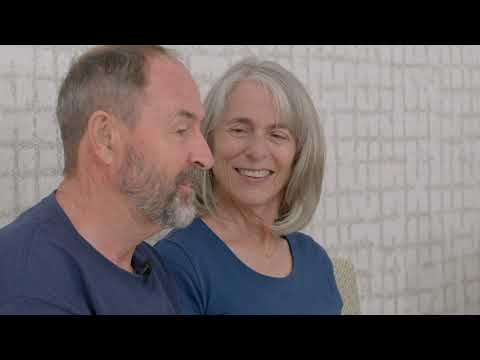
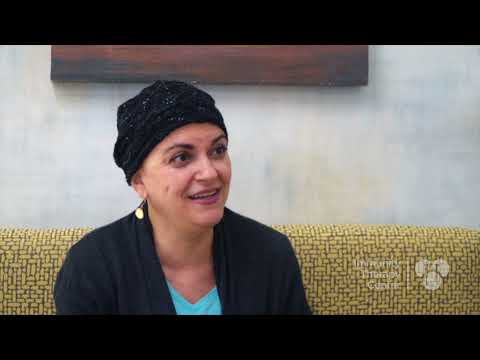
Understanding the journeys of those who have navigated similar paths can offer immense comfort and practical insight. Many Canadians who have traveled for treatment share stories of finding renewed vitality and a sense of empowerment. They frequently highlight the compassionate care, the lack of clinical coldness, and the deep emotional support provided by the medical staff. These firsthand accounts generally paint a picture of an environment heavily focused on restorative healing.
While every medical journey is distinct, common themes often emerge regarding the reduction of treatment-related fatigue and pain. Patients generally report appreciating the comprehensive education they receive, which allows them to continue their wellness practices long after returning home. Reviewing patient reviews for rectal cancer clinics in Tijuana can help set realistic expectations and inspire confidence. Here are a few summaries of typical international patient experiences.
A Journey of Renewed Energy
A patient from Ontario sought alternative care after experiencing severe fatigue from traditional protocols. They typically reported that the customized IV therapies and metabolic diets in Mexico significantly helped restore their daily energy levels, allowing them to engage more actively in their overall recovery process.
Comprehensive Support System
A Canadian traveler noted the profound difference in the clinical atmosphere. They generally appreciated how the doctors took over an hour during the initial consultation to explain the biological mechanisms of the integrative treatments, fostering a deep sense of trust and understanding.
Finding Balance During Care
Another individual facing gastrointestinal challenges highlighted the benefits of combining hyperthermia with their ongoing traditional care. They experienced a general improvement in their quality of life, noting that the holistic pain management techniques were exceptionally beneficial.
Empowered Healing Process
A patient from British Columbia described their time in Tijuana as a transformative educational experience. They returned home equipped with a robust nutritional and supplemental plan, feeling generally more in control of their long-term health trajectory.
Preparing for Your Rectal Cancer Medical Travel to Tijuana
Strategic preparation is essential for a smooth and stress-free medical tourism experience. Before traveling, it is generally advised to compile comprehensive medical records, including recent scans, pathology reports, and detailed histories of past treatments. These documents are crucial for the receiving clinical team to accurately assess and prepare your customized program. Organizing this information digitally and carrying physical copies ensures nothing is lost in translation.
Additionally, patients should proactively coordinate the logistics of their absence from home, including financial planning and securing a travel companion for emotional support. Understanding the border crossing procedures and possessing valid passports are fundamental steps for Canadian travelers. Proper planning for medical travel to Tijuana for cancer care generally allows patients to arrive focused entirely on their therapeutic journey. Consider creating a checklist to manage the pre-travel requirements effectively.
- Gather all recent MRI, CT, or PET scans on digital media for the clinic's review.
- Ensure your passport is valid for at least six months beyond your planned date of return.
- Consult with your local bank to authorize international transactions to avoid payment disruptions.
- Pack comfortable, loose-fitting clothing suitable for daily clinical therapies and relaxation.
How PlacidWay Assists Your Rectal Cancer Medical Tourism Journey in Tijuana
Coordinating international medical care can feel daunting when managing complex health challenges simultaneously. Partnering with a dedicated medical tourism facilitator can significantly streamline the research and connection process. PlacidWay specializes in connecting international patients with accredited, high-quality healthcare facilities that align with their specific medical needs. This professional guidance generally helps alleviate the stress of navigating foreign healthcare systems independently.
By leveraging established global networks, patients are typically able to make faster, more informed decisions regarding their care options. The facilitation process focuses on providing transparent information, ensuring patients fully understand the proposed treatment plans and financial structures. Utilizing dedicated assistance for your rectal cancer care abroad aims to provide a seamless transition from initial inquiry to arriving at the clinic.
- Providing detailed profiles and accreditations of specialized integrative clinics in Mexico.
- Facilitating direct communication and virtual consultations with leading medical directors.
- Assisting with the secure transfer of comprehensive medical records for initial clinical evaluations.
- Offering clear, transparent cost estimates for various medical programs and treatment packages.
- Delivering ongoing patient support to ensure all medical and administrative questions are promptly addressed.
Frequently Asked Questions About Rectal Cancer Alternative Treatment in Tijuana
When considering international healthcare alternatives, individuals naturally harbor numerous questions regarding protocols, safety, and logistics. Gathering clear, concise information is an essential part of the decision-making process. Facilities catering to Canadian and international patients are highly accustomed to addressing these common inquiries to build trust and transparency. Reviewing these FAQs can generally provide a stronger foundational understanding of what to expect.
Below is a curated list of the most frequent questions asked by prospective patients exploring integrative oncology. These insights aim to clarify the practical realities of pursuing alternative medical avenues. Understanding the answers to these queries about Tijuana rectal cancer medical tourism will help you and your family plan with greater assurance and peace of mind.
Why do Canadians travel to Tijuana for alternative rectal cancer care?
Many Canadians travel to Tijuana to access alternative therapies that may not be available or have long wait times in their home country. These clinics typically offer personalized, integrative approaches focused on whole-body wellness alongside traditional concepts.
Is alternative rectal cancer treatment safe in Mexico?
Medical facilities catering to international patients generally adhere to strict safety protocols and are staffed by qualified medical professionals. However, patients should thoroughly research clinics, consult with their primary oncologist, and choose reputable centers to ensure safe care.
What types of alternative therapies are available in Tijuana?
Treatments typically include localized hyperthermia, advanced immunotherapy, specialized nutritional IV infusions, and metabolic therapies. These protocols are generally designed to support the immune system and target malignant cells comprehensively.
How much does alternative rectal cancer treatment cost in Tijuana?
Costs generally range from $15,000 to $30,000 for a comprehensive three-week program, depending on the specific protocols required. This is often significantly more affordable than seeking private integrative care in North America.
Can alternative therapies replace traditional rectal cancer treatments?
Alternative and integrative therapies are typically utilized as complementary approaches to support traditional oncology, rather than outright replacements. Most patients experience the best outcomes when integrating systemic support with their primary medical protocols.
Do I need a visa to travel from Canada to Mexico for medical care?
Canadian citizens generally do not require a visa to enter Mexico for short-term stays, including medical tourism. A valid passport and a completed tourist card, usually provided by the airline, are typically sufficient for entry.
How long do I need to stay in Tijuana for treatment?
Integrative oncology programs typically require an initial stay of three to four weeks for intensive, daily therapies. After the initial phase, clinics generally provide at-home protocols and schedule follow-up virtual consultations.
Does Canadian health insurance cover treatments in Mexico?
Provincial healthcare plans in Canada typically do not cover alternative or experimental treatments received outside the country. Patients should generally expect to pay out-of-pocket or consult specialized private health insurance providers for potential coverage.
What kind of follow-up care is provided after leaving Tijuana?
Reputable clinics typically provide comprehensive home-care plans that include specific nutritional supplements and lifestyle guidelines. Medical teams generally conduct regular virtual check-ins to monitor the patient's progress and adjust protocols as needed.
How can I communicate with doctors in Tijuana clinics?
Leading medical tourism facilities in Tijuana are highly accustomed to treating international patients and generally employ bilingual staff. Doctors and nurses fluently speak English, ensuring clear communication regarding complex medical information and treatment plans.
Ready to explore your personalized health options? Contact PlacidWay today to connect with top-rated medical centers tailored to your unique journey.
References:
- National Cancer Institute. Immunotherapy to Treat Cancer. https://www.cancer.gov/about-cancer/treatment/types/immunotherapy
- Mayo Clinic. Rectal cancer - Diagnosis and treatment. https://www.mayoclinic.org/diseases-conditions/rectal-cancer/diagnosis-treatment/drc-20352889
- Memorial Sloan Kettering Cancer Center. Integrative Medicine for Cancer. https://www.mskcc.org/cancer-care/integrative-medicine
.png)

















Share this listing