


Comprehensive Alternative Cancer Treatment in Mexico for Advanced Healing
Seeking effective alternative cancer treatment in Mexico has become a primary choice for individuals looking to bypass the harsh side effects of conventional medical therapies. Patients worldwide are discovering highly specialized clinics that focus on holistic, non-invasive protocols designed to target disease while preserving overall bodily integrity. By addressing the root causes of cellular dysfunction, these integrative medical centers provide a supportive framework for long-term health recovery.
Choosing a holistic path requires understanding how environmental factors, specialized nutrition, and customized immunology protocols converge to fight complex diagnoses. Individuals pursuing medical tourism for oncology often report higher satisfaction rates due to the deeply personalized nature of the care they receive. Through comprehensive detoxification and advanced immune modulation, patients are given the tools necessary to support their body's inherent healing mechanisms.
Video Chapters
Navigating a Complex Cancer Diagnosis and Rejecting Standard Protocols
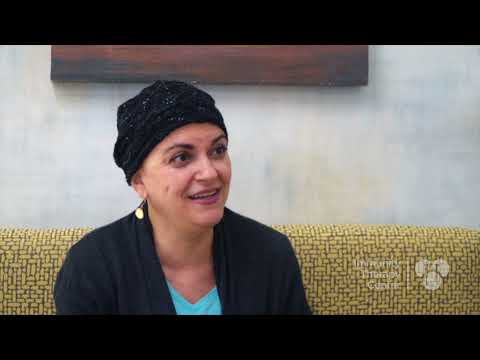
Receiving a severe health diagnosis often forces individuals to reevaluate their entire approach to wellness and medical care. At [00:49], Hendrick describes discovering a tumor on the back of his tongue that subsequently spread to a nearby lymph node. This type of head and neck cancer diagnosis usually triggers immediate recommendations for aggressive radiation and chemotherapy from conventional medical establishments.
Many patients feel hesitant about pursuing standard oncology routes due to the systemic damage these therapies cause to healthy tissues. The physical miseries associated with traditional treatments can severely degrade a patient's quality of life during an already vulnerable time. Because of these factors, individuals frequently begin researching alternative healing modalities that align better with their personal health philosophies.
The initial stages of identifying natural cancer care programs involve understanding how alternative therapies stimulate the body rather than suppress it. Patients actively seek non-toxic treatments that prioritize maintaining strong immune function throughout the recovery phase. This diligent research phase is a crucial first step in regaining control over one's personal medical journey.
The Fundamental Pillars of Holistic Cancer Therapies
A structural and highly organized plan of attack is vital when pursuing non-invasive cancer treatments at specialized clinics. As highlighted at [01:29], the initial phase of holistic therapy typically involves a comprehensive detoxification protocol. Purging the body of accumulated heavy metals, chemical residues, and metabolic waste is necessary to optimize cellular function.
Once the biological environment is cleansed, medical professionals focus on enhancing the immune system's inherent ability to recognize and destroy abnormal cells. This dual approach ensures that the body is not fighting the disease from a compromised state of toxicity. Advanced immunotherapies, targeted nutrition, and biological dentistry often work in tandem to rebuild the patient's internal defenses.
By treating the patient as a whole system rather than isolating a specific tumor, alternative facilities facilitate deep, sustainable healing. The therapies employed are designed to overlap and complement each other, creating a synergistic effect that aggressive standard treatments lack. This methodology respects the complex biological networks required for genuine long-term recovery.
Evaluating Medical Tourism Clinics for Advanced Immunotherapy
The process of selecting the right facility for alternative cancer treatment in Mexico demands thorough vetting and comparative analysis. Claudia notes at [04:54] that their research journey involved reviewing over 30 different therapeutic centers before making a final decision. Prospective patients must look closely at a clinic's medical accreditations, treatment diversity, and track record with specific types of diseases.
Transparency in communication and detailed preliminary consultations are strong indicators of a reputable medical tourism destination. Clinics that take the time to answer questions thoroughly and provide evidence-based explanations for their protocols naturally earn higher patient trust. This rigorous selection process helps families feel confident in their choice to travel abroad for critical healthcare needs.
- Comprehensive Medical Review: Top-tier centers require complete medical histories, including recent PET scans and biopsy reports, before recommending any therapies.
- Customized Treatment Plans: Reputable clinics avoid one-size-fits-all methods, tailoring exact protocols to the patient's unique biological markers.
- Transparent Communication: Dedicated medical staff maintain open lines of dialogue with patients long before they arrive at the facility.
The Profound Impact of Healing Environments on Recovery Rates
The physical and emotional atmosphere of a medical facility plays a surprisingly critical role in the physiological healing process. Upon arriving at the clinic, as mentioned at [03:26], patients often find modern renovations, boutique cafes, and a welcoming aesthetic that completely contrasts with sterile hospital wards. This vibrant setting immediately reduces the anxiety and clinical depression frequently experienced by oncology patients.
Environmental stress reduction directly influences the body's endocrine system, lowering cortisol levels and promoting the release of healing endorphins. At [06:14], Hendrick explicitly connects the flow of endorphins to improved blood quality and physical resilience. A warm, hospitable environment essentially acts as an active component of the medical treatment itself.
Medical facilities in Tijuana that cater to international patients understand the biopsychosocial model of care perfectly. By fostering spaces that feel more like wellness retreats than clinical institutions, they remove subconscious barriers to recovery. Patients can focus entirely on their therapies without the persistent psychological weight of a traditional oncology ward.
| Treatment Approach | Primary Focus | Impact on Immune System | Clinical Environment |
|---|---|---|---|
| Conventional Oncology | Tumor eradication via toxicity | Highly suppressive and damaging | Sterile, institutionalized |
| Holistic Therapy | Systemic body restoration | Stimulating and supportive | Community-driven, welcoming |
Expert Oncology Consultations at Immunity Therapy Center
Having direct, meaningful access to leading medical professionals is a hallmark of high-quality alternative cancer care. As discussed at [07:38], Dr. Bautista carefully reviews all incoming biopsy reports and PET scans to fully grasp the patient's unique situation. This meticulous level of personalized attention allows the medical team to craft highly specific therapeutic responses.
Unlike the rushed, impersonal consultations frequently found in standard healthcare systems, holistic practitioners prioritize deep patient understanding. Doctors explain exactly how chosen therapies will interact with the patient's biology to stall and reverse disease progression. This educational approach empowers patients, replacing fear and uncertainty with actionable medical knowledge.
Regular, weekly meetings with the head physician ensure that treatment plans remain dynamic and responsive to the patient's evolving condition. The ability to ask questions directly and receive nuanced, compassionate answers builds a vital bond of trust between the doctor and the patient. This collaborative medical relationship is essential for navigating complex alternative oncology protocols.
Addressing Environmental Toxins and Dietary Needs in Cancer Care
Long-term health management requires a fundamental shift in how patients interact with their daily environments and nutritional habits. At [09:12], the conversation highlights the detrimental effects of modern chemical exposures, processed foods, and synthetic steroids on human health. These everyday toxic burdens severely compromise cellular integrity and create fertile ground for diseases to flourish.
Integrative cancer centers place massive emphasis on correcting dietary deficiencies and teaching patients how to avoid environmental hazards. Patients learn to implement clean, organic diets that starve disease cells while nourishing healthy tissue with high-density micronutrients. By drastically reducing systemic inflammation through diet, the body can redirect its energy toward aggressive healing.
Understanding that the human body possesses the innate capability to repair itself is central to this philosophy. When patients commit to removing the biochemical obstacles that hinder healing, remarkable clinical outcomes become highly achievable. Education regarding sustainable lifestyle changes ensures that patients maintain their health long after they leave the medical facility.
Fostering a Community of Emotional Support During Recovery
The journey through intense medical therapy is inherently challenging, making emotional support systems an absolute necessity. At [04:18], Claudia remarks on the incredibly friendly, loving nature of both the medical staff and the local community. This deep level of human connection provides patients with immense psychological comfort when they are far from their home countries.
In holistic centers, the camaraderie developed among fellow patients sharing similar medical journeys is remarkably powerful. Engaging in communal meals, sharing stories in treatment lounges, and encouraging one another creates an uplifting environment that actively fights depression. This shared resilience acts as a daily motivator, pushing patients to remain positive and committed to their specialized protocols.
When patients witness their peers successfully completing treatments and returning home healthier, it reinforces their own belief in the process. The celebratory atmosphere surrounding a patient's departure, marked by tears of joy and exchanged addresses, highlights the deep bonds formed. These genuine emotional connections are widely recognized as critical variables in achieving favorable holistic medical outcomes.
Why Medical Tourists Choose Non-Invasive Medical Therapies
The global shift toward integrative medicine is largely driven by a demand for therapies that respect the patient's biological limits. Choosing alternative cancer treatment in Mexico allows patients to access advanced modalities that are often restricted or unavailable in their home countries. Facilities in regions like Tijuana have positioned themselves at the forefront of innovative, non-toxic oncological care.
By prioritizing therapies such as advanced hyperthermia, targeted IV nutrition, and oxygenation protocols, these clinics provide robust alternatives to standard radiation. Patients no longer have to accept the premise that they must destroy their overall health to eliminate a localized tumor. The availability of diverse, heavily researched holistic treatments gives individuals the power to make highly personalized medical decisions.
Ultimately, coming to specialized centers as a first choice rather than a last resort significantly improves the likelihood of a positive prognosis. Taking proactive control of one's healthcare journey by engaging with dedicated, knowledgeable holistic practitioners yields immense peace of mind. Comprehensive alternative therapies offer a dignified, effective pathway toward reclaiming physical vitality and lasting wellness.
Ready to Explore Holistic Cancer Treatment Options?
Discover personalized, non-invasive therapies designed to target disease while supporting your body's natural healing abilities. Connect with leading specialists for a comprehensive evaluation today.
Get Free QuoteView Full Video Transcript
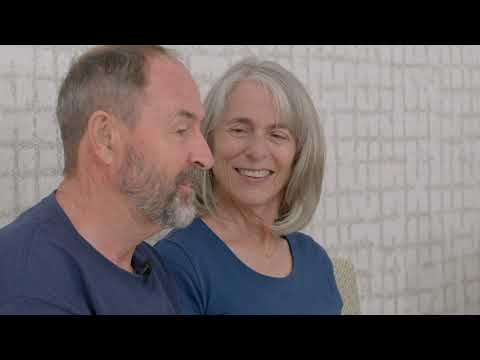
[00:24] Gaston: I'm here at Immunity Therapy Center. I'm over here with Claudia and Hendrick, and we're just going to have a conversation about our experience at Immunity Therapy Center. What brought you here, folks?
[00:38] Hendrick: Cancer. Yeah.
[00:41] Gaston: Cancer. What's your diagnosis?
[00:43] Hendrick: Well, it's a good one. A good prognosis, a diagnosis is a cancer on the back of my tongue, which then showed up on the outside with a blown up lymph node. Grew slowly. We started investigating it in about January. We pursued the normal sort of directions, seeing the doctors and getting all the correct procedures and what was supposed to happen, but I didn't feel confident about it at all. So in my mind, I started to develop a plan of attack because I'm a structural sort of person. And I knew I had to first of all detox, and then create a situation where my body would see the cancer, and then also to improve the ability of my body to beat the cancer. And that was all developing and we were laying all this stuff out and it just overlapped nicely with exactly what Dr. Bautista is doing. So we were fully confident when we came down that this is the better way to go. Rather than go through all the normal practices of radiation and chemotherapy and the misery and everything that's involved with that, this would just be so much better.
[02:18] Gaston: Absolutely. And tell me, how was it affecting your daily life mostly when you found out about your diagnosis back home?
[02:26] Claudia: We live in Hawaii. We've been there for many years and Hank runs a business there. And actually he had no symptoms whatsoever. Maybe a little bit more tired, but when you get older, that's what happens. But the main thing was the lump on his neck. And it started out real small and in November, and by the time we got back from Christmas, it was about the size of a golf ball.
[03:13] Gaston: Wow. Mexico, from Hawaii, such a long journey.
[03:17] Hendrick: It was nice. When we got here, we got here at nighttime, so we didn't see much. But when we started looking around the next day driving to from the apartments to the center, you know, you could see there's all these buildings being renovated and cute little houses, you know, it was really sort of different than what I expected. And then after the therapy sessions, we walked around and find these little cafes and boutiques, and it's like, wow, this is pretty cool. And everybody in those stores is just incredibly friendly.
[03:54] Claudia: The people are wonderful, they're very loving. Especially here at the center. I mean, everybody just does the most wonderful loving things. And I know even yesterday there was a fellow that came in for the first day, and he said somebody came in to talk to him, and I was in the room and they left, and he said, "Can you believe how nice these people are?" And I said, "It's just a loving environment, which is so conducive to healing." But we've really enjoyed the time that we've been here so far.
[04:30] Gaston: We had no idea really what to expect except for what we knew from what we had seen four years ago on the documentary.
[04:40] Claudia: Yeah. And when we found out about the therapy, because we knew from four years ago, it wasn't until we called and Gama started talking about some things that I realized that there was over 30 different centers. And to know that we were already zoned in on one specific center, and we know that every day that we've had peace about what we chose.
[05:08] Gaston: How's it been so far with the treatments? Have there been any painful treatments? Has it been invasive or what's been your experience so far?
[05:20] Hendrick: Well, Adolfo's jokes are a little bit painful, but no, the guy that works on me a lot, he's a crack up. He keeps me going all day, and that's a part of it. You know, you get good friendly people, your attitude stays up. And the camaraderie between all the people on the different therapy benches and things. It's not what you'd normally suspect in like a hospital or anything like that. And we've all become good friends because a lot of us live together in the same apartments. And that's part of keeping everything up. Environment is one of the things to look at for your blood, for your body. And this is it, you know, if you can keep your endorphins flowing and stuff...
[06:16] Claudia: A couple left yesterday and they were here to greet us the first morning we came down to get into the van to come to the center. And they had to leave yesterday, and we were all out there washing their windows because they brought their truck. We were packing the back end of their vehicle, and nobody wanted to leave, and nobody wanted them to. And there was tears and everybody had their addresses, and everybody's praying for everybody else, and the folks are family. Along with all of you as well.
[06:53] Gaston: Tell us a little bit, what do you think, how has it been with your experience with Dr. Bautista? What is your impression when you met him?
[07:04] Hendrick: Well, he's definitely knowledgeable in what he's, the product that he has here to show people and to help people. There's really... not much I can say, he just fits the bill exactly.
[07:23] Claudia: He was the first, besides Gama, he was the first one we talked to. And when he called, after he had seen his reports of the biopsy and the PET scan, etc. that he responded in a way that we didn't even hear from our doctor back home. He knew what he was talking about and he was very open and communicative about what needed to be done and how they would go forward with that. And so I felt at ease right away. And of course I thought he would be our doctor, but then I realized once we got here that he oversees all of it and of course he helps guide and direct with the prognosis and what they're going to choose for therapies, etc. So we were just really pleased and he sees each of us every week. So we have the opportunity to spend time with him and ask him all the questions that we would like to ask.
[08:29] Gaston: Hendrick and Claudia, well, if there's anything, any message that you can tell for people seeking for help and are maybe hesitant or afraid of coming into Mexico, Tijuana, Mexico, or going the alternative medicine route, what would be that message? What would you tell them?
[08:55] Hendrick: Well, I think primarily is that our bodies were created by God, and they have the ability to beat anything that comes out, if we give them that opportunity. You know, we get messed up over the years with different foods that we eat and the things that they put out there for us to live on. All the steroids and stuff that add to the problems. But our bodies can still beat that. So you know, that was the primary thing is we have that ability. Where I found it to be very peaceful for me is that I came here first. That means when I found out what I had going on, this was my first choice. Many people who come here, this is their last choice, and they still walk away in a lot better condition than they were when they got here with a better prognosis. And wishing that they would have started. And I think that's the key is giving the body a chance to survive.

.png)
.png)









Share this listing