


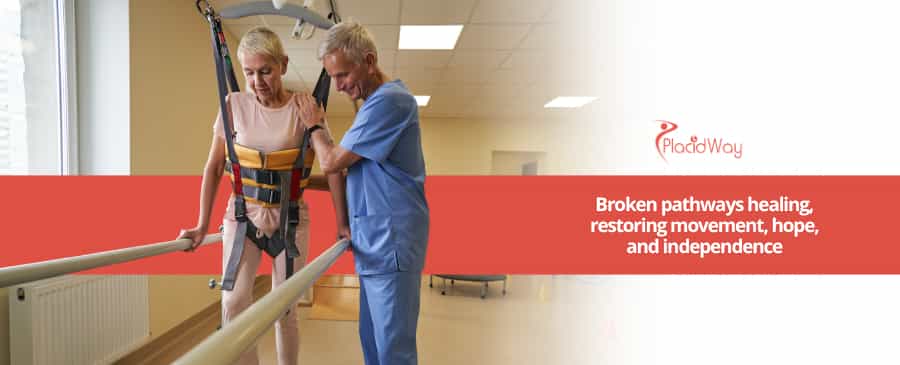
The journey toward rehabilitation following a neurological event is often arduous, leading many individuals to explore innovative medical solutions across borders. Stem cell therapy for stroke in Mexico has emerged as a promising frontier for international patients seeking to regain lost mobility and cognitive function. This advanced regenerative medicine approach focuses on utilizing the body's intrinsic cellular mechanisms to repair damaged neural tissues. By targeting areas of the brain affected by ischemic or hemorrhagic events, these therapies aim to support the central nervous system's natural healing capabilities.
For individuals facing prolonged disabilities, traditional rehabilitation methods sometimes reach a plateau, prompting the search for complementary medical interventions. Medical tourism in Mexico offers access to progressive cellular treatments that may not yet be widely available or affordable in a patient's home country. While results vary, most patients experience an improvement in their quality of life when regenerative therapies are combined with diligent physical rehabilitation. Understanding the scientific foundation of this treatment is the first step toward making an informed international healthcare decision.
- Focuses on reducing neuroinflammation in the brain tissue.
- Aims to stimulate angiogenesis, the formation of new blood vessels.
- Encourages neurogenesis, supporting the growth of new neural pathways.
- Provides supportive growth factors to prevent further cellular degradation.
Why Canadians Seek Stem Cell Treatment for Stroke in Mexico
In recent years, an increasing number of Canadians have been looking beyond their domestic healthcare system to address severe neurological conditions. Lengthy waiting lists and stringent regulatory frameworks at home often limit immediate access to experimental or newly developed regenerative therapies. As a result, seeking stem cell clinics in Mexico has become a viable alternative for patients determined to accelerate their recovery window. The geographic proximity and established medical tourism infrastructure make the cross-border journey highly appealing for North American travelers.
Beyond accessibility, the specialized expertise found in Latin American medical centers is a significant driving factor for international patients. Many facilities in the region are staffed by internationally trained specialists who utilize cutting-edge medical technologies. Canadians traveling for healthcare generally find that these international centers provide highly personalized care protocols tailored specifically to neurological rehabilitation. The combination of immediate availability and dedicated patient care environments creates a compelling case for seeking treatment abroad.
Mexico hosts several internationally accredited medical facilities that adhere strictly to global healthcare safety standards, making it a leading hub for regenerative medicine in North America.
- Immediate access to therapies without prolonged waiting periods.
- Care provided by multidisciplinary teams specializing in neurology.
- Geographical proximity allows for relatively short and straightforward flights.
- Highly personalized, patient-centric treatment protocols.
How Stem Cells Aid Neurological Healing and Stroke Rehabilitation
The core mechanism of regenerative medicine lies in the unique ability of undifferentiated cells to adapt and support healing in damaged tissues. Following a cerebrovascular accident, the brain suffers from localized cell death and significant inflammation, which impedes functional recovery. Introducing viable stem cells into the patient's system typically helps modulate this aggressive immune response, thereby protecting surviving neurons from secondary damage. This neuroprotective quality is considered crucial during the critical phases of stroke rehabilitation.
Furthermore, these cells secrete powerful cytokines and growth factors that essentially act as molecular messengers within the central nervous system. These signals generally prompt the body's own dormant neural stem cells to activate, aiding in the structural repair of the brain network. While stem cells do not magically replace dead brain tissue, they create an optimal biological environment for neuroplasticity to occur. Most patients experience improved responsiveness to physical and occupational therapies as a direct result of this enhanced cellular environment.
Scientific studies suggest that the primary benefit of stem cell therapy in stroke recovery lies in the "paracrine effect," where introduced cells release beneficial proteins that stimulate the patient's own tissue repair mechanisms.
- Modulation of chronic inflammation within the central nervous system.
- Enhancement of the brain's innate neuroplasticity.
- Secretion of neurotrophic factors that support cellular survival.
- Facilitation of enhanced outcomes from conventional physical therapies.
Affordable Stem Cell Therapy Cost for Stroke Recovery in Mexico
One of the most compelling reasons international patients travel south is the highly affordable stem cell therapy in Mexico. The financial burden of long-term disability and out-of-pocket medical expenses in countries like Canada and the United States can be overwhelming for families. By contrast, the favorable exchange rates and lower operational overhead in Latin America allow premier clinics to offer advanced treatments at a fraction of North American prices. This financial accessibility ensures that patients do not have to compromise on the quality of care they receive.
When evaluating the stem cell procedure cost in Mexico, it is vital to consider what is included in comprehensive treatment packages. Reputable facilities typically bundle initial assessments, the cellular product, medical administration, and basic post-procedure monitoring into a single, transparent fee structure. While private cellular therapies in North America can reach exorbitant heights, the competitive medical market abroad provides realistic options. Patients are encouraged to thoroughly review all cost breakdowns prior to embarking on their medical journey.
| Procedure/Service Name | Average Cost in Mexico (USD) | Average Private Cost in Canada/USA (USD) |
|---|---|---|
| Initial Neurological Consultation & Assessment | $200 - $500 | $800 - $2,500 |
| Intravenous (IV) Stem Cell Infusion | $3,500 - $8,000 | $15,000 - $30,000 |
| Intrathecal Stem Cell Administration | $5,000 - $12,000 | $25,000 - $45,000 |
| Comprehensive Post-Stroke Rehab Package (1 Week) | $1,500 - $3,000 | $5,000 - $10,000 |
Types of Stem Cells Used for Stroke Recovery in Mexico
The efficacy of regenerative medicine heavily depends on the specific biological materials utilized during the procedure. In specialized clinics treating neurological trauma, Mesenchymal Stem Cells (MSCs) are generally the gold standard due to their remarkable safety profile and potent anti-inflammatory capabilities. These cells are typically sourced ethically from donated umbilical cord tissue, known as Wharton's Jelly, which provides a high yield of young, robust cells. Using ethically derived, screened, and expanded MSCs ensures that patients receive a pure and potent biological product.
Another approach involves utilizing autologous cells, which are harvested directly from the patient's own bone marrow or adipose (fat) tissue. While this eliminates the minimal risk of immune rejection, older patients or those with underlying health issues might yield less vibrant cells compared to umbilical cord derivatives. Medical specialists rigorously evaluate each patient's medical history to determine which cellular source will typically offer the highest probability of clinical benefit. Understanding these variations helps medical tourists make educated decisions alongside their chosen physicians.
Mesenchymal stem cells (MSCs) account for the vast majority of cellular products used globally in clinical applications for neurological regeneration, due to their unique immunomodulatory properties.
- Umbilical Cord Tissue (Wharton's Jelly): Rich in potent, youthful MSCs with high proliferation capacity.
- Bone Marrow Aspirate: Autologous source rich in hematopoietic and mesenchymal cells.
- Adipose-Derived Cells: Harvested from fat tissue, offering a high volume of autologous cells.
- Exosomes: Extracellular vesicles sometimes used alongside stem cells to enhance intercellular communication.
The Medical Tourism Experience for Neurological Care in Mexico
Embarking on a healthcare journey across international borders involves careful logistical planning, especially for patients dealing with mobility or cognitive impairments. The medical tourism in Mexico ecosystem is highly attuned to the unique needs of international visitors, offering streamlined services that prioritize patient comfort. Leading healthcare facilities often feature international patient departments dedicated exclusively to coordinating language translation, medical records transfer, and local nursing support. This comprehensive infrastructure ensures that patients and their families can focus entirely on the healing process.
From the moment of arrival, Canadian patients generally find a welcoming environment designed to minimize the stress of medical travel. Many destination healthcare providers employ bilingual medical staff, ensuring that complex medical terminology is clearly communicated and understood. Furthermore, the modern facilities rival those found in North America, featuring state-of-the-art diagnostic imaging and sterile laboratory environments. The combination of clinical excellence and compassionate hospitality makes the cross-border healthcare experience smooth and reassuring.
Always travel with a trusted companion or family member who can assist with daily activities and help process detailed medical information during consultations abroad.
Evaluating Top Stem Cell Clinics and Stroke Centers in Mexico
Selecting the right facility is arguably the most critical step in pursuing international regenerative therapy. Patients must prioritize clinics that demonstrate stringent adherence to international laboratory standards and employ board-certified neurologists and hematologists. Patients exploring international care often research facilities known for comprehensive, holistic protocols. For instance, many individuals look into the comprehensive care provided at the Immunity Therapy Center in Tijuana, Mexico. When evaluating your options, finding specialized advanced regenerative medicine therapies for stroke recovery is an important step in your healthcare journey.
Transparency regarding cell sourcing, laboratory expansion practices, and post-treatment monitoring is the hallmark of a trustworthy medical institution. Reputable centers will willingly provide detailed information about their cellular viability rates and independent laboratory testing certificates. It is essential to engage in thorough preliminary consultations with prospective doctors to ensure they have specific experience treating cerebrovascular conditions. Rigorous evaluation of these clinical parameters ultimately safeguards patient health and optimizes therapeutic potential.
- Verify the clinic's international accreditations and local health ministry certifications.
- Request documentation regarding cell viability testing and laboratory sterility protocols.
- Ensure the medical team includes specialists in neurology or physical medicine.
- Look for clinics that mandate thorough pre-treatment diagnostic imaging and blood work.
Preparing for Your Regenerative Stroke Treatment in Mexico
Adequate preparation is essential to maximize the potential benefits of cellular therapies and ensure a safe medical journey. Weeks before traveling, patients must undergo a series of diagnostic tests locally, including MRIs, detailed blood panels, and cardiovascular assessments, to determine their precise medical baseline. These records are vital for the international medical team to customize the cellular dosage and administration method accurately. Open communication between the patient's primary care physician at home and the international treating specialist is highly encouraged.
Patients are also generally advised to adopt specific lifestyle modifications prior to their procedure to create a receptive biological environment. This typically includes optimizing nutrition, managing blood pressure meticulously, and avoiding alcohol or specific medications that might interfere with cellular function. Mental and emotional preparation is equally important, as maintaining realistic expectations regarding recovery outcomes fosters a healthier rehabilitation mindset. Comprehensive preparation ultimately lays a solid foundation for clinical success.
Patients with active infections, recent history of certain cancers, or severe uncontrolled medical conditions are strictly contraindicated for regenerative cellular therapies. Full medical disclosure prior to travel is mandatory to prevent severe complications.
The Procedure Process for Stem Cell Therapy in Mexico
The clinical administration of regenerative therapies is typically a straightforward, minimally invasive process performed in a sterile outpatient setting. Upon arrival, patients undergo a final round of evaluations to confirm their stability and readiness for the procedure. Depending on the targeted area of neurological injury, the specialist will utilize either a systemic intravenous (IV) drip or an intrathecal injection, which delivers the cells directly into the spinal fluid. The intrathecal route is often preferred for brain injuries as it effectively bypasses the blood-brain barrier.
During the administration, the patient remains awake and is continuously monitored by the medical nursing staff to ensure maximum comfort and safety. The actual delivery of the cells usually takes between one to three hours, followed by a brief observation period to watch for any immediate, albeit rare, adverse reactions. Most patients experience no significant discomfort beyond a minor pinch at the injection site. Following clearance by the attending physician, patients are free to return to their recovery accommodations to rest.
Intrathecal administration allows regenerative cells to directly enter the cerebrospinal fluid, significantly increasing the concentration of beneficial cells reaching the injured areas of the brain.
- Final comprehensive medical check and vital sign stabilization.
- Preparation of the sterile biological product in the laboratory.
- Minimally invasive administration via IV drip or lumbar puncture.
- Post-procedure observation and immediate aftercare instructions.
Typical Recovery Timeline Following Stem Cell Treatment in Mexico
Understanding the physiological recovery timeline helps patients and their families manage expectations during the post-treatment phase. Following the initial administration, patients generally experience a short period of mild fatigue or low-grade flu-like symptoms as the body processes the new cellular material. This initial phase typically resolves within 24 to 48 hours, after which patients are cleared to travel back home safely. The real biological work, however, begins at the microscopic level and unfolds over several months.
Noticeable functional improvements are rarely immediate; neurogenesis and tissue repair are inherently gradual processes. Most patients experience subtle changes in their energy levels, spasticity reduction, or minor motor improvements within the first three to six months. Sustained neurological healing continues to progress up to a year following the initial intervention. Consistent follow-up care and adherence to prescribed physical therapy regimens are critical factors in maximizing long-term functional recovery.
Clinical observations indicate that the peak biological activity and maximum cellular differentiation occur between 3 to 6 months post-administration.
Assessing Safety and Efficacy of Regenerative Medicine in Mexico
When considering international medical treatments, patient safety must always be the paramount concern. Reliable stem cell clinics in Mexico operate under strict regulatory oversight provided by COFEPRIS (the Federal Commission for the Protection against Sanitary Risk), ensuring that clinical practices align with national health standards. Properly sourced and processed MSCs have a widely documented safety profile in clinical applications, with an extremely low incidence of adverse immune reactions or tumor formation. Nevertheless, patients must understand that there is no zero-risk medical procedure.
The efficacy of these treatments is highly variable and depends intrinsically on the severity, location, and chronicity of the initial stroke. While many individuals report improved quality of life and enhanced independence, regenerative therapy is not categorized as a definitive cure. Evidence-based medicine requires patients to approach these therapies as advanced supportive tools rather than miraculous interventions. Transparent clinics will clearly articulate these realities during the consultation phase, ensuring fully informed consent.
Umbilical cord-derived Mesenchymal Stem Cells are "immune-privileged," meaning they generally lack the specific markers that trigger a rejection response from the patient's immune system.
Integrating Traditional Stroke Rehabilitation with Stem Cells
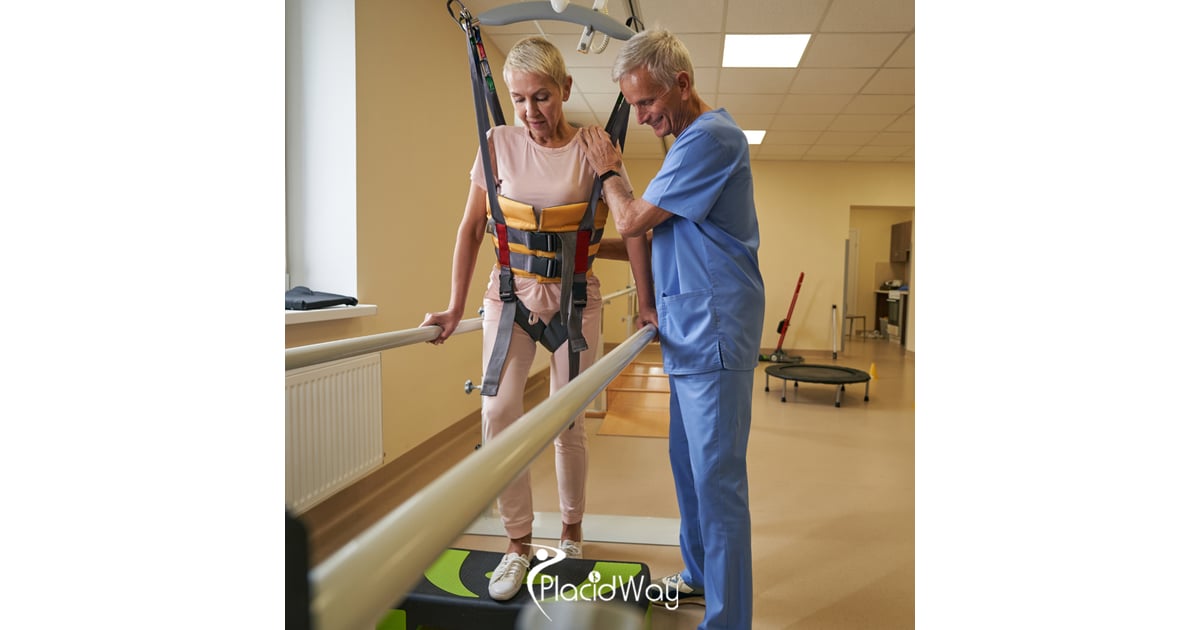
A common misconception is that regenerative treatments replace the need for traditional rehabilitative therapies; in reality, they are highly synergistic. Physical, occupational, and speech therapies remain the cornerstones of stroke recovery. Stem cells function by creating a more malleable and receptive neural environment, theoretically enhancing the brain's ability to rewire itself through neuroplasticity. Therefore, the physical stimulation provided by rigorous traditional rehabilitation is essential to direct those newly formed neural pathways.
Many specialized medical centers encourage a multidisciplinary approach, offering integrated therapy sessions immediately following cellular administration. Upon returning to Canada, patients are strongly advised to resume their rigorous local physiotherapy routines. This combined strategy ensures that the biological scaffolding provided by the regenerative treatment is fully utilized through mechanical repetition and functional training. Ultimately, the most successful outcomes arise from a dedicated, holistic approach to long-term healing.
Secure a local physical therapist in your home country before you travel, and provide them with your international treatment protocols so they can tailor your post-treatment exercise regimen appropriately.
Real Patient Journeys with Stroke Stem Cell Therapy in Mexico
Hearing about the real-world experiences of others can provide valuable perspective for those navigating the complexities of neurological recovery. Many international patients document their journeys, highlighting both the logistical ease of medical travel and the clinical outcomes they experienced over time. While individual results vary significantly, shared narratives often focus on gradual improvements in daily functioning, reduced muscle spasticity, and a renewed sense of hope.
These summaries reflect the diverse ways regenerative therapies can impact patients dealing with post-stroke complications. The following patient accounts illustrate the typical cautious optimism and gradual progress associated with comprehensive cellular interventions.
Ischemic Stroke Survivor, 62
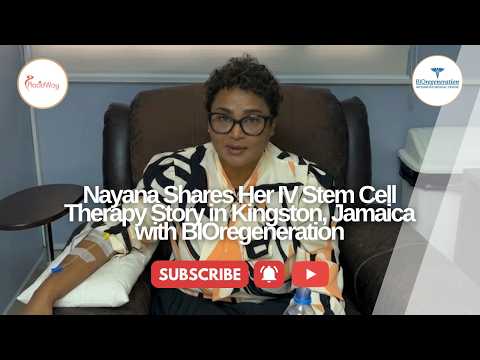
After struggling with right-side paralysis for two years, this Canadian patient traveled for intrathecal therapy. Over six months, they experienced gradual improvements in arm mobility and reported feeling more energetic during routine physical therapy sessions.
Hemorrhagic Stroke Patient, 55
Facing severe speech impediments, this patient opted for a combined IV and localized treatment protocol. While full speech was not restored, family members noted a subtle but meaningful increase in articulation clarity and cognitive stamina within four months.
Long-term Disability Patient, 70
Seeking relief from chronic muscle spasticity resulting from a stroke five years prior. Following an autologous cellular treatment, the patient generally experienced a reduction in muscle tightness, which made daily occupational therapies significantly more manageable.
Recent Stroke Patient, 48
Traveled abroad just six months post-stroke to maximize the early neuroplasticity window. The patient integrated daily physiotherapy with the regenerative protocol and reported to their local neurologist that their balance and core stability had moderately improved.
How PlacidWay Assists Your Stem Cell Therapy Medical Tourism Journey in Mexico
Navigating the complex landscape of international regenerative medicine requires careful research, trusted connections, and professional guidance. PlacidWay serves as a dedicated partner for individuals seeking specialized medical tourism in Mexico, ensuring that you connect with reputable and certified healthcare providers. By leveraging a vast global network, the platform simplifies the daunting task of evaluating medical facilities across borders.
Focusing entirely on facilitating your access to quality healthcare, PlacidWay provides comprehensive support designed to empower your medical decisions. Our dedicated team assists you in obtaining transparent information, understanding your medical options, and connecting with the right specialists for your unique neurological needs.
- Connecting patients with internationally accredited, top-tier regenerative medical facilities.
- Facilitating secure transfer of medical records and diagnostic imaging to international specialists.
- Assisting with acquiring comprehensive, customized medical quotes for informed financial planning.
- Providing continuous, compassionate communication support between patients and clinical coordinators.
- Offering extensive educational resources to help patients thoroughly understand specific medical procedures.
Frequently Asked Questions
Is stem cell therapy for stroke recovery safe in Mexico?
When performed in certified facilities by qualified medical professionals, stem cell treatments in Mexico are generally considered safe. However, as with any medical procedure, there are inherent risks that should be thoroughly discussed with your healthcare provider. Most patients experience minimal side effects when rigorous safety protocols are followed.
How long does a stem cell treatment trip to Mexico usually take?
A typical medical tourism trip for stem cell therapy generally lasts between one to two weeks, depending on the specific treatment protocol. This timeframe allows for preliminary testing, the administration of the cells, and initial post-treatment monitoring. Patients are advised to factor in adequate rest days before traveling back home.
Do Canadians need a special medical visa for treatment in Mexico?
Canadians typically do not need a special medical visa for stays under 180 days; a standard tourist entry is usually sufficient for receiving medical care. You must ensure your passport is valid for at least six months beyond your planned date of departure. Always verify current entry requirements with official consular channels before traveling.
Will stem cell therapy cure my stroke disabilities completely?
Stem cell therapy is not a guaranteed cure for stroke-related disabilities, but rather an advanced therapeutic tool aimed at supporting the body's natural healing mechanisms. Most patients experience varying degrees of functional improvement, which largely depends on the severity and type of the initial stroke. Realistic expectations and ongoing rehabilitation are crucial for optimal outcomes.
What type of stem cells are most commonly used for stroke recovery?
Mesenchymal stem cells (MSCs), typically derived from umbilical cord tissue or bone marrow, are the most frequently utilized cells for neurological regeneration. These cells are highly valued for their potent anti-inflammatory properties and their ability to promote neurogenesis. Medical professionals generally favor MSCs due to their established safety profile in clinical applications.
How much does stem cell therapy for stroke cost in Mexico?
The cost of stem cell therapy for stroke recovery in Mexico typically ranges between $5,000 and $15,000 USD, depending on the clinic and the customized treatment plan. This represents a significant savings compared to the out-of-pocket costs for similar private therapies in the United States or Canada. Comprehensive packages often include medical fees, facility costs, and initial follow-up consultations.
When will I see results after my regenerative stroke treatment?
The timeline for noticing improvements varies widely among individuals, though many patients report subtle changes within the first three to six months. Neurological healing is a gradual process, and the stem cells typically require time to reduce inflammation and stimulate tissue repair. Long-term progress is usually best evaluated after six months to a year.
Can I continue traditional physical therapy after receiving stem cells?
Yes, integrating traditional physical therapy is highly encouraged and is often considered a vital component of the overall recovery strategy. Stem cell therapy aims to create a more favorable neurological environment, which can actually enhance the effectiveness of standard rehabilitation exercises. A multidisciplinary approach generally yields the most comprehensive improvements in mobility and function.
How are the stem cells administered during the procedure?
Stem cells are typically administered through a minimally invasive intravenous (IV) infusion or an intrathecal injection directly into the spinal canal. The delivery method is chosen based on the specific location of the brain injury and the patient's overall health status. Your treating physician will determine the most effective and safe route for your individual neurological needs.
Is follow-up care available once I return to Canada?
Reputable international clinics generally provide remote follow-up care via telehealth consultations to monitor your progress after you return home. It is also strongly recommended to establish a relationship with a local healthcare provider in Canada who is informed about your treatment abroad. Consistent local monitoring ensures that any necessary adjustments to your ongoing rehabilitation plan are made promptly.
References
- Mayo Clinic. Stem cells: What they are and what they do. https://www.mayoclinic.org/tests-procedures/bone-marrow-transplant/in-depth/stem-cells/art-20048117
- Heart and Stroke Foundation of Canada. Stroke Recovery and Support. https://www.heartandstroke.ca/stroke/recovery-and-support
- ClinicalTrials.gov. Stem Cell Research in Stroke Rehabilitation. https://clinicaltrials.gov/search?cond=Stroke&term=Stem%20Cells















Share this listing