



The pursuit of longevity and vitality has led to a significant increase in international interest regarding stem cell therapy in Japan. In recent years, a growing demographic of Singaporean medical tourists has begun traveling to Japanese medical centers seeking advanced regenerative treatments. These patients are drawn by the country's progressive legal framework and reputation for meticulous clinical standards in cellular medicine. The integration of advanced biotechnology with specialized patient care has established the region as a primary hub for anti-aging solutions.
Understanding the cellular mechanisms of aging is central to the development of anti-aging stem cell treatments in Japan. Regenerative medicine focuses on the body's natural ability to repair tissues, utilizing cultivated cells to potentially support physiological maintenance. While outcomes vary widely among individuals, the goal is typically to address cellular degradation that naturally occurs over time. This scientific approach continues to attract patients who are looking for alternatives to traditional cosmetic interventions.
Japan enacted the Act on the Safety of Regenerative Medicine in 2014, making it one of the first nations to establish a dedicated, fast-track regulatory pathway specifically for stem cell research and clinical application.
- Autologous cell utilization: Therapies generally rely on the patient's own biological material.
- Strict quality control: Cell cultivation takes place in highly monitored, state-of-the-art laboratory facilities.
- Comprehensive diagnostics: Treatment protocols typically begin with extensive health and genomic screenings.
- Holistic anti-aging focus: Procedures aim to target both aesthetic rejuvenation and internal cellular health.
Why Singaporeans Choose Stem Cell Treatment in Japan
Singaporean patients are increasingly exploring cross-border healthcare options due to specific domestic regulatory environments regarding elective cellular therapies. While Singapore boasts world-class healthcare, certain cosmetic and anti-aging regenerative protocols are more accessible abroad. The geographical proximity and favorable exchange rates make traveling to East Asia a highly practical choice. Consequently, medical tourism in Japan has seen a steady influx of patients seeking specialized cellular rejuvenation programs.
Beyond geographical convenience, the cultural emphasis on precision and hygiene aligns well with the expectations of international patients. Japanese clinics generally offer highly personalized concierge services, ensuring clear communication through medical interpreters. Patients appreciate the transparent ethical guidelines and the methodical approach taken by medical professionals. This combination of advanced science and meticulous hospitality forms the foundation of why so many choose this destination.
According to regional market analyses, the Asia-Pacific regenerative medicine market is projected to expand significantly, with Japan holding a dominant share due to its established clinical infrastructure and international patient influx.
- Shorter travel distances: A direct flight from Singapore takes roughly six to seven hours.
- Advanced cultivation techniques: Japanese laboratories utilize proprietary methods to maximize cell viability.
- Cultural affinity: High standards of cleanliness and disciplined medical protocols resonate with global travelers.
- Integrated wellness: Clinics often combine cellular therapy with nutritional and lifestyle counseling.
Understanding the Science Behind Anti-Aging Stem Cell Procedures in Japan
The foundation of regenerative medicine in Japan lies in the unique properties of mesenchymal stem cells (MSCs). These specialized cells possess the capability to differentiate into various tissue types and secrete paracrine factors that facilitate tissue repair. As the human body ages, the natural reservoir and efficacy of these cells gradually decline, leading to visible and systemic signs of aging. Medical professionals aim to harvest, multiply, and reintroduce these vital cells to support the body's natural restorative processes.
When administered, these cultivated cells typically navigate toward areas of inflammation or cellular damage. Researchers believe that the introduced cells help modulate the immune system and promote the regeneration of collagen and elastin fibers. This process is complex and the biological response can differ significantly from one patient to another. It is important to note that while the science is promising, long-term clinical studies are continually evolving.
Mesenchymal stem cells (MSCs) are multipotent stromal cells that can differentiate into a variety of cell types, including osteoblasts (bone cells), chondrocytes (cartilage cells), and adipocytes (fat cells).
- Paracrine signaling: Cultivated cells release growth factors that encourage surrounding cells to repair themselves.
- Fibroblast activation: Treatments often target the structural framework of the skin to improve elasticity.
- Immune modulation: Introduced cells may help regulate inflammatory responses associated with aging.
- Angiogenesis promotion: The therapy can potentially support the formation of new blood vessels for better tissue oxygenation.
Cost of Stem Cell Therapy in Japan Versus Singapore
Evaluating the cost of stem cell therapy in Japan requires a careful understanding of the specific protocols, cell counts, and laboratory fees involved. Because these treatments are elective and highly customized, pricing structures vary widely based on the individual's biological needs. International patients must also factor in the cost of initial diagnostics, cell cultivation, and subsequent administration phases. While the initial financial outlay may seem substantial, the quality of laboratory processing is a critical value factor.
Singapore generally maintains stringent regulations on elective cellular therapies, making direct local cost comparisons difficult as many purely anti-aging procedures are restricted. However, when comparing general regenerative medical costs globally, traveling eastward often presents a competitive advantage. Patients are advised to request comprehensive quotes that clearly delineate medical fees from associated travel and translation expenses. Transparent pricing ensures that medical travelers can make informed, financially sound healthcare decisions.
| Procedure Name | Average Cost in Japan (USD) | Cost Comparison context (Singapore / Global) |
|---|---|---|
| Autologous MSC Therapy (Systemic IV) | $15,000 - $25,000 | Often unavailable electively in SG; globally competitive compared to the US ($20k-$35k). |
| Localized Dermal Fibroblast Injection | $5,000 - $12,000 | Restricted availability in SG; more affordable than European aesthetic counterparts. |
| Cell Extraction and Annual Banking Fee | $3,000 - $6,000 (Initial) + $500/yr | Highly structured pricing; generally matches international cell banking standards. |
| Comprehensive Anti-Aging Diagnostic Panel | $1,500 - $3,500 | Comparable to premium executive health screenings in Singaporean private hospitals. |
Regulatory Excellence for Stem Cell Clinics in Japan
The safety framework governing stem cell clinics in Japan is globally recognized for its rigorous oversight and patient protection measures. The Ministry of Health, Labour and Welfare mandates that all institutions offering regenerative medicine must undergo strict certification processes. Laboratories cultivating biological materials are subjected to independent audits to ensure compliance with pharmaceutical-grade standards. This legislative environment provides international patients with a structured and secure medical experience.
Each proposed treatment protocol must be reviewed and approved by certified institutional review boards before it can be administered to patients. The categorization of risk levels determines the extent of clinical scrutiny required, ensuring that higher-risk procedures face maximum evaluation. This transparency is crucial for building trust among individuals traveling from regions with different regulatory standards. Consequently, patients generally feel more confident in the clinical integrity of the provided healthcare.
Always verify that the clinic you are considering is officially registered under the Act on the Safety of Regenerative Medicine. Legitimate facilities will readily provide their governmental registration numbers upon request.
- Government oversight: Mandatory reporting of clinical outcomes ensures continuous monitoring.
- Facility classification: Clinics are graded based on the complexity and risk of the cellular therapies they offer.
- Ethical boards: Independent committees review patient safety protocols and medical ethics.
- Traceability: Strict tracking systems are implemented from the point of cell extraction to final administration.
What to Expect During Stem Cell Therapy in Japan
Embarking on a journey for affordable stem cell therapy in Japan involves a highly structured, multi-step clinical process. The initial phase is dedicated to comprehensive health evaluations, including blood work and imaging, to ascertain baseline cellular health. Once cleared, patients undergo a minimally invasive procedure, typically a minor liposuction or skin biopsy, to harvest the necessary biological material. This extraction is generally performed under local anesthesia in a sterile clinical environment.
Following extraction, the samples are transported to specialized cultivation laboratories where they grow and multiply over several weeks. Patients usually return to their home country during this incubation period before traveling back for the final administration. The reintroduction of cells is usually straightforward, involving either targeted localized injections or an intravenous drip. Medical teams monitor the patient closely during and immediately after the infusion to ensure physiological stability.
The cultivation phase is critical; laboratories can multiply a small sample of a few million cells into hundreds of millions of potent cells over a period of three to five weeks.
- Phase 1: Consultation and Diagnostics: Detailed assessment of patient eligibility and medical history.
- Phase 2: Tissue Extraction: A brief, minimally invasive outpatient procedure to gather adipose tissue or skin cells.
- Phase 3: Laboratory Cultivation: Weeks of carefully monitored cellular multiplication in clean-room environments.
- Phase 4: Administration: The re-infusion or injection of the cultivated cells back into the patient's body.
Patient Selection and Eligibility for Stem Cell Therapy in Japan
Determining who qualifies for stem cell therapy in Japan is a rigorous process designed to prioritize patient safety above all else. Medical professionals conduct exhaustive pre-treatment screenings to identify any underlying conditions that might complicate the therapy. Not every individual seeking anti-aging treatments will be deemed an appropriate candidate by the attending physicians. The success and safety of regenerative procedures rely heavily on the baseline health of the patient's biological systems.
Certain medical histories present strict contraindications for receiving cultivated cell therapies. Doctors generally err on the side of caution, declining treatment if there is any indication of active disease processes that cellular therapy could potentially exacerbate. Honest disclosure of all past and current medical conditions during the initial consultation is absolutely vital. Patients must understand that the primary objective is to ensure that the procedure poses no undue risk to their overall well-being.
Stem cell therapies are strictly contraindicated for individuals with active malignancies, a history of certain cancers, severe systemic infections, or advanced autoimmune disorders. Always consult with a qualified oncologist or primary care physician before pursuing regenerative medicine.
- Age considerations: While focused on anti-aging, extreme advanced age may limit the viability of harvested cells.
- Cancer screening: Comprehensive tumor marker tests are typically mandatory prior to approval.
- Infectious diseases: Patients testing positive for active hepatitis or HIV are generally not eligible.
- Medication review: Use of certain immunosuppressants or blood thinners may alter treatment timelines.
Types of Stem Cell Treatments Available in Japan
When exploring the landscape of regenerative medicine in Japan, patients will encounter several distinct types of cellular treatments tailored to different goals. Adipose-derived mesenchymal stem cells are highly popular because fat tissue contains a robust concentration of viable cells. These cells are frequently utilized for systemic anti-aging protocols delivered via intravenous infusion. The versatility of adipose tissue makes it a cornerstone of modern regenerative aesthetics.
Another prevalent approach involves the cultivation of dermal fibroblasts, which are specifically targeted toward skin rejuvenation. By harvesting a small sample of healthy skin, usually from behind the ear, laboratories can isolate cells responsible for collagen production. These are then injected precisely into facial areas to address fine lines and loss of elasticity. Medical teams tailor the specific type of cell therapy directly to the clinical outcomes desired by the patient.
Fibroblasts are the most common cells of connective tissue in animals and synthesize the extracellular matrix and collagen, playing a critical role in wound healing and skin structural integrity.
- Adipose-derived MSCs: Extracted from abdominal or thigh fat; used for systemic vitality and overall rejuvenation.
- Dermal Fibroblasts: Sourced from skin biopsies; utilized exclusively for aesthetic dermatology and localized skin repair.
- Bone Marrow-derived cells: Less common for purely cosmetic anti-aging, but utilized in specific orthopedic or systemic regenerative protocols.
- Cellular Banking: Cryopreservation of extracted cells for future therapeutic use without needing another harvest.
Post-Treatment Care and Recovery for Stem Cell Therapy in Japan
The post-treatment phase is a crucial component of achieving optimal outcomes from anti-aging stem cell treatments in Japan. After the administration of cells, most patients experience only mild, transient side effects such as fatigue or localized tenderness. Medical staff typically advise a period of restful recuperation, allowing the body to integrate the biological therapy without stress. The non-invasive nature of the administration means that extensive physical downtime is rarely required.
Clinics usually provide a detailed aftercare regimen that includes dietary recommendations and activity modifications. Patients are generally advised to avoid strenuous exercise, excessive alcohol consumption, and extreme temperature changes for a specified period. Follow-up consultations, often conducted virtually for international patients, are scheduled to monitor progress and address any concerns. Adherence to these post-treatment guidelines supports the body's regenerative environment.
Maintain a nutrient-rich, anti-inflammatory diet in the weeks following your procedure. Proper hydration and avoiding smoking are generally highly recommended to create an optimal environment for cellular repair.
- Immediate rest: A calm schedule is recommended for the first 48 hours post-infusion.
- Hydration: Increased water intake helps facilitate cellular transport and metabolic flushing.
- Sun protection: Patients receiving dermal injections should strictly avoid direct UV exposure.
- Follow-up assessments: Regular check-ins with the medical team track the gradual biological changes over several months.
Risks and Considerations for Stem Cell Medical Tourism in Japan
While the regulatory environment is robust, traveling for stem cell therapy in Japan still carries inherent medical and logistical risks. No biological procedure is completely devoid of potential complications, and patients must be fully informed prior to consent. Typical risks include the possibility of localized infection at the extraction or injection sites, though stringent clinical hygiene minimizes this. Additionally, individual physiological responses to cultivated cells can never be absolutely predicted or guaranteed.
Logistical considerations also play a major role in the medical tourism experience. Patients must account for language barriers, travel fatigue, and the necessity of making multiple trips for a complete treatment cycle. Understanding the limitations of post-care once returning to Singapore is also a critical factor. Thorough planning and selecting an accredited, internationally accommodating clinic mitigate many of these cross-border healthcare challenges.
Autologous stem cell therapy (using your own cells) significantly reduces the risk of graft-versus-host disease (GVHD) and immune rejection compared to allogeneic (donor) cell therapies.
- Infection risks: Though rare in sterile environments, superficial infections remain a clinical possibility.
- Unmet expectations: Anti-aging results are subtle and gradual; patients must maintain realistic aesthetic goals.
- Travel implications: Long flights shortly after procedures can increase the risk of deep vein thrombosis (DVT).
- Regulatory variations: Returning home means subsequent care is governed by a different set of medical laws.
Real Patient Experiences with Stem Cell Therapy in Japan
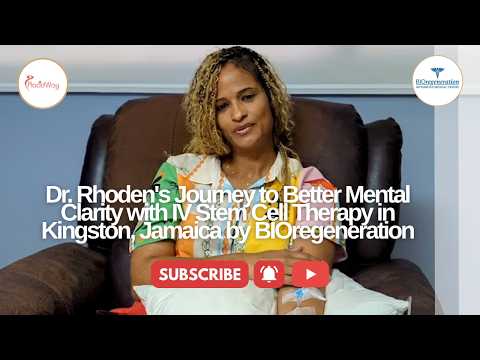
Patient narratives provide valuable insight into the reality of undergoing medical tourism in Japan for regenerative purposes. Many individuals report feeling a subtle but distinct improvement in their overall energy levels and vitality in the months following treatment. While clinical markers of aging are tracked by doctors, subjective improvements in sleep quality and joint comfort are frequently noted by patients. These accounts highlight the deeply personal and individualized nature of cellular therapy.
It is crucial to recognize that outcomes are highly subjective and what works for one individual may yield different results for another. Transparent testimonials often detail the strict adherence required during the preparatory and recovery phases. Medical tourists consistently praise the professionalism of the medical staff and the pristine nature of the healthcare facilities. Sharing these structured experiences helps prospective patients frame their own expectations accurately.
Patient Case A: Systemic Vitality Focus
A 55-year-old executive from Singapore sought IV mesenchymal therapy to address chronic fatigue and general aging concerns. Following a well-tolerated extraction and infusion process over two trips, the patient noted a gradual increase in sustained daily energy and improved sleep patterns within three months post-treatment.
Patient Case B: Dermal Rejuvenation
A 48-year-old patient opted for localized fibroblast injections to target facial fine lines without synthetic fillers. The patient experienced mild swelling for a few days, followed by a reported gradual improvement in skin texture and elasticity noted during their six-month virtual follow-up.
Patient Case C: Joint and Mobility Support
A 60-year-old active traveler utilized targeted cellular injections alongside an anti-aging protocol to address mild age-related joint discomfort. The patient reported that the combination of cellular therapy and guided physical therapy positively supported their mobility over the following year.
Patient Case D: Preventative Cell Banking
A 42-year-old patient underwent the extraction process strictly for the purpose of cryopreservation. The clinic successfully cultivated and banked a high yield of viable cells, providing the patient with biological resources secured for potential future therapeutic applications.
Finding the Best Stem Cell Clinic in Japan
Selecting the right medical facility is the most critical decision when planning for stem cell therapy in Japan. Prospective patients must conduct thorough research, looking beyond marketing materials to verify clinical credentials and laboratory standards. Evaluating a clinic involves assessing their compliance with the Ministry of Health, Labour and Welfare regulations and their experience in managing international patients. High-quality institutions prioritize transparency regarding their cell counting methods and cultivation viability rates.
Among the highly regarded institutions, facilities like Cell Grand Clinic in Osaka have established comprehensive protocols for regenerative care. When searching for the best stem cell clinic in Japan, it is essential to review the expertise of the presiding medical directors and the sophistication of their in-house or partnered laboratories. A reputable clinic will always require preliminary medical files before confirming any travel arrangements. Ensuring clear communication through dedicated international departments is vital for a secure experience.
Japan boasts over 3,000 registered regenerative medicine plans approved by government-certified committees, reflecting a deeply matured and highly scrutinized clinical ecosystem.
- Verify governmental registration: Confirm the clinic holds a valid license for specific regenerative procedures.
- Assess laboratory facilities: Inquire whether cell cultivation is done in-house using CPC (Cell Processing Center) standards.
- Review medical expertise: Ensure the attending physicians hold specializations in regenerative or internal medicine.
- Evaluate international support: Confirm the availability of medical interpreters and translation of medical documents.
How PlacidWay Assists Your Stem Cell Therapy Medical Tourism Journey in Japan
Navigating the complex landscape of international healthcare requires structured guidance and reliable information. Understanding the nuances of anti-aging stem cell treatments in Japan can be overwhelming for patients attempting to coordinate care independently. Engaging with a dedicated medical tourism platform streamlines the process of evaluating and selecting certified global healthcare providers. Access to verified information empowers patients to make confident, health-centric decisions.
PlacidWay provides a comprehensive framework to assist patients in understanding their cross-border medical options. By connecting individuals with accredited global institutions, the focus remains entirely on facilitating transparent medical communication. This support system ensures that prospective patients are well-prepared for their preliminary medical evaluations. A structured approach to medical discovery is essential for a safe healthcare journey.
- Facilitating direct communication between patients and certified international medical providers.
- Providing access to detailed clinic profiles, medical credentials, and specialized procedure data.
- Assisting with the secure transfer of preliminary medical records for initial physician evaluations.
- Offering comparative cost analyses across different global regenerative medicine facilities.
- Empowering patients with educational resources regarding international healthcare standards and protocols.
Frequently Asked Questions About Stem Cell Therapy in Japan
Patients considering stem cell therapy in Japan naturally have numerous questions regarding the medical, logistical, and financial aspects of the journey. Gathering accurate information is a fundamental step in ensuring patient safety and setting realistic clinical expectations. The nuances of international medical travel require a thorough understanding of visa requirements, treatment timelines, and biological realities. Addressing these common inquiries helps clarify the regenerative medicine pathway.
Below is a curated compilation of frequently asked questions designed to provide concise, factual insights into the process. These answers are based on standard clinical protocols and current medical tourism practices. Always verify specific details directly with your chosen healthcare provider, as individual medical cases will alter general guidelines. Comprehensive knowledge is the strongest tool for any medical traveler.
Is stem cell therapy in Japan safe for international patients?
Yes, stem cell therapy in Japan is generally considered highly regulated and safe for international patients. The Japanese government strictly monitors regenerative medicine clinics under the Act on the Safety of Regenerative Medicine. Most patients experience a well-structured medical protocol that prioritizes patient safety and transparent care.
How long does a typical anti-aging stem cell procedure take?
The initial extraction phase typically takes a few hours, while the laboratory cultivation process requires several weeks. Once the cells are ready, the actual administration or infusion procedure usually takes only a few hours. Patients are generally monitored briefly before returning to their regular activities.
Do Singaporeans need a special medical visa for stem cell therapy in Japan?
Singaporeans typically do not need a special medical visa for short-term visits under 90 days. However, if the treatment protocol requires a longer stay or multiple extended visits, patients may apply for a Japanese Medical Stay Visa. It is always advised to confirm current immigration requirements before traveling.
What is the expected recovery time after receiving stem cell treatments?
Most patients experience a relatively swift recovery, often resuming normal, low-impact activities within a few days. Minor swelling or mild discomfort at the injection or extraction site is typically resolved within a week. Comprehensive recovery protocols will be provided by your attending medical team.
Are the anti-aging results of stem cell therapy guaranteed?
No medical procedure can guarantee specific results, and regenerative medicine is no exception. Individual responses vary based on age, cellular health, genetics, and lifestyle factors. While many patients report improvements in vitality and skin elasticity, realistic expectations are crucial.
Can anyone undergo stem cell therapy in Japan?
Not everyone is a suitable candidate for these procedures. Individuals with active infections, a history of certain cancers, or severe autoimmune diseases are typically contraindicated. A thorough medical evaluation is required before any Japanese clinic will approve a patient for treatment.
How are the stem cells administered for anti-aging purposes?
Administration methods generally depend on the specific goals of the anti-aging therapy. They are typically delivered via localized dermal injections for facial rejuvenation or intravenous (IV) drips for systemic wellness. The method is determined during the initial clinical consultation.
What type of stem cells are most commonly used in Japanese clinics?
Japanese clinics most frequently utilize autologous mesenchymal stem cells (MSCs) derived from the patient's own adipose (fat) tissue. Fibroblasts and occasionally bone marrow-derived cells are also utilized depending on the therapeutic target. Using a patient's own cells generally minimizes the risk of immune rejection.
How often do I need to travel to Japan for a complete treatment cycle?
A standard autologous stem cell protocol usually requires at least two visits to the clinic. The first visit involves consultation and cell extraction, while the second visit, scheduled weeks later, is for cell administration. Some patients opt for cell banking, which allows for future administrations without repeated extractions.
Does insurance cover stem cell therapy for anti-aging?
Because anti-aging treatments are generally considered elective and cosmetic, they are typically not covered by standard medical insurance policies. Patients traveling from Singapore or elsewhere usually pay for these therapies out-of-pocket. It is always recommended to review your private health insurance terms for any international coverage exceptions.
Ready to explore advanced regenerative medicine options abroad? Let PlacidWay guide you toward reputable clinics.
References
- National Institutes of Health (NIH). Stem Cell Basics. https://stemcells.nih.gov/info/basics/stc-basics
- Ministry of Health, Labour and Welfare, Japan. The Act on the Safety of Regenerative Medicine. https://www.mhlw.go.jp/english/policy/health-medical/pharmaceuticals/140714-01.html
- PubMed Central (PMC). Mesenchymal Stem Cells in Anti-aging Therapies. https://pmc.ncbi.nlm.nih.gov/articles/PMC3666525/
- World Health Organization (WHO). Global Observatory on Health Research and Development: Cell Therapies. https://www.who.int/observatories/global-observatory-on-health-research-and-development

















Share this listing