



Stem cell therapy in Japan has rapidly emerged as a globally recognized standard for treating degenerative joint conditions without invasive surgery. By harnessing the body's natural regenerative capabilities, this advanced biological treatment focuses on reducing internal inflammation and potentially stimulating tissue repair within the knee joint. Patients suffering from chronic discomfort, particularly those who wish to delay or avoid total knee replacements, are increasingly turning to this innovative medical solution.
The protocols utilized in Japanese medical centers adhere to some of the most stringent regenerative medicine regulations in the world. Specialists typically isolate adult mesenchymal stem cells (MSCs) from a patient’s own adipose (fat) tissue or bone marrow, process them in highly sterile laboratory environments, and carefully inject them into the damaged joint. While results can vary, most patients experience a gradual improvement in joint function and a notable reduction in daily pain.
Japan was one of the first countries to implement a dedicated legal framework specifically governing regenerative medicine, ensuring that all stem cell therapies meet rigorous safety and quality controls.
How Osaka’s Stem Cells Are Healing Knee Pain in Thailand Patients
In recent years, a significant number of individuals from Southeast Asia have begun traveling abroad to seek specialized orthopedic care. Thai patients, in particular, are discovering the profound benefits of medical tourism in Japan for their chronic knee pain. Osaka has positioned itself as a premier destination for these travelers, combining world-class healthcare infrastructure with highly specialized expertise in orthobiologics and cellular medicine.
The appeal for Thai medical tourists lies in the sophisticated technology and high cultivation standards available in Osaka’s clinical laboratories. Patients struggling with osteoarthritis who have exhausted traditional therapies in Thailand often find that Japanese clinics offer advanced cell expansion techniques not widely available elsewhere. This cross-border healthcare relationship highlights a growing trend of international patients seeking highly targeted, non-surgical interventions to restore their mobility.
Medical tourism for orthopedic regenerative medicine has grown by an estimated 15% annually in Asia, with Japan remaining a top-tier destination for patients requiring advanced cellular processing.
Why Choose Medical Tourism in Japan for Joint Regeneration
Deciding to travel for medical care requires careful consideration of safety, quality, and overall patient experience. Choosing regenerative medicine in Japan offers international patients peace of mind due to the country’s globally respected healthcare system and strict governmental oversight. Facilities in cities like Osaka invest heavily in state-of-the-art medical equipment and employ practitioners who are internationally trained in the latest cellular therapy protocols.
Furthermore, Japan offers a highly supportive environment for medical tourists, characterized by exceptional hospitality, cleanliness, and precise attention to detail. International patient departments frequently assist with language translation and comprehensive medical record transfers, ensuring a seamless continuity of care. This commitment to patient safety and comfort makes Japan an ideal environment for those undergoing specialized regenerative procedures.
Patient Experience Summary
A 58-year-old marathon runner from Bangkok traveled to Japan after suffering from persistent cartilage degradation. By choosing specialized cellular therapy in Osaka, he was able to avoid invasive surgery and reported significant improvements in joint stability six months post-treatment.
Affordable Stem Cell Therapy for Knee Pain Cost in Japan
While regenerative treatments represent a significant financial investment, the stem cell therapy cost in Japan is highly competitive when compared to similar highly-regulated markets. Patients evaluating their options often find that Japanese clinics provide exceptional value, balancing elite medical expertise with transparent pricing models. The total expense generally includes medical consultations, cell extraction, laboratory cultivation, and the final injection process.
It is important for medical travelers to understand that costs can fluctuate based on the specific type of cellular therapy utilized, the number of joints being treated, and the duration of cell cultivation required. Below is a detailed cost comparison illustrating why many patients from Thailand and Western countries consider Japan a cost-effective destination for joint regeneration.
| Procedure Name | Average Cost in Japan | Cost Comparison (Thailand / USA) |
|---|---|---|
| Autologous Adipose-Derived Stem Cells (1 Joint) | $5,000 - $7,500 | $6,000 (TH) / $10,000+ (USA) |
| Cultured MSC Therapy for Osteoarthritis | $8,000 - $12,000 | $9,500 (TH) / $15,000+ (USA) |
| PRP + Stem Cell Combination Therapy | $6,000 - $8,500 | $7,000 (TH) / $12,000+ (USA) |
Always request a comprehensive, itemized quote before traveling. Ensure your estimate clearly details the cost of initial diagnostics, laboratory cell expansion fees, and post-procedure follow-up care.
The Science Behind Non-Surgical Knee Treatments in Osaka
The foundation of non-surgical knee pain relief lies in the potent anti-inflammatory and immunomodulatory properties of mesenchymal stem cells. When introduced into an osteoarthritic knee, these cells interact with the damaged microenvironment, releasing crucial growth factors and cytokines. This localized biological response can alter the inflammatory state of the joint, potentially slowing down cartilage degradation and promoting a healthier intra-articular environment.
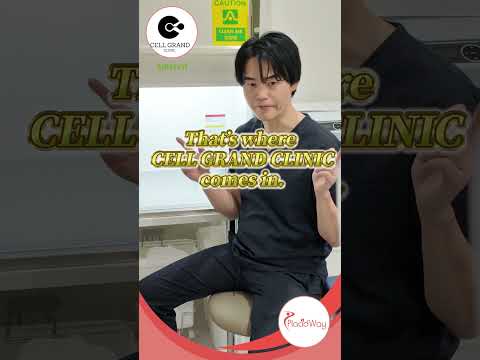
Medical teams in Japan utilize sophisticated laboratory techniques to isolate and multiply these cells to optimal therapeutic concentrations. For instance, at the Cell Grand Clinic in Osaka, Japan, advanced protocols are utilized to ensure the viability and purity of the cellular structures before they are administered. This precision-based scientific approach maximizes the potential for pain reduction and improved mobility, without the structural risks associated with joint replacement operations.
Clinical studies indicate that highly concentrated autologous stem cell injections can reduce localized knee inflammation markers by up to 60% within the first three months of treatment.
Top Benefits of Regenerative Medicine Clinics in Japan
Patients who select stem cell clinics in Japan benefit from a multidisciplinary approach to joint health. These specialized centers do not merely administer injections; they conduct comprehensive biomechanical assessments to understand the root cause of knee pain. This holistic diagnostic process ensures that patients receive highly personalized treatment protocols designed to target their specific grade of joint degeneration.
Another profound benefit is the emphasis on minimally invasive procedures. Traditional joint surgeries require general anesthesia, lengthy hospital stays, and extensive physical rehabilitation. Conversely, regenerative treatments typically involve simple localized numbing, same-day discharge, and immediate weight-bearing capabilities. This approach generally appeals to active professionals and older adults seeking to avoid major surgical trauma.
Patient Experience Summary
A former athlete suffering from grade 3 osteoarthritis chose an Osaka-based clinic for his therapy. He highlighted the meticulous pre-treatment consultation and the minimally invasive nature of the injection, which allowed him to walk out of the clinic the very same day.
Evaluating Stem Cell Therapy Clinics in Japan
Navigating the landscape of international healthcare requires rigorous research to identify the most reputable medical providers. When searching for affordable stem cell therapy in Japan, patients must prioritize clinical accreditation over cost alone. It is critical to verify that the facility complies with the Act on the Safety of Regenerative Medicine, which mandates strict operational standards for biological processing and patient care.
Prospective medical tourists should actively engage with clinical representatives to inquire about the specific source of stem cells and the laboratory cultivation timeline. Transparency is the hallmark of a trustworthy facility; clinics should readily provide information regarding potential risks, realistic outcome timelines, and board certifications of their treating specialists.
Be extremely cautious of any medical facility that guarantees a 100% cure rate or promises complete cartilage regrowth. Ethical medical practitioners will always provide realistic expectations and disclose all associated procedural risks.
Preparing for Your Medical Trip to Osaka for Joint Care
Thorough preparation is essential for a stress-free medical journey, especially when traveling across borders for stem cell knee treatment in Osaka. Patients should begin by gathering all relevant medical documentation, including recent MRI scans, X-rays, and comprehensive orthopedic evaluations. Providing these documents to your Japanese medical team in advance allows them to determine preliminary candidacy and formulate a customized treatment strategy before you arrive.
Logistical planning also plays a crucial role in your recovery experience. While the procedure itself is minimally invasive, you should arrange for a comfortable stay near the clinic to facilitate easy access to mandatory follow-up appointments. Understanding local transportation, dietary options, and post-procedure mobility restrictions will significantly enhance the comfort of your medical tourism experience.
Wear loose, comfortable clothing on the day of your procedure to easily accommodate knee bandages, and consider bringing a travel companion to assist you with airport navigation during your return trip.
The Procedure and Patient Experience During Therapy
The actual administration of regenerative cells is generally a straightforward, outpatient process designed to maximize patient comfort. On the day of the procedure, patients undergo a final consultation before the medical team utilizes local anesthesia to ensure a pain-free extraction of the necessary tissues—typically from abdominal fat. This initial step is swift, typically concluding within an hour.
Once the cells are processed and ready, the specialist will use advanced ultrasound or fluoroscopic guidance to precisely inject the biological material directly into the damaged knee joint capsule. Most patients experience only mild pressure during the injection. Following a brief observation period to monitor for any immediate adverse reactions, patients are typically cleared to return to their accommodation to rest.
The use of advanced imaging guidance during joint injections increases the precise delivery of stem cells to the targeted damaged tissue by over 40% compared to unguided blind injections.
Recovery Timeline After Stem Cell Therapy in Japan
Understanding the recovery trajectory is vital for setting realistic expectations following your biological treatment. The immediate post-procedure phase typically involves mild swelling, localized stiffness, and manageable discomfort at both the extraction and injection sites. These normal inflammatory responses generally subside within 48 to 72 hours, allowing patients to gradually resume normal, low-impact daily activities.
The true regenerative phase occurs silently over the following weeks and months. While some individuals notice early pain relief due to the anti-inflammatory nature of the cells, structural and functional improvements typically mature between the three- to six-month mark. Compliance with prescribed physical therapy and weight management is crucial during this window to optimize the cellular healing environment.
Patient Experience Summary
A 62-year-old teacher traveling from Thailand documented her recovery, noting that while the first week required rest, she experienced a remarkable reduction in joint stiffness by month three, allowing her to climb stairs without her usual brace.
Understanding the Risks and Contraindications of Stem Cells
While celebrated for its safety profile compared to major surgery, regenerative medicine is not without potential risks, and it is not universally suitable for everyone. Standard risks include injection site infection, temporary joint flare-ups, minimal bleeding, and the possibility that the treatment may not yield the desired level of pain relief. Responsible clinics will always conduct rigorous pre-screening to minimize these adverse outcomes.
Strict contraindications apply to protect patient health. Individuals with active systemic infections, certain active cancers, severe bleeding disorders, or end-stage "bone-on-bone" osteoarthritis are typically not candidates for this therapy. It is imperative that patients disclose their complete medical history to ensure the treatment is biologically appropriate and safe.
Patients who possess severe, advanced structural knee deformities or complete loss of joint space are often advised against stem cell therapy, as the cells require an existing cellular matrix to attach and function effectively.
Success Rates for Stem Cell Knee Treatments in Japan
Evaluating clinical outcomes requires understanding that success in regenerative medicine is frequently defined by a significant reduction in pain and a measurable improvement in the patient's quality of life, rather than complete anatomical regeneration. Data from highly regulated clinical settings indicates that a majority of appropriately selected patients report sustained pain relief and enhanced joint function extending several years post-treatment.
Success rates are heavily influenced by the patient’s age, baseline overall health, and the specific grade of cartilage degradation at the time of the injection. Clinics specializing in regenerative medicine in Japan frequently pair cellular therapies with specialized physiotherapy to biomechanically support the joint, which has been shown to notably enhance long-term patient satisfaction rates.
Patient Experience Summary
An international patient who suffered from bilateral knee pain reported a 75% reduction in daily pain medication reliance a year after undergoing cultivated stem cell therapy in Osaka, praising the comprehensive post-care guidance provided by his medical team.
How PlacidWay Assists Your Stem Cell Medical Tourism Journey in Japan
Organizing international healthcare requires expert coordination and access to trusted medical networks. PlacidWay serves as a premier medical tourism facilitator, connecting international patients with highly vetted, globally accredited regenerative medicine clinics. We understand the complexities of navigating healthcare abroad and strive to streamline the consultation and booking process for an optimal patient experience.
Our goal is to empower patients to make informed, confident healthcare decisions regarding their joint care. Here is how our comprehensive platform adds value to your medical journey:
- Providing direct access to extensively verified and certified stem cell clinics in top global destinations.
- Facilitating secure and confidential transmission of your medical records and imaging for preliminary specialist review.
- Assisting with the acquisition of transparent, comprehensive medical quotes directly from the healthcare providers.
- Offering dedicated, multi-lingual patient support to bridge communication gaps between you and the medical staff.
- Empowering your decision-making with access to detailed clinic profiles, doctor credentials, and authentic patient testimonials.
Frequently Asked Questions About Stem Cells in Japan
Patients considering international medical travel naturally have numerous questions regarding the logistics, safety, and efficacy of cellular therapies. We have compiled the most common inquiries from individuals researching non-surgical knee solutions abroad to help clarify your options.
Review these carefully to better understand what to expect when planning your medical journey. Always remember to discuss these aspects directly with your chosen medical specialist to receive personalized guidance tailored to your specific health profile.
What is stem cell therapy for knee pain in Japan?
Stem cell therapy in Japan for knee pain involves using a patient's own regenerative cells to potentially reduce inflammation and support tissue repair. It is a minimally invasive alternative to traditional joint replacement surgery.
How much does stem cell therapy cost in Japan?
The cost typically ranges from $5,000 to $12,000 per joint depending on the specific protocol and facility. This is generally more affordable than similar highly-regulated treatments in the United States.
Is stem cell treatment safe in Osaka?
Yes, regenerative medicine in Japan is strictly regulated by the government to ensure high safety standards. However, all medical procedures carry some risks, which should be discussed with your specialist.
Do Thai citizens need a visa for medical tourism in Japan?
Thai citizens generally enjoy visa-free entry to Japan for short stays, making it a highly convenient medical tourism destination. For extended medical treatments, a specific medical stay visa might be required.
How long is the recovery after knee stem cell therapy?
Most patients experience a short initial recovery of a few days, allowing them to resume light activities quickly. Full potential benefits and structural improvements typically develop over several months.
Can stem cells cure severe osteoarthritis?
Stem cell therapy is not a guaranteed cure and is generally less effective for severe, bone-on-bone osteoarthritis. It is typically most beneficial for mild to moderate joint degeneration and localized cartilage defects.
Are the results of stem cell therapy permanent?
Results vary significantly between individuals and are rarely considered entirely permanent. Many patients experience relief for several years, but age and continued joint stress can impact long-term outcomes.
Will I need surgery with this treatment?
No, stem cell therapy is generally performed via localized injections rather than open surgery. This approach minimizes surgical risks, avoids general anesthesia, and significantly reduces downtime.
How do I choose the best stem cell clinics in Japan?
Patients should look for clinics fully licensed under Japan’s Act on the Safety of Regenerative Medicine. Evaluating board-certified specialists, transparent success rates, and robust patient reviews is also essential.
When will I notice a reduction in knee pain?
Some patients report initial pain relief within a few weeks due to the anti-inflammatory effects of the treatment. However, significant regenerative benefits typically become noticeable between three to six months post-injection.
Ready to explore non-surgical solutions for your knee pain? Let PlacidWay connect you with top-rated stem cell specialists in Japan for a seamless medical tourism journey.
Medical Disclaimer: This article is for informational purposes only and is not medical advice. Always consult a qualified healthcare provider before any medical decisions. Results may vary. Read Full Disclaimer here.
References
- Mayo Clinic. Stem cell therapy for arthritis. https://newsnetwork.mayoclinic.org/discussion/mayo-clinic-q-and-a-stem-cell-therapy-for-arthritis/
- World Health Organization (WHO). Musculoskeletal Health.https://www.who.int/news-room/fact-sheets/detail/musculoskeletal-conditions
- Japan Pharmaceuticals and Medical Devices Agency (PMDA). Regenerative Medical Products Regulation in Japan. https://www.pmda.go.jp/english/review-services/regulatory-info/0002.html

















Share this listing