



Neurological diseases present significant challenges for patients, often impacting mobility, cognition, and overall quality of life. In recent years, regenerative medicine has emerged as a promising avenue for those seeking alternative management strategies. Stem cell therapy in Japan is currently at the forefront of this medical evolution, attracting global attention for its sophisticated approach. International patients are increasingly exploring these advanced interventions to potentially slow disease progression and enhance daily functioning.
Specifically, many Malaysians are looking beyond their borders to access cutting-edge medical technologies not yet widely available at home. Osaka has developed a strong reputation as a hub for scientific innovation and rigorous healthcare standards. The city offers a unique combination of highly regulated medical environments and pioneering research in cellular therapies. This combination provides a compelling option for individuals seeking comprehensive neurological care overseas.
Stem cells possess a unique capability called "neurotrophic support," meaning they can release specialized proteins that generally help protect surviving neurons and encourage the repair of damaged neural pathways in the brain and spinal cord.
Why Malaysians Choose Medical Tourism in Japan for Neurological Care
The decision to travel for medical care is rarely made lightly, especially when dealing with complex neurological conditions. Malaysians face various considerations, including the availability of specific treatments, healthcare infrastructure, and the expertise of specialists. Medical tourism in Japan provides an attractive solution, offering access to some of the most technologically advanced healthcare facilities in the world. The close geographical proximity and cultural affinity also make the journey less daunting for Southeast Asian patients.
Beyond technology, the Japanese healthcare system is globally recognized for its meticulous attention to patient safety and personalized care. Patients traveling from Malaysia often report feeling highly supported by the comprehensive, patient-centric approach found in Japanese clinics. The integration of holistic therapies with advanced medical interventions creates a nurturing environment conducive to healing. Consequently, Osaka continues to see a steady influx of international health travelers seeking reliable neurological treatments.
Japan consistently ranks among the top global destinations for healthcare quality, with millions of dollars invested annually by the government to advance regenerative medicine research and maintain stringent clinical safety protocols.
Exploring Stem Cell Clinics in Japan for Regenerative Medicine
Navigating the landscape of regenerative medicine requires careful consideration of the medical facilities available. Japan boasts numerous specialized centers dedicated to cellular research and clinical applications for various degenerative conditions. Among these distinguished facilities, the Cell Grand Clinic in Osaka, Japan, stands out as a premier destination for international patients. When looking for the best stem cell clinic in Japan, individuals prioritize institutions with proven track records and stringent ethical standards.
These premier clinics typically employ multidisciplinary teams comprising neurologists, researchers, and specialized nursing staff. They utilize state-of-the-art laboratories to cultivate and administer stem cells, ensuring the highest viability and safety for patients. The clinical environment is designed to minimize stress and promote comfort throughout the treatment protocol. By choosing recognized stem cell clinics in Japan, patients can access therapies grounded in rigorous scientific validation.
- Multidisciplinary Expertise: Teams consisting of neurologists, cell biologists, and rehabilitation specialists work collaboratively.
- Advanced Cultivation Labs: Facilities utilize GMP-compliant laboratories to ensure cellular purity and high viability rates.
- Patient-Centric Environments: Clinic designs focus on stress reduction, providing a calm atmosphere crucial for neurological patients.
- Comprehensive Diagnostics: Utilizing advanced neuroimaging and biomarker testing to tailor exact treatment protocols.
Affordable Stem Cell Therapy Cost in Japan Compared to Malaysia
Financial planning is a crucial aspect of arranging international healthcare, and understanding the investment required is essential. The stem cell therapy cost in Japan is generally reflective of the advanced technology, regulatory compliance, and high level of medical expertise involved. While it may require a substantial financial commitment, many patients find the potential benefits and quality of care justify the expense. Comparing these costs with options in neighboring countries helps patients make informed, value-based decisions.
In Southeast Asia, comprehensive regenerative treatments for neurological disorders are still developing, often making local options limited or similarly priced when factoring in comprehensive care. When evaluating affordable stem cell therapy in Japan, it is important to consider what is included in the treatment package. Costs typically cover pre-treatment diagnostics, the cellular cultivation process, specialized administration, and initial follow-up consultations. A detailed breakdown ensures transparency and helps families budget accurately for their medical journey.
| Procedure / Sub-Treatment | Average Cost in Japan (USD) | Estimated Cost Comparison (Malaysia/Singapore) |
|---|---|---|
| Initial Neurological Diagnostics & Consultation | $1,500 - $3,000 | $1,000 - $2,500 |
| Stem Cell Cultivation & Preparation (Mesenchymal) | $8,000 - $12,000 | Limited availability / Often > $15,000 |
| Intravenous / Intrathecal Administration Protocol | $4,000 - $7,000 | Highly variable based on facility |
| Comprehensive Neurological Treatment Package | $15,000 - $25,000 | $20,000 - $35,000 (if comprehensive tech is available) |
Common Neurological Conditions Treated with Stem Cells in Osaka
Cellular therapies are being investigated for a wide spectrum of neurodegenerative and neurological disorders. Patients traveling to Osaka frequently seek management for conditions such as Parkinson's disease, Alzheimer's disease, and multiple sclerosis. Furthermore, individuals recovering from strokes or dealing with spinal cord injuries also explore regenerative options to support tissue repair. The goal of neurological stem cell treatment in Japan is typically to modulate inflammation, protect existing neurons, and promote neural regeneration.
It is vital to understand that stem cell therapy is not a universal cure and outcomes can vary significantly among individuals. However, many patients experience improvements in motor function, reduced neuropathic pain, or a stabilization of their progressive symptoms. Specialists in Japan carefully evaluate each patient's medical history to determine if they are a suitable candidate for cellular interventions. This personalized assessment is critical for maximizing the potential efficacy of the treatment.
Mesenchymal Stem Cells (MSCs) are currently the most utilized cell type in Japanese clinical protocols for neurological diseases due to their exceptional ability to reduce brain inflammation and bypass ethical concerns associated with embryonic cells.
The Medical Journey: Receiving Stem Cell Therapy in Japan
Embarking on a medical journey to another country involves several structured phases to ensure optimal patient outcomes. The process usually begins with remote consultations, where medical records are reviewed by Japanese specialists to assess preliminary eligibility. Once accepted, patients travel to Osaka for comprehensive in-person diagnostics, including advanced neuroimaging and biomarker profiling. This thorough preparatory phase is a hallmark of the rigorous medical tourism in Japan experience.
Following the diagnostic phase, the actual stem cell administration is typically performed on an outpatient basis, minimizing hospital stays. Depending on the specific condition, cells may be delivered intravenously or via intrathecal injection to cross the blood-brain barrier effectively. Patients are generally monitored closely for a few days post-treatment before they are cleared to return home. Throughout this journey, the emphasis remains on patient comfort, safety, and clear communication.
For medical tourists heading to Osaka, always request a translated copy of your complete local medical records and recent MRI scans. Having these documents translated into English or Japanese significantly streamlines your initial clinical assessment upon arrival.
Safety Protocols and Medical Standards in Japanese Healthcare
Japan is internationally renowned for having one of the most stringent and well-regulated healthcare systems in the world. The Ministry of Health, Labour and Welfare (MHLW) strictly oversees all regenerative medicine practices to ensure patient protection. Facilities offering cellular therapies must undergo rigorous inspections and obtain specific certifications before they can treat patients. This robust regulatory framework gives international patients immense confidence when seeking advanced stem cell therapy in Japan.
Safety protocols dictate every step of the process, from the initial harvesting of cells to their cultivation and final administration. Japanese laboratories utilize GMP (Good Manufacturing Practice) compliant facilities to prevent contamination and ensure cellular viability. Furthermore, detailed ethical guidelines are followed to maintain transparency and uphold the highest standards of medical integrity. These uncompromising safety measures are why so many individuals trust Japanese clinics with their complex medical needs.
Patients exploring treatments abroad must be wary of "unregulated" clinics. Always verify that your chosen Japanese facility holds official certification from the Ministry of Health, Labour and Welfare (MHLW) under the Act on the Safety of Regenerative Medicine.
Innovative Techniques in Japanese Stem Cell Therapy Facilities
The field of regenerative medicine is rapidly evolving, and Japanese researchers frequently pioneer new cultivation and delivery techniques. One significant advancement is the optimization of Mesenchymal Stem Cells (MSCs), which are known for their potent immunomodulatory and neurotrophic properties. Innovations in cell culturing allow clinics to yield higher concentrations of robust, viable cells tailored for neurological applications. These cutting-edge techniques are central to the success of neurological disease treatment in Japan.
Additionally, Japanese clinics often employ proprietary methods to enhance the homing ability of stem cells, ensuring they reach damaged neural tissues effectively. Advanced imaging technologies are frequently used alongside treatments to monitor progress and adapt protocols as necessary. This integration of biotechnology and clinical practice ensures that patients receive the most progressive care available. Continual investment in medical research keeps Osaka at the forefront of global regenerative therapies.
Japanese researchers were the first to successfully develop induced Pluripotent Stem Cells (iPSCs), an innovation that won the Nobel Prize in Medicine. This deep-rooted scientific legacy continuously fuels advancements in standard cellular therapies today.
Preparing for Neurological Stem Cell Treatment in Japan
Adequate preparation is essential for a smooth and successful medical travel experience, particularly for individuals with mobility or cognitive challenges. Patients should begin by compiling comprehensive medical dossiers, including recent MRI scans, blood test results, and detailed clinical histories. Having these documents readily available facilitates precise evaluations by Japanese specialists prior to travel. Organizing these logistics is a fundamental part of planning for stem cell clinics in Japan.
Mental and physical preparation also play vital roles in the overall treatment experience and subsequent recovery. Patients are generally advised to optimize their nutritional intake and manage stress levels in the weeks leading up to their procedure. Understanding the treatment timeline and managing expectations regarding potential outcomes ensures a more positive psychological state. Collaborating closely with healthcare facilitators can alleviate much of the anxiety associated with international medical travel.
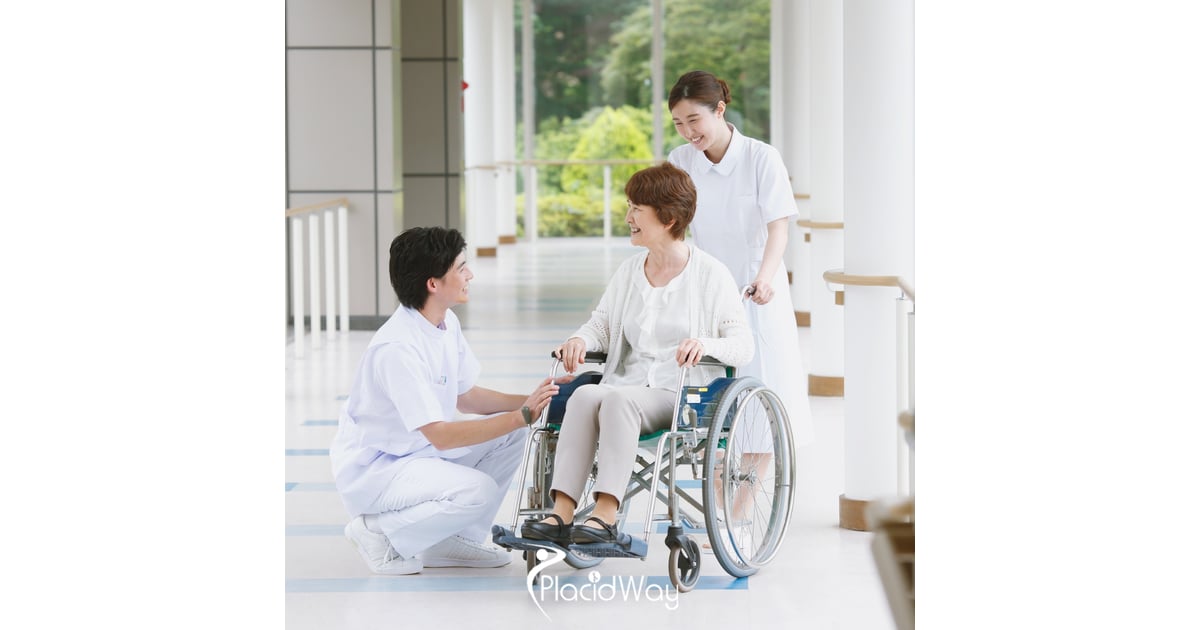
If dealing with neurodegenerative conditions that affect mobility, request wheelchair accessibility information and mobility assistance protocols from your medical facilitator prior to arriving at the clinic.
Post-Treatment Care and Recovery for International Patients
The period following cellular therapy is crucial for maximizing the potential regenerative benefits and ensuring a safe recovery. Japanese medical teams typically design comprehensive post-treatment protocols that include specific lifestyle recommendations and follow-up schedules. Patients are often advised to engage in complementary therapies, such as specialized neurological rehabilitation, to support neural plasticity. This holistic approach is a key component of the best stem cell therapy in Japan.
For international patients, follow-up care is generally managed through telehealth consultations and collaboration with local physicians in Malaysia. Regular monitoring allows the Japanese specialists to track developmental progress, address any emerging concerns, and adjust ongoing management strategies. It is essential for patients to adhere strictly to all post-treatment guidelines to foster optimal cellular integration. Long-term support is vital for sustaining any improvements achieved through the therapy.
- Telehealth Consultations: Scheduled video calls with Japanese specialists to review recovery milestones remotely.
- Local Physician Collaboration: Coordinated care with your primary neurologist back in Malaysia to ensure safe ongoing management.
- Rehabilitation Integration: Guidance on incorporating safe physiotherapy routines to complement the cellular healing process.
- Dietary Adjustments: Anti-inflammatory nutritional plans recommended to create an optimal bodily environment for cell integration.
Assessing the Effectiveness of Regenerative Medicine in Japan
Measuring the success of cellular therapies involves evaluating both clinical parameters and self-reported improvements in quality of life. While regenerative medicine holds immense promise, results are generally gradual and vary based on the specific neurological condition and its severity. Many individuals report experiencing increased energy levels, improved motor control, and a reduction in disease-related symptoms over several months. Assessing these outcomes requires a realistic understanding of innovative stem cell therapy in Japan.
Clinical effectiveness is often documented through follow-up neuroimaging, cognitive assessments, and standardized motor function tests. Japanese researchers continually collect and analyze this data to refine their protocols and improve future treatment efficacies. Although a complete reversal of neurodegenerative diseases is not currently guaranteed, the stabilization of symptoms represents a profound success for many. Ongoing research in Osaka continues to push the boundaries of what is medically possible.
Clinical observations indicate that cellular regenerative processes can take anywhere from 3 to 6 months to manifest notable neurological improvements, emphasizing the need for patience and consistent follow-up care.
Legal and Ethical Frameworks for Stem Cell Therapy in Japan
Japan was one of the first countries to implement dedicated legislation specifically governing regenerative medicine and cellular therapies. The Act on the Safety of Regenerative Medicine (ASRM) ensures that all procedures are scientifically sound, ethically conducted, and exceptionally safe. This legal framework requires clinics to submit comprehensive treatment plans to independent review boards before offering therapies to the public. Such strict oversight solidifies the reputation of safe stem cell therapy in Japan.
Ethical considerations are deeply embedded in Japanese medical practice, ensuring patient autonomy, informed consent, and comprehensive risk disclosure. Clinicians take meticulous care to explain the experimental nature of certain therapies without making unsubstantiated guarantees regarding outcomes. This transparency builds profound trust between international patients and their Japanese healthcare providers. Operating within these rigorous ethical boundaries ensures that patient welfare always remains the primary focus.
Under Japanese medical law, experimental therapies must undergo independent ethical committee reviews categorized by risk levels before being cleared for patient use, ensuring unparalleled scientific scrutiny.
Real Patient Experiences with Neurological Treatments in Japan
Hearing the firsthand experiences of others who have navigated similar medical journeys can provide immense comfort and valuable insights. Many Malaysians who have traveled to Osaka for neurological care share stories of exceptional medical professionalism and compassionate support. These narratives often highlight the meticulous nature of Japanese healthcare and the profound impact the treatments have had on their lives. Exploring these accounts helps prospective patients gauge the reality of medical tourism in Japan.
While every patient's biological response to cellular therapy is unique, common themes emerge in their testimonials, particularly regarding clinical excellence. From the initial consultation to the post-treatment follow-up, patients frequently praise the seamless and respectful care they receive. Acknowledging that results vary, these stories offer a realistic glimpse into the potential benefits of regenerative treatments. The following accounts represent typical experiences of international patients undergoing therapy in Osaka.
Managing Parkinson's Progression
A patient from Kuala Lumpur reported a notable reduction in tremors and increased energy levels approximately four months after receiving specialized cellular infusions in Osaka, improving his daily independence.
Stroke Recovery Assistance
Following a severe ischemic stroke, a patient sought regenerative care in Japan. With integrated therapy and subsequent rehabilitation, she noted a gradual restoration of fine motor skills in her previously weakened hand.
Addressing Multiple Sclerosis
A young woman dealing with MS relapses pursued treatment to modulate her immune response. She experienced a stabilization of her symptoms and fewer neuropathic pain flare-ups over the subsequent year.
Spinal Cord Support
An individual dealing with partial paralysis traveled for targeted intrathecal cellular administration. While a complete cure was not achieved, he reported enhanced sensory perception and improved bladder control.
How PlacidWay Assists Your Medical Tourism Journey in Japan
Coordinating international healthcare can be overwhelming, but you do not have to navigate the complexities of medical travel alone. PlacidWay serves as a dedicated partner, streamlining the process of accessing world-class regenerative medicine facilities globally. We connect patients with fully accredited and rigorously vetted medical institutions that specialize in advanced neurological treatments. Our goal is to empower you to make informed, confident decisions regarding your medical tourism journey in Japan.
We understand the unique challenges faced by international patients and provide tailored assistance to ensure a seamless experience. By facilitating direct communication with leading medical experts, we help you obtain comprehensive treatment plans and transparent cost estimates. Our platform is designed to prioritize your medical needs, safety, and overall peace of mind throughout the entire process. Discover how PlacidWay can support your pursuit of enhanced neurological health and improved quality of life.
- Assisting with acquiring detailed treatment itineraries directly from vetted Japanese medical specialists.
- Facilitating the secure transfer and preliminary review of complex medical records prior to your consultation.
- Providing transparent comparative cost insights for advanced neurological therapies.
- Connecting you exclusively with clinics certified by the Japanese Ministry of Health, Labour and Welfare.
- Offering dedicated patient coordination to address clinical questions and ensure medical readiness.
Frequently Asked Questions (FAQ)
What is the typical recovery time after stem cell therapy in Japan?
Recovery times generally vary depending on the specific neurological condition and the individual's overall health. Most patients experience a brief observation period in Osaka before safely returning home within a week. Gradual improvements may be noticed over several months following the procedure.
Do Malaysians need a medical visa to receive treatment in Osaka?
Malaysians typically enjoy short-term visa-free entry to Japan for tourism and brief business, which often covers short medical evaluations. However, for extended treatments or specific medical protocols, a dedicated medical stay visa might be required. It is always recommended to verify current immigration regulations prior to travel.
Are stem cell therapies for neurological diseases guaranteed to work?
No medical treatment, including regenerative medicine, can guarantee specific outcomes or a complete cure. Outcomes typically vary among individuals based on disease progression and personal biology. Specialists focus on potentially stabilizing symptoms and supporting neural health.
How are stem cells administered for neurological conditions in Japan?
Administration methods are carefully selected based on the specific neurological disorder being managed. Common approaches include intravenous (IV) infusions or targeted intrathecal injections to bypass the blood-brain barrier. The chosen delivery method is designed to maximize safety and cellular efficacy.
Why is Osaka a popular destination for regenerative medicine?
Osaka is globally recognized for its robust medical research institutions and highly regulated, advanced clinical facilities. The city combines cutting-edge biotechnology with stringent patient safety protocols. This dedication to clinical excellence attracts patients seeking sophisticated cellular therapies.
What factors influence the cost of stem cell therapy in Japan?
The overall cost is generally influenced by the type of stem cells used, the cultivation process, and the specific delivery method required. Extensive pre-treatment diagnostics and specialized post-care monitoring also contribute to the final price. Patients are investing in advanced laboratory standards and expert medical oversight.
Can I travel back to Malaysia immediately after the procedure?
While stem cell procedures are typically performed on an outpatient basis, doctors generally advise staying in Japan for a few days of observation. This allows the medical team to monitor your immediate response to the therapy and ensure your safety. Once cleared by your specialist, you can safely board a flight home.
Are stem cell clinics in Japan strictly regulated?
Yes, Japan enforces some of the strictest regulatory frameworks globally under the Act on the Safety of Regenerative Medicine. Clinics must undergo rigorous independent reviews and obtain government certification to operate. This ensures that all procedures adhere to the highest ethical and safety standards.
How do Japanese clinics handle post-treatment follow-up for international patients?
Japanese medical teams usually arrange structured telehealth consultations to monitor long-term progress remotely. They often collaborate with the patient's local physicians in Malaysia to ensure continuity of care. This collaborative approach helps manage rehabilitation and track clinical improvements safely.
Which neurological conditions are most commonly treated with stem cells in Japan?
Clinics frequently manage patients dealing with Parkinson's disease, multiple sclerosis, and the aftermath of strokes. Other common focuses include spinal cord injuries and various neurodegenerative disorders. Each case requires a rigorous preliminary assessment to confirm treatment suitability.
Ready to explore advanced regenerative treatments in Japan? Contact PlacidWay today to connect with top-tier clinics in Osaka and receive a personalized treatment plan for your neurological health needs.
References:
- World Health Organization (WHO). Neurological Disorders. https://www.who.int/publications/b/40350
- National Institutes of Health (NIH). Mesenchymal Stem Cells in Neurological Disorders. https://pmc.ncbi.nlm.nih.gov/articles/PMC12636885/
- Centers for Disease Control and Prevention (CDC). Medical Tourism Resources. https://wwwnc.cdc.gov/travel/page/medical-tourism
















Share this listing