
What treatment


3+ Best Clinics for Stem Cell Treatment for Neurological Diseases in Japan
Trusted Medical Tourism Platform Since 2007
What are the best stem cell therapy clinics for neurological diseases in Japan?
The best stem cell therapy clinics for neurological diseases in Japan are: HELENE - Stem Cell Clinic (Tokyo), Cell Grand Clinic (Osaka), Azabu Skin Clinic (Tokyo), and Clinique Haru Osaka Umeda (Osaka).
These facilities are strictly regulated by Japan's Regenerative Medicine Safety Act and utilize MHLW-approved protocols in GMP-certified laboratories. They specialize in using mesenchymal stem cells (MSCs) and iPSCs to treat Parkinson's disease, Alzheimer's, spinal cord injuries, stroke recovery, and neuropathy. Comprehensive treatment packages range from $10,000 to $68,000 USD, depending on the specific neurological condition and the complexity of the required therapy protocols.
 100.00% Patient Recommend
Cell Grand Clinic - Best Stem Cell Clinic in Japan


Overview
Explore Cell Grand Clinic, the best stem cell clinic in Japan specializing in top regenerative therapies for anti-aging, chronic conditions, and wellness.
Read more details

 82.81% Patient Recommend
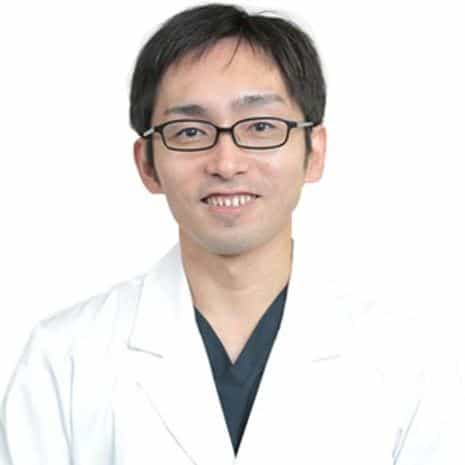
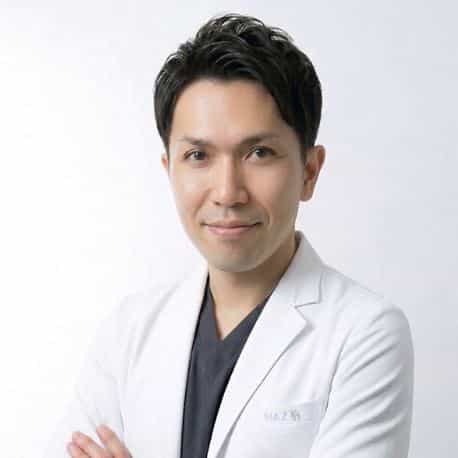
HELENE - Stem Cell Clinic
Overview
Japan Regenerative Medicine Leading Brand With over a decade of experience and more than 17,000 treated patients. Providing cutting-edge stem cell therapies tailored to various health concerns.
Read more details
 100.00% Patient Recommend
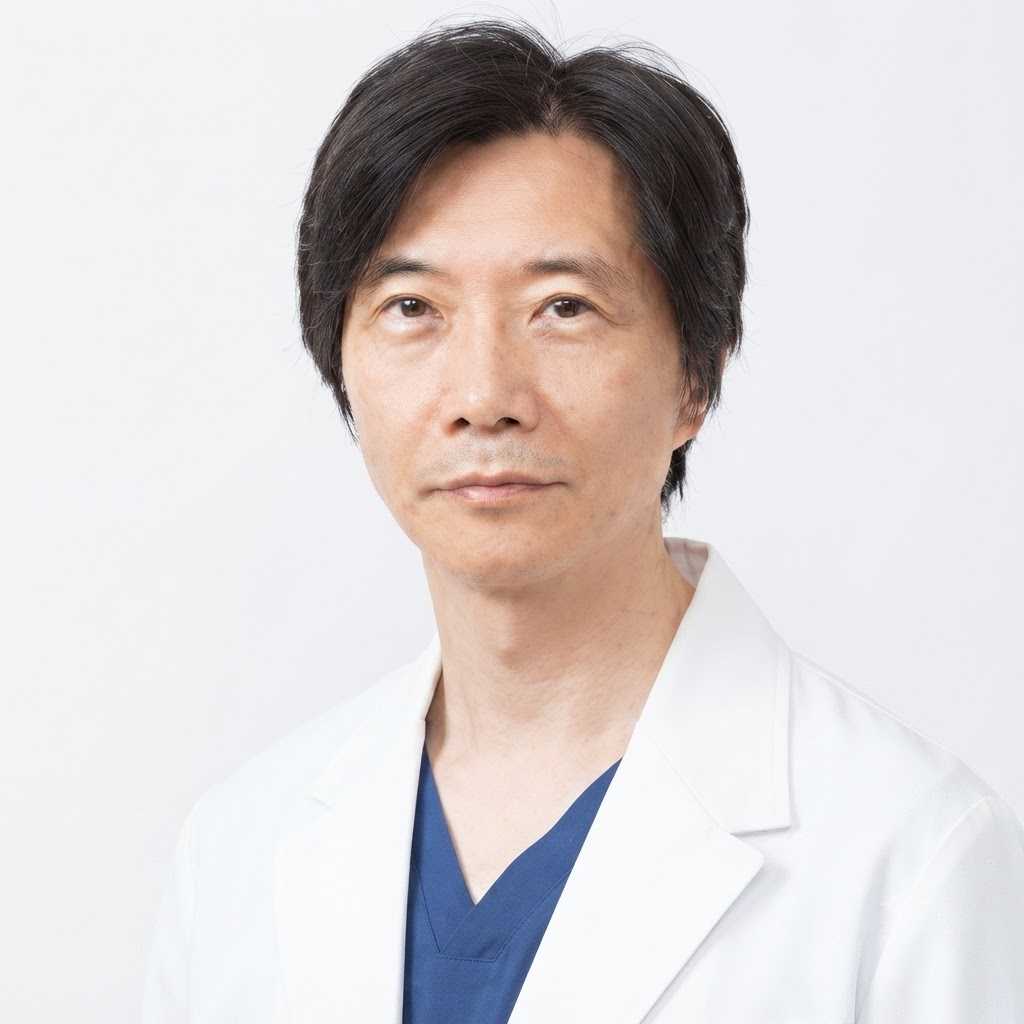
Azabu Skin Clinic - Dermatology and Stem Cell Therapy in Japan
Overview
Azabu Skin Clinic in Tokyo offers advanced stem cell treatments, regenerative treatments, dermatology, and aesthetic care. Book your consultation today.
Read more details
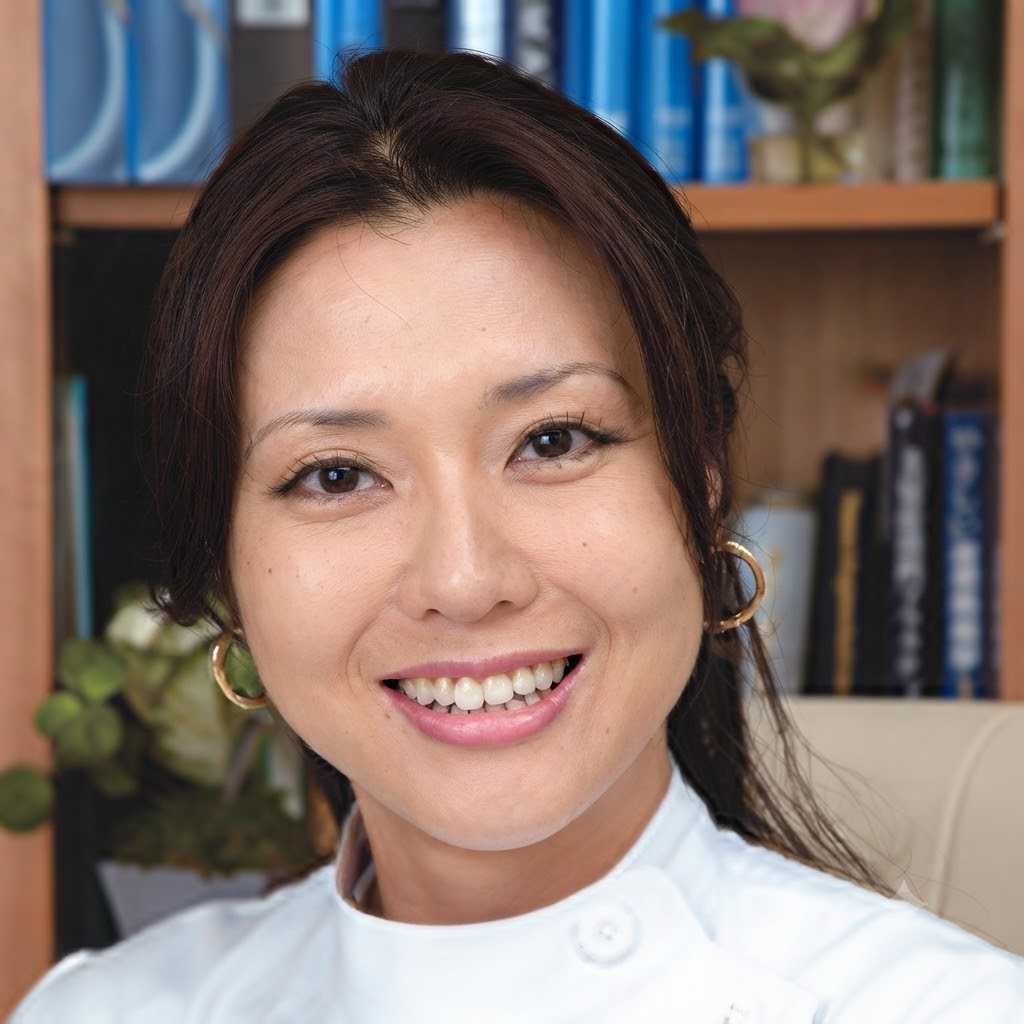
Clinique Haru Osaka Umeda - Japan Stem Cell Treatment
Overview
Clinique Haru Osaka Umeda specializes in Japan stem cell treatments for joint and musculoskeletal conditions using advanced regenerative medicine.
Read more detailsDiscover your treatment options with a free, no-obligation quote!
Get your quote now!
Riso Clinic - Japan Stem Cell Therapy
Overview
Explore Japan stem cell therapy at Riso Clinic in Tokyo. Advanced regenerative treatments for knee osteoarthritis, joint injuries, and cartilage repair.
Read more details
copy.png)
Authored by
Usama Ahmad
Medical content writer with 5+ years of experience specializing in stem cells and regenerative medicine content.

Reviewed by
Dr. Alejandro Fernando
Dr. Alejandro Fernando is a top stem cell specialist in Mexico City, specializing in regenerative medicine, cellular therapies, and chronic disease treatment and Medical Content Reviewer
Last updated on
Which are the best clinics for Stem Cell Treatment for Neurological Diseases in Japan?
For leading stem cell treatment for neurological diseases in Japan, two highly-regarded clinics stand out: HELENE - Stem Cell Clinic in Tokyo and Cell Grand Clinic in Osaka. Both facilities are renowned for their advanced regenerative medicine, extensive experience, and high patient satisfaction. They offer cutting-edge therapies tailored to various complex neurological conditions, emphasizing patient care and innovative treatment protocols.
When considering stem cell therapy for neurological diseases in Japan, potential patients often seek centers with proven expertise and positive outcomes. HELENE - Stem Cell Clinic, located in Tokyo, has over a decade of experience and has reportedly treated more than 16,000 patients, earning a 100% patient recommendation rate. Similarly, Cell Grand Clinic in Osaka is recognized as a premier destination for regenerative therapies, specializing in various neurological and chronic conditions, also boasting a 100% patient recommendation rate from 61 reviews. These clinics prioritize advanced stem cell research, stringent safety regulations, and personalized patient care protocols in their regenerative medicine programs.
What types of neurological conditions can stem cell therapy treat in Japanese clinics?
Japanese clinics offering stem cell therapy target a range of neurological conditions, including but not limited to Alzheimer's, Parkinson's disease, spinal cord injury, stroke recovery, and various neuropathies. These specialized clinics focus on utilizing stem cells to promote neural repair, reduce inflammation, and enhance functional improvements in patients suffering from complex neurological disorders.
Stem cell therapy in Japan is exploring new avenues for managing and potentially improving various neurological disorders. Clinics typically address conditions such as:
- Neurodegenerative Diseases: This includes Alzheimer's disease and Parkinson's disease, where treatments aim to slow progression and improve symptoms.
- Traumatic Injuries: Spinal cord injuries and traumatic brain injuries are often targeted, with the goal of promoting tissue regeneration and functional recovery.
- Ischemic Conditions: Post-stroke recovery protocols are developed to help patients regain lost neurological functions.
- Neuropathies: Various forms of nerve damage, including peripheral neuropathy, may also benefit from regenerative approaches.
How does stem cell therapy work for neurological diseases in Japanese clinics?
In Japanese clinics, stem cell therapy for neurological diseases primarily works by utilizing the regenerative and anti-inflammatory properties of various stem cell types, often mesenchymal stem cells (MSCs). These cells are administered to promote neural tissue repair, reduce neuroinflammation, and release growth factors that support the survival and function of existing neurons, aiming to improve neurological outcomes.
The mechanism of stem cell therapy for neurological diseases in Japan typically involves several key processes:
- Cellular Regeneration: Stem cells have the potential to differentiate into various cell types, including neural cells, which can help replace damaged tissues or support existing ones.
- Immunomodulation: Many stem cells, particularly MSCs, possess potent anti-inflammatory properties, reducing swelling and cellular damage in the brain and spinal cord, which is crucial in neurodegenerative conditions.
- Paracrine Effects: Stem cells release a variety of growth factors and cytokines that stimulate local repair mechanisms, promote angiogenesis (new blood vessel formation), and protect neuronal cells from further damage.
- Functional Improvement: By fostering a healthier microenvironment, these therapies aim to enhance nerve signal transmission and improve overall neurological function, potentially leading to better motor control, sensation, or cognitive abilities.
What should I look for in a Japanese stem cell clinic for neurological conditions?
When choosing a Japanese stem cell clinic for neurological conditions, prioritize those with robust accreditation, extensive experience in regenerative medicine for neurological disorders, transparent patient care protocols, and dedicated post-treatment support. Look for facilities that detail their cell sourcing, processing standards, and provide comprehensive patient education, ensuring a safe and ethical treatment journey.
Selecting the right clinic for neurological stem cell therapy in Japan requires careful consideration. Here are crucial factors to evaluate:
- Accreditation and Licensing: Verify that the clinic operates under strict Japanese regulatory guidelines and holds appropriate medical licenses for regenerative medicine.
- Specialized Expertise: Ensure the clinic and its medical team have significant experience specifically with neurological diseases and stem cell applications for such conditions.
- Treatment Protocols: Inquire about the types of stem cells used (e.g., autologous, allogeneic, umbilical cord-derived), their sourcing, processing methods, and the specific administration techniques for neurological conditions.
- Patient-Centric Care: Look for a clinic that offers personalized treatment plans, thorough pre-treatment evaluations, clear communication, and comprehensive follow-up care.
- Facility Standards: Modern facilities with advanced diagnostic and therapeutic equipment, adhering to high standards of hygiene and patient safety, are essential.
- Patient Testimonials and Outcomes: Review patient feedback and understand the clinic's success rates and reported improvements for conditions similar to yours.
Are stem cell treatments for neurological diseases legally regulated in Japan?
Yes, stem cell treatments for neurological diseases are legally regulated in Japan through stringent laws, notably the Regenerative Medicine Safety Act. This framework ensures that clinics offering these therapies adhere to strict safety, efficacy, and ethical standards, requiring protocols to be approved by the Ministry of Health, Labour and Welfare, and data to be collected for patient outcomes.
Japan has a progressive yet carefully regulated approach to regenerative medicine, including stem cell therapies for neurological diseases. The country implemented the Regenerative Medicine Safety Act in 2014, which aims to:
- Ensure Safety: All stem cell therapies must undergo rigorous safety assessments before clinical application.
- Promote Research and Development: The regulations encourage innovative research while maintaining ethical oversight.
- Require Approval: Clinics must seek approval from the Ministry of Health, Labour and Welfare (MHLW) for their specific treatment protocols. This involves submitting detailed plans on cell processing, administration, and expected outcomes.
- Mandate Reporting: Regular reporting on patient outcomes and adverse events is required, contributing to a robust national database for regenerative medicine data.
What is the typical recovery process after stem cell treatment for neurological issues in Japan?
The recovery process after neurological stem cell treatment in Japan often involves a multi-stage approach, combining immediate post-procedure monitoring with a structured rehabilitation program. Patients typically receive close observation in the clinic after cell administration, followed by personalized physical therapy, occupational therapy, and sometimes hyperbaric oxygen therapy to maximize therapeutic outcomes and support neurological healing.
After undergoing stem cell treatment for neurological issues in Japan, patients can expect a carefully managed recovery process:
- Immediate Post-Procedure Care: Following cell administration, patients are closely monitored for any immediate reactions or side effects. This usually involves a short stay in the clinic for observation.
- Integrated Rehabilitation: A critical component of recovery is a tailored rehabilitation program. This might include:
- Physical Therapy: To improve strength, mobility, and coordination.
- Occupational Therapy: To enhance daily living skills and independence.
- Speech Therapy: If neurological damage affects communication.
- Supportive Therapies: Such as nutritional guidance, hyperbaric oxygen therapy (HBOT), or other adjunct treatments to optimize recovery.
- Gradual Progress: Improvements from stem cell therapy can be gradual, often taking weeks or months to become noticeable. Clinics provide detailed home care instructions and typically schedule follow-up appointments, both in-person and via telemedicine for international patients, to monitor progress.
What are the potential benefits of choosing Japan for neurological stem cell therapy?
Choosing Japan for neurological stem cell therapy offers access to a highly regulated and technologically advanced healthcare system, with pioneering research and experienced specialists. Patients benefit from innovative treatment protocols, stringent quality controls, comprehensive patient support, and a patient-centric approach within world-class medical facilities, ensuring a high standard of care for complex neurological conditions.
Patients consider Japan for neurological stem cell therapy due to several compelling advantages:
- Advanced Research and Technology: Japan is at the forefront of regenerative medicine research, constantly integrating new scientific breakthroughs into clinical practice.
- Robust Regulatory Framework: The country's strict laws, like the Regenerative Medicine Safety Act, ensure therapies are thoroughly vetted for safety and efficacy, providing a layer of trust and reliability.
- Highly Skilled Medical Professionals: Japanese clinics employ experienced neurologists and regenerative medicine specialists dedicated to personalized patient care.
- High-Quality Healthcare Standards: The Japanese healthcare system is renowned globally for its exceptional quality, precision, and patient safety protocols.
- Holistic Treatment Approach: Many clinics combine stem cell administration with comprehensive rehabilitation programs, maximizing potential functional recovery for neurological conditions.
How do Japanese clinics ensure safety in stem cell treatments for neurological diseases?
Japanese clinics prioritize safety in neurological stem cell treatments through strict adherence to the Regenerative Medicine Safety Act, which mandates rigorous approval processes for protocols by the MHLW. They maintain advanced cell processing laboratories with Good Manufacturing Practice (GMP) standards, conduct extensive quality control on cell products, and provide thorough patient screening and continuous monitoring during and after therapy.
Ensuring patient safety is paramount for Japanese clinics providing stem cell treatments for neurological diseases. Their multifaceted approach includes:
- Government Regulation: Compliance with the Regenerative Medicine Safety Act means every treatment protocol must be approved by the Ministry of Health, Labour and Welfare, guaranteeing a national standard for safety and ethical practice.
- Accredited Laboratories: Clinics often utilize or partner with state-of-the-art cell processing facilities that operate under strict Good Manufacturing Practice (GMP) guidelines. This ensures the stem cells are harvested, processed, and stored under sterile conditions to prevent contamination and ensure viability.
- Rigorous Quality Control: Each batch of stem cells undergoes extensive testing for purity, viability, sterility, and absence of pathogens before administration.
- Thorough Patient Assessment: Comprehensive pre-treatment evaluations are conducted to ensure patients are suitable candidates for the therapy, minimizing risks.
- Continuous Monitoring: Patients are closely monitored throughout the treatment period and during follow-up, allowing for prompt detection and management of any potential side effects.
What are the latest advancements in neurological stem cell therapy offered in Japan?
Japanese clinics are at the forefront of neurological stem cell therapy, embracing advancements like induced pluripotent stem cells (iPSCs) for disease modeling and potential future treatments, alongside refined mesenchymal stem cell (MSC) applications. They're also exploring exosome therapy for targeted cellular communication and optimizing combination therapies with robotics and neurorehabilitation to enhance recovery for conditions such as spinal cord injury and Parkinson's disease.
Japan is actively involved in pushing the boundaries of neurological stem cell therapy, with ongoing advancements continually refining treatment approaches:
- iPSC Technology: A significant focus is on induced pluripotent stem cells (iPSCs), which hold promise for generating patient-specific neurons for transplantation and disease modeling. Research is progressing towards safe and effective clinical applications for conditions like Parkinson's and spinal cord injury.
- Enhanced MSC Protocols: Clinics are refining protocols for mesenchymal stem cells (MSCs), optimizing their delivery methods, dosages, and combinations with other therapies to maximize their neuroprotective and regenerative effects.
- Exosome Therapy: There's growing interest in exosomes, tiny vesicles secreted by stem cells, which carry therapeutic cargo to recipient cells. These are being explored for their ability to promote neural repair without direct cell transplantation.
- Combination Therapies: Japanese clinics are increasingly integrating stem cell treatments with advanced neurorehabilitation techniques, such as robotic-assisted therapy and virtual reality, to enhance neural plasticity and functional recovery.
- Precision Medicine: Leveraging genetic and biomarker data to personalize stem cell therapies, aiming for more targeted and effective treatments for individual patients with specific neurological profiles.
Can I combine traditional neurology care with stem cell therapy in Japan?
Yes, Japanese clinics often integrate traditional neurology care with advanced stem cell therapy to provide a comprehensive treatment approach for neurological diseases. This allows patients to continue necessary conventional treatments while also leveraging the regenerative potential of stem cells, creating a synergistic effect aimed at optimizing outcomes and improving overall patient well-being and functional recovery.
Combining traditional neurology care with stem cell therapy in Japan is often a recommended and integrated approach, designed to provide the most holistic and effective treatment plan.
- Complementary Benefits: Traditional neurological treatments (medication, physical therapy, lifestyle adjustments) manage symptoms and slow disease progression, while stem cell therapy aims to promote regeneration and repair at a cellular level. Combining them can offer synergistic benefits.
- Personalized Treatment Plans: Reputable Japanese clinics work closely with patients and their existing healthcare providers to develop individualized treatment strategies that seamlessly incorporate both conventional and regenerative therapies.
- Continuity of Care: This integrated model ensures that patients do not have to choose between established care and innovative treatments. Instead, they receive continuous, coordinated care that addresses their condition from multiple angles.
- Optimizing Rehabilitation: Stem cell treatments may create a more receptive environment for rehabilitation, potentially enhancing the effectiveness of physical, occupational, and speech therapies that are cornerstones of traditional neurological care.
How PlacidWay helps individuals access Stem Cell Treatment for Neurological Diseases in Japan?
PlacidWay simplifies your journey to finding top-tier Stem Cell Treatment for Neurological Diseases in Japan. We provide detailed, up-to-date information about various procedures, including their benefits, risks, and expected outcomes, empowering you with knowledge. Our platform helps you compare treatment options across accredited clinics, ensuring you find affordable choices without compromising on quality. We assist in locating trusted medical professionals and facilities specializing in neurological stem cell therapy in Japan. PlacidWay also offers one-on-one consultations to help you make informed decisions, ensuring your specific health needs are met. Plus, we provide continued support after your treatment, including follow-up care and recovery assistance, for a seamless and reassuring experience. Ready to get Stem Cell Treatment for Neurological Diseases in Japan? Contact us today for a personalized consultation.Share with AI
Share this page with AI assistants to get summaries and insights


List of Best Stem Cell Treatment for Neurological Diseases Clinics in Japan
Explore Stem Cell Treatment for Neurological Diseases: Stories, Testimonials, and Procedures
Watch in-depth videos covering everything from Stem Cell Treatment for Neurological Diseases success stories to detailed procedure explanations. Learn what to expect and hear from real patients.
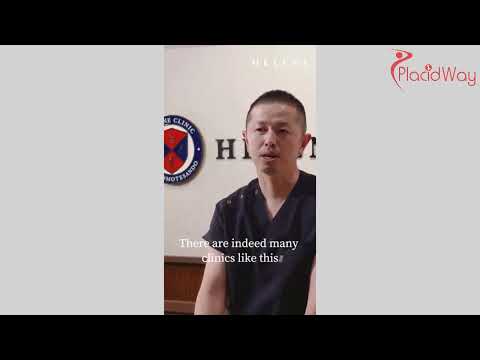
Minimally Invasive Stem Cell Therapy and Advanced Cultivation
Cancer Treatment
HELENE - Stem Cell Clinic
Tokyo, Japan
Expert Care by Dr. Yuichi Wakabayashi for Advanced Stem Cell in Japan at Cell Grand Clinic
Cancer Treatment
Cell Grand Clinic - Best Stem Cell Clinic in Japan
Osaka, Japan

Regenerative Medicine for Neurological Recovery in Tokyo Japan by Helene Clinic
Stem Cell Therapy
HELENE - Stem Cell Clinic
Tokyo, Japan
Stem Cell Therapy in Japan by Dr. Yuichi Wakabayashi: Why Patients Prefer Cell Grand Clinic Osaka
Cancer Treatment
Cell Grand Clinic - Best Stem Cell Clinic in Japan
Osaka, Japan
Unlock the Best Stem Cell Treatment for Neurological Diseases Packages Just for You
Discover the ultimate Stem Cell Treatment for Neurological Diseases packages designed to meet your health and wellness goals. Choose the perfect fit for your journey.
Price starting from $16,000
Stem Cell Treatment for Autism Package - Malaysia
Dr. Ebenezer Abel Paul - Stem Cells in Malaysia
- Stem Cell Therapy
Dubai, UAE

Price starting from $19,800
AGA/FAGA Stem Cell Therapy for Hair Loss Package in Osaka, Japan by Cell Grand Clinic
Cell Grand Clinic - Best Stem Cell Clinic in Japan
- Stem Cell Therapy
Osaka, Japan

Price starting from $19,800
Diabetes Regenerative Medicine Package in Osaka, Japan by Cell Grand Clinic
Cell Grand Clinic - Best Stem Cell Clinic in Japan
- Stem Cell Therapy
Osaka, Japan

Price starting from $10,000
Stem Cell Therapy for Parkinson’s Disease Package in Tokyo, Japan by HELENE Clinic
HELENE - Stem Cell Clinic
- Stem Cell Therapy
Tokyo, Japan
Transformative Stem Cell Treatment for Neurological Diseases Experiences: Dive into Procedure Insights
Discover the power of Stem Cell Treatment for Neurological Diseases through compelling patient experiences. Uncover detailed insights into procedures, recovery journeys, and life-changing results.
.png)
Stem Cell Therapy for Spinal Cord Injury in Japan
- Stem Cell Treatment for Spinal Cord Injury, Stem Cell Therapy
Japan
.png)
Stem Cell for Knee Osteoarthritis in Osaka, Japan
- Stem Cell Therapy for Osteoarthritis, Stem Cell Therapy
Osaka, Japan
.png)
Price starting from $10,000
Stem Cell Therapy for Knee Osteoarthritis in Japan
- Stem Cell Treatment for Knee Osteoarthritis Abroad, Stem Cell Therapy
Japan
.png)
Price starting from $10,000
Stem Cell Therapy for Parkinson’s Disease in Japan
- Stem Cell Treatment for Parkinsons Disease, Stem Cell Therapy
Japan








I am truly grateful. My diabetes test results have improved, and I am genuinely amazed by the progress.
Read More