



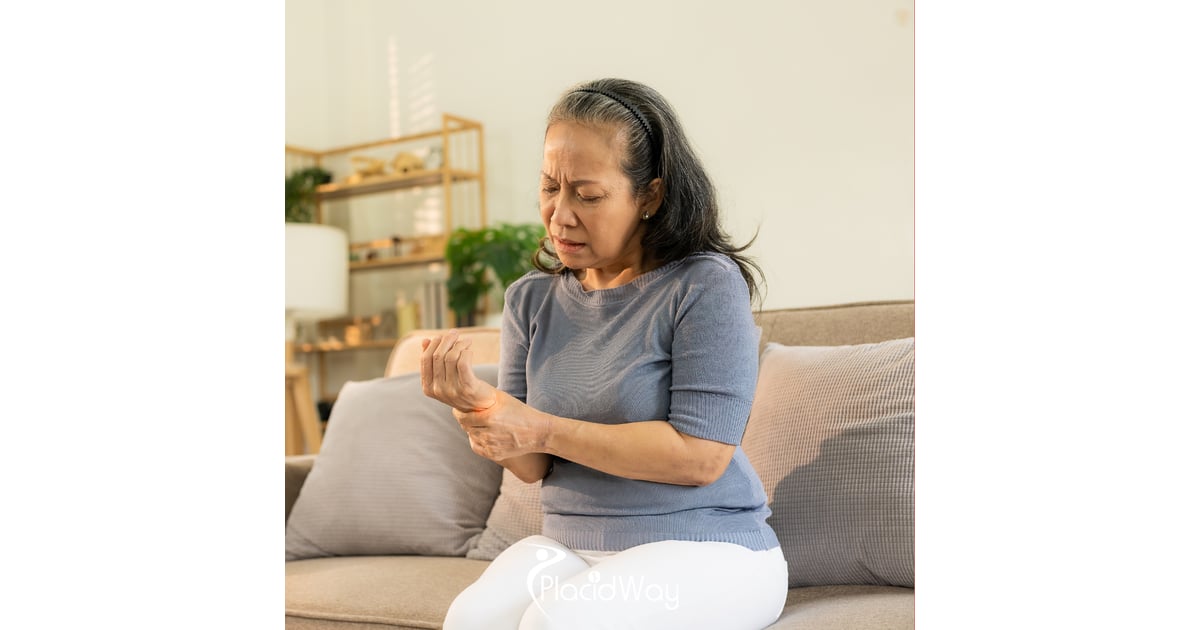
Chronic hand and wrist pain can severely limit daily activities, making simple tasks feel insurmountable for many individuals. For patients in Indonesia seeking advanced medical solutions, traditional treatments like physical therapy or cortisone shots often fall short of providing long-term relief. As a result, a growing number of individuals are looking abroad for innovative therapies that target the root cause of joint deterioration rather than just masking the symptoms.
Japan has rapidly emerged as a global leader in regenerative medicine, offering highly regulated and advanced treatment protocols to international patients. People experiencing osteoarthritis, tendonitis, or repetitive strain injuries are increasingly exploring stem cell therapy for hand pain in Tokyo, Japan. This modern approach generally focuses on reducing inflammation and promoting natural tissue healing without the need for invasive surgical procedures.
Japan enacted the "Act on the Safety of Regenerative Medicine" in 2014, making it one of the first countries in the world to create a comprehensive legal framework specifically designed to accelerate the safe clinical application of stem cell treatments.
- Advanced medical infrastructure attracts thousands of international patients annually.
- Proximity to Southeast Asia makes Tokyo a convenient destination for Indonesian travelers.
- Focuses heavily on non-surgical, regenerative orthopedic solutions.
- Backed by extensive national research and clinical trials.
Understanding Stem Cell Treatment for Joint Pain in Japan
Regenerative medicine utilizes the body’s intrinsic healing mechanisms to address damaged tissues and joints. In orthopedic applications, specialists commonly use mesenchymal stem cells, which have the potential to adapt and support the repair of cartilage, ligaments, and tendons. When applied to stem cell treatments for joint pain in Japan, these cells are typically injected directly into the affected wrist or hand joints under ultrasound guidance.
The primary goal of this therapy is to modulate the immune system, reduce chronic inflammation, and create an optimal environment for tissue regeneration. Most patients experience a gradual improvement in mobility and a reduction in pain over several months as the cells interact with the damaged areas. While outcomes cannot be guaranteed, this biologic approach is generally considered a promising alternative for those wishing to delay or avoid joint replacement surgery.
Studies indicate that orthopedic conditions, including osteoarthritis and joint degeneration, account for one of the largest segments of regenerative medicine treatments sought by international medical tourists globally.
- Targets underlying inflammation rather than just temporarily masking pain.
- Utilizes ultrasound imaging to ensure precise delivery of cells to the damaged joint.
- Aims to preserve existing bone and cartilage structures.
- Typically performed as a minimally invasive outpatient procedure.
Why Indonesians Choose Regenerative Medicine in Tokyo, Japan
For many Indonesians dealing with debilitating hand pain, the local availability of advanced, clinically validated stem cell therapies can be somewhat limited. Traveling overseas allows access to top-tier medical technology, specialized orthopedic expertise, and state-of-the-art laboratory facilities. Medical tourism in Tokyo, Japan provides a compelling blend of exceptional healthcare standards, meticulous patient care, and a safe, welcoming environment.
Additionally, the cultural emphasis on precision and hygiene in Japanese medical institutions offers immense peace of mind to international travelers. Flight connections between Jakarta or Bali and Tokyo are frequent and relatively short compared to traveling to Western countries for similar treatments. This combination of accessibility, high clinical standards, and advanced protocols makes Tokyo an ideal hub for regenerative medicine in Tokyo.
When planning your medical trip, factor in the climate of Tokyo during your visit. If you are traveling during winter, bring warm gloves to protect your sensitive hands and wrists from the cold after your procedure.
- Direct flights make travel from Indonesia straightforward and comfortable.
- Access to highly specialized laboratories for cell cultivation.
- Strict adherence to international safety and hygiene protocols.
- Comprehensive care that often includes personalized post-treatment follow-up.
Affordable Stem Cell Therapy Cost for Hand Pain in Tokyo, Japan
Understanding the financial commitment is a vital step for any patient considering cross-border healthcare. The stem cell therapy cost in Japan is often highly competitive when compared to the pricing in the United States, Europe, or Australia. By choosing to travel, Indonesian patients can access premium healthcare services that provide substantial value without compromising on clinical safety or technological advancement.
Pricing typically varies based on the type of extraction, the number of joints being treated, and the specific laboratory protocols required for cell expansion. While the initial investment may seem significant, many patients find that avoiding long-term physical therapy, continuous pain medications, or eventual invasive surgery makes this a cost-effective choice. Below is an estimated cost comparison for typical regenerative orthopedic procedures.
| Procedure Name | Average Cost in Tokyo, Japan | Estimated Cost in Indonesia / Regional Alternatives |
|---|---|---|
| Adipose-Derived Stem Cell Therapy (Single Joint) | $5,500 - $8,500 | $8,000 - $12,000 |
| Bone Marrow-Derived Stem Cell Therapy | $6,500 - $9,500 | $10,000 - $15,000 |
| PRP & Stem Cell Combination Therapy | $4,500 - $7,500 | $7,500 - $11,000 |
Top Stem Cell Clinics in Tokyo, Japan for Orthopedic Care
Tokyo is home to some of the most technologically advanced medical facilities in the world, particularly in the specialized field of regenerative therapies. Medical tourists from Southeast Asia frequently seek out established centers that maintain stringent safety protocols and quality standards. Finding the right facility is a crucial step for anyone exploring orthopedic stem cell clinics in Japan.
Among the prominent options available to international patients is HELENE - Stem Cell Clinic in Tokyo, Japan, widely recognized for its dedication to regenerative protocols. Patients exploring this facility often review various modern approaches to stem cell treatment for hand and wrist pain in Tokyo. These advanced institutions typically employ multidisciplinary teams of specialists to ensure comprehensive care and tailored treatment plans for every patient.
The processing and expansion of stem cells in Japan must take place in dedicated Cell Processing Centers (CPCs) that adhere to ultra-clean, pharmaceutical-grade environmental standards.
- Clinics are rigorously inspected by the Ministry of Health, Labour and Welfare.
- Offer bilingual support staff to assist international patients.
- Utilize advanced diagnostic imaging to assess joint damage prior to treatment.
- Provide comprehensive pre-treatment consultations to manage patient expectations.
Types of Stem Cells Used for Wrist Pain Treatment in Japan
Medical professionals in Japan generally utilize autologous stem cells for orthopedic treatments, meaning the cells are sourced directly from the patient’s own body. This approach significantly reduces the risk of rejection or severe allergic reactions. The most commonly utilized types in regenerative medicine in Japan are adipose-derived (from fat tissue) and bone marrow-derived mesenchymal stem cells.
Adipose tissue is often favored for hand and wrist treatments because it is relatively easy to extract and yields a high concentration of viable cells. Bone marrow extraction, while slightly more involved, is another highly effective method often used for severe cartilage degradation. The physician will typically recommend the best cell source based on the patient's specific diagnosis, age, and overall health condition.
Stem cell therapy is not suitable for everyone. Patients with active infections, severe blood disorders, or certain types of active cancers are generally contraindicated for regenerative treatments. Always provide your complete medical history to your specialist.
- Adipose-Derived Cells: Extracted via a mini-liposuction procedure, typically from the abdomen.
- Bone Marrow-Derived Cells: Extracted from the hip bone, rich in growth factors.
- Autologous Application: Eliminates the risk of communicable diseases from donors.
- Combination Therapies: Sometimes mixed with Platelet-Rich Plasma (PRP) to boost healing potential.
The Procedure Process for Hand and Wrist Stem Cells in Tokyo
The journey to receiving stem cell therapy for wrist pain in Tokyo is typically straightforward but involves several meticulous steps to ensure patient safety and optimal cell viability. Upon arrival, the patient undergoes a final clinical evaluation, which may include MRIs or X-rays to precisely map the damaged areas in the hands. This detailed diagnostic phase is essential for tailoring the exact injection sites.
The actual procedure usually begins with the harvesting of the patient's cells under local anesthesia, ensuring minimal discomfort. These cells are then processed in a specialized, sterile laboratory to isolate and concentrate the therapeutic elements. Finally, the concentrated stem cells are carefully injected into the targeted wrist or hand joints using ultrasound guidance to ensure perfect placement.
The use of live ultrasound guidance during injections increases the accuracy of cell placement by nearly 100%, ensuring the biologic material reaches the exact site of tissue damage or inflammation.
- Comprehensive consultation and advanced diagnostic imaging.
- Minimally invasive cell extraction from fat or bone marrow.
- Centrifugation and purification in a certified laboratory setting.
- Precise image-guided injection into the affected hand or wrist joints.
What to Expect During Recovery from Stem Cell Therapy in Japan
One of the most appealing aspects of regenerative treatments is the relatively swift and uncomplicated recovery period compared to traditional joint surgery. Most patients who undergo hand and wrist stem cell treatment in Japan experience only mild soreness, swelling, or stiffness at the injection and extraction sites. These minor side effects are generally manageable with basic over-the-counter pain relievers and ice packs.
While the initial recovery is quick, the biological healing process takes time. Patients are usually advised to avoid strenuous activities, heavy lifting, or repetitive hand motions for several weeks to allow the cells to settle and begin the repair process. Full regenerative benefits and maximum pain reduction typically unfold gradually over a period of three to six months.
Engage in gentle, doctor-approved physical therapy once cleared. Proper movement helps stimulate blood flow to the treated joints and supports the regenerative capabilities of the newly injected cells.
- Mild swelling and localized tenderness usually subside within 2 to 4 days.
- Return to light, daily activities is generally possible within a week.
- Anti-inflammatory medications (NSAIDs) should be avoided, as they can hinder the stem cell function.
- Follow-up consultations can often be conducted virtually once you return to Indonesia.
Legal and Safety Standards for Regenerative Medicine in Japan
Safety is a primary concern for any medical tourist, and Japan's regulatory environment provides a highly secure framework for innovative treatments. The Japanese Ministry of Health, Labour and Welfare closely monitors all institutions providing regenerative medicine in Japan. Clinics must pass rigorous inspections and demonstrate the highest standards of ethical practice and scientific validity before offering therapies to patients.
Furthermore, all cell processing facilities are legally required to maintain strict sterility and quality control measures, akin to pharmaceutical manufacturing plants. This national commitment to regulatory excellence ensures that international patients receive care that is not only cutting-edge but also profoundly safe, significantly reducing the risks of infection or procedural complications.
Japan operates under a dual-track regulatory system that allows approved clinics to offer regenerative therapies to patients swiftly while continuously collecting data to ensure long-term efficacy and safety.
- Mandatory clinic certification by the Japanese government.
- Stringent ethical reviews for all new regenerative protocols.
- Transparent reporting of clinical outcomes and adverse events.
- High-grade sterilization requirements for all Cell Processing Centers.
Patient Experiences with Stem Cell Therapy for Wrists in Tokyo
Hearing from individuals who have successfully navigated the medical tourism process can be incredibly reassuring. Many Indonesians who sought orthopedic stem cell clinics in Japan report positive experiences regarding the level of hospitality, medical expertise, and clinical cleanliness. Their journeys highlight the transformative potential of addressing chronic pain through advanced medicine.
While every individual's bodily response to stem cell therapy varies, the overarching sentiment from traveling patients reflects satisfaction with the comprehensive care received in Tokyo. The following summaries illustrate the typical patient experiences of those who decided to pursue regenerative solutions for their hand and wrist ailments.
Budi's Journey from Jakarta
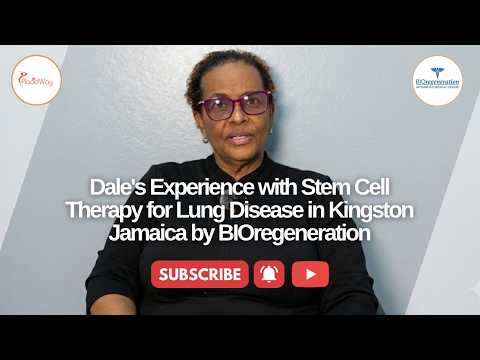
Suffering from severe osteoarthritis in his right wrist, Budi found writing and driving increasingly painful. After undergoing autologous stem cell therapy in Tokyo, he reported a significant decrease in stiffness within three months, allowing him to return to his daily routine with newfound comfort.
Siti's Experience with Tendonitis
A passionate pianist from Bandung, Siti developed chronic tendon inflammation that threatened her career. She traveled to Japan for targeted cell injections. Following a dedicated recovery period, she noted a remarkable reduction in acute pain during her piano sessions.
Agung's Relief from Joint Degeneration
Agung, a business owner from Surabaya, struggled with age-related cartilage wear in his hands. Seeking an alternative to joint fusion surgery, he opted for regenerative treatment in Tokyo. He was particularly impressed by the clinic's meticulous screening process and currently enjoys improved hand mobility.
Rina's Non-Surgical Solution
Dealing with repetitive strain injury from decades of computer work, Rina sought out advanced therapies abroad. The precise ultrasound-guided injections she received in Japan provided her with progressive pain relief over six months, greatly improving her overall quality of life.
Assessing Your Candidacy for Hand Stem Cell Treatment in Japan
Determining whether you are a suitable candidate is a collaborative process between you and a qualified medical specialist. Generally, ideal candidates for stem cell therapy for hand pain in Tokyo, Japan are individuals experiencing chronic joint pain, early to moderate osteoarthritis, or sports-related tendon injuries. Patients should be in relatively good overall health to ensure the extracted cells are robust and viable.
It is important to understand that regenerative therapies may not be effective for extreme cases of "bone-on-bone" arthritis where the cartilage is completely gone. During the initial virtual or in-person consultation, the Japanese medical team will thoroughly evaluate your medical history, imaging reports, and pain levels to set realistic expectations for your treatment outcomes.
- Best suited for moderate cartilage degradation and chronic inflammation.
- Patients must have adequate fat reserves or healthy bone marrow for extraction.
- Individuals with severe autoimmune diseases may require specialized evaluations.
- A commitment to post-treatment care and physical therapy is essential.
Traveling from Indonesia for Medical Tourism in Tokyo, Japan
Coordinating an international medical trip requires careful logistical planning, but the route between Indonesia and Japan is highly accessible. Direct flights regularly connect major Indonesian cities like Jakarta and Denpasar to Tokyo’s Narita and Haneda airports. This connectivity is a major reason why medical tourism in Japan has become highly favored among Southeast Asian patients seeking medical excellence without the exhaustion of long-haul Western flights.
Navigating a foreign country can be intimidating, especially when dealing with medical issues, but Tokyo boasts an exceptional public transportation system and a safe, clean environment. Many reputable medical facilities are situated in central districts, making it convenient for patients to travel between their accommodations and the clinic. The integration of modern conveniences makes the healing journey much more comfortable.
- Direct flights from Jakarta to Tokyo typically take about 7 to 8 hours.
- Tokyo's reliable public transit system provides easy access to central medical hubs.
- A wide range of comfortable lodging options are available near major clinics.
- Japanese culture places a high value on tranquility, aiding in a stress-free recovery environment.
Preparing for Your Regenerative Medical Journey to Japan
Thorough preparation is the key to a seamless and successful medical experience abroad. Before departing Indonesia, it is crucial to gather all relevant medical records, including recent MRI scans, X-rays, and physician notes regarding your hand or wrist condition. Providing these documents in advance allows the orthopedic stem cell clinics in Japan to formulate a preliminary treatment plan tailored to your specific anatomy.
Additionally, overcoming language barriers is an important consideration. While many top-tier Japanese doctors speak English, having access to medical translation services ensures that you fully understand the procedural details, consent forms, and post-care instructions. Most internationally focused clinics provide dedicated coordinators to assist with this vital aspect of your care.
Medical imaging standards can vary slightly by country. Your Japanese clinic may request that you send digital files (DICOM format) of your MRIs rather than physical films to ensure precise, high-resolution pre-treatment analysis.
- Ensure your passport is valid for at least six months from your travel date.
- Check current visa requirements for Indonesian citizens entering Japan.
- Compile a comprehensive list of all current medications to share with your specialist.
- Arrange your finances to accommodate international medical payments smoothly.
How PlacidWay Assists Your Stem Cell Medical Tourism Journey in Tokyo, Japan
Embarking on a journey for advanced medical care in a foreign country can be complex, but you do not have to navigate it alone. PlacidWay serves as a vital bridge, connecting Indonesian patients with top-tier medical facilities worldwide. By utilizing specialized platforms, patients can seamlessly explore options for stem cell therapy for hand pain in Tokyo, Japan with confidence and clarity.
Our goal is to simplify the discovery and coordination process, empowering you to make informed decisions about your health. From securing initial consultations to gathering competitive treatment quotes, PlacidWay facilitates a streamlined pathway to premium international healthcare.
- Connects you directly with accredited, top-rated regenerative clinics in Tokyo.
- Facilitates the secure transfer of your medical records and MRI scans to specialists.
- Assists in scheduling virtual pre-treatment consultations with Japanese doctors.
- Provides detailed, transparent cost estimates for your required procedures.
- Offers access to multilingual patient coordination for seamless communication.
- Empowers you with comprehensive information to make educated healthcare decisions.
Frequently Asked Questions
Am I a good candidate for stem cell therapy for wrist pain in Tokyo?
Ideal candidates typically suffer from chronic osteoarthritis, tendonitis, or cartilage degradation that has not responded to conservative treatments. A thorough medical evaluation by a specialist in Japan is required to determine your specific suitability.
How long does a stem cell procedure for hands take in Japan?
The actual injection procedure generally takes a few hours and is often performed on an outpatient basis. However, international patients should expect to stay in Tokyo for several days for initial consultations, extraction, and follow-up monitoring.
Are stem cell treatments for joint pain safe in Tokyo, Japan?
Japan enforces strict regulations under the Act on the Safety of Regenerative Medicine to ensure high clinical standards. While generally considered safe, all medical procedures carry some risks, such as infection or injection site pain, which your doctor will discuss.
Do Indonesians need a special medical visa for treatment in Japan?
Indonesian citizens generally need a visa to enter Japan, and depending on the duration of the treatment, a specific medical visa may be recommended. It is advisable to consult with the Japanese embassy or your patient coordinator for current requirements.
When will I feel relief after wrist stem cell therapy in Tokyo?
Results vary significantly among patients; some experience initial relief within a few weeks, while for others it may take a few months. The regenerative process takes time as cells work to reduce inflammation and promote tissue healing.
Is stem cell therapy for hand pain covered by Indonesian health insurance?
Most standard domestic health insurance plans in Indonesia do not cover experimental or advanced regenerative therapies performed overseas. Patients typically pay out-of-pocket or rely on premium international health insurance policies that include medical tourism benefits.
What type of stem cells are most commonly used for joints in Japan?
Clinics in Tokyo primarily use autologous mesenchymal stem cells (MSCs) harvested from the patient's own fat tissue or bone marrow. These cells are favored for orthopedic applications due to their potential to support tissue repair and modulate inflammation.
Can I return to work immediately after treatment in Tokyo?
Most patients experience minimal downtime and can return to light, non-strenuous desk work within a few days. However, heavy lifting or activities that strain the hands and wrists should typically be avoided for several weeks.
How does the cost of stem cell therapy in Tokyo compare to Western countries?
Treatment costs in Japan are generally more competitive than in the United States or Western Europe, often providing high-quality care at a lower price point. This affordability, combined with advanced technology, makes Tokyo an attractive destination.
Will I need multiple stem cell sessions for my hand pain?
Many patients achieve their desired outcomes with a single targeted treatment session. In more severe cases of joint degeneration, a specialist might recommend a follow-up session or a combination therapy for optimal results.
Ready to explore advanced regenerative treatments? Let PlacidWay help you connect with top-rated stem cell clinics in Tokyo, Japan. Take the first step toward relieving your hand and wrist pain today.
References
- National Institutes of Health (NIH). Stem Cell Basics. https://stemcells.nih.gov/info/basics/stc-basics
- World Health Organization (WHO). Musculoskeletal Health. https://www.who.int/news-room/fact-sheets/detail/musculoskeletal-conditions
- Wikipedia. Regenerative Medicine. https://en.wikipedia.org/wiki/Regenerative_medicine
- Centers for Disease Control and Prevention (CDC). Medical Tourism Guidance. https://wwwnc.cdc.gov/travel/page/medical-tourism
















Share this listing