
You have likely struggled with stubborn areas of fat that do not respond to diet or exercise, leading you to consider body contouring abroad. Searching for liposuction in Seoul, South Korea offers access to highly skilled specialists, advanced minimally invasive technologies, and transparent treatment environments. This guide helps you navigate your options safely, emphasizing how to verify Korean Society of Plastic and Reconstructive Surgeons (KSPRS) board certification and understand estimated treatment costs. By knowing exactly what certificates to look for and what to expect clinically, you can make an informed, confident healthcare decision.
Quick Answer Summary
- Estimated Cost: Typically ranges between $2,500 and $6,000 USD per area, depending on the complexity and technique used.
- Safety Overview: South Korea enforces strict medical regulations; safety dramatically increases when choosing facilities licensed by the Ministry of Health and Welfare.
- Ideal Candidate: You should be at or near your target weight, possess good skin elasticity, and have localized fat deposits that resist lifestyle changes.
- Recovery Time: Most patients return to light activities within 7 to 10 days, though final contouring results can take 3 to 6 months to fully appear.
- Why Patients Choose Seoul: Access to ultra-precise body contouring techniques, high volumes of surgical experience, and strict government oversight of medical facilities.
- Certifications to Verify: Always look for KSPRS (Korean Society of Plastic and Reconstructive Surgeons) board certification and KAHF (Korean Accreditation Program for Hospitals Serving Foreign Patients) facility accreditation.
- Important Caution: Liposuction is a body contouring procedure, not a weight loss solution; maintaining a stable weight post-surgery is essential for long-term results.
Why International Patients Travel to Seoul for Liposuction
South Korea has established itself as a global hub for medical aesthetics and advanced plastic surgery. You may be wondering why so many international patients fly across the world specifically for body contouring. The primary driver is the unique combination of high clinical standards, surgical precision, and technological integration. Patients from the United States, Australia, Singapore, and Europe frequently seek treatment in Seoul due to the rigorous training pathways required for local specialists. A certified plastic surgeon in South Korea undergoes years of specialized anatomical training before operating. This translates to an elevated level of precision during fat extraction. Furthermore, the local medical tourism infrastructure is highly organized. Government bodies actively monitor clinics treating international patients.
- Advanced Technologies: Seoul clinics frequently utilize specialized modalities like VASER and PAL (Power-Assisted Liposuction) to minimize tissue trauma.
- High Case Volumes: Surgeons in Seoul typically perform a high volume of contouring procedures, leading to refined technical skills.
- Comprehensive Aftercare: Clinics often include post-operative deswelling treatments, such as LED therapy and lymphatic drainage massages, in their care packages.
- Transparent Pricing: Many top-tier clinics provide itemized quotes upfront to international patients, reducing the risk of hidden fees.
- Regulatory Oversight: The South Korean government actively monitors and penalizes clinics that fail to meet safety standards for medical tourists.
Understanding Liposuction Techniques in South Korea
Liposuction is not a single, standardized operation. It encompasses various surgical techniques designed to remove localized subcutaneous fat. When you consult with a surgeon in Seoul, they will evaluate your anatomy and recommend a specific modality. The traditional method, known as suction-assisted liposuction (SAL), remains foundational. However, South Korean clinics often combine this with advanced energy-assisted techniques to improve fat extraction and encourage skin retraction. Your surgeon may recommend one or a combination of the following techniques based on your tissue density, the volume of fat to be removed, and your skin elasticity.
| Liposuction Technique | How It Works | Best Suited For |
|---|---|---|
| Tumescent Liposuction | Injects a sterile solution containing saline, epinephrine, and lidocaine to firm the fat and minimize bleeding. | Almost all modern liposuction procedures use this as a foundational step for safety. |
| Power-Assisted (PAL) | Uses a vibrating cannula to rapidly break up fat tissue, making extraction smoother and less physically demanding for the surgeon. | Large volume fat removal, dense areas like the back, or revision procedures. |
| Ultrasound-Assisted (VASER) | Emits ultrasound energy to emulsify (melt) fat cells before removal, preserving surrounding nerves and blood vessels. | High-definition contouring, athletic sculpting, and treating fibrous fat deposits. |
| Laser-Assisted (SmartLipo) | Delivers thermal energy via a laser fiber to liquefy fat and stimulate collagen production in the deep dermis. | Smaller areas like the chin or arms, and patients needing mild skin tightening. |
Are You a Good Candidate for Body Contouring?
Liposuction is a highly effective procedure for the right individual, but it is not suitable for everyone. Clinics in Seoul prioritize patient safety and will turn away individuals who do not meet clinical criteria. You must view liposuction as a body sculpting tool rather than a weight reduction method. Your surgeon will calculate your Body Mass Index (BMI) and assess your overall cardiovascular health before approving you for surgery. Ideal candidates typically share several clinical characteristics. You should be within 30% of your ideal body weight and have maintained a stable weight for at least six months.
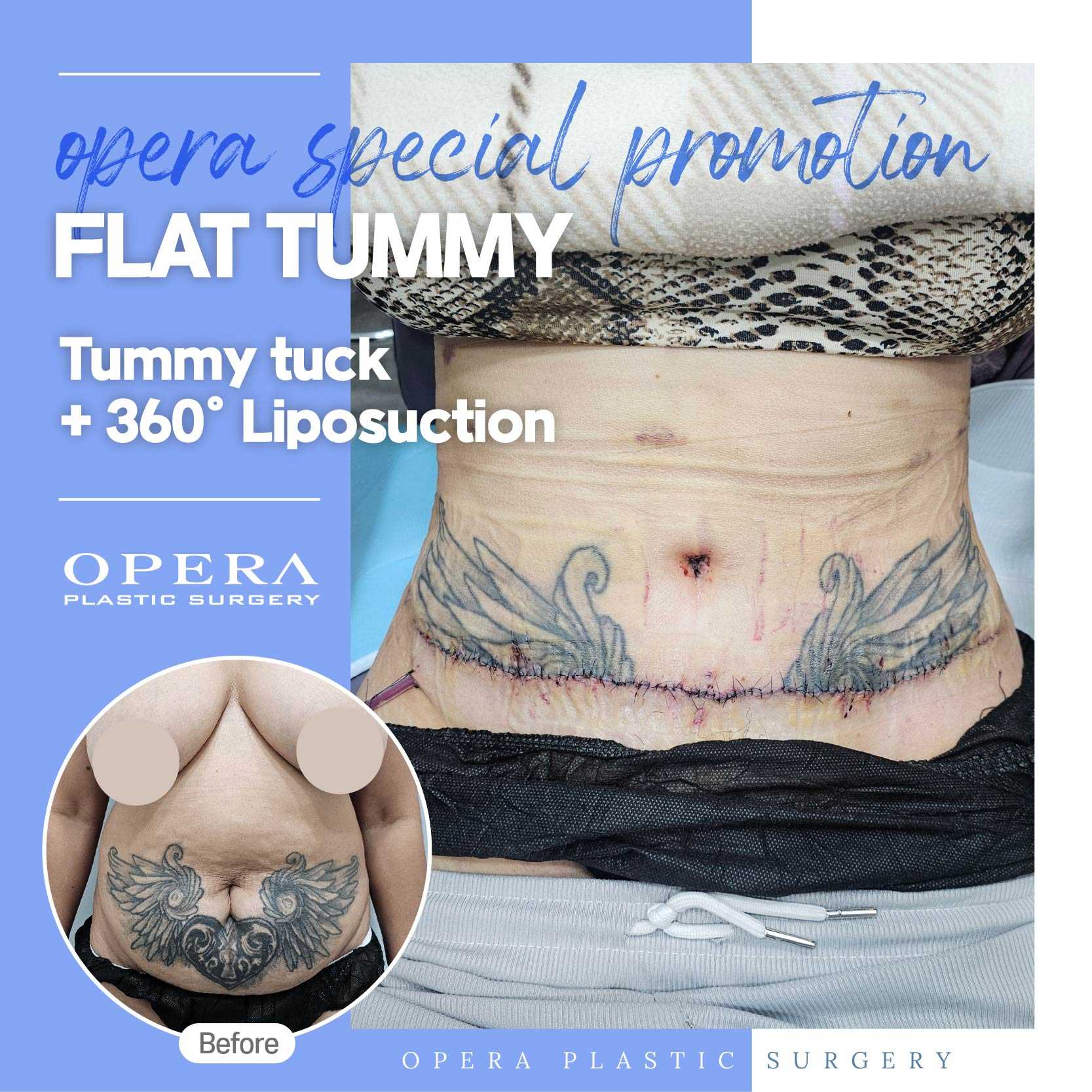
Your skin elasticity also plays a critical role in your final outcome. If you have poor skin tone or significant laxity due to aging or massive weight loss, removing fat may leave you with loose, sagging skin. In such cases, your doctor may recommend combining liposuction with a skin excision procedure, such as a tummy tuck (abdominoplasty).
Patient Demographics and Travel Trends
Understanding who travels to South Korea for medical aesthetics can provide helpful context for your own journey. Recent data from the Korea Health Industry Development Institute (KHIDI) highlights clear demographic patterns among international patients seeking plastic surgery in Seoul. Patients traveling for body contouring are incredibly diverse, representing a wide range of age groups and nationalities. Many patients undergo extensive research before choosing Seoul, driven primarily by a desire for specialized expertise rather than simply seeking the cheapest option. The graph below illustrates the age distribution of international patients utilizing plastic surgery services in South Korea, based on 2024 healthcare utilization data.
Age Distribution of International Plastic Surgery Patients in South Korea (2024 Data)
Data reflects demographic distribution of cross-border aesthetic patients in Seoul (2024 validated estimates).
This data indicates that while patients in their 20s frequently seek aesthetic adjustments, a significant portion of patients in their 30s and 40s travel for body contouring procedures to address changes related to metabolism, aging, or post-pregnancy recovery.
Cost of Liposuction in Seoul vs. Other Countries
When evaluating medical travel, understanding the financial investment is crucial. The cost of liposuction in South Korea is generally competitive compared to Western nations, but it is rarely the cheapest option globally. Patients choose Seoul for the high value-to-quality ratio rather than bargain pricing. Prices vary significantly depending on the number of areas treated, the complexity of the extraction, the specific technology used (such as VASER), and the surgeon’s experience level. High-demand specialists operating in premium districts like Gangnam typically charge more than newer surgeons. It is important to remember that most clinics price liposuction "per area" (e.g., abdomen, flanks, thighs, arms).
| Country | Estimated Cost Range (USD) per Area | Primary Market Characteristic |
|---|---|---|
| United States | $4,500 - $8,500+ | High domestic healthcare and facility fees. |
| Australia | $5,000 - $9,000+ | Strict regulations but very high domestic living costs. |
| Seoul, South Korea | $2,500 - $6,000 | Advanced technology with moderate pricing due to high clinic competition. |
| United Kingdom | $4,000 - $7,500 | High operating theater costs in private hospitals. |
When requesting a quote from a clinic in Seoul, always ask for an itemized breakdown. You need to know if the quoted price covers anesthesia fees, operating room use, pre-operative blood tests, and the necessary post-operative compression garments. Additionally, medical tourists should budget for airfare, accommodation for at least 10 to 14 days, and daily living expenses in Seoul.
How to Choose a Safe Hospital and Clinic in Seoul
Patient safety must be your top priority. South Korea has a vast landscape of cosmetic clinics, but not all are equipped to safely handle international patients. You must actively vet any facility before committing to treatment. First, verify that the clinic holds a valid license from the South Korean Ministry of Health and Welfare. The government strictly regulates which facilities are legally permitted to treat foreign medical tourists. Clinics must meet specific safety, hygiene, and linguistic requirements to obtain this certification. Look for the KAHF (Korean Accreditation Program for Hospitals Serving Foreign Patients) designation. This government-backed accreditation ensures the hospital has excellent infection control, emergency response protocols, and transparent medical dispute resolution systems in place.
While Joint Commission International (JCI) accreditation is a gold standard globally, it is more commonly held by large general hospitals in Korea rather than boutique plastic surgery clinics. Therefore, prioritizing KAHF and Ministry of Health licensing is highly appropriate for medical tourists in Seoul.
Verifying Your Korean Plastic Surgeon’s Credentials
The skill and qualifications of your surgeon will dictate both the safety and aesthetic outcome of your procedure. In South Korea, any licensed doctor can legally perform cosmetic surgery, making it imperative that you specifically seek out a board-certified plastic surgeon. You should verify that your chosen doctor is certified by the Korean Society of Plastic and Reconstructive Surgeons (KSPRS). Surgeons with this certification have completed rigorous medical training, including an intensive residency focused entirely on plastic and reconstructive techniques. To identify a KSPRS-certified surgeon, you can often look for specific signage in the clinic or check the official KSPRS website, which offers an English directory. Certified specialists typically have a specific title format on their Korean medical licenses. Furthermore, ensure the surgeon is a registered member of the Korean Medical Association (KMA). It is also highly recommended to ask the clinic about their "real name" policy. Reputable clinics in Seoul have strict policies—often supported by CCTV in the operating room—to guarantee that the surgeon who consults with you is the exact same surgeon performing your liposuction.
The Liposuction Consultation Process in Seoul
Your medical journey begins with a thorough consultation. Many Seoul clinics offer initial online consultations where you submit photos and your medical history. While this provides a preliminary cost estimate, a comprehensive in-person evaluation is legally and medically required before surgery. During your in-person consultation, the surgeon will assess your fat distribution through a physical exam. They will perform a pinch test to measure the thickness of the subcutaneous fat layer and assess your skin’s elasticity. This is the moment to discuss your aesthetic goals realistically. Your surgeon will explain what is surgically possible and what is not. They will map out the specific areas to be treated, often drawing directly on your skin to demonstrate the surgical plan.
| Questions to Ask During Consultation | Why This Matters |
|---|---|
| Will a board-certified anesthesiologist be present? | Ensures specialized monitoring of your vitals during the entire procedure. |
| What specific technique will you use for my body type? | Helps you understand if they are tailoring the approach to your unique anatomy. |
| What is your complication rate for this procedure? | Transparent doctors will discuss realistic risks, not just success stories. |
| Is aftercare included in the package? | Clarifies if post-op deswelling treatments incur additional hidden fees. |
Preparing for Your Trip to South Korea
Thorough preparation ensures a smoother surgical experience and recovery. Medical tourists traveling to Seoul must manage both medical and logistical planning simultaneously. Medically, your surgeon will require you to stop taking blood-thinning medications, including aspirin, ibuprofen, and certain herbal supplements, at least two weeks before surgery. Smoking severely constricts blood vessels and impairs healing; you must stop smoking well in advance of your procedure to reduce the risk of tissue necrosis and severe complications. Logistically, check visa requirements for your nationality. Many Western countries enjoy visa-free entry to South Korea for short stays via the K-ETA (Electronic Travel Authorization) system, but always verify current immigration rules. Book accommodation close to your chosen clinic. Gangnam, Apgujeong, and Sinsa are popular districts with high concentrations of top-tier plastic surgery centers and accessible, comfortable hotels designed to accommodate recovering medical tourists.
Step-by-Step: The Procedure Day in Seoul
Understanding what happens on the day of surgery can significantly reduce pre-operative anxiety. When you arrive at the clinic, you will first finalize your paperwork and review the consent forms, usually with the help of an in-house medical translator. You will then have a final meeting with your surgeon. They will make precise surgical markings on your body while you are standing, as fat shifts when you lie down. Following this, you will meet the anesthesiology team. Depending on the extent of the liposuction, you will receive either deep IV sedation (twilight sleep) or general anesthesia. Once you are sedated, the surgical team cleans and sterilizes the treatment area. The surgeon makes very small incisions, usually less than a quarter-inch long, hidden in natural body creases whenever possible. The tumescent fluid is injected to numb the area and constrict blood vessels. After the fluid takes effect, the surgeon inserts the cannula to loosen and vacuum out the excess fat. Once the desired contour is achieved, the incisions are closed with sutures, and you are immediately placed into a specialized compression garment to control initial swelling.
Recovery Timeline and Aftercare
Recovery from liposuction requires patience and strict adherence to your surgeon’s guidelines. Your body needs time to heal the internal trauma caused by fat extraction. Swelling and bruising are inevitable and will mask your final results for several weeks. In Seoul, clinics often place a strong emphasis on post-operative care. You may be scheduled for multiple follow-up visits during your first week to check your incisions, remove stitches, and undergo specialized deswelling treatments like radiofrequency or LED therapy. The clinical reduction of post-operative edema (swelling) follows a general biological timeline. While individual healing varies, clinical data indicates how swelling typically subsides over a 12-week period.
Clinical Trajectory of Post-Operative Edema (Swelling) Resolution
Standard expected resolution of localized surgical edema following tumescent liposuction (2024 clinical guidelines).
You must wear your compression garment exactly as prescribed—often 24 hours a day for the first few weeks. This garment minimizes swelling, helps your skin adhere to the new muscle contours, and prevents the formation of seromas (fluid collections under the skin). Plan to stay in Seoul for at least 7 to 10 days post-surgery. Flying too soon increases the risk of deep vein thrombosis (DVT) due to cabin pressure and prolonged sitting.
Risks, Safety, and Complication Management
Liposuction is a major surgical procedure that carries inherent medical risks. While selecting a KSPRS board-certified surgeon in a licensed Seoul facility mitigates many dangers, complications can still occur. You must be fully aware of these risks before consenting to surgery. Common, minor side effects include temporary bruising, numbness, and localized swelling. However, severe complications require immediate medical intervention. These include infection, severe bleeding, or adverse reactions to anesthesia. A serious but rare risk is a fat embolism, where loosened fat enters the bloodstream and travels to the lungs or brain. Another risk is deep vein thrombosis (DVT), which involves blood clots forming in the deep veins of the legs.
Aesthetic complications are also a possibility. Irregularities, dimpling, asymmetry, or loose skin can occur if the fat is removed unevenly or if your skin lacks the elasticity to shrink over the new contour. Revision surgeries are complex and expensive, highlighting the importance of choosing a highly qualified surgeon the first time.
Popular Procedures Combined with Liposuction in Seoul
Many international patients choose to maximize their travel time and recovery period by combining liposuction with other aesthetic procedures. Surgeons in Seoul are highly adept at performing combination surgeries, provided your health permits and the total surgical time remains within safe limits. One of the most common additions is autologous fat grafting. Instead of discarding the extracted fat, the surgeon purifies it and injects it into areas lacking volume, such as the face, breasts, or buttocks. This creates a more balanced, harmonious overall silhouette using your body's natural tissue. If you present with significant abdominal skin laxity, perhaps due to multiple pregnancies, your surgeon may recommend an abdominoplasty (tummy tuck) alongside abdominal liposuction. While liposuction removes the fat, the abdominoplasty repairs separated abdominal muscles and excises the excess sagging skin, resulting in a much flatter profile. Always discuss the implications of combined surgeries with your medical team. Combining procedures increases the time you spend under anesthesia and can significantly extend your required recovery period in South Korea.
Navigating the Language Barrier in Korean Clinics
A common concern for international patients is how they will communicate complex medical information in a foreign country. Fortunately, the medical tourism sector in Seoul is highly developed to address this exact issue. Most Ministry of Health-approved clinics catering to foreign patients employ dedicated, full-time medical translators. These professionals are fluent in English, Mandarin, Russian, or other prominent languages. They do more than just translate; they act as patient coordinators. Your coordinator will accompany you during consultations to ensure you fully understand the surgical plan. They will be present during paperwork signing, post-operative care instructions, and follow-up appointments. However, do not rely solely on the clinic. It is highly advisable to download translation applications and familiarize yourself with basic Korean phrases for navigating outside the clinic, ordering food, and communicating with taxi drivers during your recovery in Seoul.
Your Rights and Medical Tourism Regulations in South Korea
South Korea offers strong legal protections for international medical tourists, provided they use legally registered medical facilities. The government actively promotes transparency and patient safety through various agencies. If you experience a severe medical dispute or believe you have suffered from malpractice, you have avenues for recourse. The Korea Medical Dispute Mediation and Arbitration Agency (K-MEDI) is a government-supported organization that helps resolve disputes between patients and healthcare providers. To ensure you are protected under these regulations, never use illegal brokers or unregistered clinics. Always insist on receiving all medical documents, receipts, and consent forms in English (or your native language) before signing. Ensure you receive a formal, itemized invoice. By operating strictly within the regulated medical tourism framework, you ensure that your health, financial investment, and legal rights are safeguarded throughout your journey in Seoul.
Frequently Asked Questions
How long do I need to stay in Seoul after liposuction?
You should typically plan to stay in Seoul for at least 7 to 10 days after your procedure. This allows time for crucial follow-up appointments, stitch removal, and ensures you are medically cleared to handle the cabin pressure of a long flight safely.
Is liposuction in South Korea painful?
During the surgery, you will not feel pain due to anesthesia. Post-operatively, patients typically experience moderate soreness, similar to an intense muscle workout, accompanied by swelling and bruising. Clinics provide prescription pain medication to manage this discomfort during the first few days.
How do I check if my Korean surgeon is board-certified?
You can verify certification through the Korean Society of Plastic and Reconstructive Surgeons (KSPRS) website, which features an English search portal. You should also ask the clinic to explicitly confirm the doctor's KSPRS membership and Korean Medical Association registration.
Will liposuction help me lose weight?
No, liposuction is not a weight-loss treatment. It is a body contouring procedure designed to remove localized, stubborn pockets of fat that do not respond to diet and exercise. You should be at or near your ideal, stable weight before undergoing surgery.
What are the hidden costs of medical tourism in Seoul?
Beyond the surgical fee, you must budget for pre-operative blood work, specialized post-op compression garments, prescription medications, flights, hotel accommodations for your recovery period, and daily living expenses such as food and local transport.
How long does it take to see final liposuction results?
While you will notice a difference once the initial swelling subsides after a few weeks, final contouring results typically take 3 to 6 months to fully appear. It takes this long for residual deep tissue swelling to resolve and for the skin to retract tightly over the new contours.
Can the fat return after liposuction?
The fat cells removed during surgery are gone permanently. However, if you gain weight after the procedure, the remaining fat cells in your body will expand. This can alter your new body contours, making a stable, healthy lifestyle essential post-surgery.
What is the difference between VASER and traditional liposuction?
Traditional liposuction uses physical movement to break up fat before suctioning. VASER uses advanced ultrasound energy to emulsify (melt) the fat first, which can cause less trauma to surrounding nerves and blood vessels, potentially leading to smoother results and easier extraction.
Are Korean clinics safe for international patients?
Yes, provided you choose a clinic licensed by the Ministry of Health and Welfare. South Korea has strict safety regulations. Look for clinics that hold KAHF accreditation, have transparent pricing, and employ in-house anesthesiologists and interpreters.
What is ghost surgery and how do I avoid it in Seoul?
Ghost surgery occurs when a different, often less qualified surgeon performs the operation while the patient is under anesthesia. To avoid this, choose reputable clinics that strictly enforce a "real name" policy and utilize CCTV monitoring inside their operating rooms.
Ready to Explore Your Options in Seoul?
PlacidWay can help you compare board-certified surgeons, understand treatment costs, and request information directly from top-rated clinics in South Korea.
Request Information TodayDisclaimer: This information is for educational purposes only and does not replace professional medical advice. Always consult a qualified healthcare provider before making medical decisions.
References
- Liposuction Safety Guidelines (2024 Update) – American Society of Plastic Surgeons
- Global Patient Guide to Liposuction Procedures – International Society of Aesthetic Plastic Surgery
- Medical Tourism Safety and Regulations – Ministry of Health and Welfare, Republic of Korea
- 2024 Statistics on International Patients in South Korea – Korea Health Industry Development Institute (KHIDI)
- Verification Directory for Board-Certified Surgeons – Korean Society of Plastic and Reconstructive Surgeons (KSPRS)
- KAHF Accreditation and Patient Rights in Korea – Medical Korea / KHIDI





















Share this listing