

The aftermath of a stroke can be a profoundly challenging period, often leaving individuals with significant physical and cognitive hurdles. For many patients in the UK, traditional rehabilitation pathways provide essential support, yet some reach a plateau where progress slows or halts entirely. This has led to a rising interest in exploring advanced restorative treatments, particularly medical tourism in Slovakia, where innovative medical protocols are becoming increasingly accessible.
Regenerative medicine has emerged as a complementary approach for neurological rehabilitation. Central European countries are rapidly gaining recognition for offering high-quality, specialized care to international patients. By seeking affordable stem cell therapy in Slovakia, British patients are finding new avenues to support their recovery journey in facilities that adhere to stringent European medical standards.
- Advanced Healthcare Infrastructure: Slovakia boasts modern, well-equipped facilities dedicated to regenerative therapies.
- Highly Qualified Specialists: Medical teams often include internationally trained neurologists and hematologists.
- Shorter Waiting Times: Patients can typically schedule evaluations and procedures without extended delays.
- Comprehensive Care Protocols: Clinics generally integrate cellular therapy with holistic rehabilitation planning.
Every year, over 100,000 people experience a stroke in the UK. The growing demand for advanced post-stroke care has driven a 20% increase in medical travel for regenerative treatments over the last five years.
Understanding Stroke Rehabilitation with Regenerative Medicine
Traditional stroke recovery focuses heavily on physical therapy, occupational therapy, and speech-language pathology to help patients relearn lost skills. While these therapies are crucial, they primarily teach the brain to compensate for damaged tissue rather than repairing the tissue itself. The introduction of post-stroke regenerative medicine seeks to change this dynamic by targeting the underlying cellular environment in the brain.
Stem cell therapy is generally designed to modulate the immune response, reduce neuroinflammation, and potentially stimulate neuroplasticity—the brain's ability to form new neural connections. It is important to note that this is not a guaranteed cure. Most patients experience varying degrees of functional support, and success heavily depends on the severity of the stroke and the patient's overall health.
- Anti-inflammatory Action: Stem cells typically release cytokines that help calm inflammation in the brain tissue.
- Angiogenesis: The therapy may promote the formation of new blood vessels, improving blood flow to affected areas.
- Neuroprotection: Cells secrete neurotrophic factors that help protect surviving neurons from further damage.
- Immunomodulation: The treatment helps balance the immune system, preventing it from attacking healthy brain tissue post-stroke.
Mesenchymal stem cells (MSCs) possess a unique "homing" ability. When introduced into the body, they can chemically detect areas of inflammation and tissue damage, naturally migrating toward the site of the stroke injury.
Why British Patients Choose Slovakia for Stem Cell Treatment
When considering healthcare abroad, geographic proximity is a major factor for individuals with mobility challenges. A short flight from the UK to Central Europe makes Slovakia an appealing destination for patients who cannot endure long-haul travel. Additionally, being an EU member state means that Slovakia adheres to strict European regulations regarding medical safety, hygiene, and patient rights, providing peace of mind for international travelers.
The combination of world-class expertise and culturally accessible care makes Slovakia stroke treatment clinics highly sought after. Facilities focus on international patient coordination, ensuring that language barriers are minimized and that medical records are seamlessly translated and evaluated by leading specialists before the patient even leaves home.
| Feature | UK Private Sector | Slovak Medical Tourism |
|---|---|---|
| Wait Times | Often prolonged | Typically immediate or short |
| Regulatory Standard | UK MHRA | EU EMA Guidelines |
| Cost Effectiveness | Very High | Highly Competitive |
When researching facilities abroad, always ask about the clinic's specific European Union certifications regarding laboratory standards and cell processing. Transparency is key to safety.
Cost of Stem Cell Therapy for Stroke in Slovakia vs UK
The financial aspect of advanced healthcare is often the deciding factor for many families. In the UK, while standard post-stroke care is available through the NHS, specialized regenerative therapies in the private sector can be prohibitively expensive. The high operational costs and clinical fees in Britain make these treatments inaccessible for the average patient seeking to accelerate their recovery.
Conversely, the stem cell cost in Slovakia is significantly lower due to differences in the cost of living and healthcare administration. Patients can typically access the same, if not more comprehensive, treatment protocols at a fraction of the price. This cost efficiency does not equate to a drop in quality, as materials, lab technology, and medical expertise remain top-tier.
| Procedure / Treatment Protocol | Average Cost in Slovakia (£) | Cost Comparison UK Private (£) |
|---|---|---|
| Initial Medical Consultation & Diagnostics | £300 - £600 | £800 - £1,500 |
| Autologous Bone Marrow MSC Therapy | £5,500 - £7,500 | £15,000 - £20,000 |
| Umbilical Cord-Derived MSC Therapy | £7,000 - £9,500 | £18,000 - £25,000+ |
| Adipose-Derived Stem Cell Therapy | £6,000 - £8,000 | £16,000 - £22,000 |
By choosing medical tourism in Central Europe, British patients can save between 50% to 60% on regenerative therapies, freeing up financial resources for essential long-term physical and occupational rehabilitation.
Types of Stem Cells Used for Neurological Recovery in Slovakia
The success of regenerative medicine is closely tied to the specific type of cells utilized during the procedure. Medical professionals in Slovakia carefully evaluate each patient to determine the most appropriate cellular source. The distinction is typically made between autologous cells (derived from the patient's own body) and allogeneic cells (ethically sourced from healthy donors).
In the context of neurological stem cell therapy, Mesenchymal Stem Cells (MSCs) are the most frequently chosen option due to their potent anti-inflammatory properties and low risk of immune rejection. Choosing the right source is a collaborative decision between the neurologist and the patient, focusing on safety and therapeutic potential.
- Bone Marrow-Derived MSCs: Harvested from the patient's hip bone, these cells have a long history of safe use in regenerative treatments.
- Adipose-Derived MSCs: Extracted from the patient's fat tissue using a minimally invasive mini-liposuction procedure.
- Umbilical Cord-Derived MSCs: Sourced from donated umbilical cords post-birth. These cells are considered highly vital and eliminate the need for the patient to undergo a harvesting procedure.
The Stem Cell Treatment Process at Leading Slovak Clinics
Understanding the clinical timeline helps alleviate the anxiety associated with traveling abroad for medical care. If you are considering a highly rated stem cell therapy clinic in Slovakia, the protocol is meticulously planned. The process typically spans several days, prioritizing thorough diagnostics to ensure the therapy is tailored to your unique neurological profile.
A multidisciplinary team, including neurologists, hematologists, and physical therapists, collaborates to manage the treatment. The administration of cells is generally conducted intravenously (IV) or intrathecally (into the spinal canal), depending on which method the medical board determines will best breach the blood-brain barrier for optimal efficacy.
- Day 1: Comprehensive Diagnostics: Includes blood tests, neurological evaluations, and a review of MRI/CT scans.
- Day 2: Harvesting (if applicable): If utilizing autologous cells, marrow or adipose tissue is gently extracted under local anesthesia.
- Day 3: Cell Processing: The laboratory isolates and expands the stem cells in a highly sterile, controlled environment.
- Day 4: Administration: The prepared cells are delivered into the patient's system while vital signs are monitored.
- Day 5: Observation and Discharge: Final medical checks and the creation of a post-treatment care plan.
Stem cells administered intravenously are capable of traveling through the bloodstream, bypassing damaged vessels, and identifying inflammation markers to reach the brain tissue affected by a stroke.
Patient Eligibility for Post-Stroke Stem Cell Therapy
While the prospect of cellular repair is promising, stem cell therapy is not suitable for everyone. Clinics offering stroke regenerative treatments abroad enforce strict inclusion and exclusion criteria to prioritize patient safety and treatment viability. Patients who have suffered an ischemic stroke (caused by a blood clot) generally have different cellular recovery profiles than those who experienced a hemorrhagic stroke (caused by bleeding).
Determining eligibility requires a thorough pre-screening process. Patients with underlying active infections, certain autoimmune conditions, or a history of specific cancers are typically contraindicated for this therapy, as the growth-promoting nature of stem cells could pose risks in these environments.
- Must have a confirmed neurological diagnosis of a previous stroke.
- Must be medically stable and able to travel safely to Central Europe.
- Should not have active malignancies or severe blood coagulation disorders.
- Should ideally be engaged in an ongoing physical or occupational therapy routine.
Always consult with your primary neurologist or general practitioner in the UK before committing to any experimental or advanced treatments abroad. Complete transparency with your current healthcare providers is vital.
Expected Recovery Timeline After Stem Cell Therapy in Slovakia
Managing expectations is one of the most critical aspects of post-stroke treatment. Unlike traditional pharmaceuticals that may offer immediate symptom relief, regenerative medicine works on a cellular level over an extended period. Most patients experience a gradual, subtle shift in their recovery plateau rather than an overnight transformation.
Following a stem cell procedure in Slovakia, the introduced cells require weeks to settle, reduce inflammation, and begin the complex process of supporting tissue repair. Consistency in post-care, specifically adhering to rigorous physical therapy upon returning to the UK, significantly enhances the potential benefits of the newly formed neural pathways.
The Healing Timeline
Weeks 1-4: The focus is on cellular integration. Patients may feel mild fatigue. The primary biological action is a reduction in neuroinflammation.
Months 2-6: This is generally when early signs of functional support appear. Patients might notice subtle improvements in energy, spasticity reduction, or motor control.
6+ Months: Long-term neuroplasticity changes continue. Combined with daily physical therapy, patients work to maximize their regained functions.
Risks and Safety Standards in Slovak Medical Tourism
Safety is universally the top concern for individuals traveling internationally for healthcare. Fortunately, because Slovakia is deeply integrated into the European Union, its medical facilities are mandated to follow strict directives. Clinics specializing in regenerative therapies in Europe operate under rigorous protocols designed to minimize risks and ensure maximum sterility.
While the procedures are generally considered safe when performed correctly, they are not entirely without risk. The most commonly reported side effects are mild and transient. Severe complications, such as infection or rejection, are highly rare, particularly when utilizing the patient's own cells or thoroughly screened umbilical cord tissue.
- Common Mild Side Effects: Temporary fatigue, low-grade fever, or localized soreness at the injection site.
- Laboratory Standards: Facilities utilize GMP (Good Manufacturing Practice) compliant cleanrooms for cell processing.
- Pre-treatment Screening: Comprehensive blood panels ensure patients are fit to receive the therapy.
- Follow-up Protocols: Reputable clinics maintain remote contact with patients after they return home to monitor progress.
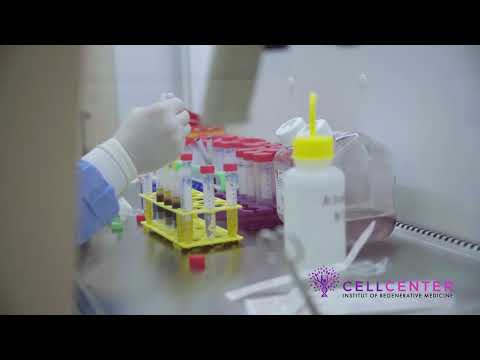
Stem cell laboratories in Slovakia operate using ISO-certified "Clean Rooms" which control airborne particles and maintain strict temperature and humidity levels, ensuring zero contamination of biological materials.
Preparing for Your Medical Journey to Slovakia from the UK
The decision to travel for specialized care requires careful logistical and medical planning. British patients must gather comprehensive medical dossiers, including recent MRI scans, detailed neurology reports, and a full medical history. This paperwork is crucial for the Slovak medical team to design a customized stem cell therapy plan.
Beyond medical preparation, establishing a solid support system is essential. Patients are highly encouraged to travel with a companion or family member to assist with mobility and emotional support. Organizing a comfortable itinerary reduces travel stress, allowing the patient to focus entirely on their health and upcoming treatment.
Request a digital copy of all your recent imaging scans (MRIs/CTs) on a USB drive or secure cloud link from your UK provider. Clinics abroad require clear, high-resolution imagery to assess neurological damage accurately.
Comparing Traditional Post-Stroke Care with Cellular Therapy
Traditional rehabilitation and cellular therapy are not competing forces; rather, they are complementary pillars of a modern recovery strategy. In the UK, standard care correctly emphasizes repetition and physical conditioning to rebuild muscle memory. However, if the brain tissue lacks a conducive healing environment, the effectiveness of physical therapy can plateau.
By integrating cellular medicine for stroke recovery, patients aim to enhance the internal biological environment. The stem cells work at the microscopic level to repair and protect, potentially making the brain more responsive to the external stimuli provided by standard rehabilitation exercises.
| Aspect | Traditional Rehabilitation | Stem Cell Therapy |
|---|---|---|
| Primary Mechanism | Behavioral adaptation & compensation | Cellular repair & inflammation reduction |
| Action Focus | External physical stimulus | Internal biological environment |
| Optimal Use | Daily, long-term commitment | Episodic medical intervention |
Studies indicate that combining active physical rehabilitation with regenerative treatments can yield better functional outcomes than relying on either modality exclusively.
Success Stories of Neurological Regeneration in Europe
Hearing from individuals who have navigated this exact journey provides invaluable perspective for prospective patients. While medical science provides the framework, personal accounts underscore the human impact of seeking alternative stroke treatments in Slovakia. Every brain injury is unique, meaning individual results vary widely from patient to patient.
The following summaries reflect the diverse experiences of international patients who traveled for care. They highlight the realistic, gradual nature of recovery and the importance of maintaining an optimistic, yet grounded, approach to regenerative therapies.
James T., 62 (UK)
Two years post-ischemic stroke, James had limited mobility in his right arm. Several months after receiving umbilical cord MSC therapy in Slovakia, he reported a noticeable reduction in muscle spasticity, allowing him to participate more actively in his local physiotherapy sessions.
Margaret S., 58 (UK)
Struggling with severe post-stroke fatigue and cognitive fog, Margaret sought treatment abroad. Over a six-month period post-treatment, her family observed consistent improvements in her energy levels and daily communication skills, drastically improving her overall quality of life.
David H., 65 (UK)
David traveled to Slovakia for autologous bone marrow therapy. While his fine motor skills remain a challenge, he experienced an unexpected improvement in his balance and core strength within four months, giving him greater confidence when walking with his cane.
Elaine W., 70 (UK)
After traditional therapies plateaued, Elaine opted for a regenerative protocol. She found the clinical staff in Slovakia incredibly supportive. Over a year post-procedure, she has slowly regained the ability to articulate complex sentences, a milestone her initial neurologists thought unlikely.
How PlacidWay Assists Your Stem Cell Medical Tourism Journey in Slovakia
Navigating cross-border healthcare can be an overwhelming task, particularly when recovering from a complex medical event like a stroke. Coordinating medical records, vetting clinics, and understanding pricing structures require specialized knowledge of the global healthcare landscape.
This is where expert facilitation steps in. PlacidWay acts as a vital bridge connecting British patients to reputable, accredited medical facilities in Central Europe. By providing transparent, value-based support, they empower patients to make informed decisions regarding their advanced healthcare options.
- Facilitating direct communication with accredited international medical specialists.
- Assisting in the secure transfer and evaluation of vital medical records and imaging.
- Providing transparent cost comparisons for regenerative therapies across top global clinics.
- Offering access to comprehensive clinic profiles and authentic patient testimonials.
- Guiding patients through the complex medical eligibility and pre-screening process.
Frequently Asked Questions About Stem Cell Stroke Treatment in Slovakia
Embarking on a medical journey abroad naturally brings up numerous inquiries. Understanding the logistics, safety, and clinical realities of stroke rehabilitation in Slovakia is essential for peace of mind.
Below are some of the most common questions British patients ask when considering regenerative therapies in Central Europe, designed to provide clarity and empower your healthcare decisions.
Is stem cell therapy for stroke a guaranteed cure?
No, stem cell therapy is not a guaranteed cure for a stroke. It is typically designed to support the body's natural healing process and potentially improve motor or cognitive functions, but individual results vary widely.
How much does stem cell therapy cost in Slovakia compared to the UK?
The cost of stem cell therapy in Slovakia generally ranges from £6,000 to £10,000, depending on the specific protocol. In contrast, similar private treatments in the UK can exceed £20,000, making Slovakia a much more affordable option.
What types of stem cells are most commonly used for stroke recovery?
Mesenchymal stem cells (MSCs) are most commonly used for neurological recovery. These are typically derived from bone marrow, adipose tissue, or ethically sourced umbilical cord tissue.
Do I need a medical visa to travel from the UK to Slovakia?
British citizens generally do not need a visa for short medical trips to Slovakia if the stay is under 90 days within a 180-day period. However, it is always recommended to check current entry requirements before traveling.
How long does the stem cell treatment process take in Slovakia?
The actual medical procedure typically takes between three to five days, including initial diagnostics, cell harvesting, and administration. Patients are generally advised to stay a few extra days for observation.
Is the medical staff in Slovakia fluent in English?
Yes, top medical tourism clinics in Slovakia employ highly trained medical staff and coordinators who are fluent in English. This ensures clear communication regarding your treatment plan and recovery.
Are there any side effects after receiving stem cells?
Most patients experience only mild, temporary side effects such as a low-grade fever, fatigue, or minor swelling at the injection site. Serious adverse reactions are generally rare when protocols are strictly followed.
How long does it take to see improvements after treatment?
Recovery is a gradual process, and noticeable improvements may typically take anywhere from three to six months to manifest. Consistent post-treatment physical therapy is crucial to maximizing these potential benefits.
Can I continue my regular physical therapy after stem cell treatment?
Absolutely. In fact, continuing your regular physical and occupational therapy is highly recommended. Stem cell therapy works best when paired with active neurological rehabilitation.
How do I know if I am eligible for stem cell therapy in Slovakia?
Eligibility is typically determined through a comprehensive remote consultation involving your current medical records and MRI scans. Patients with active infections or certain types of cancer are generally contraindicated.
Ready to explore advanced post-stroke recovery options? PlacidWay can connect you with top-rated medical centers in Slovakia. Let our team assist you in discovering treatment plans tailored to your needs.
References
- Stroke Association UK. State of the Nation: Stroke statistics. https://www.stroke.org.uk/what-is-stroke/stroke-statistics
- Mayo Clinic. Stem cells: What they are and what they do. https://www.mayoclinic.org/tests-procedures/bone-marrow-transplant/in-depth/stem-cells/art-20048117
- European Medicines Agency (EMA). Advanced therapy medicinal products: Overview. https://www.ema.europa.eu/en/human-regulatory/overview/advanced-therapy-medicinal-products-overview
- World Health Organization (WHO). Rehabilitation for patients post-stroke. https://www.who.int/news-room/fact-sheets/detail/rehabilitation





.png)














Share this listing