


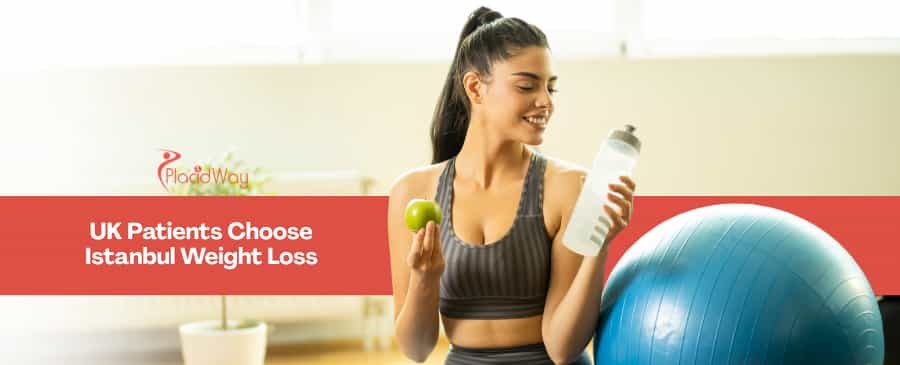
The landscape of global healthcare is dramatically shifting, with the NHS facing unprecedented backlogs for non-emergency elective procedures. For many individuals struggling with severe obesity, spending years on a waiting list for life-saving intervention is no longer a viable option. This critical bottleneck has given rise to the "Istanbul Weight-Loss Corridor," an increasingly popular medical route heavily utilized by British citizens in 2026. By looking abroad, patients are discovering faster, high-quality alternatives to prolonged domestic delays.
Choosing to undergo a gastric sleeve in Turkey represents a strategic health decision for those seeking timely, advanced bariatric care. The country has heavily invested in its medical infrastructure, producing modern healthcare facilities that rival top European institutions. Consequently, individuals can access board-certified surgeons and comprehensive care protocols in a matter of weeks rather than years. This seamless access is reshaping how international patients manage their long-term weight loss goals.
- Immediate Availability: Avoid wait times that can typically stretch from three to five years.
- Advanced Healthcare Facilities: Access to ultra-modern hospitals equipped with cutting-edge laparoscopic technology.
- Highly Experienced Surgeons: Professionals performing high volumes of bariatric cases annually.
- Comprehensive Care Delivery: Wraparound services that include diagnostics, surgery, and immediate post-operative monitoring.
In early 2026, reports indicate that NHS bariatric surgery waitlists in certain UK trusts extended beyond 48 months, prompting a 35% surge in outbound medical tourism for weight loss.
Understanding the Gastric Sleeve Procedure in Turkey
The sleeve gastrectomy, commonly known as a gastric sleeve, is a transformative bariatric surgery designed to fundamentally alter how the body processes food. During this procedure, surgeons typically remove approximately 75% to 80% of the stomach, leaving behind a narrow, banana-shaped tube. This physical restriction inherently limits the amount of food a patient can comfortably consume in a single sitting. Furthermore, the removal of the gastric fundus significantly reduces the production of ghrelin, the hormone responsible for stimulating hunger.
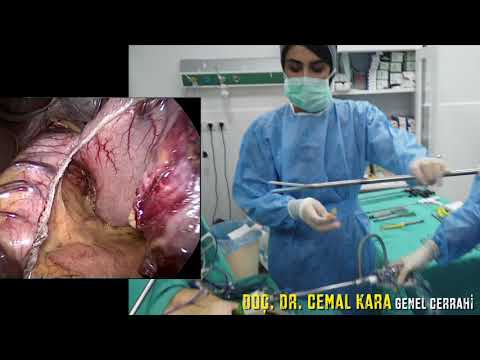
When undergoing an affordable gastric sleeve in Turkey, patients benefit from sophisticated, minimally invasive laparoscopic techniques. Turkish medical teams prioritize these closed-surgery methods because they generally result in less scarring, reduced post-operative pain, and a faster transition back to normal activities. The entire protocol is designed with international medical standards in mind, ensuring a rigorous, step-by-step approach to patient safety and surgical efficacy.
- Anesthesia Administration: The patient is placed under general anesthesia by a specialized bariatric anesthesiologist.
- Laparoscopic Incisions: The surgeon makes several small (keyhole) incisions in the abdominal wall.
- Stomach Resection: Using advanced surgical staplers, the stomach is precisely divided and the excess portion is removed.
- Leak Testing: The newly formed sleeve is typically tested with a specialized dye to ensure absolute closure and safety.
- Closure and Recovery: The incisions are carefully closed, and the patient is moved to post-operative monitoring.
The portion of the stomach removed during a gastric sleeve procedure is permanently extracted from the body, making this surgery generally irreversible. This creates a lifelong tool for maintaining metabolic health.
The Rise of Medical Tourism in Turkey for Weight Loss
Medical tourism is no longer a niche concept; it has evolved into a highly regulated, globalized industry where patient mobility dictates healthcare trends. Over the last decade, Turkey has consciously positioned itself as a premier hub for complex surgical interventions. Through substantial government backing and private investment, the nation has cultivated an ecosystem where quality medical care meets exceptional hospitality. This convergence has made it an ideal destination for those seeking a weight loss surgery abroad.
The "Istanbul Weight-Loss Corridor" specifically refers to the streamlined, highly efficient pathways established between UK departure points and Turkish medical centers. This corridor represents more than just flight routes; it encapsulates the complete end-to-end patient experience. From dedicated international patient coordinators to VIP hospital transfers, the entire infrastructure is meticulously designed to alleviate the stress of navigating a foreign healthcare system.
| Key Drivers of Turkish Medical Tourism | Patient Benefit |
|---|---|
| Favorable Exchange Rates | Maximizes purchasing power for high-value treatments. |
| Geographic Proximity | Direct, 4-hour flights from major UK airports to Istanbul. |
| Bilingual Medical Staff | Eliminates language barriers, enhancing informed consent. |
| Turnkey Medical Packages | Simplifies the financial and logistical planning process. |
According to regional health tourism authorities, over 1.5 million medical tourists visited Turkey in recent years, with bariatric surgery consistently ranking among the top three most requested procedures by European patients.
Affordable Gastric Sleeve Cost in Turkey vs. the UK
Financial accessibility remains one of the primary catalysts driving patients toward international medical care. In the United Kingdom, private bariatric surgery represents a massive financial undertaking, often putting it out of reach for middle-income households. Conversely, the bariatric surgery cost in Istanbul offers profound savings without necessitating a compromise on clinical excellence. These cost differences are not indicative of lower medical standards; rather, they reflect differing national economies, lower operational overheads, and government incentives for healthcare exports.
When evaluating the financial landscape, it is essential to look at comprehensive packages rather than just the surgical fee. Most Turkish healthcare providers bundle the operation, pre-operative diagnostics, anesthesia, and hospital stays into one transparent price. Below is an analytical breakdown of how sub-treatments and the overarching procedure compare financially, allowing prospective patients to make highly informed, value-driven decisions.
| Procedure / Service Component | Average Cost in Turkey (£) | Average Cost in the UK (£) |
|---|---|---|
| Standard Gastric Sleeve Package | £2,500 - £3,500 | £9,500 - £12,000 |
| Pre-Operative Diagnostics (Endoscopy, Bloods) | Included in package | £800 - £1,500 |
| Anesthesia & Operating Room Fees | Included in package | £1,200 - £2,000 |
| Post-Op Hospital Stay (2-3 Nights) | Included in package | £1,500 - £2,500 |
Always verify exactly what is covered in your quoted medical package. A reliable provider will offer a written itemized list confirming that pre-op testing, anesthesia, and medication are fully integrated into the initial price.
Accreditation and Safety of Gastric Sleeve Clinics in Turkey
Safety is universally the most pressing concern for individuals considering major medical interventions abroad. Turkey's healthcare system addresses this through stringent regulatory oversight and a deep commitment to international credentialing. Many top-tier hospitals pursue Joint Commission International (JCI) accreditation, a gold-standard indicator that a facility strictly adheres to the highest global protocols for patient safety and clinical management. When selecting your gastric sleeve surgery in Turkey, ensuring the facility holds verifiable accreditations is vital.
Furthermore, evaluating an accredited bariatric clinic requires looking beyond the hospital walls. It encompasses reviewing surgeon qualifications, such as memberships in the International Federation for the Surgery of Obesity and Metabolic Disorders (IFSO). By confirming these credentials, patients establish a foundation of trust. Transparency regarding potential risks—such as infection, bleeding, or leaks—is a hallmark of a responsible medical team that prioritizes informed consent.
- JCI Accreditation: Validates hospital-wide adherence to extreme safety and hygiene standards.
- Surgeon Certifications: Look for affiliations with recognized global bariatric surgical societies.
- Advanced ICU Availability: Ensuring the facility possesses a fully equipped Intensive Care Unit in the rare event of complications.
- Multidisciplinary Teams: Care provided by a coordinated group including dietitians, cardiologists, and psychologists.
Bariatric surgery is a major medical procedure carrying inherent risks. Complications such as staple line leaks, blood clots, or adverse reactions to anesthesia can occur. Individuals with severe uncontrolled heart disease or profound psychiatric disorders are typically contraindicated for this operation.
What to Expect During Your Gastric Sleeve Recovery in Turkey
The initial recovery phase is a sensitive period requiring specialized clinical support and meticulous monitoring. Immediately following the operation, patients are closely observed in a recovery ward before being transferred to a private hospital room. During these first 48 to 72 hours, medical staff manage pain, monitor vital signs, and encourage early ambulation. Walking shortly after surgery is highly emphasized, as it typically aids digestion and significantly mitigates the risk of deep vein thrombosis.
Once discharged from the hospital, the recovery journey transitions to a nearby, medically partnered hotel. This phase allows the patient to rest comfortably while remaining within close proximity to their surgical team. Patients begin a highly structured liquid diet, ensuring the newly formed stomach heals without undue stress. Before clearance to fly, surgeons conduct a thorough final examination to confirm stable recovery metrics.
- Days 1-3: Hospitalization, pain management, IV hydration, and initial leak tests.
- Days 4-5: Discharge to the hotel, initiation of clear liquid diet (water, broth, sugar-free jello).
- Day 6: Follow-up clinical consultation, nutritional counseling, and final clearance.
- Day 7: Safe travel back to the UK, armed with post-operative guidelines.
Testimonial Summary
Sarah, 41, from Manchester: "I was deeply nervous about recovering away from home, but the hospital staff in Istanbul were incredibly attentive. The transition to the hotel was smooth, and the nurses checked my vitals regularly before I was cleared to fly. The comprehensive support made all the difference."
Pre-Operative Requirements for Bariatric Surgery in Turkey
Preparation is the cornerstone of a safe and successful bariatric intervention. Turkish medical protocols require patients to undergo a battery of precise diagnostics upon arrival to confirm their absolute fitness for surgery. These assessments are not merely formalities; they provide the surgical and anesthesiology teams with a comprehensive map of the patient’s metabolic and physical health. This rigorous screening process ensures that underlying conditions, such as undiagnosed cardiac issues, are managed prior to entering the operating theater.
Beyond hospital diagnostics, patients must engage in extensive pre-travel preparation. Surgeons universally require a strict pre-operative diet to be followed for at least two weeks prior to the flight. This specialized nutrition plan is designed specifically to shrink the liver, allowing the surgeon safer, unobstructed access to the stomach during the laparoscopic procedure. Failure to adhere to this diet can typically result in the surgery being postponed or cancelled for safety reasons.
- Comprehensive Blood Panel: Assessing liver function, kidney function, and complete blood count.
- Cardiopulmonary Checks: ECG and chest X-rays to ensure heart and lung stability.
- Endoscopy: Exploring the stomach lining to rule out severe ulcers or hiatal hernias.
- Specialist Consultations: Direct evaluations with internal medicine experts and anesthesiologists.
Strictly adhere to the pre-operative liver-shrinking diet provided by your surgeon. It is high in protein and low in carbohydrates. A smaller, less fatty liver dramatically reduces surgical risks and minimizes operating time.
How Long Does a Gastric Sleeve in Turkey Take?
Time management is a crucial factor for international patients who must coordinate time away from work and family commitments. The surgical procedure itself is remarkably efficient, usually taking between 60 to 90 minutes to complete in the operating room. However, the entire medical tourism journey spans a broader timeframe to ensure exhaustive pre-operative testing and a safe, stable post-operative recovery phase. Rushing this timeline is generally strongly discouraged by all reputable medical professionals.
Most Turkish bariatric packages are structured around a 5 to 7-day itinerary. This schedule provides ample time for the body to acclimate to the surgical changes under expert supervision. Arriving a day early allows for rest after the flight, while the consecutive days are meticulously planned to balance medical interventions with necessary physical rest. Understanding this timeline helps patients set realistic expectations for their journey.
| Timeline | Patient Activity & Clinical Focus |
|---|---|
| Day 1 | Arrival in Turkey, clinic transfer, and comprehensive medical diagnostics. |
| Day 2 | Surgery day: Laparoscopic procedure (1-1.5 hours) followed by ICU/ward monitoring. |
| Days 3-4 | Hospital recovery, pain management, walking, and liquid diet initiation. |
| Days 5-6 | Hotel rest phase, final surgeon consultation, and clearance to fly. |
Testimonial Summary
David, 38, from London: "I appreciated that the process wasn't rushed. Spending 6 days in Istanbul meant all my pre-op tests were handled properly, the surgery went smoothly, and I had enough time to regain my strength before facing the flight home."
Navigating the Istanbul Weight-Loss Corridor Safely
Traveling abroad for medical reasons introduces logistical variables that must be managed with care and precision. The "Istanbul Weight-Loss Corridor" is designed to eliminate friction points for international travelers, particularly those flying in from the UK. The journey begins the moment a patient lands, with most reputable providers offering dedicated VIP transfer vehicles. This ensures patients are not left navigating complex public transit or hailing taxis in a post-surgical state.
A primary concern for many is the potential language barrier. Recognizing this, Turkish medical tourism facilities have heavily integrated bilingual patient coordinators into their care models. These professionals act as personal advocates, accompanying patients to consultations, translating complex medical instructions, and ensuring emotional comfort. This layer of support is fundamental in fostering a secure, trustworthy environment for medical tourism in Turkey.
- Airport Meet-and-Greet: Immediate assistance upon exiting customs to relieve travel anxiety.
- Bilingual Coordinators: 24/7 access to English-speaking liaisons for seamless communication.
- Proximity of Services: Clinics, diagnostic centers, and recovery hotels are typically situated in close geographic clusters.
- Emergency Protocols: Clear, predefined steps for addressing any unexpected medical needs during the stay.
Istanbul is uniquely positioned across two continents—Europe and Asia. Many of the leading bariatric hospitals are strategically located near major international airports on both sides to drastically minimize patient commute times.
Success Rates of Weight Loss Surgery in Turkey
The efficacy of bariatric surgery is measured not just in pounds lost, but in the profound enhancement of a patient's overall metabolic health. Clinical data surrounding the gastric sleeve procedure highlights its status as a highly effective intervention. Most patients typically experience rapid initial weight loss, shedding a significant majority of their excess weight within the first 12 to 18 months. However, the exact percentage varies deeply based on the individual's commitment to implementing lifelong dietary and behavioral changes.
Beyond the scale, the resolution of obesity-related comorbidities is often the most life-altering outcome. Many patients suffering from conditions such as Type 2 diabetes, severe sleep apnea, and clinical hypertension report dramatic improvements or complete remission following their recovery. Turkish clinics utilize the same benchmark protocols as UK hospitals to monitor these success rates, ensuring the quality of outcomes remains globally competitive.
- Average Weight Loss: Most patients typically lose 50% to 70% of their excess body weight.
- Diabetes Management: High rates of remission or improved glycemic control for Type 2 diabetes.
- Cardiovascular Health: Significant reductions in high blood pressure and cholesterol levels.
- Joint Relief: Alleviation of severe stress on knees, hips, and lower back joints.
Global bariatric research indicates that up to 75% of patients who undergo a sleeve gastrectomy experience significant improvement or complete remission of Type 2 diabetes within the first two years post-operation.
Combining Your Gastric Sleeve in Turkey with a Relaxing Stay
While the primary motivation for the trip is undeniably medical, the destination itself offers a comforting environment conducive to healing. Some patients choose to arrive a few days early to briefly experience the rich cultural tapestry and tranquil views of the Bosphorus before their dietary restrictions and medical focus begin. This pre-surgical acclimatization can profoundly reduce anxiety and set a positive mental framework for the upcoming procedure.
Post-surgery, the paradigm shifts entirely to rest and recovery. The concept of "medical tourism" can sometimes imply active sightseeing, but bariatric recovery typically dictates strict avoidance of strenuous activity. Patients are encouraged to enjoy light, therapeutic walks in safe, flat environments to promote circulation, but must refrain from heavy lifting or exhausting excursions. The focus remains steadfastly on bodily healing in a calm, luxurious setting.
- Do: Engage in light, frequent walking around the hotel grounds to prevent blood clots.
- Do: Hydrate continuously with small sips of approved liquids.
- Don't: Plan intensive shopping trips or extensive historical tours post-surgery.
- Don't: Attempt to carry heavy luggage during your transit back to the airport.
Testimonial Summary
Emma, 45, from Leeds: "I loved waking up to the view of the city from my hotel room while I was recovering. I didn't play tourist after the surgery—I just rested, drank my water, and took gentle walks in the garden. It was a peaceful environment to heal."
Long-Term Nutritional Follow-up After Gastric Sleeve in Turkey
Surgery is just the catalyst; the true journey of transformation begins when the patient returns home. The radical reduction in stomach size fundamentally changes nutritional absorption, making long-term dietary management an absolute necessity. Because food intake is severely restricted, patients must adopt a nutrient-dense diet to prevent malnutrition. International bariatric teams emphasize that surgery is a tool, not a cure, relying heavily on the patient's discipline.
To bridge the geographical gap, premier medical tourism clinics in Turkey provide robust remote follow-up care. Through virtual consultations, dietitians and medical staff monitor progress, review blood work, and adjust nutritional plans. Patients are strongly advised to integrate their local UK General Practitioner into their care loop. This collaborative approach ensures that routine vitamin level checks and general health monitoring continue seamlessly back home.
- Lifelong Vitamins: Mandatory daily supplementation of bariatric multivitamins, B12, Iron, and Calcium.
- Protein Prioritization: Structuring every meal to consume high-quality proteins first to preserve muscle mass.
- Hydration Habits: Learning to drink water between meals rather than during, to avoid stomach overextension.
- Local GP Partnership: Scheduling routine blood panels every 3, 6, and 12 months locally.
Testimonial Summary
James, 52, from Birmingham: "The aftercare was my biggest worry, but my Turkish dietitian did monthly video calls with me for a year. I shared my UK blood test results with her, and she guided my vitamin intake perfectly. I never felt abandoned."
How PlacidWay Assists Your Gastric Sleeve Medical Tourism Journey in Turkey
Navigating the complex landscape of international healthcare can feel overwhelming for individuals already coping with health challenges. Researching credentials, verifying facility standards, and comparing medical capabilities require specialized industry knowledge. This is where dedicated medical tourism platforms step in to illuminate the safest, most effective pathways for prospective patients.
By leveraging established global networks, PlacidWay serves as a crucial bridge between patients in the UK and top-tier healthcare providers abroad. The platform focuses entirely on empowering patients through transparent information, ensuring every medical decision is rooted in verified data and clinical excellence.
- Providing direct access to a meticulously curated network of internationally accredited medical facilities.
- Supplying detailed provider profiles, including verified surgeon credentials and global certifications.
- Facilitating secure, direct communication channels between patients and specialized medical teams abroad.
- Delivering comprehensive procedural information to enhance patient education and informed consent.
- Offering transparent, upfront cost comparisons to help patients make financially sound healthcare decisions.
- Streamlining the acquisition of personalized, obligation-free medical evaluations from multiple top-tier centers.
PlacidWay has facilitated the medical journeys of thousands of international patients by connecting them exclusively with medical centers that uphold rigorous global safety and quality standards.
Frequently Asked Questions About Gastric Sleeve in Turkey
Making an informed decision about undergoing bariatric surgery abroad requires absolute clarity on logistics, safety, and outcomes. Prospective patients naturally have a multitude of specific queries regarding how the process unfolds from consultation to recovery. Addressing these concerns head-on is vital for alleviating anxiety and building patient confidence.
Below is a curated selection of the most common questions raised by UK patients utilizing the Istanbul weight-loss corridor. These answers provide a concise, factual overview to assist you in planning a secure and effective medical journey.
How much does a gastric sleeve cost in Turkey?
The cost of a gastric sleeve in Turkey generally ranges from £2,500 to £4,500. This is typically significantly lower than UK private clinic prices, which often exceed £10,000. These comprehensive packages usually include hospital fees, surgeon fees, and standard pre-operative testing.
Is it safe to get a gastric sleeve in Turkey?
Yes, it is generally safe when utilizing internationally accredited facilities. Many top hospitals possess JCI accreditation and employ board-certified bariatric surgeons. Patients must thoroughly research and select providers adhering to stringent global medical standards.
How long is the recovery period in Turkey?
Most patients experience a medical stay of around 5 to 7 days in Turkey. This typically includes 2 to 3 days recovering in the hospital, followed by a few days resting in a nearby hotel. Surgeons usually require a final check-up before clearing you to fly back home.
What pre-operative tests are required before bariatric surgery in Turkey?
Patients generally undergo extensive evaluations, including blood panels, ECG, chest X-rays, and an endoscopy. An internal medicine consultation and anesthesiology review are also standard. These tests ensure you are medically fit for the procedure.
Can I travel alone for weight loss surgery in Turkey?
While you can travel alone, many patients prefer bringing a companion for emotional and physical support. Most medical tourism packages offer patient coordinators who provide bilingual assistance throughout your stay. The clinical staff is also highly accustomed to supporting international solo travelers.
What dietary changes are needed before my surgery?
Surgeons typically require a strict liver-shrinking diet for two to three weeks prior to the operation. This diet is high in protein and extremely low in carbohydrates and calories. Adhering to this protocol makes the surgery safer by reducing the size of the liver.
How do I communicate with the medical staff?
The vast majority of reputable bariatric departments employ fluent English-speaking surgeons and nurses. Furthermore, dedicated international patient departments provide professional interpreters. This ensures seamless communication regarding your medical care and recovery instructions.
What happens if I experience complications after returning home?
Top-tier providers offer structured virtual follow-up care for months following your procedure. It is crucial to inform your local GP about your surgery before traveling so they can assist with routine bloodwork. For severe, rare emergencies, local healthcare systems are equipped to provide immediate intervention.
Do I need a visa for medical tourism in Turkey?
UK citizens typically do not need a visa for short tourist or medical visits under 90 days. However, immigration policies can shift, so it is vital to check official government resources prior to your departure. Always carry a copy of your medical invitation letter when passing through customs.
How much weight will I lose after a gastric sleeve?
Weight loss results vary drastically depending on metabolic factors and adherence to dietary guidelines. Most patients typically lose 50% to 70% of their excess body weight within the first 12 to 18 months. Sustained success requires a lifelong commitment to lifestyle and nutritional changes.
References
- Mayo Clinic. Sleeve Gastrectomy Overview and Risks. https://www.mayoclinic.org/tests-procedures/sleeve-gastrectomy/about/pac-20385183
- American Society for Metabolic and Bariatric Surgery (ASMBS). Bariatric Surgery Procedures. https://asmbs.org/patients/bariatric-surgery-procedures
- Wikipedia. Medical Tourism in Turkey. https://en.wikipedia.org/wiki/Health_tourism_in_Turkey
- World Health Organization (WHO). Obesity and Overweight Fact Sheet. https://www.who.int/news-room/fact-sheets/detail/obesity-and-overweight



.jpg)













Share this listing