

The global surge in metabolic syndrome and insulin resistance has driven thousands of patients to seek innovative solutions beyond standard medication management. In recent years, regenerative medicine has emerged as a compelling avenue, offering targeted cellular interventions designed to address the root causes of systemic inflammation. Specifically, high-dose stem cell protocols in Guadalajara have garnered significant attention from international patients looking for a comprehensive biological overhaul.
A metabolic reset focuses on recalibrating the body's cellular communication, particularly concerning how cells respond to insulin. Traditional treatments often manage symptoms by artificially lowering blood sugar, but advanced regenerative protocols aim to repair the cellular environment. By introducing concentrated doses of mesenchymal stem cells (MSCs), specialists attempt to modulate the immune system and promote tissue healing at a microscopic level.
- Targeting Inflammation: Chronic inflammation is a core driver of insulin resistance. MSCs naturally gravitate toward inflamed tissue.
- Cellular Rejuvenation: Stem cells secrete exosomes and growth factors that encourage exhausted pancreatic and muscle cells to function more efficiently.
- Comprehensive Approach: Protocols generally include nutritional counseling and lifestyle integration alongside biological therapies.
How Stem Cells Work to Break the Insulin Resistance Cycle in Mexico
Insulin resistance creates a vicious cycle where the body produces excess insulin to force glucose into unresponsive cells, leading to systemic stress and eventual pancreatic burnout. Breaking this cycle requires a fundamental shift in cellular behavior. Metabolic stem cell treatments in Mexico utilize the paracrine effect—the ability of stem cells to secrete potent signaling molecules that alter the behavior of surrounding cells.
When high-dose stem cells are introduced into the bloodstream, they typically seek out areas of high oxidative stress. Once lodged in target tissues, such as the liver, pancreas, and skeletal muscle, they begin releasing cytokines that downregulate pro-inflammatory markers. This immunomodulatory process helps restore cellular sensitivity to insulin, allowing glucose to be metabolized properly without requiring dangerous insulin spikes.
- Immunomodulation: Reduces the autoimmune-like systemic inflammation often associated with severe metabolic dysfunction.
- Neovascularization: Promotes the formation of new blood vessels, improving circulation to extremities often compromised by metabolic conditions.
- Apoptosis Prevention: Helps protect surviving pancreatic beta cells from premature death due to glucotoxicity.
Why Choose Guadalajara for High-Dose Stem Cell Protocols
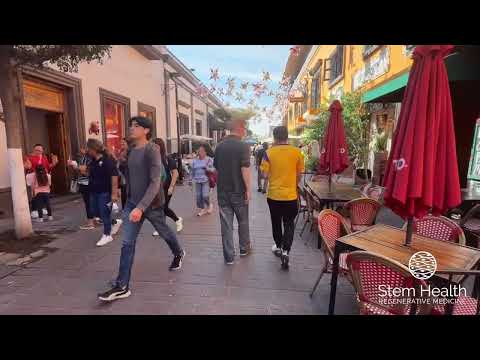
As the capital of Jalisco and Mexico's second-largest city, Guadalajara has established itself as a premier hub for biotechnology and advanced healthcare. Medical tourism in Guadalajara offers a unique intersection of highly trained medical specialists, state-of-the-art laboratory facilities, and stringent safety protocols. The city's medical infrastructure frequently rivals that of major centers in the United States and Canada.
International patients are particularly drawn to this region because it allows access to high-dose therapies that are heavily restricted by slow regulatory pathways in North America. By choosing to undergo regenerative medicine protocols in Mexico, patients can access treatments involving millions of expanded, viable stem cells. The combination of advanced science and renowned Mexican hospitality makes the journey a holistic healing experience.
- Geographic Accessibility: Direct flights from major US and Canadian cities make travel logistics incredibly straightforward.
- Biotech Infrastructure: Home to some of Latin America’s most advanced cell cultivation laboratories.
- Holistic Environments: Facilities often integrate wellness, nutrition, and post-care monitoring into the core package.
Cost Comparison of Stem Cell Protocols in Guadalajara vs. US
One of the primary catalysts for the growth of international medical travel is the stark contrast in healthcare pricing. The stem cell therapy cost in Guadalajara is significantly more affordable than comparable—and often lower-dose—treatments in the United States. This price difference is not a reflection of lower quality, but rather due to differences in living costs, laboratory operational expenses, and the absence of inflated healthcare administrative fees.
Patients seeking an affordable metabolic reset in Mexico can often save between 50% to 70% without compromising on cell viability or medical expertise. Below is a detailed comparison of realistic market ranges for various stem cell sub-treatments.
| Procedure Name | Average Cost in Guadalajara | Cost Comparison (USA/Canada) |
|---|---|---|
| Standard IV Stem Cell Therapy (50M Cells) | $3,500 - $5,500 | $8,000 - $15,000 |
| High-Dose Metabolic Protocol (100M+ Cells) | $6,000 - $9,000 | $18,000 - $25,000+ |
| Targeted Localized Injections (per joint/area) | $1,200 - $2,500 | $4,000 - $8,000 |
| Comprehensive Metabolic Wellness Package | $8,000 - $12,000 | $25,000 - $40,000 |
Candidacy for Metabolic Stem Cell Therapy in Guadalajara
While the prospect of a biological reset is enticing, it is vital to understand that stem cell therapy is not a universal cure. Ideal candidates for stem cell protocols in Guadalajara are typically those suffering from early-stage to moderate metabolic syndrome, pre-diabetes, or Type 2 diabetes who are proactively seeking to manage their condition. Thorough medical screening is an indispensable part of the process.
Patients must have a relatively stable baseline of health to undergo treatment safely. The therapy relies on the body's natural healing mechanisms, meaning individuals with severe, end-stage organ failure or active malignancies are generally strictly contraindicated. Prior to travel, reputable international coordinators will facilitate a deep review of the patient's medical history, lab work, and imaging.
Stem cell therapy is generally not recommended for individuals with active cancer, acute systemic infections, or severe bleeding disorders. Always provide complete and transparent medical records to your evaluating physician.
- Good Candidates: Individuals with persistent insulin resistance despite lifestyle changes, or those struggling with metabolic-induced neuropathy.
- Medical Screening: Expect to provide recent HbA1c, fasting insulin, comprehensive metabolic panels, and lipid profiles.
- Commitment Required: The best candidates are fully committed to adopting dietary and exercise modifications post-treatment.
The Medical Tourism Experience for Stem Cell Patients in Mexico
Embarking on a journey for medical care overseas involves more than just the clinical procedure; it encompasses the entire patient experience. Medical tourism in Mexico has evolved rapidly to cater specifically to discerning international visitors. Facilities in Guadalajara are designed to be tranquil and welcoming, frequently resembling high-end wellness retreats rather than sterile hospital wards.
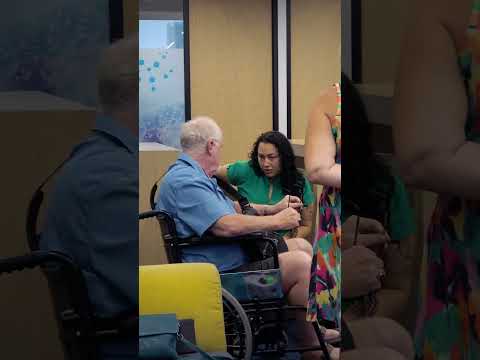
Upon arrival, patients are typically met with personalized concierge services that guide them through the entirety of their stay. From dedicated patient coordinators to multilingual medical staff, every detail is orchestrated to reduce stress—a critical factor, as stress profoundly impacts systemic inflammation and insulin resistance.
Patient Case Summary: Reclaiming Vitality
A 52-year-old patient from Canada struggled for years with fatigue, stubborn weight gain, and rising blood sugar levels. After undergoing a high-dose IV protocol in Guadalajara, they reported increased energy levels and stabilized morning glucose readings within the first three months, citing the serene clinical environment as a key factor in their smooth recovery.
Safety Standards for High-Dose Stem Cell Clinics in Guadalajara
Safety is the primary concern for any patient venturing abroad for regenerative medicine. Fortunately, high-dose stem cell clinics in Guadalajara operate under strict regulatory frameworks. Reputable facilities comply with the regulations set forth by COFEPRIS (the Mexican equivalent of the FDA), ensuring that laboratory environments maintain exceptional sterility and operational integrity.
The core of safe stem cell therapy lies in the cultivation and storage of the biological material. Advanced laboratories utilize ISO-certified cleanrooms and employ rigorous screening processes for allogeneic tissue donors. Cells are typically tested extensively for infectious diseases, viability, and potency before they ever reach the patient administration stage.
Patient Case Summary: Confidence in Care
A patient traveling from Texas was initially apprehensive about the safety of international treatments. However, upon touring the on-site, ISO-certified laboratory and reviewing the comprehensive certificate of cell viability provided prior to their infusion, their anxiety was fully alleviated. They experienced zero adverse effects during their protocol.
What to Expect During Your Stem Cell Protocol in Mexico
Understanding the clinical timeline can help alleviate any pre-treatment anxiety. When you arrive at a specialized center for regenerative treatments in Guadalajara, the first step is typically an extensive, in-person medical evaluation. This consultation allows the medical team to correlate your submitted lab work with your current physical state, tailoring the final protocol to your exact metabolic needs.
The actual administration of the cells is generally straightforward and minimally invasive. Most high-dose metabolic protocols utilize a slow intravenous (IV) drip, allowing the cells to circulate systemically throughout the body. The procedure usually takes one to three hours, during which patients can comfortably read, rest, or listen to music in a private suite.
- Preparation Phase: Sometimes involves receiving pre-treatment IV vitamins or exosomes to prime the body's cellular environment.
- Administration: Conducted by licensed nursing staff under the direct supervision of regenerative medicine physicians.
- Post-Infusion Monitoring: Patients are typically observed for a short period to ensure no mild allergic reactions occur.
Post-Treatment Recovery and Metabolic Reset Timeline
One of the most appealing aspects of IV stem cell therapy is the minimal downtime. However, while physical recovery is swift, the internal biological processes take time. The journey of a metabolic reset with stem cells is a marathon, not a sprint. Patients typically return to their hotel the same day and can resume travel back to their home country within 48 to 72 hours.
The immunomodulatory and regenerative effects occur gradually as the stem cells interact with the patient's native tissues. The timeline for noticeable improvements varies widely, but most patients report subjective improvements in energy and inflammatory symptoms within the first few weeks, with measurable metabolic changes emerging in subsequent months.
- Weeks 1-3: Initial reduction in systemic inflammation; some patients report enhanced sleep quality and increased stamina.
- Months 1-3: Cells actively secrete growth factors; gradual stabilization of blood glucose markers may begin to occur.
- Months 6+: Long-term tissue repair continues; patients generally follow up with their local endocrinologist to assess potential medication adjustments.
Efficacy and Research on Stem Cells for Insulin Resistance
The global scientific community is continuously investigating the long-term efficacy of cellular therapies. Research regarding stem cells for metabolic syndrome shows highly promising, yet cautious, results. Clinical studies suggest that MSCs can improve pancreatic beta-cell function and reduce peripheral insulin resistance by mitigating macrophage-induced inflammation.
It is crucial to approach this therapy with realistic expectations. Stem cells provide the body with the tools to repair itself, but they cannot override continuous poor lifestyle choices. Long-term success is heavily dependent on a synergistic approach that combines advanced cellular medicine with disciplined health habits.
Navigating Legal and Ethical Stem Cell Therapy in Guadalajara
Ethical considerations are at the forefront of modern regenerative medicine. When pursuing a stem cell protocol in Guadalajara, international patients must ensure their chosen facility practices transparent and ethical cell sourcing. The most reputable clinics exclusively use Wharton's jelly-derived mesenchymal stem cells obtained from healthy, full-term, and consenting human umbilical cords.
This process is highly regulated and poses no ethical dilemmas compared to controversial embryonic stem cells, which are not used in modern clinical metabolic therapies. Furthermore, adherence to federal Mexican health laws guarantees that biological products are traced, screened, and handled with the utmost medical integrity.
Patient Case Summary: Peace of Mind
A patient highly concerned about ethical sourcing found reassurance through a comprehensive pre-treatment consultation. The medical team clearly documented the origin of the Wharton’s jelly MSCs, ensuring the patient that the procedure aligned completely with global ethical standards and regulatory protocols.
Preparing for Your Medical Journey to Guadalajara
Thorough preparation is the key to a seamless medical travel experience. Before embarking on your medical tourism journey to Mexico, it is vital to organize all pertinent health records. Your foreign medical team will require detailed diagnostic history, a list of all current medications, and physician notes to safely construct your treatment plan.
Additionally, organizing travel logistics well in advance reduces unnecessary stress. Ensure your passport is valid for at least six months beyond your travel dates. While many clinics offer localized concierge support, independently researching the cultural norms, currency exchange rates, and local transportation options in Guadalajara will empower you during your stay.
Patient Case Summary: A Smooth Journey
By consolidating their bloodwork, specialist notes, and imaging into a secure digital file before traveling, a patient from the UK expedited their clinical intake in Guadalajara. This organization allowed the medical team to finalize the biological protocol immediately upon arrival, leading to a highly efficient and stress-free treatment week.
How PlacidWay Assists Your Stem Cell Medical Tourism Journey in Guadalajara
Navigating the global healthcare landscape can be complex, but partnering with an experienced medical tourism facilitator significantly streamlines the process. PlacidWay is dedicated to connecting patients with globally vetted, high-quality medical providers, ensuring your path to a metabolic reset is both transparent and secure.
By leveraging a vast network of international healthcare expertise, PlacidWay removes the guesswork from selecting a provider. Our platform empowers patients through education, objective facility data, and direct access to esteemed medical professionals worldwide.
- Providing comprehensive directories of fully vetted, legally compliant regenerative medicine centers.
- Facilitating secure, direct communication channels between patients and top-tier clinical teams.
- Delivering transparent, comparative cost analyses to help patients make informed financial decisions.
- Offering extensive educational resources to help patients understand complex biological treatments prior to commitment.
- Ensuring that chosen facilities adhere to rigorous international safety and hygiene standards.
Frequently Asked Questions About Stem Cell Therapy in Guadalajara
Is high-dose stem cell therapy in Guadalajara safe for metabolic conditions?
When performed at strictly regulated facilities complying with local and international health standards, stem cell therapy is generally safe. Most patients experience minimal side effects, but a thorough medical evaluation is required beforehand.
How long does a metabolic reset protocol typically take in Mexico?
The active treatment phase usually requires a stay of 3 to 7 days in the destination city. However, the metabolic reset is an ongoing process inside the body that continues for several months post-treatment.
What type of stem cells are used for insulin resistance treatments?
Clinics typically utilize ethically sourced allogeneic mesenchymal stem cells (MSCs), often derived from Wharton’s jelly of umbilical cords. These cells are known for their potent immunomodulatory and regenerative properties.
Do I need a visa to travel to Guadalajara for medical procedures?
Citizens of the US, Canada, and many European countries do not need a visa for stays under 180 days, but a valid passport and an entry permit (FMM) are required. Always check your specific country's regulations before booking.
Are the results of stem cell therapy for metabolic syndrome guaranteed?
No medical procedure can offer guaranteed results. Outcomes vary significantly based on a patient's age, baseline health, lifestyle habits, and adherence to post-treatment nutritional and physical guidelines.
Can I combine stem cell therapy with other conventional diabetes medications?
Yes, patients typically continue their prescribed medications during the initial phases of the protocol. Any reduction in conventional medication must be strictly guided by your primary endocrinologist based on ongoing blood work.
Why is the stem cell therapy cost in Guadalajara cheaper than in the US?
The lower cost is primarily due to reduced administrative overhead, lower clinical operational costs, and favorable currency exchange rates. The quality of the biological material and medical expertise remains highly competitive.
Will I experience pain during the stem cell administration?
The procedure is generally well-tolerated. Most treatments are administered via intravenous (IV) drip or targeted localized injections, causing only the mild discomfort typical of standard needle insertions.
How quickly can I return to work after my stem cell protocol?
Most international patients return to light activities and office work within a few days of returning home. Strenuous physical exertion should typically be avoided for the first few weeks.
What kind of follow-up care is necessary after leaving Mexico?
Patients are generally required to undergo regular blood work (like HbA1c and fasting insulin) with their home physicians. Top international clinics also provide telemedicine check-ins at 3, 6, and 12-month intervals.
Ready to explore high-dose stem cell protocols in Guadalajara? Let PlacidWay guide your journey to optimal health.
Medical Disclaimer: This article is for informational purposes only and is not medical advice. Always consult a qualified healthcare provider before any medical decisions. Results may vary. Read Full Disclaimer here.
References:
- National Institutes of Health (NIH). Mesenchymal Stem Cells in the Treatment of Type 2 Diabetes.https://pmc.ncbi.nlm.nih.gov/articles/PMC12131437/
- Mayo Clinic. Stem Cell Therapy: What you need to know. https://www.mayoclinic.org/tests-procedures/bone-marrow-transplant/in-depth/stem-cells/art-20048117
- U.S. Food and Drug Administration (FDA). Important Patient and Consumer Information About Regenerative Medicine Therapies. https://www.fda.gov/vaccines-blood-biologics/consumers-biologics/important-patient-and-consumer-information-about-regenerative-medicine-therapies
- American Diabetes Association. Understanding Insulin Resistance. https://diabetes.org/health-wellness/insulin-resistance
- Centers for Disease Control and Prevention (CDC). Medical Tourism: Getting Medical Care in Another Country. https://wwwnc.cdc.gov/travel/page/medical-tourism



.png)
.png)
.png)


.png)


.jpg)
.jpg)










Share this listing