
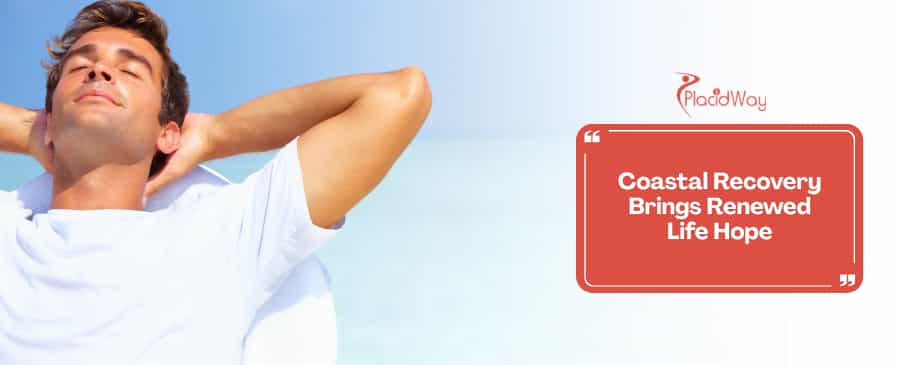
The global approach to treating opioid use disorder is rapidly evolving, moving beyond traditional substitution methods toward comprehensive neuro-restoration for heroin recovery. By addressing both the severe physiological damage and the deep-rooted psychological triggers associated with addiction, modern medicine offers a more holistic path to sobriety. This dual approach integrates cutting-edge cellular repair therapies with evidence-based behavioral counseling to foster long-term healing.
At the forefront of this movement is the combination of Intravenous Nicotinamide Adenine Dinucleotide (NAD+) and Cognitive Behavioral Therapy (CBT). NAD+ infusions typically target the brain's cellular energy pathways, aiming to repair receptor damage caused by chronic drug use. When paired with CBT, this forms a powerful synergy that is becoming highly sought after in international medical tourism for addiction, attracting patients to serene, specialized healing centers around the world.
NAD+ is a coenzyme naturally found in every cell of the body, but chronic substance abuse drastically depletes these levels, leading to severe fatigue and intense cravings during withdrawal.
The Science of Neuro-Restoration by the Sea
Environmental psychology plays a crucial role in the efficacy of addiction treatment, which is why many patients seek out coastal rehabilitation retreats abroad. The ocean environment naturally promotes parasympathetic nervous system activation, helping to lower cortisol levels and reduce the severe anxiety often associated with early recovery. The sound of waves, fresh sea air, and natural sunlight collectively contribute to a calming atmosphere that supports intensive psychological work.
When this tranquil setting is combined with advanced NAD+ therapy for opioid addiction, the brain is provided with an optimal environment for neuroplasticity. Removing a patient from their daily, trigger-filled environment and placing them by the sea generally accelerates their ability to focus entirely on therapeutic protocols. This integration of natural tranquility and modern clinical science creates a highly conducive atmosphere for profound neurological repair.
Studies in environmental psychology indicate that "blue spaces" (environments near water) significantly improve mental health metrics, reducing depression and enhancing emotional regulation during difficult transitions.
Ideal Candidates for Global NAD+ Heroin Rehab
Determining eligibility for an intensive, international rehabilitation program requires careful medical evaluation, as not everyone is suited for long-distance travel during early recovery. The ideal candidate for international heroin recovery programs is typically someone who has experienced multiple relapses and requires a complete removal from their current environment to break the cycle. These individuals generally benefit most from a combined approach that thoroughly resets both brain chemistry and behavior.
Furthermore, candidates must be medically stable enough to undergo international travel and participate actively in rigorous daily therapy sessions. Before admission to a global medical travel journey for rehab, patients undergo comprehensive health screenings to ensure their vital organs can handle intravenous therapies. Commitment to the process, a willingness to engage in CBT, and a strong desire for long-term abstinence are essential for maximizing the program's potential benefits.
Patients with a history of severe cardiovascular disease, advanced kidney or liver failure, or certain psychiatric conditions may not be suitable candidates for high-dose NAD+ IV therapy. Always consult with a licensed medical professional prior to treatment.
Global Cost of NAD+ and CBT for Heroin Addiction
Financial accessibility is a significant driving force behind the rise of medical tourism, prompting many individuals to explore affordable heroin rehab abroad. In countries like the US and the UK, luxury rehabilitation centers offering cutting-edge treatments like NAD+ infusions can cost tens of thousands of dollars out-of-pocket. By choosing to travel internationally, patients can often access comparable or superior levels of private care, comprehensive therapies, and luxurious amenities at a fraction of domestic prices.
When evaluating the global cost of heroin addiction treatment, it is important to consider the inclusive nature of many international packages. These costs generally cover medical detox, daily NAD+ infusions, intensive CBT counseling, nutritional support, and holistic therapies within a specialized residential setting. Below is a general cost comparison highlighting average price ranges.
| Treatment Protocol | Average International Cost | Average Cost in US/UK |
|---|---|---|
| Standard Medical Detox (7-10 Days) | $3,000 - $6,000 | $8,000 - $15,000 |
| NAD+ IV Therapy Course (10-14 Infusions) | $5,000 - $9,000 | $12,000 - $25,000 |
| Comprehensive Residential Rehab (28 Days with CBT) | $8,000 - $18,000 | $30,000 - $80,000+ |
Comparing Traditional Rehab vs. Advanced Neuro-Restoration Protocols
Traditional rehabilitation models have long relied on group therapy structures, 12-step programs, and opioid substitution therapies like methadone or buprenorphine. While effective for some, these methods do not always address the profound cellular and neurological depletion caused by years of active addiction. Patients seeking an alternative often turn to advanced heroin recovery protocols that emphasize rapid brain healing over long-term medication dependence.
Neuro-restoration programs diverge from traditional methods by treating addiction as a deeply rooted neurological injury rather than just a behavioral disorder. Integrating intravenous coenzymes generally helps patients achieve mental clarity faster, allowing them to engage more effectively in cognitive therapies. This shift in methodology is defining the future of international medical tourism for substance abuse.
- Focus on Brain Healing: Advanced protocols prioritize repairing dopamine receptors through NAD+ rather than merely managing symptoms.
- Reduced Medication Reliance: Neuro-restoration generally aims for complete abstinence rather than transitioning the patient to maintenance opioids.
- Individualized Therapy: High-end international centers usually provide one-on-one CBT sessions tailored to personal trauma, contrasting with the group-heavy focus of traditional rehabs.
- Accelerated Clarity: Patients often report a faster return of cognitive function and emotional stability, typically within the first two weeks of NAD+ treatment.
The Role of Cognitive Behavioral Therapy in Heroin Abstinence
While biological treatments address the physical damages of addiction, psychological interventions are imperative for sustained behavioral change. Cognitive Behavioral Therapy (CBT) remains the gold standard in addiction counseling, helping patients identify, challenge, and alter destructive thought patterns. Through structured sessions, individuals learn how deeply their thoughts influence their emotional states and subsequent urges to use heroin.
Integrating intensive CBT with NAD+ protocols for heroin addiction ensures that as the brain's physical fog lifts, the patient is equipped with robust coping mechanisms. Therapists guide patients in developing practical strategies to handle stress, navigate high-risk situations, and process underlying emotional traumas without resorting to substance use. This comprehensive dual approach is generally what makes specialized international retreats so effective.
When selecting an international rehab, ensure the facility employs licensed, English-speaking psychologists who specialize specifically in addiction-focused Cognitive Behavioral Therapy to ensure clear communication and effective treatment.
Medical Tourism for Heroin Recovery Expectations
Embarking on a journey for medical tourism addiction treatment can be both exciting and daunting for patients and their families. Upon arrival at a destination country, patients generally experience a seamless transition facilitated by clinic coordinators who manage airport transfers and initial intake procedures. The focus is immediately placed on patient safety, privacy, and creating a supportive environment free from judgment.
During the stay at a luxury seaside center, the daily schedule is typically rigorous yet highly structured to balance clinical treatments with rest. A typical day usually involves morning medical check-ups, lengthy NAD+ IV infusion sessions, afternoon behavioral therapy, and evening holistic activities. Patients can expect a highly controlled environment where comprehensive care teams monitor their physical and mental progress continuously.
Many international medical tourism clinics provide dedicated recovery concierges who offer 24/7 support to patients, ensuring their comfort, safety, and emotional well-being throughout the entire treatment process.
Preparing for International NAD+ Therapy and Addiction Treatment
Preparation is a critical phase that can significantly influence the success of a global medical travel journey for rehab. Patients must gather all relevant medical records, including psychiatric histories and a detailed log of substance use, to ensure the receiving clinic can tailor the protocol accurately. Transparency with international doctors regarding past medical conditions and current medications is absolutely essential to prevent adverse reactions during detox.
Logistical preparation is equally important when planning to travel abroad for health care. This includes verifying passport validity, understanding specific medical visa requirements, and organizing secure travel arrangements. Mental preparation is also paramount; patients and their families should engage in open discussions about the commitment required for comprehensive heroin addiction treatment and establish clear boundaries to support the individual upon their return.
Purchase comprehensive medical travel insurance that specifically covers medical evacuations and trip cancellations, as standard travel insurance often excludes treatments related to substance abuse recovery.
The Detox Phase Mitigating Heroin Withdrawal
The acute detoxification period is widely recognized as the most grueling and dangerous phase of heroin addiction recovery. During this time, the body physically purges the opioids, leading to severe withdrawal symptoms such as muscle aches, intense nausea, insomnia, and profound psychological distress. Fear of this specific phase is what keeps many individuals trapped in the cycle of active addiction.
To safely navigate this process, specialized clinics utilize intravenous NAD+ protocols alongside carefully managed medical oversight. The high-dose NAD+ infusions generally work at a cellular level to flush out toxins, restore depleted energy reserves, and significantly reduce the severity of withdrawal symptoms. Most patients experience a much more manageable detox process, allowing them to transition into active behavioral therapy much sooner than traditional methods allow.
Clinical observations indicate that patients undergoing NAD+ assisted detox typically report a 60% to 80% reduction in cravings by the fourth day of continuous intravenous therapy.
Holistic Therapies Integrated with Seaside Heroin Recovery Programs
Clinical interventions alone are rarely enough to heal the entire person, which is why holistic modalities are heavily integrated into luxury seaside rehab centers. Holistic therapy focuses on the connection between the mind, body, and spirit, ensuring that recovery encompasses overall lifestyle improvements. Seaside environments are perfectly suited for these practices, offering natural spaces for quiet reflection and physical rejuvenation.
By engaging in holistic activities alongside advanced neuro-restoration protocols, patients generally rebuild their physical strength and discover new passions that do not revolve around substance use. These complementary therapies teach patients how to find natural joy and relaxation, serving as vital tools for stress management during and after the rehabilitation process.
- Mindfulness and Meditation: Helps patients stay grounded in the present moment, significantly reducing anxiety and impulsive thoughts.
- Equine Therapy: Working with horses generally helps individuals rebuild trust, empathy, and emotional regulation skills.
- Nutritional Counseling: Customized diets aimed at repairing gut health and boosting natural energy levels depleted by heroin use.
- Yoga by the Sea: Gentle physical movement that improves flexibility, breathing techniques, and somatic awareness to release stored physical trauma.
Assessing Risks and Contraindications in NAD+ IV Therapy
While neuro-restoration offers immense hope, it is imperative to acknowledge that NAD+ IV therapy for opioid withdrawal is a medical procedure with inherent risks. Rapidly infusing powerful coenzymes into the bloodstream can cause temporary side effects such as chest tightness, lightheadedness, nausea, or abdominal cramping. These sensations are generally managed by adjusting the drip rate, but they require continuous supervision by trained medical staff.
Furthermore, strict contraindications exist to protect patient safety during international treatment. Individuals battling active infections, severe unmanaged psychiatric disorders (like active psychosis), or end-stage organ disease are typically advised against this specific protocol. A thorough, honest medical history evaluation is non-negotiable before initiating any form of international medical tourism for substance abuse.
The safety profile of NAD+ therapy is generally high when administered in a controlled clinical environment, but unqualified administration can lead to severe phlebitis (vein inflammation) and severe vascular discomfort.
Post-Rehab Aftercare and Relapse Prevention Strategies
Graduating from a seaside recovery program is a monumental achievement, but returning home presents an entirely new set of challenges for the patient. Transitioning from a highly controlled, supportive environment back into everyday life requires a robust, pre-planned aftercare strategy to maintain sobriety. Most top-tier international heroin recovery programs recognize this and dedicate the final weeks of treatment exclusively to relapse prevention planning.
Aftercare typically involves scheduling ongoing virtual therapy sessions, identifying local support groups, and building a network of sober peers. Patients are taught how to recognize the early warning signs of relapse—both emotional and behavioral—and how to apply the CBT skills learned abroad to overcome them. Continued vigilance, healthy routine establishment, and immediate outreach during moments of weakness are critical components of a lifelong recovery journey.
Research indicates that patients who actively engage in structured aftercare programs for at least one year following inpatient rehabilitation are up to 50% more likely to maintain long-term abstinence from opioids.
Patient Success Stories in International Heroin Addiction Treatment
Personal narratives offer profound insight into the realistic experiences of individuals who have traveled for medical tourism addiction treatment. While statistics and clinical data provide a scientific foundation, hearing how the combination of NAD+ and CBT transforms lives brings hope to families in crisis. It is important to remember that addiction recovery is highly personal, and results vary based on individual dedication.
These summarized case studies reflect the typical journeys of international patients. They highlight the initial struggles, the transformative power of neuro-restorative therapies by the sea, and the sustained efforts required to maintain sobriety upon returning home.
Overcoming a Decade of Dependency
After 10 years of heroin use and multiple failed domestic rehabs, David (34) sought treatment abroad. He reported that the NAD+ infusions made his detox tolerable for the first time. The intensive daily CBT helped him process severe childhood trauma, and he has now maintained active sobriety for over two years, attributing his success to the complete environmental reset.
Finding Peace by the Ocean
Sarah (28) struggled with profound anxiety that triggered her opioid relapses. Traveling to a seaside retreat removed her from her chaotic city life. She found that the combination of mindfulness meditation, beachside therapy, and neurological repair allowed her to think clearly. She successfully transitioned back home with a strict virtual aftercare routine.
Breaking the Cycle of Chronic Relapse
Marcus (41) had been on and off methadone maintenance for years before choosing an international NAD+ protocol aimed at total abstinence. Though the first few days were challenging, he experienced a significant reduction in physical cravings by day five. Today, he advocates for neuro-restoration therapies and leads a local support group in his hometown.
A Dual-Diagnosis Healing Journey
Diagnosed with both severe depression and heroin addiction, Emily (30) required a comprehensive approach. Her international program integrated psychiatric support, daily CBT, and NAD+ therapy. The structured environment and compassionate medical team helped stabilize her mood. She continues to engage in weekly behavioral therapy and remains substance-free.
How PlacidWay Assists Your Global Medical Tourism Journey
Navigating the complex landscape of international healthcare can be an overwhelming task, particularly for families dealing with the stress of addiction recovery. Researching facility accreditations, comparing treatment protocols, and verifying the quality of medical staff require significant time and expertise. This is where partnering with an experienced medical tourism facilitator becomes invaluable for patients seeking advanced NAD+ and CBT rehab protocols.
PlacidWay serves as a trusted bridge between patients and world-class medical facilities worldwide. By providing access to vetted, globally recognized rehabilitation centers, PlacidWay ensures that your journey toward recovery is safe, transparent, and aligned with your specific medical needs.
- Provides access to an extensive global network of accredited rehabilitation and neuro-restoration centers.
- Offers comprehensive details on specific clinic certifications, doctor credentials, and facility safety standards.
- Facilitates direct communication between the patient's family and international medical teams prior to commitment.
- Assists in gathering customized treatment plans and detailed cost estimates directly from the medical providers.
- Offers educational resources to help patients understand the exact medical protocols and therapies they will undergo abroad.
Frequently Asked Questions
What is NAD+ IV therapy for heroin recovery?
NAD+ IV therapy is a treatment that delivers nicotinamide adenine dinucleotide directly into the bloodstream. It generally helps repair cellular damage, reduce cravings, and ease the neurological impact of heroin withdrawal.
How does Cognitive Behavioral Therapy (CBT) help with opioid addiction?
CBT helps patients identify and change destructive thought patterns that lead to substance abuse. By developing healthier coping mechanisms, individuals are typically better equipped to handle triggers and prevent relapse.
Why do patients travel internationally for heroin rehab?
Many patients travel for medical tourism to access private, luxury seaside retreats away from daily triggers. Additionally, international programs often provide advanced treatments at a lower cost compared to domestic facilities.
Is NAD+ therapy safe for everyone?
While generally considered safe, NAD+ therapy is not suitable for everyone, particularly those with severe liver disease or certain cardiovascular issues. A thorough medical evaluation is always required before beginning treatment.
How long does a neuro-restoration rehab program typically take?
Most comprehensive programs last between 28 to 90 days, depending on the severity of the addiction and the patient's specific needs. Extended stays generally offer more time for deep neurological and psychological healing.
What is the success rate of combining NAD+ and CBT?
While success rates vary widely based on individual commitment and aftercare, combining physiological repair (NAD+) with psychological reshaping (CBT) typically yields higher long-term abstinence rates than traditional detox alone.
Does international rehab include detox?
Yes, comprehensive international rehab programs usually begin with a medically supervised detox phase. This is often supported by intravenous therapies to mitigate severe withdrawal symptoms safely.
What happens after an international rehab program concludes?
Post-rehab aftercare is crucial and typically includes continuous virtual therapy, support group integration, and relapse prevention planning. Transitioning back home requires strict adherence to the established recovery strategies.
Can I bring a family member with me to rehab abroad?
Many international facilities allow or even encourage family involvement, sometimes offering family therapy sessions. However, policies vary, so it is important to verify companionship guidelines with the specific center.
How do I ensure the international clinic is accredited?
Patients should look for international accreditations such as JCI (Joint Commission International) or local health ministry certifications. Consulting with medical tourism facilitators can also help verify a clinic's credentials.
Ready to start your journey toward recovery with advanced neuro-restoration protocols? PlacidWay can connect you with top international facilities for Heroin Addiction Treatment.
References
- National Institute on Drug Abuse (NIDA). Heroin Research Report. https://nida.nih.gov/publications/research-reports/heroin/overview
- National Center for Biotechnology Information (NCBI). Therapeutic Potential of NAD-Boosting Molecules. https://www.ncbi.nlm.nih.gov/pmc/articles/PMC5842119/
- American Psychological Association (APA). What is Cognitive Behavioral Therapy? https://www.apa.org/ptsd-guideline/patients-and-families/cognitive-behavioral
- Centers for Disease Control and Prevention (CDC). Understanding the Opioid Epidemic. https://www.cdc.gov/overdose-prevention/about/understanding-the-opioid-overdose-epidemic.html



.png)
.png)
.png)
.png)

.jpg)
.jpg)
.jpg)
.jpg)








Share this listing