

For decades, chronic back and neck pain has forced seniors in North America to compromise their active lifestyles. As healthcare expenses soar across the United States and Canada, many patients are seeking alternative solutions abroad. Medical travel has rapidly evolved to provide accessible, high-quality orthopedic and neurological care. Consequently, affordable Artificial Disc Replacement in Puerto Vallarta has emerged as a premier choice for those seeking relief without severe financial strain.
This coastal destination offers much more than just a beautiful vacation backdrop for tourists. It provides an internationally recognized healthcare infrastructure tailored specifically for complex spinal procedures. Patients can generally expect modern medical facilities equipped with advanced surgical technology. By combining expert care with a serene environment, this city creates an ideal setting for healing and recovery.
Puerto Vallarta is home to internationally accredited hospitals that specifically cater to thousands of medical tourists from the US and Canada every single year.
Why Seniors Choose Resort-Style Spine Surgery in Mexico
Facing major spinal surgery is inherently stressful, which is why the recovery environment plays a vital role in patient outcomes. Resort-style medical care fundamentally changes how patients experience their postoperative healing phase. Instead of recovering in a clinical, high-stress urban hospital setting, seniors can recuperate while looking out over peaceful ocean views. This calming atmosphere is widely recognized to help reduce anxiety and promote better rest during the critical early days of healing.
Furthermore, the high level of personalized attention available in these facilities is a major draw for international patients. Nurse-to-patient ratios in Mexican private hospitals are typically very favorable, ensuring immediate and attentive care. US and Canadian seniors often report feeling more like respected guests than traditional hospital patients. This unique blend of hospitality and clinical excellence defines the modern medical tourism in Puerto Vallarta experience.
- Access to bilingual, internationally trained medical staff.
- Premium private hospital rooms with luxury amenities.
- Warm, tropical climate that is highly conducive to comfortable healing.
- Streamlined, expedited admission and testing processes.
Understanding the Artificial Disc Replacement Procedure
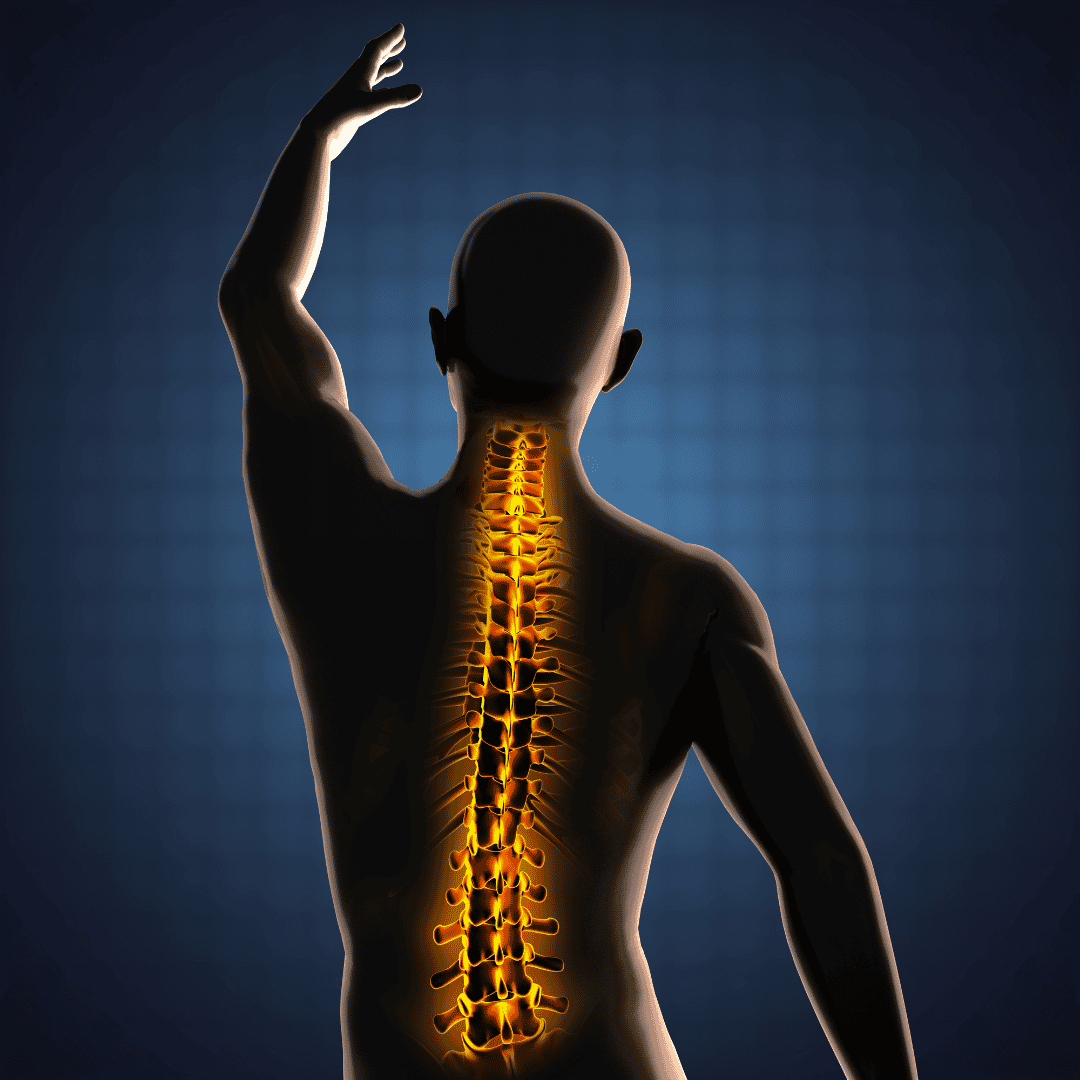
Artificial Disc Replacement, often referred to as ADR, is an advanced surgical technique designed to treat severely damaged spinal discs. During this procedure, a compromised disc is carefully removed and replaced with a specialized mechanical implant. This implant is engineered to mimic the natural movement and shock-absorbing functions of a healthy human disc. The surgery is most commonly performed on the cervical (neck) or lumbar (lower back) regions of the spine.
The intervention typically involves an anterior approach, meaning the surgeon accesses the spine from the front of the body to avoid disturbing major back muscles. Most patients generally experience a reduction in nerve compression and associated pain following the implant's placement. While surgical times vary, the procedure usually takes between one and three hours depending on the complexity. Medical teams utilize advanced imaging continuously to ensure precise implant positioning.
Clinical studies generally indicate that over 85% of carefully selected ADR patients experience significant long-term preservation of spinal motion compared to traditional fusion methods.
Cost of Artificial Disc Replacement in Puerto Vallarta vs North America
The primary catalyst driving patients across borders is the astronomical cost of specialized healthcare in their home countries. In the United States, an artificial disc procedure can easily bankrupt a family, with costs frequently exceeding fifty thousand dollars. Even with insurance, high deductibles and strict denial rates for ADR leave many seniors without viable options. Searching for spine surgery cost in Mexico reveals a dramatically different financial landscape.
Patients traveling internationally often discover what is warmly referred to as the "$15,000 smile for your spine"—a nod to the profound relief achieved at a fraction of domestic prices. The pricing structures abroad typically bundle surgeon fees, anesthesia, hospital stays, and the premium implant into one transparent package. This comprehensive pricing model allows medical tourists to accurately budget their healthcare journey without fear of devastating hidden bills.
| Procedure Name | Average Cost in Puerto Vallarta | Cost Comparison (US/Canada) |
|---|---|---|
| Cervical Disc Replacement (Single Level) | $13,500 - $15,500 | $35,000 - $50,000+ |
| Lumbar Disc Replacement (Single Level) | $14,500 - $17,000 | $40,000 - $60,000+ |
| Multi-Level Disc Replacement | $18,000 - $24,000 | $65,000 - $90,000+ |
Top Benefits of Pursuing Spine Treatment in Puerto Vallarta
Opting for international healthcare provides a multitude of advantages that extend far beyond mere financial savings. One prominent benefit is the total elimination of lengthy waiting lists that plague public healthcare systems like Canada's. Patients can typically schedule their vital surgeries within weeks rather than waiting several agonizing months or even years. Prompt intervention is crucial for preventing permanent nerve damage caused by severe spinal compression.
Additionally, the quality of life improvements are immediate priorities for the medical teams in this region. Private international clinics utilize top-tier, globally recognized implant brands ensuring exceptional durability and safety. Medical tourists also benefit from comprehensive pre-operative evaluations that are never rushed. The focus remains entirely on delivering restorative, patient-centric care in a highly compassionate environment.
The majority of private healthcare facilities catering to international patients in Mexico hold certifications that mandate strict adherence to global hygiene, surgical safety, and patient care protocols.
Ideal Candidates for Cervical or Lumbar Disc Replacement
While ADR is a highly effective procedure, it is strictly not suitable for every individual suffering from spinal discomfort. Ideal candidates generally have a specific diagnosis of degenerative disc disease that is localized to one or two spinal segments. These patients must have attempted conservative treatments, such as physical therapy or epidural injections, without experiencing adequate pain relief. Overall general health and strong bone density are fundamental prerequisites for surgical consideration.
Conversely, rigorous medical screenings exist to protect those who might be at risk. Patients are typically disqualified if they present with severe osteoporosis, spinal infections, or significant anatomical spinal deformities like severe scoliosis. Advanced facet joint arthritis also contraindicates this specific procedure, as the artificial disc cannot repair arthritis in the surrounding joints. A comprehensive evaluation by a qualified specialist is unequivocally required to determine safe eligibility.
Never assume eligibility based solely on MRI results. A thorough physical examination and consultation with a board-certified neurosurgeon or orthopedic spine specialist is required to ensure ADR is a medically safe option for you.
What to Expect During the Recovery Process Abroad
The postoperative journey begins immediately in the hospital, where patients generally remain for one to three nights depending on their surgical extent. During this time, medical staff closely monitor vital signs, manage pain, and encourage early, gentle walking to promote blood circulation. Once discharged from the hospital, the recovery transitions to a comfortable hotel or dedicated recovery retreat within the city. This phase focuses on resting, short walks, and strictly adhering to the surgeon's post-care guidelines.
Patients are generally advised to plan for a total stay of 10 to 14 days in the destination country. This timeline provides a safe buffer for initial healing and allows for crucial follow-up appointments with the operating surgeon. Most individuals experience a steady reduction in surgical pain during this period, though some mild discomfort and fatigue are completely normal. Clearance to fly home is usually granted once the doctor confirms the incision is healing properly and mobility is stable.
When traveling for spine surgery, pack slip-on shoes and loose-fitting clothing to avoid bending over or twisting during your early recovery days. Bring a specialized neck or back support pillow for the flight home.
Advanced Technology at Spine Clinics in Puerto Vallarta
International patients are often remarkably impressed by the state-of-the-art infrastructure present in top-tier Mexican healthcare institutions. Spine clinics here utilize some of the most advanced diagnostic and surgical technologies available on the global market. High-resolution MRI machines and computerized CT scans ensure precise anatomical mapping prior to any surgical intervention. This level of detail is critical for measuring the exact size and specifications needed for the artificial implant.
Inside the operating theaters, surgical teams generally rely on intraoperative fluoroscopy and advanced neuromonitoring systems. These technologies allow surgeons to safely navigate the delicate spinal structures and protect nerve functionality in real-time. The surgical instruments and sterilization protocols meet, and frequently exceed, international benchmarks for surgical safety. This heavy investment in modern medical technology guarantees that patients receive world-class care.
Many of the premium artificial discs used by top surgeons in Mexico, such as the ProDisc or Mobi-C, are the exact same FDA-approved devices utilized in leading US hospitals.
Comparing Spinal Fusion to Artificial Disc Replacement
For many years, spinal fusion was considered the gold standard for treating degenerative disc disease, but it comes with notable limitations. Fusion works by permanently welding two vertebrae together, which completely eliminates movement at that specific spinal segment. While this successfully stops pain generated by the damaged disc, it forces the adjacent spinal segments to absorb extra mechanical stress. Over time, this generally leads to adjacent segment disease, requiring further surgical interventions.
In contrast, cervical disc replacement and lumbar replacement aim to mimic the body’s natural biomechanics. By inserting an articulating device, the spine retains its native range of motion, allowing for bending and twisting. This motion preservation typically protects the neighboring discs from premature wear and tear. Most specialists generally agree that, for eligible candidates, ADR offers superior long-term mobility and a faster return to normal activities.
- Spinal Fusion: Eliminates painful motion but restricts overall spinal flexibility.
- ADR: Preserves natural spinal mechanics and reduces stress on adjacent vertebrae.
- Recovery Time: ADR patients typically experience faster mobilization compared to fusion patients.
- Surgical Goal: Fusion focuses on stabilization; ADR focuses on functional restoration.
Preparing for Your Medical Tourism Journey to Mexico
A successful medical journey requires meticulous planning and clear communication with your chosen international healthcare team. Before traveling, patients must undergo thorough virtual consultations, where specialists review medical histories and recent MRI imaging. It is vital to forward high-quality, up-to-date diagnostic scans so the surgeon can accurately assess your condition. Transparency regarding any preexisting medical conditions or daily medications is absolutely essential during this phase.
Logistical preparation is just as important as medical readiness for seniors traveling abroad. Securing a valid passport and organizing appropriate financing should be completed well in advance of the surgical date. Patients are generally advised to travel with a companion who can provide emotional support and assist with basic daily tasks during the initial recovery. Arranging your local primary care follow-up before leaving home ensures a smooth transition of care upon your return.
Request all medical files, surgical notes, and postoperative imaging on a USB drive before leaving the Mexican hospital. Having these digital records readily available is crucial for your local doctors back home.
Safety Standards and Quality of Care for International Patients
Safety is understandably the primary concern for any patient contemplating major surgery in a foreign country. The leading medical centers that cater to health tourists maintain rigorous, internationally recognized accreditation protocols. These facilities are generally audited by independent health organizations to ensure compliance with stringent hygiene, sterilization, and emergency response standards. The commitment to patient safety rivals, and sometimes exceeds, the protocols found in standard North American community hospitals.
Moreover, the surgeons performing these delicate operations are among the most highly trained specialists in Latin America. Many have completed extensive fellowships in the United States, Canada, or Europe, ensuring they are fluent in the latest global surgical techniques. They frequently hold active memberships in prestigious organizations like the North American Spine Society. This deep reservoir of expertise provides seniors with the utmost confidence in their chosen medical team.
According to medical tourism surveys, over 90% of North American patients who travel to accredited Mexican hospitals for orthopedic care report satisfaction with the hygiene and safety protocols implemented.
Real Patient Experiences and Success Stories
Reading about the lived experiences of others can profoundly impact a patient's decision-making process. Testimonials from fellow North American seniors provide invaluable insights into the realities of traveling for complex medical care. These firsthand accounts frequently highlight the stark contrast between the attentive care received abroad and the highly clinical, rushed experiences common in domestic hospitals. Hearing these stories helps demystify the medical tourism experience.
Many patients eagerly share how the procedure effectively gave them their lives back after years of debilitating pain. They often emphasize the warmth of the medical staff and the peacefulness of recovering in a beautiful destination. While individual results vary, the overarching theme among appropriately selected candidates is profound relief and deep gratitude. Here are a few examples of how this journey has impacted patients.
Margaret T., 62 (Canada)
After being told I'd have to wait two years for spine surgery in my home province, I looked internationally. The care I received in Mexico was incredibly thorough, and my nerve pain was almost completely gone by the time I flew home.
Robert H., 68 (United States)
The out-of-pocket cost for ADR in the States was simply impossible for my retirement budget. Traveling south allowed me to afford the surgery, and the nursing staff treated me with such immense kindness during my hospital stay.
Linda W., 65 (United States)
I was very nervous about going to another country for a cervical disc replacement. However, the modern equipment and the surgeon's fluent English immediately put me at ease. I am now back to playing golf without neck pain.
James D., 71 (Canada)
I chose an artificial disc over a fusion, but my local system wouldn't cover it. The comprehensive medical package in Mexico was transparent, and recovering by the ocean significantly lowered my stress levels. It was a life-changing decision.
How PlacidWay Assists Your Artificial Disc Replacement Medical Tourism Journey in Puerto Vallarta
Organizing international spine surgery independently can feel overwhelming, especially when managing severe pain. Finding reputable, accredited facilities and communicating across borders requires a trusted partner to ensure patient safety and logistical precision. This is exactly where an experienced medical facilitator becomes an invaluable asset for seniors seeking care abroad. Dedicated professionals help bridge the gap between North American patients and elite global healthcare providers.
PlacidWay serves as a comprehensive resource, empowering patients to make highly informed healthcare decisions. By offering carefully vetted medical options, patients can confidently select the providers that best match their specific medical needs. The goal is to provide a seamless, supportive pathway to affordable, high-quality spinal care. Here is how PlacidWay facilitates your journey to health.
- Connecting patients directly with highly credentialed, internationally trained spine surgeons.
- Providing transparent, comprehensive cost estimates directly from reputable medical centers.
- Facilitating the secure transfer of medical records and MRI imaging for virtual pre-consultations.
- Offering access to a global network of accredited hospitals that specialize in international patient care.
- Delivering objective educational resources to help patients thoroughly understand their chosen procedure.
Frequently Asked Questions About Spine Surgery in Mexico
Even with extensive research, it is completely natural to have specific questions regarding international medical travel. Seniors and their families need precise, transparent information to feel secure in their healthcare choices. Addressing these common inquiries helps alleviate anxiety and builds trust in the cross-border medical process. Clear communication is the foundation of a safe patient experience.
Below are some of the most common questions raised by North American patients considering this procedure. These answers are designed to provide a broad understanding of logistical and medical expectations. Always ensure you discuss your specific case thoroughly with your designated surgical specialist.
How much does artificial disc replacement cost in Puerto Vallarta?
The procedure typically ranges from $14,000 to $18,000 in Puerto Vallarta. This generally includes hospital fees, surgical costs, and the artificial disc implant itself. Prices vary based on whether the surgery is cervical or lumbar and how many spinal levels require replacement.
Is it safe to get spine surgery in Mexico?
Yes, many facilities in Mexico adhere to rigorous international medical standards. Surgeons are often board-certified and hold memberships in global spine societies. Patients typically experience high-quality care in modern, technologically advanced hospital environments.
How long do I need to stay in Puerto Vallarta for recovery?
Most patients are advised to stay in the city for 10 to 14 days following their procedure. This timeframe allows for the initial hospital stay, outpatient recovery, and necessary follow-up appointments. Surgeons generally clear patients for flying home after ensuring early healing is progressing normally.
What is the difference between ADR and spinal fusion?
Spinal fusion permanently joins two or more vertebrae, which eliminates motion at that specific segment to relieve pain. Artificial disc replacement involves inserting a mechanical device to maintain natural spinal flexibility and motion. ADR generally aims to reduce stress on adjacent spinal levels compared to fusion.
Am I a good candidate for artificial disc replacement?
Ideal candidates generally suffer from single-level or two-level disc degeneration that has not responded to conservative treatments. Patients typically must have healthy bone density without severe facet joint arthritis or significant spinal instability. A thorough medical evaluation is strictly required to determine eligibility.
Do Mexican spine clinics use FDA-approved discs?
Reputable international hospitals in Mexico typically use high-quality artificial discs manufactured by leading global medical device companies. Many of these specific implant models are approved by the FDA in the United States or hold CE marks in Europe. Always discuss the specific implant brand and model with your chosen specialist.
How do I communicate with medical staff in Mexico?
Leading medical tourism facilities employ bilingual medical staff and doctors who are fluent in English. International patient departments are specifically designed to assist US and Canadian patients. Communication barriers are generally minimal throughout the entire consultation, treatment, and recovery process.
Will I need physical therapy after my procedure?
Yes, physical therapy is typically a crucial component of the rehabilitation process following ADR. Light walking is generally encouraged immediately after surgery to promote blood flow. A structured physical therapy program usually begins a few weeks post-surgery to safely rebuild strength and flexibility.
What happens if I experience complications after returning home?
International clinics usually provide detailed medical records and post-operative instructions for your local healthcare provider. It is highly recommended to establish a relationship with a local primary care doctor or specialist before traveling. Most Mexican specialists also offer virtual follow-up consultations to monitor your long-term progress.
Do I need a special visa to travel to Mexico for medical care?
Citizens of the United States and Canada typically do not need a special medical visa for stays under 180 days. A valid passport and a standard tourist entry permit, obtained upon arrival, are generally sufficient. Always check the latest entry requirements prior to booking your medical travel.
Medical Disclaimer: This article is for informational purposes only and is not medical advice. Always consult a qualified healthcare provider before any medical decisions. Results may vary. Read Full Disclaimer here.
References
- Centers for Disease Control and Prevention (CDC). Medical Tourism: Travel for Medical Care. https://wwwnc.cdc.gov/travel/page/medical-tourism
- National Institutes of Health (NIH). Artificial Disc Replacement vs. Spinal Fusion. https://pmc.ncbi.nlm.nih.gov/articles/PMC6709089/
- American Association of Neurological Surgeons. Artificial Disc Replacement. https://www.aans.org/Patients/Neurosurgical-Conditions-and-Treatments/Artificial-Disc-Replacement
- Spine-Health. Understanding Artificial Disc Replacement. https://www.spine-health.com/treatment/artificial-disc-replacement
- International Society for the Advancement of Spine Surgery (ISASS). Policy Statement on Artificial Disc Replacement. https://www.ijssurgery.com/content/9/7




.png)
.png)



.png)
.jpg)
.jpg)
.png)









Share this listing