


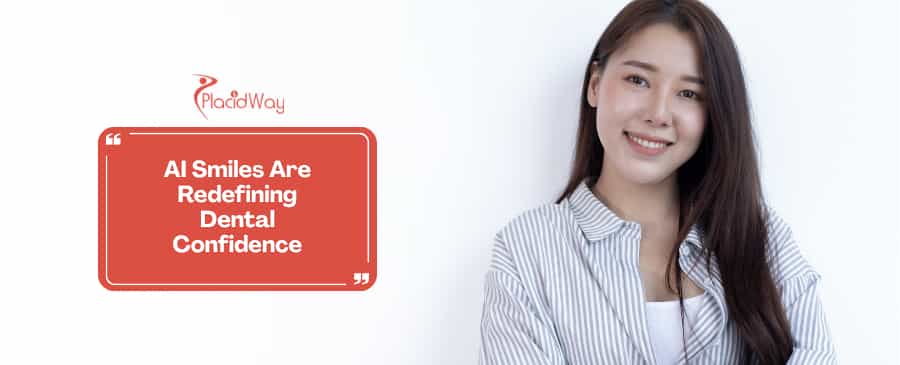
The landscape of global dental care is evolving rapidly, and Digital Smile Design in Costa Rica stands at the forefront of this transformation. This innovative approach moves beyond traditional dentistry by utilizing advanced software to analyze facial and dental proportions. By treating the patient's face as the primary guide, dentists can architect a smile that perfectly harmonizes with individual facial features. This level of personalization is drawing international patients who seek precision, aesthetic excellence, and predictable results in a beautiful destination.
As we approach 2026, the integration of artificial intelligence into this process is setting new global benchmarks. Artificial intelligence algorithms can process thousands of data points from intraoral scans and dynamic video recordings to recommend optimal tooth shapes, shades, and alignments. This reduces human error and empowers patients to become co-designers of their own smiles. For those considering cosmetic dentistry in San José, understanding this technology is the first step toward achieving a long-lasting, natural-looking outcome.
- Facial Analysis: Uses dynamic video to capture speech and expressions, not just static photos.
- Predictable Outcomes: Generates a highly accurate 3D preview before any physical treatment begins.
- Collaborative Design: Allows patients to view and modify the proposed results alongside their specialist.
- Integrated Workflow: Seamlessly connects initial scans to the creation of veneers, crowns, or implants.
The concept of digital smile architecture was originally developed to improve communication between the dentist, the dental laboratory, and the patient. Today, AI has accelerated this process, reducing design time from days to mere hours.
How AI Predicts Aesthetic Dental Outcomes in San José
The introduction of AI dental technology has revolutionized how specialists map and predict clinical results. Traditional methods often relied heavily on a dentist's manual dexterity and subjective aesthetic judgment, which could sometimes lead to variations between the intended design and the final product. Today, sophisticated AI algorithms analyze comprehensive digital impressions to simulate how light will interact with specific ceramic materials. This capability ensures that the proposed aesthetics translate flawlessly into the physical restoration.
In San José, state-of-the-art facilities are utilizing these predictive models to streamline complex restorative cases. The software evaluates occlusal forces—how the teeth bite together—to recommend designs that are not only beautiful but structurally sound. By highlighting potential functional issues before a single tooth is prepared, this technology typically minimizes the need for future adjustments. Patients benefit from an efficient, data-driven process that aligns expectations with reality.
- Automated identification of gingival margins and tooth axes.
- Predictive modeling of soft tissue response to new restorations.
- Real-time adjustments to tooth length, width, and angulation based on biometric data.
- Virtual mock-ups that demonstrate accurate light reflection and translucency.
According to recent dental technology surveys, AI-assisted design software can increase the precision of restorative fit by up to 35% compared to traditional manual wax-ups.
Top Reasons to Choose Medical Tourism in Costa Rica for Dentistry
The surge in medical tourism in Costa Rica is driven by a unique combination of exceptional clinical standards, cost-effectiveness, and geographical accessibility. North American patients, in particular, find the short flight times and seamless communication highly appealing. Elite dental professionals in the region frequently complete advanced fellowships in the United States or Europe, ensuring they remain updated on the latest international protocols. This dedication to continuing education is reflected in the high caliber of care provided to international visitors.
Furthermore, the infrastructure supporting health tourism in San José is highly developed. Facilities are often equipped with the exact same—or sometimes superior—digital technologies found in premium clinics across North America. Patients receive comprehensive care in modern environments that prioritize safety, hygiene, and patient comfort. The opportunity to recover in a serene, tropical setting also adds significant value to the overall medical travel experience.
- Geographic Proximity: Only a few hours by plane from major North American hubs.
- Bilingual Professionals: Clear communication with fluent English-speaking dental teams.
- Rigorous Standards: Adherence to strict international sterilization and safety guidelines.
- Advanced Technology: Widespread adoption of 3D imaging, laser dentistry, and AI software.
Testimonial: Sarah's Experience
"I was nervous about traveling for major dental work, but the level of care I received completely put me at ease. The technology they used to design my new teeth was incredible, and the communication was flawless from start to finish."
Affordable Digital Smile Design Cost in Costa Rica
A primary motivator for patients seeking care abroad is the ability to access premium treatments at manageable prices. The affordable Digital Smile Design options available in Central America do not reflect a compromise in quality; rather, they are the result of lower overhead costs, favorable exchange rates, and a highly competitive local market. Patients can frequently access top-tier materials and renowned specialists for a fraction of the price quoted in their home countries.
Understanding the smile makeover cost requires looking at the comprehensive treatment plan. While the digital design itself is a diagnostic and planning tool, the overall expense depends on the restorations required, such as porcelain veneers, zirconia crowns, or dental implants. Transparency in pricing allows international patients to budget accurately and evaluate the immense value provided by these elite facilities.
| Procedure Name | Average Cost in Costa Rica | Estimated Cost in US/Canada |
|---|---|---|
| Digital Smile Design & Consultation | $150 - $350 | $500 - $1,000 |
| Porcelain Veneer (Per Tooth) | $350 - $550 | $1,200 - $2,500 |
| Zirconia Crown (Per Tooth) | $400 - $600 | $1,500 - $3,000 |
| Full Arch Restoration (All-on-4) | $8,500 - $12,000 | $24,000 - $35,000 |
Always request a detailed, itemized treatment plan before traveling. Ensure the quote explicitly outlines the cost of the digital design phase, the specific materials to be used for restorations, and any necessary temporary teeth.
The Step-by-Step AI Dental Design Process in San José
The journey to a renewed aesthetic begins with a comprehensive data-gathering session. When a patient arrives, the clinical team utilizes highly sensitive intraoral scanners to create a three-dimensional replica of the current dentition. This is followed by a specialized photo and video shoot capturing the patient talking, smiling, and laughing. These dynamic records are crucial because they allow the software to evaluate how the teeth are displayed during natural facial movements.
Once the data is uploaded into the AI-driven software, the system maps the facial midlines, lip dynamics, and eye alignment. The specialist reviews the AI's structural recommendations and fine-tunes the aesthetics based on the patient’s personal desires. Following patient approval, the digital blueprint is sent to an in-house milling machine or 3D printer, which creates a temporary physical "mock-up." This mock-up is placed over the natural teeth, allowing the patient to "test drive" their new look before any permanent alterations are made.
- Comprehensive Scanning: Capturing 3D digital impressions without messy traditional molds.
- Dynamic Imaging: Recording high-resolution photos and videos of facial expressions.
- AI Analysis & Blueprinting: Utilizing software to calculate ideal proportions and alignment.
- Virtual & Physical Mock-up: Reviewing the digital rendering and trying on a physical prototype.
- Final Restoration: Manufacturing and securely bonding the custom ceramic restorations.
The use of a physical "mock-up" is entirely reversible. It sits over the natural teeth using temporary resin, allowing patients to see and feel the proposed changes safely.
Ideal Candidates for Advanced Smile Makeovers in Costa Rica
Advanced digital planning is incredibly versatile, making it suitable for a wide range of aesthetic and structural concerns. Ideal candidates generally include individuals dealing with severe tooth discoloration, chipped or fractured enamel, uneven spacing, or mild to moderate misalignment. Those who feel their teeth are disproportionate to their facial features—often characterized by a "gummy smile" or very short teeth—can benefit immensely from the precision of this technology.
However, successful outcomes depend heavily on an underlying foundation of good oral health. Patients must typically be free of active periodontal (gum) disease and untreated tooth decay before commencing cosmetic enhancements. A thorough remote consultation and review of recent X-rays are usually required to ensure that a patient is clinically suited for safe and effective treatment abroad.
- Individuals seeking full mouth rehabilitation.
- Patients looking to correct asymmetrical tooth shapes.
- Those wanting a predictable and highly customized aesthetic result.
- Patients committed to maintaining excellent oral hygiene post-treatment.
Patients with severe bruxism (teeth grinding), insufficient bone density, or uncontrolled systemic conditions like severe diabetes are generally not ideal candidates for immediate cosmetic restorations. These underlying issues must be managed appropriately prior to undergoing comprehensive restorative work to minimize the risk of implant or veneer failure.
Technology Shaping Digital Smile Design Clinics in San José
The caliber of a modern dental facility is often defined by its technological ecosystem. Elite practices have invested heavily in tools that work synergistically with digital design software. Cone Beam Computed Tomography (CBCT) scanners provide vital 3D views of bone structures and nerve pathways, which are critical when the cosmetic plan involves placing dental implants. This deep-tissue visibility ensures that surgical interventions are as safe and predictable as the aesthetic outcomes.
In addition to advanced diagnostics, in-house CAD/CAM (Computer-Aided Design and Computer-Aided Manufacturing) technology allows for unprecedented speed and quality control. Once the digital blueprint is finalized, automated milling machines precisely carve veneers or crowns from high-strength ceramic blocks in a matter of minutes. This vertical integration drastically reduces waiting times, making it highly advantageous for international patients on a tight travel schedule.
- CBCT Scanners: Detailed 3D imaging for bone density and nerve mapping.
- Intraoral Scanners: High-speed optical wands that replace uncomfortable alginate impressions.
- CAD/CAM Milling: On-site machines for rapid fabrication of dental prosthetics.
- 3D Printers: Used to rapidly produce surgical guides and temporary mock-ups.
Modern intraoral scanners take thousands of images per second, stitching them together to create a full-color, hyper-accurate digital model of your mouth in under two minutes.
Comparing Traditional Dentistry vs Digital Smile Design in Costa Rica
Traditional cosmetic dentistry often requires patients to place immense trust in a practitioner's artistic vision, with limited ability to foresee the final outcome. The conventional workflow typically involves taking messy impressions, sending them to an external laboratory, and waiting weeks for the final restorations. If the resulting veneers or crowns do not meet the patient’s aesthetic expectations, making changes at that late stage is time-consuming, expensive, and frustrating.
Conversely, the modern digital approach removes the guesswork. The integration of AI dental technology ensures that the proposed design respects both biometric constraints and the patient's personal preferences long before physical treatment starts. This interactive, patient-centric workflow generally results in higher satisfaction rates and a vastly improved clinical experience, particularly for those traveling internationally who have limited time for extended revisions.
- Predictability: High certainty of outcomes vs. subjective expectations.
- Patient Involvement: Active participation in design vs. passive acceptance.
- Comfort: Digital optical scanning vs. uncomfortable putty impressions.
- Efficiency: Streamlined, often in-house production vs. lengthy external lab delays.
Testimonial: Mark's Transformation
"I had old crowns replaced using traditional methods years ago, and I hated the surprise element when they were finally glued in. This time, using digital design, I saw exactly what I was getting on a screen and in my mouth before we proceeded. The peace of mind was incredible."
Potential Risks of AI-Assisted Cosmetic Dentistry in San José
While technology has dramatically improved the safety and predictability of dental procedures, no medical intervention is entirely without risk. It is crucial for prospective patients to understand that AI is a tool, not a replacement for clinical expertise. If the software's recommendations are not meticulously reviewed by a highly trained specialist, errors in occlusal alignment can occur. Most patients experience successful outcomes, but improper bite alignment can lead to joint pain, restorative fractures, or discomfort.
Furthermore, standard risks associated with comprehensive cosmetic work apply. Patients typically experience some degree of temporary tooth sensitivity following enamel preparation. There is also a small risk of localized inflammation or minor gum irritation as the mouth adjusts to new restorations. Choosing a facility with verified, experienced professionals minimizes these risks and ensures that any complications are managed swiftly and effectively.
- Temporary thermal sensitivity (hot/cold) after tooth preparation.
- Need for minor bite adjustments as the jaw acclimates.
- Risk of ceramic chipping if subjected to abnormal forces (e.g., chewing ice).
- Potential for minor gingival (gum) irritation during the healing phase.
Plan your travel itinerary to allow for at least two rest days after the final placement of your restorations. This buffer allows you to return to the clinic for a final bite check and minor adjustments before flying home.
Preparing for Your Dental Trip to San José Costa Rica
Thorough preparation is the key to a seamless medical travel experience. Long before boarding a flight, prospective patients should engage in remote consultations with their chosen professionals. This generally involves submitting current panoramic X-rays, clear intraoral photographs, and a detailed medical history. These documents allow specialists to determine candidacy and provide a realistic preliminary timeline and cost estimate.
Once medical clearance is established, patients must focus on the logistics of their journey. It is advisable to organize travel insurance that explicitly covers medical complications, as well as ensure that your passport has at least six months of validity remaining. Coordinating with the clinical team regarding the exact duration of your required stay is essential, as comprehensive aesthetic rehabilitations usually necessitate an itinerary of 7 to 14 days to accommodate design, manufacturing, and fitting.
- Obtain recent dental records and high-quality panoramic X-rays.
- Complete a virtual consultation to discuss goals and review preliminary digital assessments.
- Secure appropriate medical tourism insurance.
- Plan a travel schedule that incorporates adequate time for recovery and follow-up visits.
Testimonial: David's Journey
"Preparing from Canada felt daunting initially, but the remote consultation was incredibly thorough. Sending my X-rays ahead of time meant that when I arrived, the team already had a strong foundation for my digital design. It made the whole trip highly efficient."
Recovery and Follow-Up Care After Digital Smile Design in Costa Rica
The recovery process following a digital smile makeover is typically swift and highly manageable. Because the AI design ensures precise, conservative preparation of the natural teeth, soft tissue trauma is generally minimized. Most patients experience only mild tenderness or sensitivity for a few days, which can usually be controlled with over-the-counter pain relievers. Adhering to a soft diet during the first 48 hours helps protect the new restorations as the bonding materials fully stabilize.
Long-term success relies heavily on rigorous oral hygiene and post-operative care. Patients must brush and floss daily using non-abrasive products to protect the ceramic surfaces. Furthermore, international clinics often establish a telemedicine follow-up protocol, allowing patients to consult with their specialists via video call once they return home. Consistent communication and routine check-ups with a local dentist are essential to maintaining the longevity of your investment.
- Use a soft-bristled toothbrush and non-abrasive toothpaste.
- Wear a custom night guard if recommended by the specialist to prevent grinding damage.
- Avoid using teeth as tools (e.g., opening packages, biting nails).
- Schedule bi-annual cleanings and examinations with a local dental provider.
High-quality dental ceramics, like E-max and zirconia, do not respond to traditional whitening treatments. Maintaining their bright appearance relies on excellent hygiene and avoiding excessive consumption of staining substances like dark coffee or tobacco.
Success Rates of Cosmetic Dentistry in San José Clinics
Thanks to the convergence of skilled professionals and AI dental technology, the success rates for aesthetic restorations in this region are exceptionally high. Clinical studies and patient satisfaction data suggest that properly designed and bonded ceramic veneers and crowns have a survival rate of over 90% at the ten-year mark. The meticulous planning afforded by digital modeling contributes significantly to these robust outcomes, as functional errors are largely engineered out of the process.
However, it is important to remember that longevity is not solely dependent on the clinical procedure. A patient's lifestyle, dietary habits, and commitment to oral health play monumental roles. By following strict aftercare protocols and addressing minor issues before they escalate, patients can enjoy their rejuvenated, natural-looking smiles for decades. The commitment to excellence found in these elite facilities provides a strong foundation for long-term clinical success.
- High long-term survival rates for modern ceramic materials.
- Improved gum health due to precisely contoured restoration margins.
- Enhanced patient psychological well-being and confidence post-treatment.
- Reduced incidence of restorative failure due to biometric AI analysis.
Research published in leading dental journals indicates that patient satisfaction rates for digitally planned smile makeovers routinely exceed 95%, largely due to the predictability and transparency of the process.
Testimonial: Emily's New Confidence
"I had my smile redesigned two years ago using this technology. The precision was unmatched, and today, they look and function exactly as perfectly as the day they were placed. The quality of the work is truly world-class."
How PlacidWay Assists Your Digital Smile Design Medical Tourism Journey in Costa Rica
Navigating the global healthcare landscape can be challenging without the right support system. PlacidWay serves as a premier medical tourism platform designed to connect international patients with rigorously vetted healthcare providers worldwide. By prioritizing transparency, safety, and quality, PlacidWay ensures that patients can explore advanced dental solutions with complete peace of mind.
Our comprehensive platform empowers you to make highly informed decisions regarding your medical journey. We focus on bridging the gap between exceptional international care and patient needs, providing you with the necessary tools to evaluate different options efficiently and securely.
- Verified Provider Network: Access comprehensive profiles of internationally recognized and certified dental facilities.
- Transparent Information: Evaluate clear data regarding procedures, technologies, and specialized care available.
- Direct Communication: Seamlessly facilitate initial connections and request detailed remote consultations.
- Patient Education: Utilize extensive resources, guides, and informative articles to understand complex treatments.
- Tailored Quotes: Easily request personalized treatment plans based on your specific clinical needs.
Frequently Asked Questions About Digital Smile Design in Costa Rica
When considering international travel for advanced dental care, having access to accurate, realistic information is paramount. Patients frequently inquire about timelines, financial investments, and the practicalities of undergoing treatment abroad. Below, we address some of the most common questions to help you prepare effectively.
These responses are tailored to provide clear insights into the realities of combining high-tech restorative dentistry with health tourism. Understanding these facets will ensure that your expectations are perfectly aligned with clinical realities.
How long does the Digital Smile Design process typically take in Costa Rica?
The initial design and consultation phase can usually be completed within a few days. However, the total timeline depends on the specific restorative treatments required, which may extend the stay to one or two weeks.
Is Digital Smile Design in Costa Rica more affordable than in the US?
Yes, patients generally experience significant cost savings due to lower operational overhead in Costa Rica. Even with the integration of advanced AI software, prices remain highly competitive for international patients.
Can I see my final results before the actual dental work begins?
Yes, the core benefit of this technology is the ability to view a highly accurate 3D simulation of your expected outcome. You can review and request adjustments before any physical procedure is initiated.
Are the dental materials used in San José of high quality?
Elite facilities in the region typically use internationally recognized, FDA-approved materials such as zirconia and E-max porcelain. These materials ensure durability and a natural aesthetic appearance.
Will I experience pain during the AI dental design procedure?
The digital scanning and design phases are entirely non-invasive and painless. Subsequent restorative work is generally performed under local anesthesia, minimizing discomfort during the physical treatment.
How long do the results of a digital smile makeover last?
With proper oral hygiene and routine dental check-ups, high-quality veneers or crowns can last 10 to 15 years, or even longer. Longevity heavily depends on individual habits and post-treatment care.
Do I need a special visa to travel to Costa Rica for dental care?
Most citizens from North America and Europe do not require a special visa for stays under 90 days. A valid passport and a return ticket are typically the only entry requirements.
What happens if my new bite feels uncomfortable after returning home?
A brief adjustment period is normal as you get used to your new bite. If significant discomfort persists, dentists generally recommend consulting a local specialist, though international facilities often offer follow-up support via telemedicine.
Is AI dental technology safe and proven?
Yes, AI integration in dentistry is based on extensive data analysis and advanced imaging algorithms. It is widely regarded as safe and serves as a highly effective tool to assist dentists in achieving greater precision.
Can I combine my dental treatment with a vacation in Costa Rica?
Many patients successfully combine their dental procedures with leisure travel, depending on the complexity of the treatment. It is recommended to consult your dental provider to plan activities safely around your recovery schedule.
Ready to explore advanced Digital Smile Design options in Costa Rica? Let PlacidWay connect you with elite care.
References
- National Center for Biotechnology Information (NCBI). Applications of Artificial Intelligence in Dentistry: A Comprehensive Review. https://pubmed.ncbi.nlm.nih.gov/34842324/
- World Health Organization (WHO). Oral Health Overview and Global Strategies. https://www.who.int/health-topics/oral-health
- WebMD. Cosmetic Dentistry Procedures: What You Need to Know. https://www.webmd.com/oral-health/cosmetic-dentistry
.png)




.png)
.png)
.png)


.png)
.png)

.png)








Share this listing