


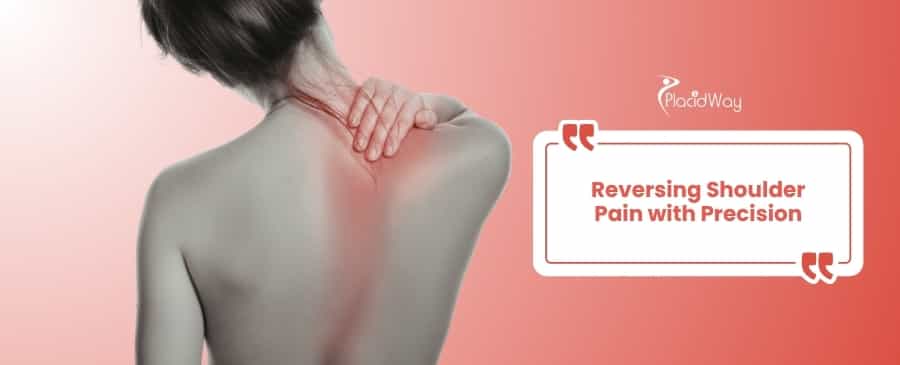
The global landscape of joint replacement surgery has evolved rapidly over the past decade, bringing innovative orthopedic solutions to patients worldwide. Among these, advanced reverse shoulder arthroplasty in Ahmedabad has emerged as a highly sought-after procedure for international patients. The city has steadily built a reputation for combining state-of-the-art medical infrastructure with surgeons who possess deep expertise in complex upper-extremity joint reconstructions. Consequently, a growing number of individuals suffering from severe shoulder dysfunction are looking toward Western India for viable, high-quality medical solutions.
Ahmedabad’s rise in the medical tourism sector is no accident; it is the result of strategic investments in healthcare technology and specialized medical training. International medical travelers are drawn by the seamless integration of global healthcare standards and the personalized care native to Indian medical facilities. For those grappling with chronic joint pain and limited mobility, pursuing shoulder replacement surgery in India often represents a practical and highly effective pathway toward regaining their quality of life.
Studies indicate that reverse total shoulder arthroplasty usage has increased by over 300% globally in the last decade, with specialized hubs in India adopting the latest implant technologies concurrently with Western nations.
- Access to advanced 3D surgical planning and navigation technologies.
- High concentration of board-certified, internationally trained orthopedic specialists.
- Dedicated international patient departments catering to foreign medical tourists.
- Stringent hygiene and international safety protocols maintained across modern facilities.
Understanding the Reverse Shoulder Replacement Procedure
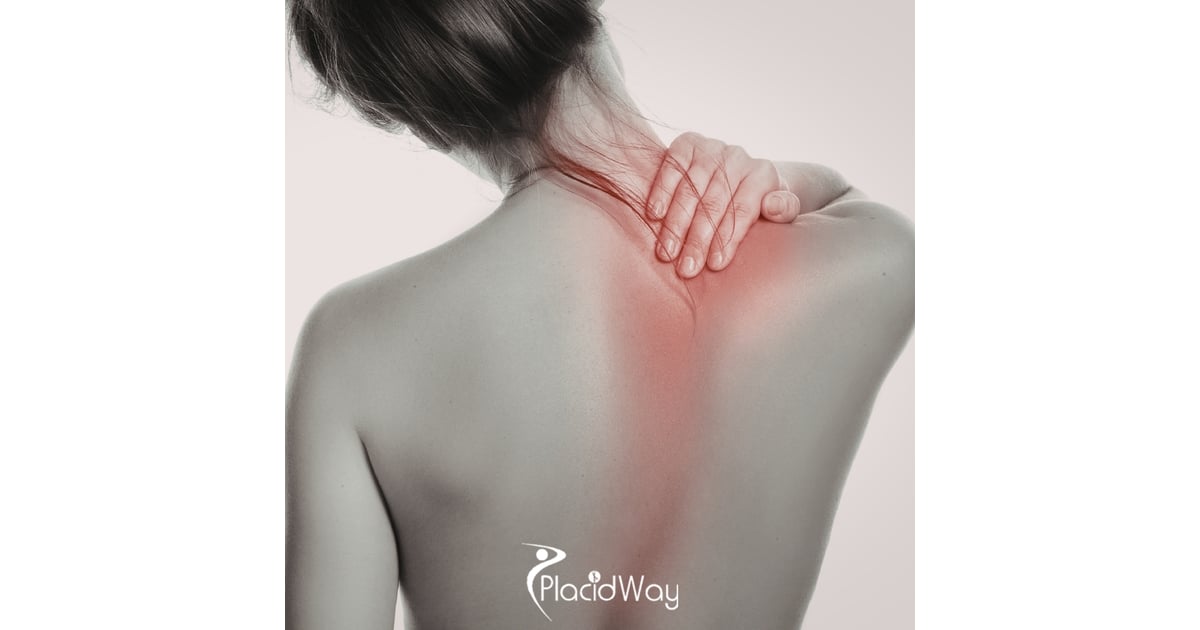
To fully appreciate why patients seek this specific intervention, one must understand the mechanics of the shoulder joint and how this surgery alters it. In a healthy shoulder, the joint functions as a traditional "ball-and-socket," relying heavily on the rotator cuff muscles for stability and movement. However, when a patient suffers from severe rotator cuff tear arthropathy, a standard replacement is generally ineffective because the essential muscles required to move the new joint are permanently compromised. A reverse shoulder replacement ingeniously switches the anatomy: the metal ball is attached to the shoulder bone (scapula), and the plastic socket is attached to the upper arm bone (humerus).
By reversing these components, the biomechanics of the joint are fundamentally altered, allowing the patient to rely on the stronger deltoid muscle rather than the damaged rotator cuff to lift their arm. This structural modification is a game-changer for individuals who have lost almost all functional mobility in their arms. The innovative reverse shoulder implant technique has restored hope for those who were previously told their complex shoulder conditions were untreatable.
The first reverse shoulder replacement was designed in France in the 1980s by Professor Paul Grammont. The design was revolutionary because it shifted the joint's center of rotation, maximizing the efficiency of the deltoid muscle.
Key differences between standard and reverse shoulder arthroplasty include:
- Muscle Reliance: Standard relies on the rotator cuff; reverse relies entirely on the deltoid.
- Implant Placement: The artificial ball is placed on the scapula in the reverse procedure, rather than the humerus.
- Primary Indication: Reverse surgery is typically utilized when massive rotator cuff tears accompany joint arthritis.
Why Choose Medical Tourism for Shoulder Surgery in Ahmedabad?
Deciding to travel across borders for major joint surgery requires careful consideration and immense trust in the destination's medical capabilities. International patients increasingly look to Ahmedabad because it seamlessly bridges the gap between premium healthcare quality and accessible treatment options. The medical tourism in Ahmedabad sector is bolstered by modern facilities that hold prestigious national and international accreditations, ensuring patients receive care on par with leading global institutions.
Beyond the clinical excellence, the city offers an environment uniquely tailored to the needs of international medical tourists. English is widely spoken among medical professionals, eliminating communication barriers that often complicate care in other foreign destinations. Additionally, the comprehensive care approach—from precise diagnostic imaging to rigorous post-operative physiotherapy—creates a holistic ecosystem designed to support robust surgical recovery.
India’s medical tourism industry is recognized globally for orthopedics, with patients saving a substantial portion of their medical expenses while receiving FDA-approved or CE-marked high-end joint implants.
Reasons patients choose Ahmedabad for orthopedic care:
- Availability of globally recognized prosthetic joint brands.
- Multidisciplinary care teams involving surgeons, specialized anesthetists, and physical therapists.
- No prolonged waitlists, allowing patients to schedule surgeries promptly based on their pain levels.
Cost of Reverse Shoulder Arthroplasty in Ahmedabad vs. Abroad
The financial aspect of joint replacement is often the primary catalyst for patients looking beyond their domestic borders. In countries like the United States, Canada, and the United Kingdom, the out-of-pocket expenses for specialized orthopedic procedures can be prohibitively high, or patients may face extensively long wait times within public health systems. In contrast, finding an affordable reverse shoulder arthroplasty in Ahmedabad offers patients rapid access to premium surgical interventions without the devastating financial burden.
While costs are significantly lower, the reduction in price does not correlate with a compromise in medical quality. The cost savings stem from the lower socio-economic operating costs, favorable exchange rates, and a highly competitive local healthcare market. Below is a detailed comparative breakdown illustrating the estimated financial advantages for medical tourists considering this life-altering procedure.
| Procedure / Sub-Treatment | Average Cost in Ahmedabad (USD) | Average Cost in USA/UK (USD) |
|---|---|---|
| Initial Orthopedic Consultation & Diagnostics | $150 - $350 | $1,000 - $2,500 |
| Reverse Shoulder Arthroplasty (Including Implant) | $6,500 - $8,500 | $25,000 - $45,000 |
| In-Patient Hospital Stay (3-4 Days) | Included in package | $8,000 - $15,000 |
| Post-Op Physiotherapy (Per Session) | $20 - $40 | $100 - $250 |
Identifying the Ideal Candidates for Reverse Shoulder Arthroplasty
While the benefits of this procedure are profound, it is not the standard solution for all forms of shoulder pain. Identifying the correct candidate requires a meticulous evaluation of the patient’s clinical history, physical limitations, and anatomical degradation. Typically, the ideal candidates for reverse shoulder surgery are older adults who have developed severe glenohumeral arthritis coupled with massive, irreparable rotator cuff tears. These patients usually suffer from persistent, debilitating pain that disrupts sleep and severely limits basic daily activities.
A secondary group of candidates includes individuals who have previously undergone a standard shoulder replacement that has subsequently failed due to rotator cuff insufficiency or severe instability. It is critical to note that orthopedic specialists maintain stringent patient selection criteria to maximize success rates. Proper selection is arguably the most vital step in preventing post-operative dissatisfaction and minimizing surgical complications.
Reverse shoulder arthroplasty is strictly contraindicated in patients with an active joint infection, severe neurological deficiencies in the arm, or those with an underlying dysfunctional or absent deltoid muscle. A functioning deltoid is absolutely critical for the success of this implant.
- Patients with "pseudo-paralysis" (inability to lift the arm away from the side).
- Individuals with complex proximal humerus fractures that cannot be reconstructed.
- Those who have exhausted conservative treatments like corticosteroid injections and physical therapy.
Comprehensive Pre-Operative Assessment for Joint Surgery in India
The journey to a successful surgical outcome begins long before the patient enters the operating theater. When embarking on medical travel, the pre-operative assessment for orthopedic surgery in India is incredibly rigorous. Once a patient arrives in Ahmedabad, they undergo a battery of tests to ensure they are physically fit for anesthesia and major surgery. This comprehensive screening typically involves detailed blood work, cardiac evaluations, and advanced imaging such as high-resolution MRI and 3D CT scans of the affected shoulder.
This deep diagnostic phase allows the surgical team to create precise, customized surgical templates. By utilizing 3D modeling, surgeons can map out the exact angle, size, and positioning of the artificial joint implants specific to the patient's unique anatomy. This level of meticulous preparation is a hallmark of the advanced clinical care available in the region.
For medical tourists: Compile all your previous medical records, X-rays, and surgical histories into a single digital folder before traveling. Having these readily available for your medical team in Ahmedabad will streamline your pre-operative assessment.
The Surgical Technique: How Reverse Shoulder Replacement Works
The actual operation is an intricate process requiring high-level precision and deep anatomical knowledge. The surgery usually takes between two to three hours and is performed under general anesthesia, frequently combined with a regional nerve block to ensure maximum comfort upon waking. The surgeon carefully accesses the shoulder joint, removing the damaged bone and cartilage while preserving the crucial deltoid muscle structure. The diseased humeral head (the ball) is removed, and the glenoid (the socket) is prepared to receive the new components.
Following preparation, the structural reverse joint prosthesis is securely anchored. A metal baseplate is screwed into the patient's natural bone socket, onto which the artificial metal ball is attached. Conversely, a stem is inserted into the upper arm bone, topped with a plastic cup that will articulate with the new metal ball. Once the components are locked in place, the joint is meticulously tested for stability, range of motion, and tension before the incision is safely closed.
Surgeons in advanced facilities often use computer-assisted navigation and patient-specific instrumentation (PSI) during the surgery. This technology ensures the implant is placed within millimeters of the optimal pre-planned position.
Post-Operative Care and Shoulder Surgery Recovery in Ahmedabad
Recovery is a collaborative effort between the patient, the surgical team, and the physical rehabilitation specialists. Immediately following the procedure, patients are monitored closely in the hospital for pain management and to prevent complications. Early intervention is critical; thus, guided passive motion exercises often begin the day after surgery to prevent the joint from stiffening. Patients typically spend a few days in the hospital before being discharged to continue their initial recovery phase under close supervision.
During the extended recovery period, adhering strictly to the structured shoulder replacement rehabilitation protocol is paramount. Physical therapy will initially focus on protecting the surgical site while gently increasing flexibility. As weeks progress, the therapy shifts toward strengthening the deltoid muscle, which is now the primary motor of the new joint. Patients traveling internationally usually stay in Ahmedabad for a couple of weeks to ensure they are stable enough for the flight home.
Testimonial Summary: David from Australia
David suffered from severe rotator cuff arthropathy for years, unable to lift his arm to comb his hair. Seeking affordable options, he chose Ahmedabad for his procedure. "The care coordination was flawless, and the pain relief was noticeable within weeks. The structured physiotherapy I received before flying back was instrumental in my quick recovery."
Testimonial Summary: Maria from the UK
Facing a multi-year waitlist back home, Maria traveled to India for a reverse shoulder replacement. "I was nervous about medical travel, but the state-of-the-art facility and constant monitoring during my recovery in Ahmedabad gave me immense peace of mind. I’ve regained my independence."
Potential Risks and Complications of Reverse Shoulder Arthroplasty
Any major orthopedic intervention inherently carries a spectrum of medical risks. While reverse shoulder arthroplasty has a robust track record of success, international patients must be fully aware of the potential hurdles. The surgical teams in Ahmedabad adhere strictly to international safety protocols to mitigate these events, yet complications can still arise. The most frequently discussed risk is implant instability or dislocation, which occurs if the new ball and socket separate.
Additionally, patients generally face standard surgical risks such as localized infection, deep vein thrombosis, and potential damage to surrounding blood vessels or nerves. It is important to remember that most patients experience a smooth recovery, but proactive communication with the surgical team regarding any unusual post-operative symptoms is vital for maintaining the safety of the orthopedic surgery abroad.
- Infection: A serious complication requiring immediate antibiotic intervention or, rarely, implant revision.
- Nerve Damage: Temporary or permanent numbness or weakness in the arm due to nerve stretching during surgery.
- Implant Wear and Loosening: Over a decade or more, the components may naturally wear down or loosen from the bone.
- Hematoma: Collection of blood near the surgical site that may require drainage.
Long-Term Outcomes and Success Rates of Reverse Shoulder Implants
When properly indicated and expertly executed, the long-term outcomes for reverse shoulder surgery are exceptionally positive. The primary objective for the vast majority of patients is pain alleviation, and this goal is consistently met. Most individuals report a dramatic and lasting reduction in the chronic pain that previously dictated their daily lives. Following a committed rehabilitation period, patients typically achieve enough functional range of motion to comfortably perform vital activities of daily living, such as feeding, dressing, and reaching overhead.
While the new joint will not replicate the perfect biological mechanics of a youthful shoulder, the functional restoration provides a profound improvement in quality of life. Current clinical data supports the longevity and durability of these complex devices, confirming that advanced shoulder replacement prosthetics offer a reliable, long-term solution for severely disabled joints.
Clinical survivorship studies show that reverse shoulder implants have an 85% to 90% survival rate 10 years post-surgery, providing patients with a decade or more of improved functionality and pain relief.
Combining Healthcare and Cultural Healing in Ahmedabad
Healing is an experience that extends beyond the clinical environment, encompassing the emotional and mental well-being of the patient. Ahmedabad offers a serene and culturally rich backdrop for recovery. For medical tourists, the environment plays a crucial role in lowering stress levels. As patients recover from their major joint reconstruction in India, the city's blend of peaceful cultural sites, modern amenities, and renowned hospitality contributes positively to the recuperation process.
Many international patients appreciate the gentle, patient-centric approach found in Indian medical care. The warmth and empathy displayed by nursing staff, physical therapists, and surgical teams create a supportive atmosphere. Although physical activity is restricted post-surgery, patients often find solace and motivation within the hospitable and attentive environment fostered by their dedicated care providers.
Testimonial Summary: Robert from Canada
Robert needed a complex revision surgery after a standard replacement failed. "The surgical expertise in Ahmedabad was world-class, but what stood out most was the compassion of the care team. Recovering in a city that treats medical guests with such profound respect made a difficult journey much easier to navigate."
Preparing for Your Orthopedic Medical Travel to India
Successful medical tourism requires meticulous logistical and clinical planning. To ensure a smooth transition from your home country to the operating table, it is essential to prepare your documentation meticulously. Securing a medical visa for India is a straightforward but necessary process that requires an official letter of invitation from your chosen medical institution. Patients must also coordinate extensively with their local primary care physicians to ensure a seamless transfer of medical history, current medications, and cardiac clearance.
Equally important is planning for the post-operative phase while still abroad. Your medical travel preparations for orthopedic surgery should factor in mobility limitations post-surgery. Pack clothing that is easy to put on without raising your arms, such as button-down shirts, and consider arranging for a travel companion who can assist you during the critical first week of recovery and the journey back home.
When traveling for shoulder surgery, always arrange for airport wheelchair assistance for both your arrival and departure flights. Maneuvering luggage and navigating large airports will be restricted while your arm is secured in a post-operative sling.
Testimonial Summary: James from New Zealand
"I was overwhelmed by the logistics of planning surgery abroad. Taking the time to properly organize my medical visa, preparing button-up clothing, and having my clinical history pre-sent allowed the medical team in India to focus entirely on my care upon arrival. The preparation paid off immensely."
How PlacidWay Assists Your Reverse Shoulder Arthroplasty Journey in Ahmedabad?
Navigating international healthcare systems can be daunting, especially when dealing with complex orthopedic conditions. Partnering with experienced medical travel facilitators empowers patients to make informed, confident healthcare decisions. PlacidWay acts as your dedicated medical liaison, ensuring your transition into international care is coordinated, transparent, and clinically focused.
By prioritizing the core elements of medical access and care coordination, PlacidWay helps you bypass logistical barriers and connect directly with high-quality healthcare networks. The facilitation process is specifically structured to support your surgical journey from initial inquiry through to your return home.
- Clinical Matching: Connecting you directly with internationally accredited orthopedic centers and specialized joint replacement surgeons in Ahmedabad.
- Medical Record Transfer: Facilitating the secure and swift transfer of your MRI scans, X-rays, and medical history to the surgical team for accurate pre-assessments.
- Consultation Scheduling: Arranging preliminary virtual consultations with your chosen orthopedic specialist before you commit to traveling.
- Cost Transparency: Providing clear, comprehensive, and detailed medical estimates to help you plan your healthcare finances effectively.
- Post-Op Communication: Establishing structured follow-up communication channels between your local physician and your international surgical team.
Frequently Asked Questions
When considering major surgery abroad, patients naturally have a multitude of questions regarding safety, efficacy, and logistics. Being fully informed is an essential part of your pre-surgical preparation. We have compiled a list of the most common inquiries from international patients seeking this advanced orthopedic solution.
Below are clear, concise answers to help guide your understanding of the clinical and practical aspects of medical tourism for shoulder replacements in Western India.
Suitable candidates typically include individuals with severe rotator cuff arthropathy, complex fractures, or failed previous shoulder replacements. A thorough evaluation by an orthopedic specialist is required to determine eligibility.
The surgical procedure generally takes between two to three hours, depending on the complexity of the patient's condition. Additional time is needed for pre-operative preparation and immediate post-operative monitoring.
Most international patients typically stay in the hospital for three to four days following the surgery. This allows the medical team to monitor the initial recovery, manage pain, and begin early physical therapy.
Patients are generally advised to stay in Ahmedabad for approximately 10 to 14 days post-surgery. This duration ensures you are cleared for air travel and that the initial wound healing is progressing normally.
Rehabilitation begins gently a few days after surgery, focusing on passive range of motion. Over several weeks to months, therapy progresses to active exercises designed to strengthen the deltoid muscle, which compensates for the torn rotator cuff.
While generally considered safe and highly successful, it is a major surgery carrying inherent risks like infection, implant dislocation, or nerve damage. Your surgical team will take extensive precautions to minimize these complications.
Current data suggests that modern reverse shoulder implants typically last 10 to 15 years, and often longer. The longevity greatly depends on the patient's activity level, adherence to post-operative guidelines, and overall bone health.
Ahmedabad features internationally accredited healthcare infrastructure and highly specialized orthopedic surgeons. Furthermore, the cost of complex joint replacements is significantly more affordable compared to Western healthcare systems.
Most patients experience a dramatic reduction in chronic shoulder pain, though absolute complete pain relief cannot be guaranteed. The primary goal is restoring functional mobility and significantly improving overall quality of life.
Begin by compiling all relevant medical records, MRI scans, and specialist reports for your chosen clinical team. Ensure your passport is valid, apply for an Indian Medical Visa, and coordinate your pre-operative assessments diligently.
Take the First Step Toward a Pain-Free Life. Let PlacidWay Guide Your Medical Journey Today.
Medical Disclaimer: This article is for informational purposes only and is not medical advice. Always consult a qualified healthcare provider before any medical decisions. Results may vary. Read Full Disclaimer here.
References:
- American Academy of Orthopaedic Surgeons (AAOS). Reverse Total Shoulder Replacement. https://orthoinfo.aaos.org/en/treatment/reverse-total-shoulder-replacement/
- Mayo Clinic. Shoulder Replacement Surgery. https://www.mayoclinic.org/tests-procedures/blood-transfusion/doctors-departments/pdc-20385169
- National Institutes of Health (NIH). Outcomes and Complications of Reverse Shoulder Arthroplasty. https://pmc.ncbi.nlm.nih.gov/articles/PMC6487372/
- Cleveland Clinic. Reverse Shoulder Replacement: Procedure & Recovery. https://my.clevelandclinic.org/health/procedures/reverse-shoulder-replacement
- Wikipedia. Reverse Shoulder Replacement Overview and History. https://en.wikipedia.org/wiki/Reverse_shoulder_replacement


.png)
.png)
.png)
.png)






.png)








Share this listing